Top 10 Italian Dishes You Must Try: Authentic Flavors Explained
Italian food isn't just about eating; it's about experiencing centuries of tradition in every bite. If you've ever wondered what makes dishes like pizza or pasta so globally loved, you're in the right place. I've spent years exploring Italy's regions, from the bustling streets of Rome to the quiet hills of Tuscany, and I've made my share of mistakes—like adding cream to carbonara, which any local would scoff at. Let's cut through the noise and dive into the top 10 Italian dishes that truly matter, with practical tips you won't find on generic lists.
Your Quick Guide to Italian Flavors
What Defines Authentic Italian Cuisine?
It's not just tomatoes and cheese. Authentic Italian cooking hinges on regionality and simplicity. Dishes vary wildly from north to south: think creamy risottos in Lombardy versus spicy arrabiata pasta in Sicily. The Italian Ministry of Agricultural, Food and Forestry Policies even protects certain foods with DOP (Protected Designation of Origin) labels, like Parmigiano-Reggiano. That means a cheese made outside Parma isn't the real deal. When I first visited, I assumed all pasta was the same, but then I tried handmade orecchiette in Puglia—it was a game-changer. The key is quality ingredients, minimal fuss, and respect for tradition.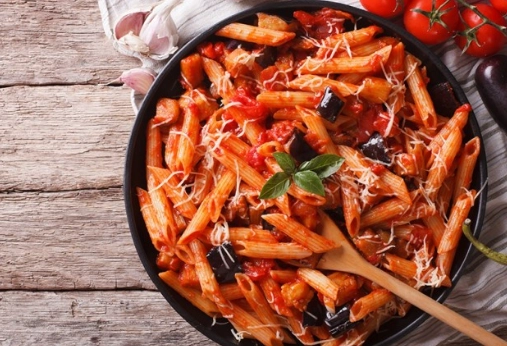
The Top 10 Italian Dishes: A Culinary Countdown
Here's a snapshot of the top 10, ranked based on popularity, cultural impact, and my personal tastings. This isn't just a list; it's a roadmap for your next meal.
| Rank | Dish | Region of Origin | Main Ingredients | Best Place to Try (If You Can) |
|---|---|---|---|---|
| 1 | Pizza Margherita | Naples, Campania | Tomato, mozzarella, basil, olive oil, flour | L'Antica Pizzeria da Michele, Naples – Via Cesare Sersale 1, open 11 AM-11 PM, €5-€8 per pizza |
| 2 | Pasta Carbonara | Rome, Lazio | Eggs, Pecorino Romano, guanciale, black pepper | Roscioli, Rome – Via dei Giubbonari 21, open 12:30 PM-4 PM, 7 PM-12 AM, €15-€20 |
| 3 | Lasagna | Emilia-Romagna | Pasta sheets, ragù, béchamel, Parmigiano | Trattoria dal Bolognese, Bologna – Via Caduti di Cefalonia 5, open 12 PM-3 PM, 7 PM-11 PM, €12-€18 |
| 4 | Risotto alla Milanese | Milan, Lombardy | Arborio rice, saffron, butter, onion, broth | Trattoria Masuelli, Milan – Viale Umbria 80, open 12 PM-3 PM, 7 PM-11 PM, €16-€22 |
| 5 | Osso Buco | Milan, Lombardy | Veal shanks, white wine, broth, vegetables, gremolata | Al Matarel, Milan – Via Solari 41, open 7:30 PM-12 AM, €25-€30 |
| 6 | Fiorentina Steak | Florence, Tuscany | T-bone steak, olive oil, rosemary, salt | Trattoria Dall'Oste, Florence – Via dei Cerchi 40/R, open 12 PM-11 PM, €40-€60 per kg |
| 7 | Caprese Salad | Capri, Campania | Tomatoes, mozzarella di bufala, basil, olive oil | Da Paolino, Capri – Via Palazzo a Mare 11, open 12 PM-3 PM, 7 PM-11 PM, €10-€15 |
| 8 | Tiramisu | Veneto (disputed) | Ladyfingers, espresso, mascarpone, eggs, cocoa | I Tre Mercanti, Venice – Campo della Guerra 5364, open 10 AM-7 PM, €5-€8 |
| 9 | Gelato | Various, with roots in Florence | Milk, sugar, natural flavors (no artificial additives) | Gelateria Della Passera, Florence – Via Toscanella 15, open 12 PM-10 PM, €3-€5 per cup |
| 10 | Bruschetta | Central Italy | Bread, tomatoes, garlic, basil, olive oil | Any local trattoria in Rome – expect €4-€7 as an appetizer |
Now, let's break each one down. I'll share why they made the list and what to watch out for.
1. Pizza Margherita
This isn't your delivery pizza. Born in Naples in 1889 to honor Queen Margherita, it's a symbol of Italy's colors: red tomatoes, white mozzarella, green basil. The crust should be soft and chewy with a charred edge from a wood-fired oven. At L'Antica Pizzeria da Michele in Naples, they've been doing it since 1870—no frills, just perfection. But here's a tip: many places outside Italy use too much cheese, making it greasy. Look for a thin layer of fior di latte or buffalo mozzarella. If you're cooking at home, invest in 00 flour; it makes a difference.
2. Pasta Carbonara
Carbonara is a Roman staple, but it's often butchered with cream. The authentic version uses eggs, Pecorino Romano, guanciale (not bacon—guanciale is cured pork cheek with a richer flavor), and pepper. The sauce should coat the pasta smoothly, not be a thick gloop. At Roscioli in Rome, they nail it by tossing spaghetti in a bowl with the hot guanciale fat first, then adding the egg mixture off the heat. Common mistake? Adding garlic or onions. Purists say no. If you're wary of raw eggs, use pasteurized ones, but the traditional method is safe if done right.
3. Lasagna
Lasagna from Emilia-Romagna is layered comfort. The ragù (meat sauce) simmers for hours with tomatoes, beef, and pork. In Bologna, they use green spinach pasta sheets for lasagna verde. Trattoria dal Bolognese serves it with a perfect balance of ragù, béchamel, and Parmigiano. Avoid versions with too much cheese or dry layers. A good lasagna should be moist but not soggy. I've had some that tasted like cardboard—usually from pre-made pasta sheets. If making it, let it rest after baking; it sets better.
4. Risotto alla Milanese
This golden risotto gets its color from saffron, a precious spice. It's creamy without cream, thanks to the starch released from Arborio rice during slow stirring. At Trattoria Masuelli in Milan, they use homemade broth and finish with butter and Parmigiano. The trick is to toast the rice first, then add warm broth gradually. Many home cooks rush this, ending up with undercooked or mushy rice. It should be al dente, with a loose consistency called "all'onda" (wavy). Saffron can be expensive, but skip it and it's just rice—so splurge a little.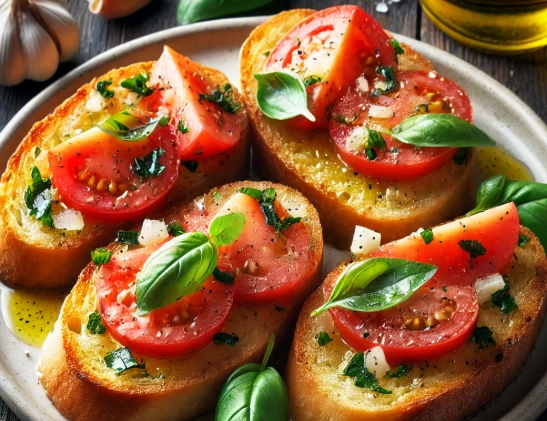
5. Osso Buco
Osso Buco means "bone with a hole," referring to the veal shank marrow. It's a Milanese dish braised with white wine, broth, and vegetables, topped with gremolata (lemon zest, garlic, parsley). Al Matarel in Milan serves it falling-off-the-bone tender. The marrow is a delicacy—spread it on bread. But veal can be pricey; some places substitute beef, which changes the flavor. If you're cooking, brown the meat well first for depth. Pair it with risotto alla Milanese; they're classic partners.
6. Fiorentina Steak
This Tuscan T-bone steak is massive, often over 1 kg, cooked rare over charcoal with just salt, olive oil, and rosemary. At Trattoria Dall'Oste in Florence, they source Chianina cattle, a local breed. It's shared, so don't order it solo. The charred crust and juicy interior are sublime. But beware: some tourist spots serve thinner cuts or overcook it. Ask for "al sangue" (bloody) if you like it rare. It's expensive, but worth it for the experience. I once saw someone order it well-done—the waiter looked horrified.
7. Caprese Salad
Simple yet stunning: ripe tomatoes, fresh mozzarella di bufala (from water buffalo milk), basil, and extra virgin olive oil. On Capri, Da Paolino uses tomatoes from their garden. The key is ingredient quality. Off-season tomatoes ruin it. If you can't find buffalo mozzarella, use fresh cow's milk mozzarella, but avoid the rubbery supermarket kind. Drizzle with a good olive oil—I prefer ones from Liguria for a fruity note. It's a summer dish; don't bother in winter.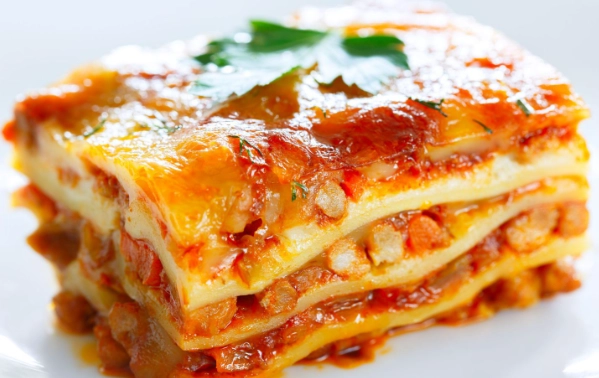
8. Tiramisu
Tiramisu means "pick me up" from the coffee and cocoa. Its origins are disputed between Veneto and Piedmont, but I Tre Mercanti in Venice makes a legendary version with layers of coffee-soaked ladyfingers and mascarpone cream. Common errors: using too much liquor (rum or Marsala should be subtle) or making it too sweet. The mascarpone should be creamy, not stiff. For home, chill it overnight; it improves. I've had tiramisu that tasted like sugary mush—usually from cheap ingredients.
9. Gelato
Gelato isn't ice cream; it has less fat and air, making it denser and more flavorful. In Florence, Gelateria Della Passera uses seasonal fruits and no artificial colors. Look for natural colors (pistachio should be dull green, not bright). Avoid places with piled-high gelato; it's often inflated with air. Authentic gelato is stored in flat containers. Flavors like fior di latte (milk) or stracciatella (chocolate chip) are classics. I'm partial to lemon sorbet on a hot day—it's refreshing and dairy-free.
10. Bruschetta
Bruschetta is toasted bread rubbed with garlic, topped with tomatoes, basil, and oil. It's a starter found everywhere in central Italy. The bread should be rustic, like pane di casa, grilled not baked. In Rome, many trattorias serve it as a complimentary appetizer. The tomato topping should be fresh, not cooked into a sauce. Some versions add mozzarella or prosciutto, but the classic is simple. If the bread is soggy, they didn't toast it enough. It's a test of a kitchen's attention to detail.
How to Cook Italian Dishes Like a Pro: Common Mistakes to Avoid
After years of cooking and eating in Italy, I've seen the same blunders. Let's fix them.
First, ingredient sourcing matters. Don't use pre-grated cheese; it has anti-caking agents that affect melting. Buy a block of Parmigiano-Reggiano or Pecorino and grate it fresh. The difference in carbonara is night and day.
Second, pasta water should be salty like the sea. I mean it—add a handful of salt to the boiling water. It seasons the pasta from within. And never rinse pasta after cooking; the starch helps sauce cling.
Third, overcooking is a sin. Pasta al dente, risotto creamy but firm, steak rare—Italians value texture. I once served mushy risotto to an Italian friend; he politely said it was "interesting." Translation: terrible.
For pizza, if you're baking at home, use a pizza stone or steel preheated in a very hot oven. Most home ovens don't reach wood-fired temperatures, but a stone helps mimic the effect.
Lastly, don't overcomplicate. Italian food is about few ingredients shining. Adding extra herbs or spices often masks the core flavors. Trust the recipe.
Frequently Asked Questions About Italian Food
Exploring Italian dishes is a journey—one that's best enjoyed with an open mind and a hungry stomach. Whether you're dining in Naples or cooking in your kitchen, remember that quality trumps quantity. Stick to these top 10, and you'll taste Italy's soul. Buon appetito!
Related Articles
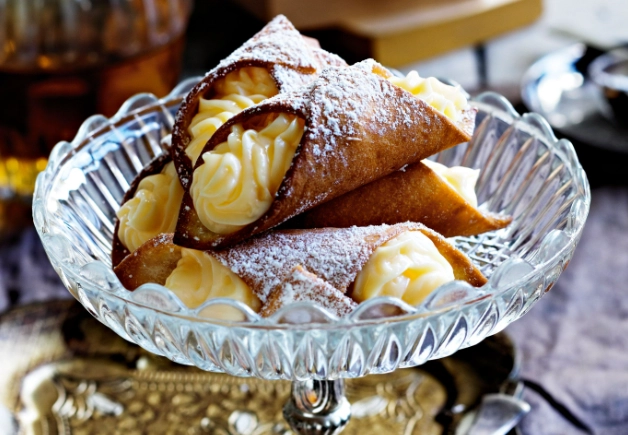
Authentic Italian Dessert Recipes: From Tiramisu to Cannoli
Easy Pasta Salad Recipes with Italian Dressing for Crowd-Pleasing Meals

Authentic Italian Cocktail Recipes: From Classics to Modern Twists
Easy Italian Wedding Soup Recipe (Authentic Flavor, Simple Steps)
Traditional Italian Pasta Sauces: A Complete Guide to the Classics