Authentic Italian Peasant Food: Simple Recipes & Where to Eat
Forget the fancy truffle pastas and the Instagrammable cheese pulls. The soul of Italy lives in its peasant food, or cucina povera. This isn't about deprivation. It's about genius—the kind of genius that turns stale bread, a handful of beans, and whatever greens are growing wild into a dish that makes you close your eyes and sigh. I learned this not in a cooking school, but in a cramped Roman kitchen watching a nonna gently crush cannellini beans against the side of a pot. The goal isn't complexity. It's depth.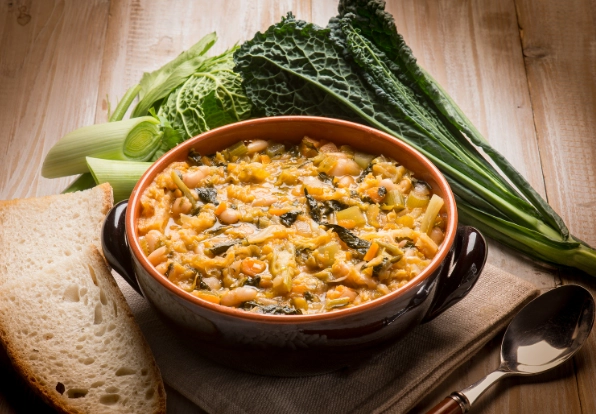
What's Cooking in This Guide?
What Cucina Povera Really Means (It's Not "Poor")
Translating it as "poor kitchen" misses the point entirely. It was born from necessity, yes. Farmers and workers had to feed large families with what they had: vegetables from their plot, pulses that stored well, off-cuts of meat, day-old bread. But through that constraint came incredible creativity and strict, unwritten rules.
Waste was not an option. Stale bread became the base for salads like panzanella or thickening agents for soups like ribollita. Parmesan rinds were tossed into simmering pots of beans to melt into umami gold. Leftover minestrone was reheated (ribollita means "reboiled") with added bread, transforming it into a whole new, thicker dish.
Here's the secret most food blogs don't tell you: The magic isn't in a secret ingredient. It's in time and technique. It's the slow, patient sweating of onions, celery, and carrot (the soffritto) until they almost dissolve. It's the gentle, hours-long simmer of beans in barely trembling water. It's understanding that a handful of pasta cooked directly in the bean broth (pasta e fagioli) will thicken the soup with its starch in a way you can never replicate by adding cooked pasta later.
3 Can't-Miss Italian Peasant Food Recipes to Master
You don't need a dozen recipes. Master these three pillars, and you understand the philosophy.
1. Pasta e Fagioli (Pasta and Beans)
The ultimate comfort food. The version from the Veneto region is creamy and smooth, almost like a bean porridge with pasta. The Roman version is brothy. I prefer the creamy one.
The Non-Negotiable Detail: Use dried beans, not canned. Soak them overnight. Cook them slowly with a piece of pork rind (cotenna) or a Parmesan rind. The starch from the beans and the pasta must comingle to create the right texture. Mash some beans against the pot wall before adding the pasta.
Common Pitfall: Adding the tomatoes too early. Their acidity can prevent the beans from softening properly. Add them after the beans are already tender.
2. Ribollita (Tuscan Bread Soup)
This is a dish of layers. Day one: you make a hearty vegetable and bean soup (minestrone di fagioli). Day two: you layer the leftover soup in a pot with slices of stale, unsalted Tuscan bread, let it soak, then reboil it. The result is a thick, spoon-standing-up stew.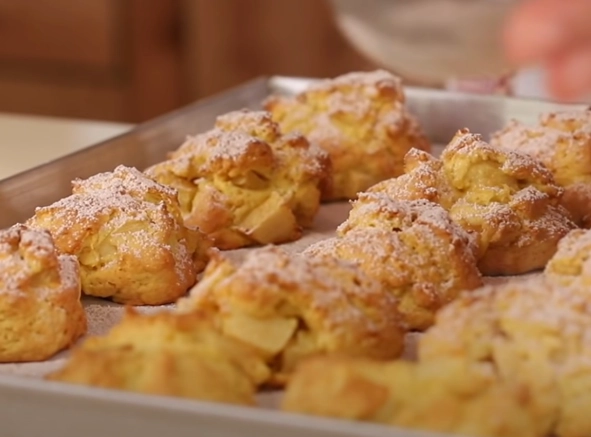
The Non-Negotiable Detail: The bread must be stale, and it must be a rustic, saltless bread like Tuscan pane sciocco. Fresh or salted bread turns to glue. The cabbage (usually black cabbage, cavolo nero) should be cooked until completely silky.
3. Pasta alla Gricia
Consider it carbonara's simpler, older cousin. It's just guanciale (cured pork cheek), Pecorino Romano cheese, black pepper, and pasta water. No egg, no cream. The sauce is an emulsion of the rendered pork fat, cheese, and starchy water.
The Non-Negotiable Detail: The guanciale must be cut into thickish chunks, not thin slices. You want little cubes that crisp on the outside but stay slightly chewy within. Render it slowly. The biggest mistake is burning the pepper. Add it to the fat off the heat for 30 seconds to toast it without bitterness.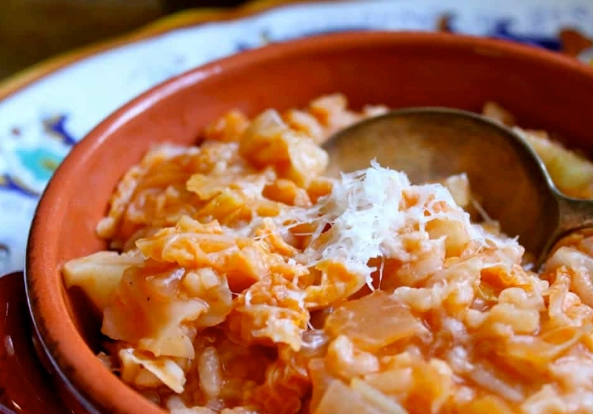
Where to Eat Authentic Peasant Food in Italy (Addresses & Tips)
You can read a hundred recipes, but tasting the real thing in context is everything. Here’s where to go, straight from my notebook.
In Rome: Avoid the places with menus in six languages around the major monuments. Go to the neighborhoods where people live.
- Trattoria Da Enzo al 29 (Via dei Vascellari, 29, Trastevere). It's tiny, loud, and you will wait. Their cacio e pepe and pasta alla gricia are textbook. No reservations for dinner. Go for lunch at 12:30 sharp.
- Flavio al Velavevodetto (Via di Monte Testaccio, 97, Testaccio). Built into an ancient Roman pottery shard mound. Their pajata (a Roman offal pasta) is legendary, but their tonnarelli cacio e pepe is also perfection. Book ahead.
In Florence/Tuscany:
- Trattoria Mario (Via Rosina, 2r, near Mercato Centrale, Florence). They've been serving market workers since 1953. No reservations, communal seating. Their ribollita is only available on Fridays and is the real deal—thick, hearty, and deeply flavored. Get there before they open at 12:00 for lunch.
- For the ultimate bistecca alla Fiorentina (a peasant food? For Tuscan farmers celebrating, yes), go to Antica Trattoria da Tito (Via S. Gallo, 112/r, Florence). It's boisterous, fun, and the steak, sold by weight, is cooked over charcoal.
The One Mistake Everyone Makes (And How to Fix It)
I see it all the time in home kitchens and, sadly, in many restaurants outside Italy. The mistake is under-salting the pasta water.
It sounds trivial. It's not. For dishes like gricia, cacio e pepe, or any pasta that finishes cooking in a pan with its sauce, the seasoning comes almost entirely from that pasta water. The water should taste "like the sea." That's not poetic—it's technical. When you toss the pasta with the guanciale fat and cheese, you add splashes of this salty, starchy water to create the emulsion. If the water is bland, your sauce will be bland, and you'll overcompensate by dumping table salt on top, which tastes harsh and uneven.
Fix: Use a large pot (4-5 quarts) for 1 pound of pasta. Add 2-3 tablespoons of coarse sea salt after the water boils. Taste it. It should be noticeably salty. This is the single biggest upgrade you can make to your Italian cooking overnight.
Your Italian Food Questions, Answered
Related Articles
Easy Italian Appetizer Recipes for a Crowd: Make-Ahead & Crowd-Pleasing Ideas
Italian Pasta Salad Dressing: The Ultimate Guide to Authentic Flavor
Authentic Pasta Carbonara Recipe: The Real Italian Way
Ultimate Guide to Making Authentic Italian Beef at Home
Ultimate Guide to Classic Italian Dessert Recipes from Tiramisu to Cannoli