Best Italian Regional Recipes: Top 5 Dishes to Master at Home
Forget "Italian food" as a single entity. The real magic happens in the regions. It's the difference between a slow-simmered ragù in Bologna and a bright, fresh pesto in Genoa. Travel restrictions taught me to bring those regional kitchens into my own. After years of trial, error, and a few culinary disasters, I've nailed down the five best Italian regional recipes that truly capture the soul of their homeland. These aren't just dishes; they're edible postcards.
Your Journey Through Italy's Kitchens Starts Here
The Soul of Italy: Why Regional Recipes Matter
Italy was unified as a country fairly recently. For centuries, it was a collection of city-states and kingdoms, each with its own ingredients, traditions, and poverty-driven ingenuity. That history is on the plate. Tuscan food is sparse and brilliant because the peasants had little. The rich butter and cream of Lombardy? That's wealth from the plains. You're not just learning recipes; you're tasting geography and history.
I used to make a generic "spaghetti bolognese." Then I went to Bologna. The version there—tagliatelle al ragù—was a revelation. No herbs beyond a hint of nutmeg, a splash of milk to soften the acidity, and hours of quiet bubbling. It taught me that precision, not creativity, is the heart of authentic italian recipes.
Top 5 Italian Regional Recipes You Can Cook at Home
This list skips the overly complex. These are achievable classics where technique trumps exotic ingredients. Master these, and you understand regional italian food.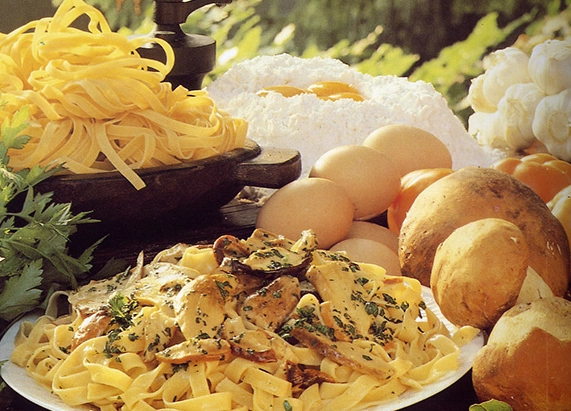
1. Emilia-Romagna: Tagliatelle al Ragù
Not "spaghetti bolognese." Never. The authentic ragù from Bologna is a meat sauce, not a tomato sauce with meat. The goal is silkiness, not chunkiness.
The Non-Consensus Tip: Most recipes tell you to brown the meat. Don't. In Bologna, they soffritto the minced beef and pork with the vegetables until it just loses its pink color, then add the wine. This keeps the meat tender and prevents it from seizing up into hard little granules during the long braise. Browning creates a barrier. You want the meat to slowly break down and melt into the sauce.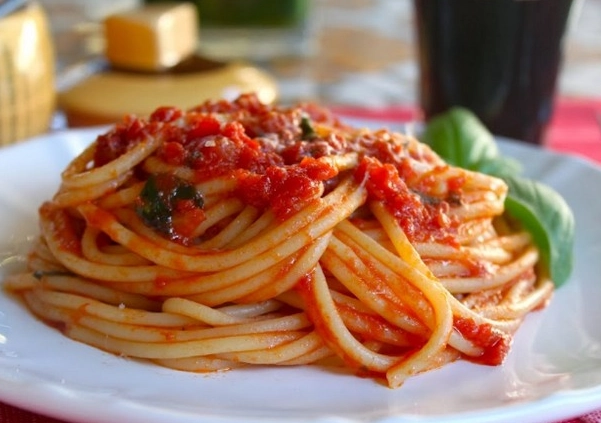
Key Ingredients: Equal parts minced beef and pork (pancetta is ideal), a soffritto of onion, carrot, and celery cooked in butter (not olive oil!), a small amount of tomato paste or passata, whole milk, and dry white wine. Serve with fresh tagliatelle, never spaghetti.
2. Campania: Neapolitan Pizza Margherita
The benchmark. A puffy, charred cornicione (crust), a thin, soft center, and the tricolor of tomato, mozzarella, and basil. The Associazione Verace Pizza Napoletana has strict rules, but the home cook's goal is the spirit: lightness and flavor.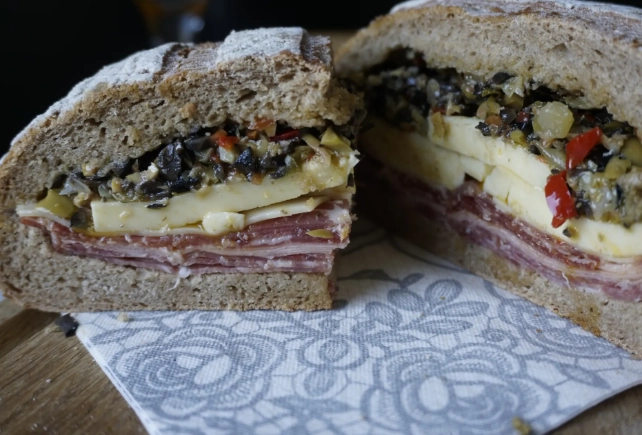
The Non-Consensus Tip: Your flour is everything. You must use "00" flour ("doppio zero"). All-purpose flour has a higher protein content that creates a tougher, bread-like crust. 00 flour is finely milled and lower in protein, yielding that tender, chewy Neapolitan texture. I learned this the hard way after three batches of disappointing, cracker-like crusts.
Key Ingredients: 00 flour, fresh brewer's yeast or tiny amounts of dry active yeast, San Marzano DOP tomatoes (crushed by hand), fior di latte or mozzarella di bufala, fresh basil, and extra-virgin olive oil. No gadgets—mix and knead by hand to feel the dough's life.
3. Lombardy: Osso Buco alla Milanese
Braised veal shanks, fall-off-the-bone tender, in a rich broth with wine, vegetables, and a finish of gremolata (lemon zest, garlic, parsley). It's hearty northern comfort food. The prize is the marrow in the bone—scoop it out and spread it on bread.
The Non-Consensus Tip: Do not flour the meat before browning. Just pat it dry and sear it in plain oil or butter. Flouring creates a coating that can burn during the long braise and make the sauce gluey. You want a clean sear for flavor, then let the collagen from the meat itself thicken the sauce naturally.
Key Ingredients: Cross-cut veal shanks ("osso buco" means "bone with a hole"), tied with twine, dry white wine (not red!), a classic soffritto, and beef or veal stock. The gremolata is not optional—its bright zing cuts the richness.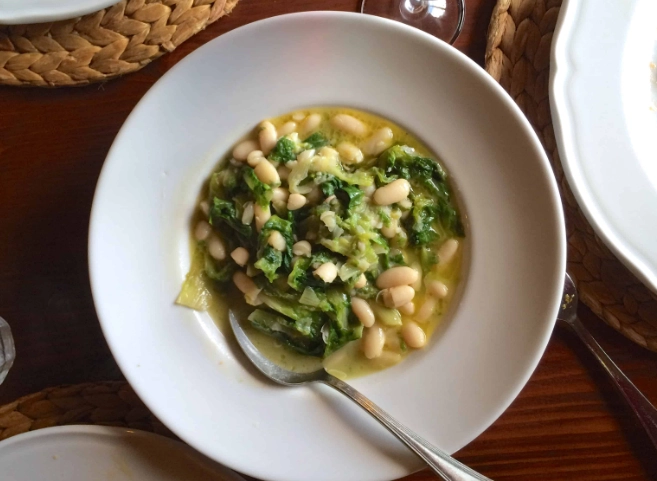
4. Liguria: Pesto alla Genovese
More than a sauce, it's a cultural emblem. The balance of sweet basil, sharp garlic, rich pine nuts, salty cheese, and olive oil is deceptively simple. Get it wrong, and it's just a herb paste.
The Non-Consensus Tip: Never, ever use a food processor if you can avoid it. The fast blade heats and bruises the basil, turning it black and bitter. Use a marble mortar and a wooden pestle. The crushing action releases the basil's oils without oxidizing them. It's a different product—fragrant, bright green, and emulsified. It's a workout, but it's the only way.
Key Ingredients: Genovese DOP basil (small, tender leaves), extra-virgin olive oil (a mild Ligurian one), garlic, coarse sea salt, pine nuts (toasted lightly), Parmigiano-Reggiano, and Pecorino Sardo (not the sharper Pecorino Romano). Toss with trofie or trenette pasta and a spoonful of the starchy pasta water.
5. Veneto: Tiramisù
The iconic "pick-me-up." Layers of coffee-soaked savoiardi (ladyfingers) and a creamy mascarpone custard. Its beauty is in its simplicity, which is why so many versions are awful—too sweet, too boozy, or set with gelatin.
The Non-Consensus Tip: Separate the eggs. Most recipes now use raw eggs (a risk) or skip them. The authentic, safe method from the Veneto region is to cook the egg yolks with sugar over a bain-marie until pale and thick (a zabaione), then fold that into the mascarpone. Whip the egg whites separately to stiff peaks and fold them in last. This gives structure and a cloud-like texture without raw egg anxiety or artificial stabilizers.
Key Ingredients: Fresh, high-fat mascarpone cheese, fresh eggs, savoiardi biscuits, strong brewed espresso (cooled), a dash of Marsala wine (optional), and unsweetened cocoa powder for dusting. No cream, no chocolate, no layers of fruit.
The One Italian Cooking Mistake Everyone Makes (And How to Fix It)
It's the water. Not just pasta water, but the water in your ingredients.
Italian cooking is often about concentration and reduction. Adding watery, out-of-season tomatoes to your sauce means you have to boil it for an hour to drive off that moisture, which cooks all the fresh flavor away. The same goes for mushrooms that haven't been properly sautéed to release their water, or zucchini that turns your dish into a soup.
The fix is simple: Respect the water content. If using fresh tomatoes, peel, seed, and drain them. Sauté vegetables until they sigh and soften, not just until they're warm. This concentrates flavor. It's the difference between a sauce that tastes of the sun and one that tastes of the can.
Your Italian Cooking Questions, Answered
Bringing Italy to Your Table: A Final Thought
These best Italian regional recipes aren't about perfection on the first try. My first pesto was a dark, bitter sludge. My first osso buco was tough. The joy is in the attempt—in smelling the garlic and basil, in feeling the dough come alive, in the three-hour wait for a ragù to transform. It's a slower, more intentional way to cook. Start with one. Master the logic behind it. Then you're not just following a recipe; you're cooking like an Italian nonna, with geography, history, and a deep love for a few perfect ingredients in your hands.
Related Articles
Top 10 Italian Foods: The Ultimate List of Must-Try Dishes
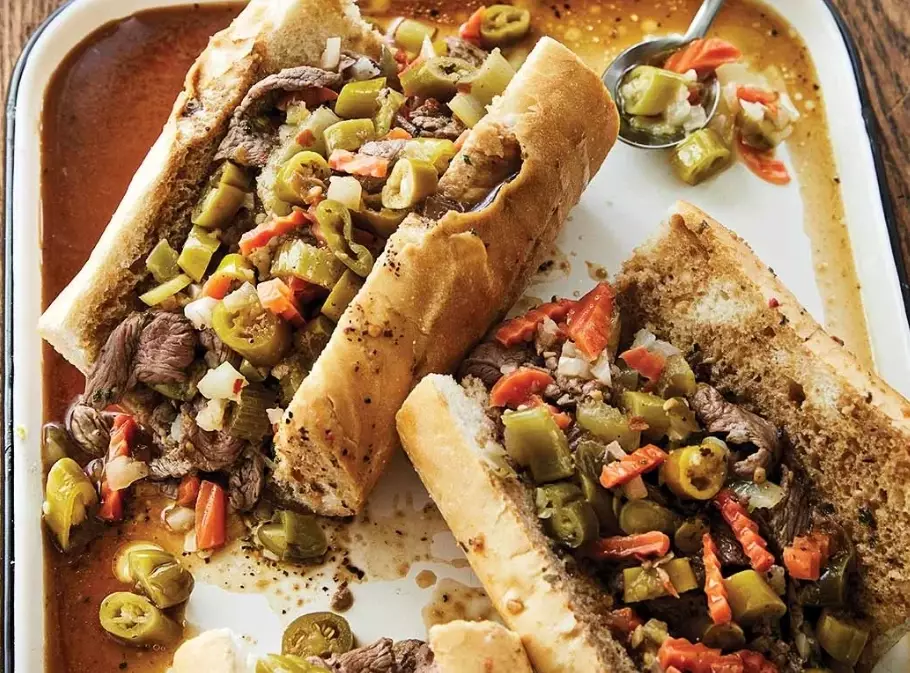
Authentic Italian Beef Recipe: Slow-Cooked Chicago-Style Sandwiches
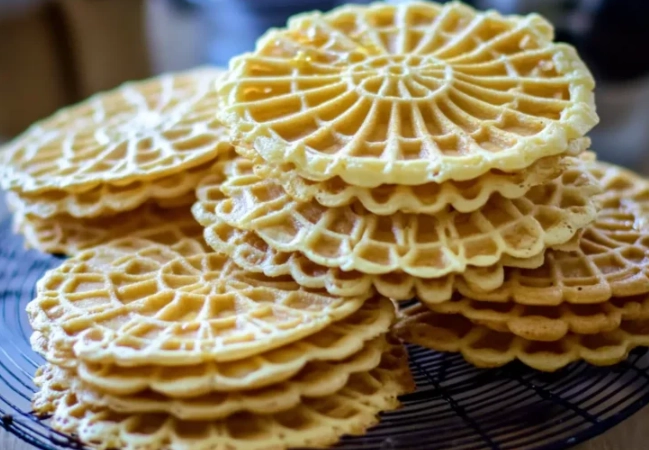
Easy Original Pizzelle Recipe: Classic Italian Waffle Cookies
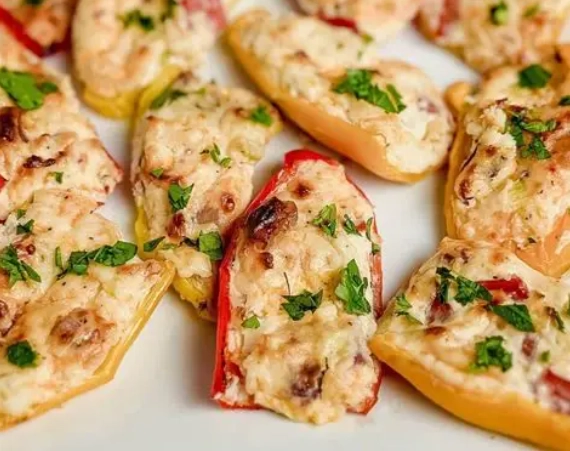
Unique Italian Appetizers: Beyond Bruschetta & Meatballs
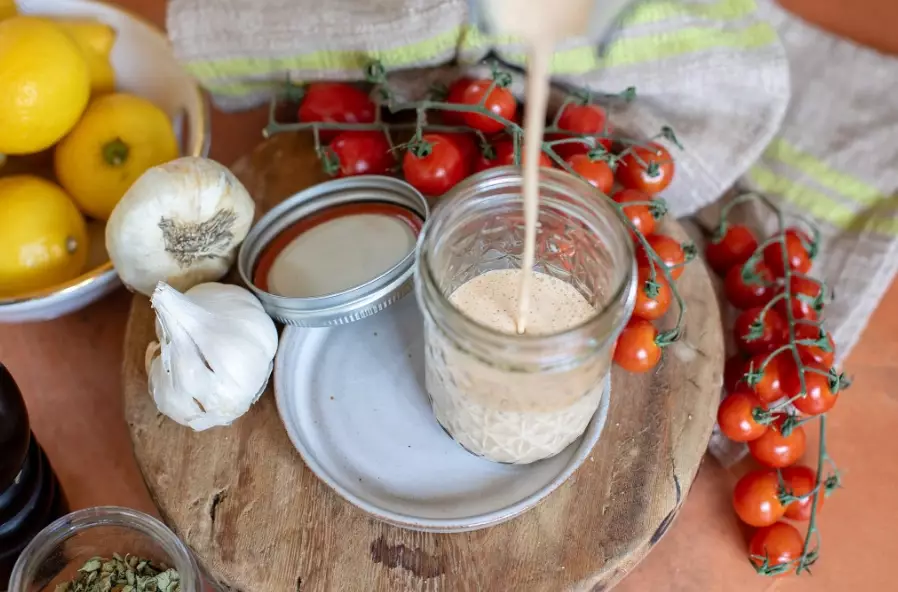
Zesty Italian Dressing Recipe: Easy Homemade Guide