Authentic Italian Dinner Recipes from Regional Cuisines
You search for "Italian regional recipes for dinner" and you get a million lists. Spaghetti Bolognese, check. Margherita pizza, check. But that's just scratching the surface. Real Italian dinner is a journey through regions, each with a story told in a handful of powerful ingredients. It's about the crackle of guanciale in a Roman alleyway trattoria, the primal scent of a T-bone steak over vinewood embers in Florence, the blistering crust of a Neapolitan pizza. Let's skip the clichés and dive into the dinners Italians actually eat, with recipes you can trust and spots where you can taste the real deal.
Your Quick Guide to Italian Regional Dinners
What Makes a True Roman Carbonara?
Let's clear this up first: no cream. Ever. The creaminess comes from emulsifying eggs and cheese with starchy pasta water and the fat from rendered guanciale. That's it. Using pancetta or, heaven forbid, bacon, changes the flavor profile entirely. Guanciale (cured pork cheek) is fattier, funkier, and the cornerstone of Roman pasta.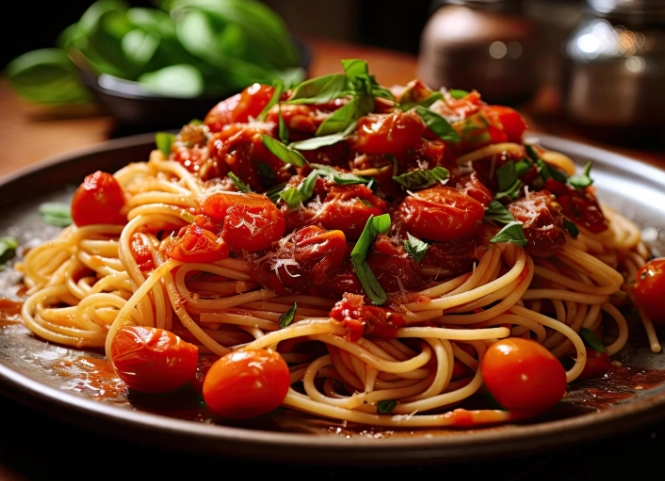
The Non-Negotiable Carbonara Method
For 2 people: 200g spaghetti, 150g guanciale (diced), 2 whole eggs + 1 yolk, 80g Pecorino Romano (freshly grated), black pepper. Boil pasta in salted water. Whisk eggs, most of the cheese, and a ton of cracked black pepper in a bowl. In a cold pan, render the guanciale over medium-low heat until crispy. Have a cup of pasta water ready. When pasta is al dente, transfer it directly to the guanciale pan (no colander!). Off the heat, toss quickly. Now, pour in the egg mixture, tossing vigorously and adding splashes of hot pasta water until you get a silky, creamy sauce that coats each strand. Serve immediately with more Pecorino and pepper.
The common mistake? Adding the egg mixture while the pan is still on the heat. You'll get scrambled eggs. The residual heat is enough.
Where to Eat Carbonara in Rome
For the textbook version, head to Roscioli Salumeria con Cucina (Via dei Giubbonari, 21). It's a temple to cured meats and pasta. Expect to pay around €16-€18 for a plate. Book weeks ahead. For a more rustic, no-frills experience in a less touristy area, try Flavio al Velavevodetto (Via di Monte Testaccio, 97). Their Carbonara is robust, served in a quirky restaurant built into Monte Testaccio. A plate costs about €14. Open for dinner from 7:30 PM. The carbonara here is saltier, punchier—the way many locals prefer it.
How to Cook (and Order) Bistecca alla Fiorentina
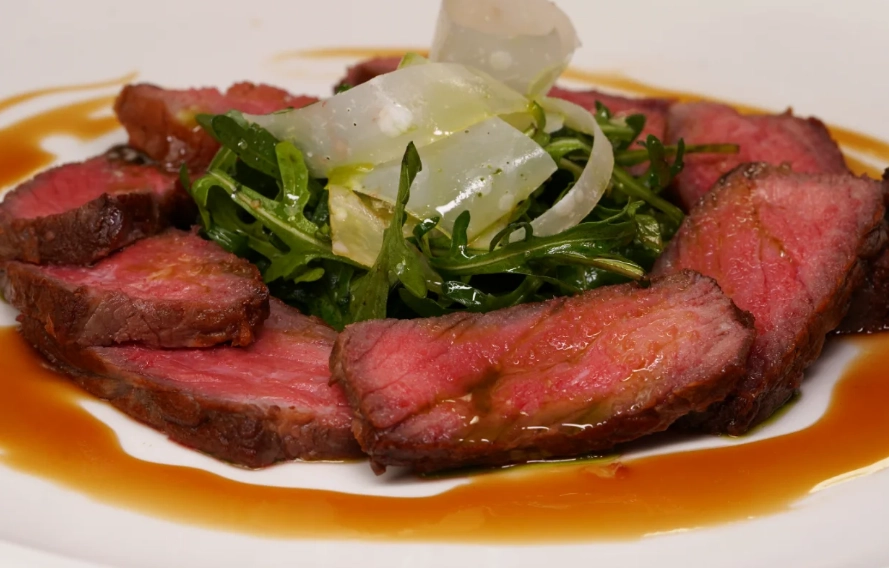
This isn't just a steak; it's a ceremony. A thick-cut T-bone from the local Chianina cattle, grilled over aromatic wood (vine or olive), seasoned only with salt, pepper, and a drizzle of raw olive oil after cooking. No marinades, no sauces. The inside should be al sangue—blood rare, or at most rare. Cooking it more is considered a crime.
The key is the heat. You need a fierce, wood-fired grill to sear the outside while keeping the inside cool and red. At home without a proper grill? Use a cast-iron skillet screaming hot. Pat the steak dry, salt it heavily an hour before, and sear for 4-5 minutes per side for a 1.2kg (2.5lb) steak. Let it rest for 10 minutes. Slice along the bone.
Finding the Real Deal in Florence
Steakhouses line Florence, but many serve inferior meat to tourists. You want a place that displays the raw, massive T-bones. Trattoria Sostanza (Via del Porcellana, 25r), nicknamed "Il Troia," is an institution. It's tiny, chaotic, and perfect. They cook it in butter in a pan, which is a slight variation, but the quality is unmatched. Expect to pay €50-60 per kilo. No credit cards, cash only. Dinner starts at 7:30 PM, but queues form early. Another reliable choice is Antico Ristorante Paoli (Via dei Tavolini, 12r), with a historic cellar atmosphere. Their Bistecca is classic wood-grilled and priced similarly.
The Art of Neapolitan Pizza at Home
Neapolitan pizza has UNESCO heritage status for a reason. The rules are strict: soft wheat flour (Type "00"), San Marzano tomatoes, fior di latte or buffalo mozzarella, fresh basil, extra virgin olive oil, and sea salt. Baked for 60-90 seconds in a wood-fired oven at 485°C (905°F). The crust (cornicione) should be soft, airy, and charred in spots (leoparding).
Your home oven maxes out at 250°C (480°F). So how do you get close? First, get a pizza stone or steel and preheat it for a full hour on the highest rack at your oven's max temperature. Use a baking sheet turned upside down to slide the pizza onto the stone. Second, simplify. A classic Marinara (tomato, garlic, oregano, oil) is easier to perfect at home than a wet Margherita. The lack of cheese means the crust crisps up better without steaming.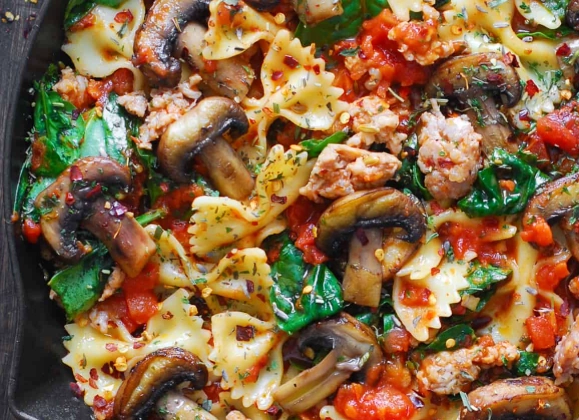
Pizza Pilgrimage in Naples
You have two legendary rivals. L'Antica Pizzeria da Michele (Via Cesare Sersale, 1) is famous for serving only Marinara and Margherita. It's bare-bones, fast, and the textbook definition. Expect to wait in line; a pizza costs around €5-€7. Open until 11 PM. For a slightly more refined experience, Gino Sorbillo (Via dei Tribunali, 32) is a maestro of innovation while respecting tradition. The lines are also epic, but the quality is stellar. If you want to avoid the queues, head to the side streets and look for a bustling spot with locals—you can't go too wrong.
Sicilian Pasta alla Norma: A Vegetarian Powerhouse
Named after Bellini's opera, this dish from Catania is a masterpiece of balance: sweet fried eggplant, tangy tomato sauce, salty ricotta salata (a hard, salted ricotta), and fresh basil. It's hearty, satisfying, and deceptively simple. The trick is in frying the eggplant correctly—cubes dredged in flour and fried until deeply golden and creamy inside. This isn't a place for steamed or baked eggplant if you want the authentic texture.
For a weeknight shortcut, you can sauté the eggplant without frying, but the result will be softer, less defined. The sauce is a basic sofrito of garlic and onion, then tomatoes, simmered briefly. Toss with short pasta like rigatoni, then finish with a snowstorm of grated ricotta salata. If you can't find it, a mix of pecorino and a pinch of salt is an okay substitute, but the unique granular, milky-salty bite of ricotta salata is what makes it Sicilian.
I once tried a "modern" version in a trendy restaurant that used smoked ricotta. It was interesting, but it completely overpowered the delicate eggplant. Sometimes tradition knows best.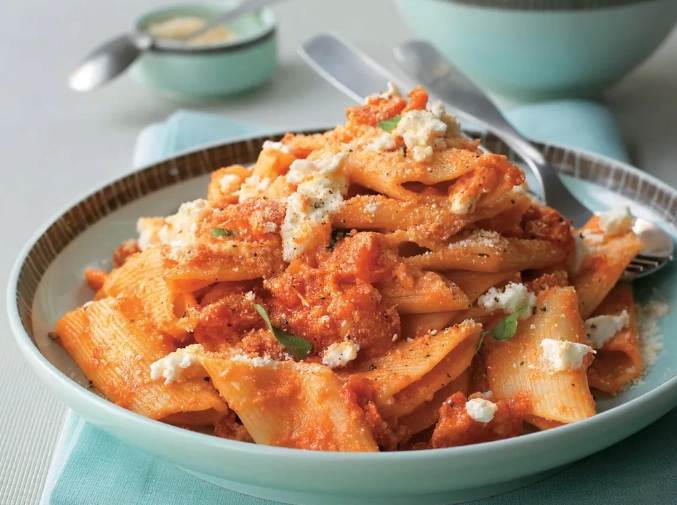
Your Italian Dinner Questions Answered
Italian regional dinners are about context. They're not just recipes; they're edible history. Trying to perfect Carbonara connects you to Rome's simple, robust past. Wrestling with pizza dough brings you closer to Naples' vibrant streets. It's okay if your first attempt isn't perfect—mine certainly weren't. The point is to cook with intention, source the best ingredients you can, and enjoy the process. That's the real Italian way.
Related Articles

The medium-sized trap of Internet companies

Why is Dongguan's economy no longer at the bottom?
Simple Italian Regional Recipes: Authentic Dishes Made Easy
Italian Salad Recipe: Authentic, Easy & Delicious Step-by-Step Guide
Ultimate Guide to Italian Slider Variations & Recipes