Italy's Most Traditional Dish: The Definitive Guide to Authentic Cuisine
Quick Navigation
Let's cut to the chase. When people ask "What is Italy's most traditional dish?", they're not just looking for a name. They want the story, the soul, the thing that makes Italian food Italian. After years of eating my way through Italy and talking to chefs, I've settled on pasta alla Carbonara as the top pick. But it's not that simple—tradition in Italy is a messy, regional, and deeply personal affair. This guide dives into why Carbonara wins, how to spot the real deal, and where to taste it without falling for tourist traps.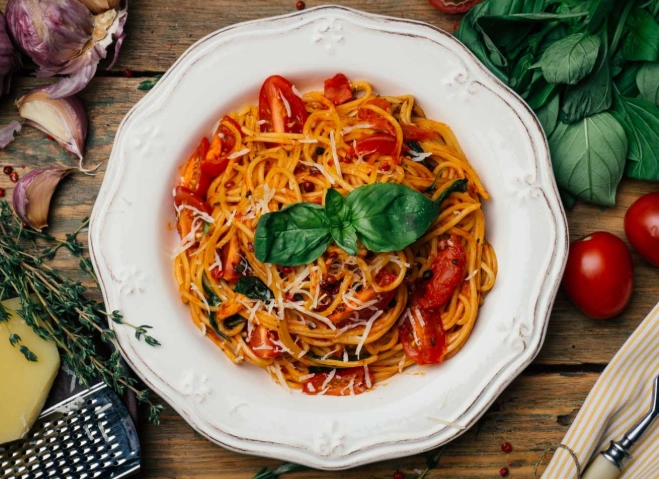
What Makes a Dish "Traditional" in Italy?
Tradition here isn't about age alone. It's about ingredients that haven't changed for generations, techniques passed down in families, and a dish that tells a local story. Think of it like this: if a recipe can trace its roots to a specific town and uses what's available seasonally, it's probably traditional. The Accademia Italiana della Cucina, an official body that documents Italian culinary heritage, emphasizes this regional focus. They've cataloged dishes like risotto from Milan or bistecca alla Fiorentina from Florence, each tied to a place.
But here's where it gets tricky. Many "traditional" dishes have murky origins. Take Carbonara—some say it came from Roman coal miners (carbonai), others argue it's a post-World War II creation with American eggs and bacon. The truth? It doesn't matter as much as how it's made today. Authenticity lies in sticking to the core: guanciale (cured pork cheek), pecorino Romano cheese, eggs, black pepper, and pasta. No cream, no peas, no fancy twists.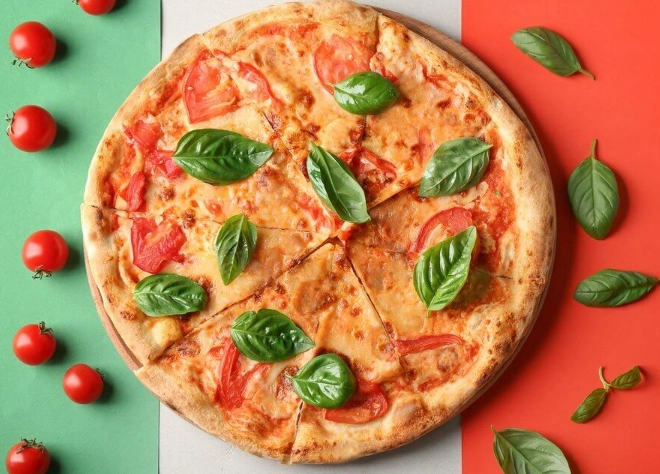
Top 5 Contenders for the Title
Italy's culinary landscape is a battlefield of traditions. Here's a quick rundown of dishes that often come up in this debate, based on historical records and local pride.
| Dish | Region | Key Ingredients | Why It's Traditional |
|---|---|---|---|
| Pasta alla Carbonara | Lazio (Rome) | Guanciale, eggs, pecorino, pepper | Post-war simplicity, Roman roots, minimalism |
| Pizza Margherita | Campania (Naples) | Tomatoes, mozzarella, basil, dough | 19th-century creation for royalty, UNESCO heritage |
| Osso Buco | Lombardy (Milan) | Veal shanks, white wine, vegetables | Slow-cooked comfort food dating to the 1800s |
| Risotto alla Milanese | Lombardy (Milan) | Arborio rice, saffron, broth | Renaissance-era dish with local saffron |
| Lasagna | Emilia-Romagna | Pasta sheets, ragù, béchamel | Medieval origins, layered complexity |
Notice a pattern? Each dish is hyper-local. Carbonara edges out because it's deceptively simple—any change ruins it, making it a litmus test for tradition. Pizza Margherita is iconic, but its global adaptations dilute its authenticity. Osso buco is hearty but less ubiquitous. Risotto and lasagna are staples, but they vary wildly by family.
I remember arguing with a chef in Bologna about lasagna. He insisted real lasagna uses green spinach pasta, not the dry sheets you buy. That's the kind of nuance that defines tradition.
The Winner: Pasta alla Carbonara – Why It Stands Out
Carbonara isn't just food; it's a philosophy. In a world of fusion cuisine, it remains stubbornly pure. Let's break it down.
A Brief History: From Roman Roots to Global Fame
Most food historians, like those cited in the Oxford Companion to Food, point to mid-20th century Rome for Carbonara's rise. The story goes that American soldiers brought eggs and bacon after WWII, and Italians combined them with local pecorino. But older recipes from Lazio suggest similar egg-based pasta dishes existed earlier. Regardless, Carbonara became a symbol of la cucina povera (poor kitchen)—making luxury from few ingredients.
What most people miss? Carbonara was never meant to be a restaurant star. It was home cooking, whipped up quickly with pantry staples. That's why the best versions still feel humble.
The Authentic Recipe: Ingredients That Matter
Non-negotiable elements: Guanciale over pancetta or bacon (it's fattier and sweeter), pecorino Romano (not Parmesan—it's saltier and tangier), fresh eggs (room temperature), and coarse black pepper. The pasta? Spaghetti or rigatoni, cooked al dente to hold the sauce.
Skip the cream. I've seen too many places add it to make the sauce richer, but that's a hack. The magic happens when the hot pasta cooks the eggs into a silky emulsion, with pasta water as the binder. Add cream, and you get a gloppy mess that masks the guanciale's flavor.
Common Pitfalls: What Most People Get Wrong
Here's my pet peeve: overcooking the guanciale. It should be crispy on the edges but still chewy, not burnt to a crisp. Another error? Adding the eggs to a hot pan—they'll scramble. Take the pan off heat, toss everything quickly, and let residual heat do the work. I learned this the hard way when my first Carbonara turned into scrambled eggs with pasta. Not pretty.
Also, using pre-grated cheese. It contains anti-caking agents that prevent melting. Grate it fresh, right before mixing. This small step changes everything.
Where to Experience Authentic Carbonara in Italy
If you're in Rome, don't just wander into any place with a "traditional" sign. Here are spots I've vetted personally, focusing on family-run joints that locals love.
- Roscioli: Address: Via dei Giubbonari, 21, 00186 Roma. This is a deli-restaurant hybrid. Their Carbonara uses top-tier guanciale and aged pecorino. Price: Around €18 per plate. Rating: 4.7/5 on Google. Open: 12:30 PM–4 PM, 7 PM–midnight. Book ahead—it's packed.
- Da Enzo al 29: Address: Via dei Vascellari, 29, 00153 Roma. A tiny trattoria in Trastevere. The Carbonara here is creamy without cream, just eggs and cheese. Price: €14. Rating: 4.6/5. Open: 12:30 PM–3 PM, 7:30 PM–11 PM. Cash only, expect a queue.
- Flavio al Velavevodetto: Address: Via di Monte Testaccio, 97, 00153 Roma. Known for Roman classics. Their Carbonara has a peppery kick that balances the richness. Price: €16. Rating: 4.5/5. Open: 12:30 PM–3 PM, 7:30 PM–11:30 PM. Great for a hearty lunch.
Avoid places near the Colosseum with English menus plastered outside. They often serve watered-down versions. Instead, look for spots where you hear Italian spoken loudly—that's a good sign.
Making Carbonara at Home: A Foolproof Guide
Don't be intimidated. I've taught friends this recipe, and it works every time if you follow these steps.
- Prep ingredients: Dice 150g of guanciale into small cubes. Grate 100g of pecorino Romano finely. Beat 3 large eggs in a bowl, mix in half the cheese, and add plenty of black pepper.
- Cook pasta: Boil 400g of spaghetti in salted water. Save a cup of pasta water before draining.
- Render guanciale: In a pan, cook guanciale over medium heat until crispy but not burnt. No oil needed—it releases its own fat. Remove from heat.
- Combine: Add drained pasta to the pan with guanciale. Toss to coat. Off heat, pour in the egg mixture quickly, stirring vigorously. Add splashes of pasta water until it's silky.
- Serve: Plate immediately, topped with remaining cheese and more pepper. Eat right away—it doesn't wait.
The key is speed and confidence. If the sauce looks thin, keep tossing; the residual heat will thicken it. I've messed up by hesitating, and the eggs curdled. Practice makes perfect.
Frequently Asked Questions
So, next time you're in Italy or cooking at home, remember that tradition isn't about rigid rules—it's about respect for ingredients and history. Carbonara might be the answer, but the real joy is in the search. Try it, tweak it, and make it your own, but always start with the basics. That's how Italian food has survived for centuries.
Related Articles
What to Bring to an Italian Dinner Party: The Ultimate Guest's Guide
Authentic Italian Regional Recipes Guide: Cook from Source
Easy Italian Baked Dinner Recipes: Lasagna, Chicken Parm & More
Easy Crusty Italian Bread Recipe: Homemade Ciabatta & Focaccia

The "big test" for joint venture car companies has arrived