A Guide to Italy's Classic Dishes: Pasta, Pizza & More
Let's clear something up right away. When we talk about traditional Italian dishes, we're not just listing popular items from a chain restaurant menu. We're diving into a culinary culture defined by regional pride, seasonal respect, and an almost sacred relationship between simple, high-quality ingredients. Forget the heavy, cheese-laden stereotypes. Real Italian food is about balance, where the flavor of a sun-ripened tomato or a leaf of fresh basil is the star.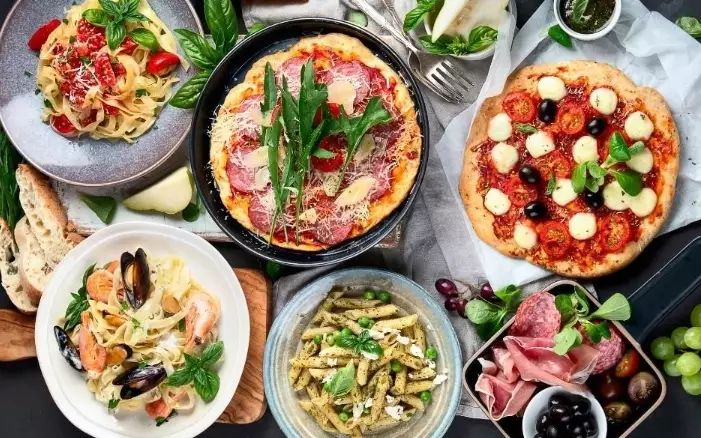
I've spent over a decade traveling through Italy's regions, eating in family-run trattorias, and making every cooking mistake you can imagine. The biggest lesson? Italy's food is a language of its own, and each region has a distinct dialect.
Your Quick Guide to Italy's Food Treasures
Pasta: It's All About the Shape & Sauce
This is where most people get it wrong. In Italy, pasta isn't just a vehicle for sauce; the shape is engineered for it. Choosing spaghetti for a chunky ragu is like using a spoon to eat soup – possible, but not ideal.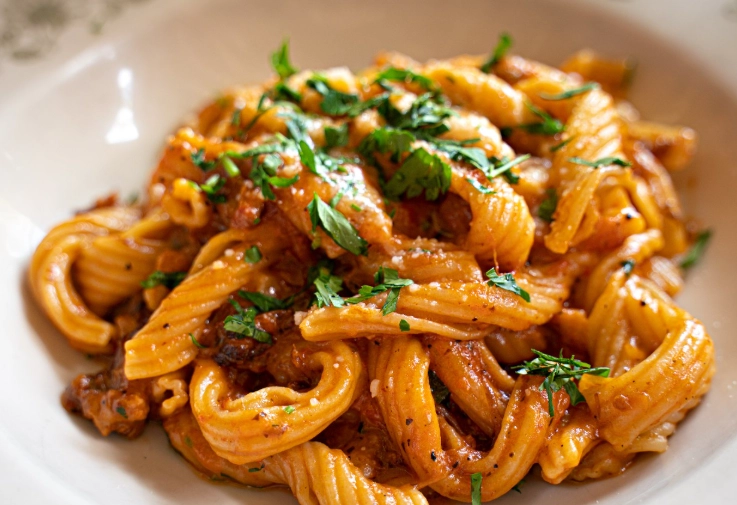
Expert Tip: The golden rule? Long pasta with thin, oil-based sauces. Short, textured pasta with thick, chunky sauces. It's not a suggestion; it's the foundation.
The Unbeatable Classics & Where to Find Them
These aren't just dishes; they're institutions with strict rules of preparation.
Spaghetti alla Carbonara (Rome): Cream is forbidden. The sauce is an emulsion of egg yolks, Pecorino Romano cheese, black pepper, and fat from guanciale (cured pork cheek). The heat from the pasta cooks it. Trying it in Rome is non-negotiable.
Where: Roscioli (Via dei Giubbonari, 21, 00186 Roma). A legendary salumeria and restaurant. Expect a wait. Price: €14-18. Closed Sundays.
Tagliatelle al Ragù (Bologna): Never, ever call it "spaghetti bolognese." In Bologna, it's tagliatelle – fresh egg pasta ribbons – with a slow-cooked meat sauce (ragù) of beef, pork, and a hint of tomato. It's rich, not red.
Where: Trattoria Anna Maria (Via delle Belle Arti, 17, 40126 Bologna). A family-run spot that feels like a time capsule. Price: €12-15.
Other regional stars include Pesto alla Genovese (Liguria) with trofie pasta, Orecchiette con Cime di Rapa (Puglia), and Pasta alla Norma (Sicily) with eggplant and ricotta salata.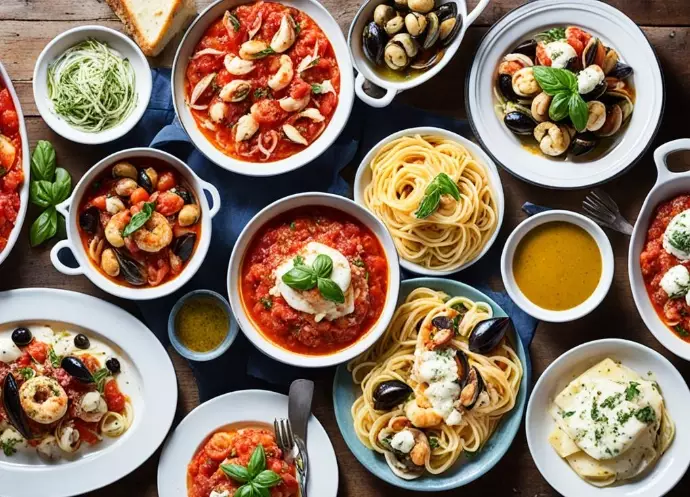
The Real Story on Italian Pizza
If you think all Italian pizza has a thick, doughy crust, prepare for a shock. The variation is dramatic.
| Type | Origin | Key Characteristics | Classic Topping |
|---|---|---|---|
| Pizza Napoletana | Naples | Soft, chewy, charred cornicione (edge). Cooked in 60-90 seconds in a wood-fired oven. | Marinara (tomato, garlic, oregano, oil) or Margherita (tomato, mozzarella, basil). |
| Pizza Romana / al Taglio | Rome | Thin, crispy, almost cracker-like base. Often sold by weight (al taglio) in rectangular slices. | Potato & Rosemary; Mortadella; Simple Marinara. |
| Sfincione | Sicily | Thick, fluffy, focaccia-like base. Often topped with a rich tomato sauce, onions, anchovies, and breadcrumbs. | Tomato, onion, anchovy, caciocavallo cheese. |
For the true Neapolitan experience, the Associazione Verace Pizza Napoletana certifies pizzerias that follow strict traditional methods. Look for their logo.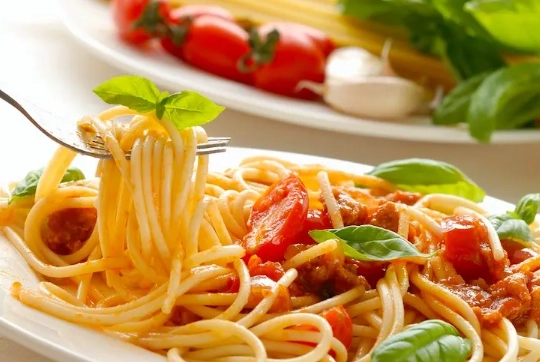
The Main Event: Beyond the First Course
While pasta and pizza are primi (first courses), the secondi (main course) is where meat and fish shine. Portions are sensible, focusing on quality.
- Ossobuco alla Milanese: A cross-cut veal shank braised with vegetables, white wine, and broth. The marrow in the bone is the prize. Traditionally served with saffron risotto.
- Bistecca alla Fiorentina: A massive T-bone steak from the Chianina cattle breed, grilled over wood or charcoal, seasoned only with salt, pepper, and olive oil. It's served rare. You order it by weight (usually for two). A rite of passage in Florence.
- Fritto Misto: Not just calamari. A mix of lightly battered and fried seafood (shrimp, small fish, squid) and often vegetables. The sign of a good one? A light, crisp batter that isn't greasy.
A Sweet Ending: Dolci You Must Try
Italian desserts are often less sweet than their American counterparts, relying on ricotta, nuts, fruit, and high-quality chocolate.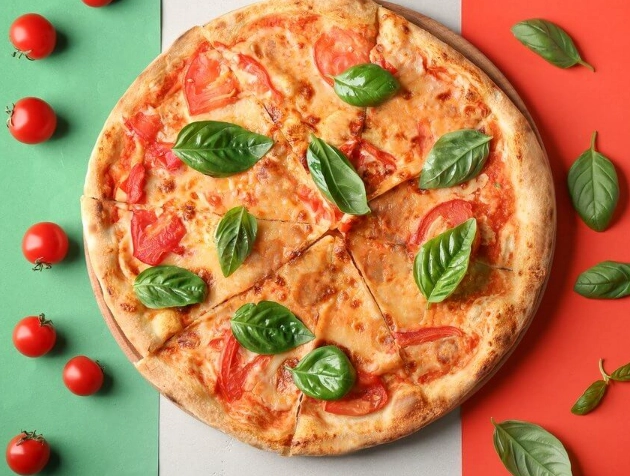
Tiramisù is the global ambassador, but its origin is hotly debated between Veneto and Friuli-Venezia Giulia. The best are layered in a dish, not pre-portioned cups. Panna Cotta ("cooked cream") from Piedmont should wobble gently, not stand firm like Jell-O. And you haven't had ice cream until you've had gelato from a gelateria artigianale – less air, more flavor, served at a slightly warmer temperature.
How to Find Authentic Italian Food (Anywhere)
You don't need a plane ticket to eat well, but you need a strategy.
Look for menus that are short and regional. A place specializing in Neapolitan food is more credible than one serving pizza, risotto, and pesto all together. Check if they make pasta fresh (fatta in casa). See if they advertise DOP ingredients (like Parmigiano-Reggiano or San Marzano tomatoes), a protected designation of origin from the Italian Ministry of Agricultural, Food and Forestry Policies. Avoid places where "Chicken Alfredo" is a headline act.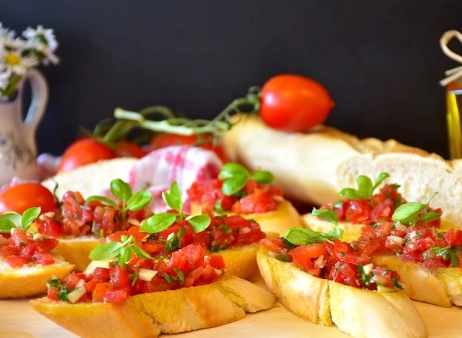
Walk away from tourist squares. The best meals are often found in unassuming streets a few blocks away.
Your Burning Questions Answered
Related Articles
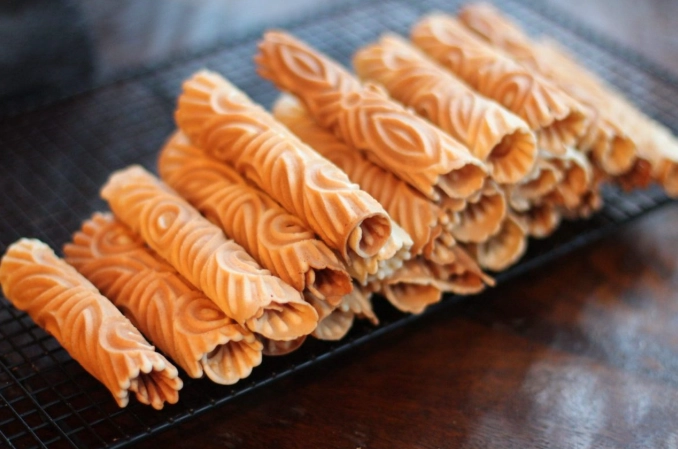
Authentic Italian Pizzelle Recipe: Crispy, Classic & Easy
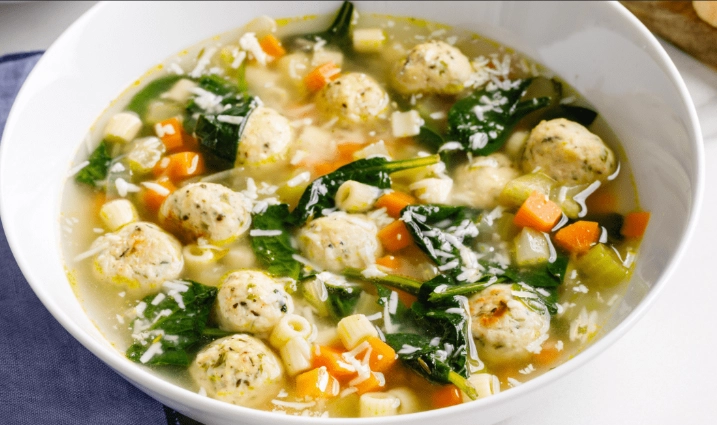
Easy Italian Wedding Soup Recipe (Authentic Flavor, Simple Steps)
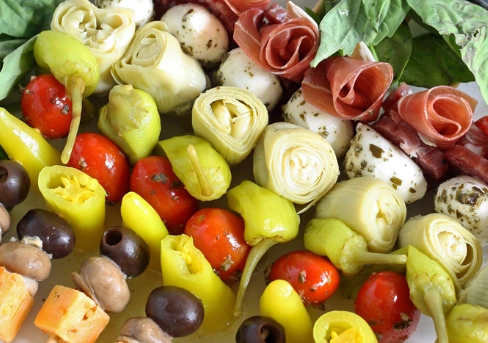
Authentic Italian Vegetarian Appetizers: Recipes, Tips & Menus
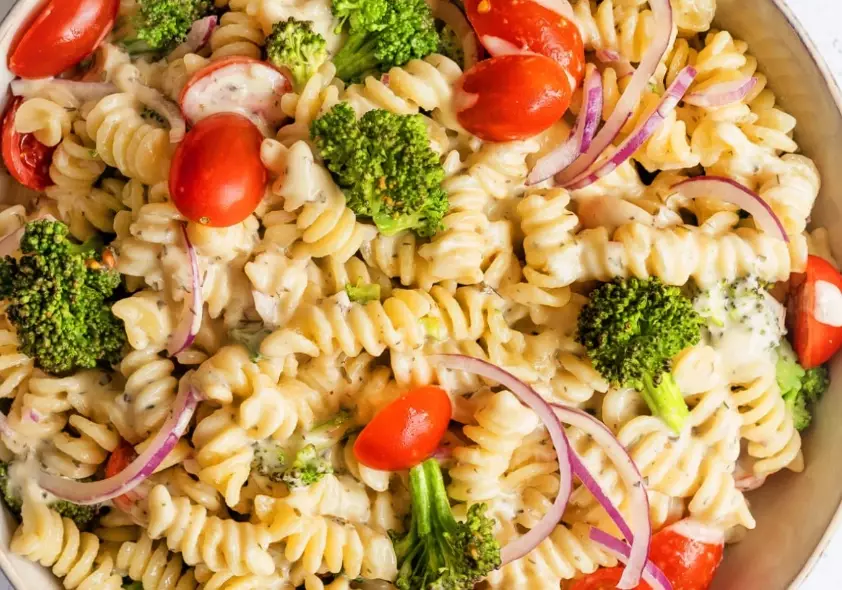
Perfect Pasta Salad Recipe with Homemade Italian Dressing

What is the Traditional Drink of Italy? The Definitive Guide