Master Old School Italian Recipes: Authentic Pasta, Ragù & More
You've tried the recipes. The quick "30-minute marinara," the "easy weeknight carbonara." They're fine. But they never taste like that plate of pasta you had in a tiny trattoria in Rome, or like your friend's nonna used to make. Something's missing.
That something is the old school way.
Old school Italian cooking isn't about fancy techniques or rare ingredients. It's the opposite. It's about a few perfect ingredients, treated with respect and cooked with a patience that most modern recipes completely ignore. It's the difference between a sauce that sits on top of pasta and a sauce that becomes one with it.
I learned this the hard way, after years of mediocre results. The breakthrough came from watching a chef in Bologna make tagliatelle. He wasn't rushing. He was listening to the dough. That's what we're going to talk about.
What You'll Learn Inside
What Makes a Recipe 'Old School' Italian?
Forget "nonna's secret." The secret is there is no secret. It's a set of principles, born from poverty and perfected over centuries.
Old school means regional. A carbonara from Rome uses guanciale (cured pork cheek), not bacon or pancetta. An Amatriciana uses pecorino romano, not parmesan. These aren't suggestions; they're the definition of the dish. Substitutions change it into something else.
It means minimalism. A classic pasta aglio e olio has five ingredients: pasta, garlic, oil, parsley, chili. The skill is in balancing them perfectly. There's nowhere to hide.
Most importantly, it means time. Not active cooking time, but passive, slow, transformative time. A ragù simmers for half a day. A bread dough rises overnight. This is the single biggest thing missing from modern interpretations. You cannot microwave tradition.
The Non-Negotiables: Ingredients & Philosophy
Get these right, and 80% of your battle is won.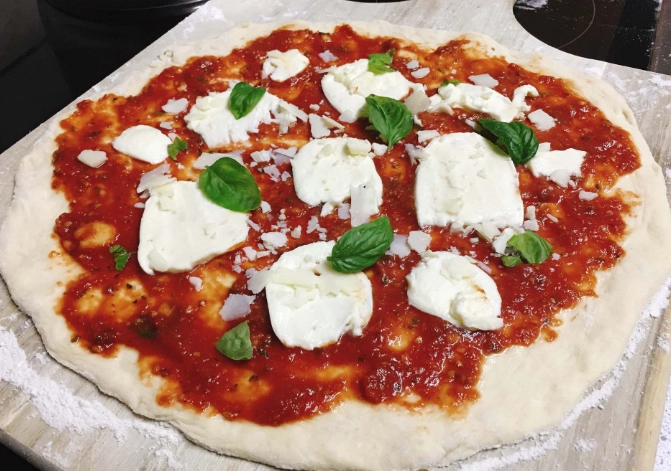
The Holy Trinity: Flour, Eggs, Semolina
For fresh egg pasta, you need "00" flour. It's not about the brand, but the grind. It's as fine as talcum powder, and it creates a tender, silky dough that's still strong. All-purpose flour will give you a chewier, less delicate result. For shapes like orecchiette or cavatelli, semolina flour is key. Its coarse texture and high gluten content give the pasta a wonderful bite and a surface that grabs sauce.
Eggs should be fresh and room temperature. The old rule of one egg per 100 grams of flour is a good start, but humidity matters. Be ready to adjust.
Tomatoes: Canned vs. Fresh, A Critical Choice
Here's a non-consensus take: for sauces, canned tomatoes are almost always better than fresh, out-of-season tomatoes. You want San Marzano DOP tomatoes from Italy. The DOP certification (Protected Designation of Origin) matters. These tomatoes are grown in volcanic soil, have fewer seeds, less acidity, and a thicker, sweeter flesh. They break down into a sauce with a depth that others can't match. Don't get the "crushed" or "pureed" ones. Get whole peeled tomatoes and crush them by hand. You control the texture.
Cheese: Parmigiano-Reggiano, No Substitutes
Buy a block and grate it yourself. Pre-grated cheese contains cellulose to prevent clumping, which also prevents it from melting properly into a creamy sauce. The flavor is muted. A real piece of Parmigiano-Reggiano (look for the pin-dotted rind) is an ingredient, a seasoning, and a finishing touch all in one. The rind can be used to flavor soups and stews.
Herbs: Freshness Over Dried
With the exception of oregano (which is actually better dried in many applications), fresh herbs are mandatory. Basil, parsley, rosemary. They're added at the end of cooking, not the beginning, to preserve their vibrant flavor and color. Dried basil is just green dust.
Mastering Three Foundational Old School Dishes
Let's move from theory to practice. Master these, and you have a repertoire.
1. Handmade Tagliatelle all'Uovo (Egg Tagliatelle)
This is the soul of pasta-making. The goal is a noodle with a slight bite (al dente) and a porous surface that holds onto a ragù.
The Common Mistake: Adding olive oil to the dough. It's a crutch for poor kneading technique. A properly kneaded dough won't stick. Oil coats the flour and interferes with gluten formation, leading to a weaker, more brittle pasta.
How to Tell It's Right: After kneading for 10-15 minutes, the dough should be smooth, supple, and slightly springy to the touch. Wrap it in plastic and let it rest at room temperature for at least 30 minutes. This relaxes the gluten, making it much easier to roll out.
2. Ragù alla Bolognese (Bolognese Sauce)
This is not a quick, tomato-heavy meat sauce. It's a slow-cooked, wine-and-milk-braised masterpiece. The official recipe, registered with the Bologna Chamber of Commerce in 1982, specifies pancetta, sofrito (onion, carrot, celery), ground beef and pork, tomato paste, wine, and milk.
The Critical Steps:
- Brown the pancetta first to render its fat, which becomes your cooking oil.
- Sweat the sofrito until soft and sweet, not browned.
- Brown the meat in batches. Crowding the pan steams it, turning it gray. You want deep, flavorful browning (the Maillard reaction).
- Deglaze with wine (white or red, but white is traditional) and let it evaporate completely.
- Add milk and let it simmer away before adding tomatoes. The milk helps tenderize the meat and adds subtle sweetness.
Time is the secret ingredient. Once everything is combined, it simmers, covered, for at least 2 hours, but 3-4 is ideal. The sauce reduces, thickens, and the flavors marry into something profound.
3. Pollo alla Romana (Roman-Style Chicken)
This dish proves that old school Italian isn't just about pasta. It's a one-pan wonder showcasing how to build layers of flavor with simple ingredients: chicken, bell peppers, tomatoes, white wine, and rosemary.
The Key Technique: Brown the chicken pieces well in olive oil, then remove them. In the same pan, soften sliced bell peppers and garlic. Deglaze with white wine, scraping up all the browned bits (fond) from the chicken. Add tomatoes, return the chicken, and simmer until tender. The chicken finishes cooking in the sauce, absorbing all those flavors.
It’s a complete meal that teaches you pan-searing, deglazing, and braising—all fundamental skills.
The Pitfalls Everyone Hits (And How to Avoid Them)
Here’s a quick-reference table based on years of teaching (and making these mistakes myself).
| Problem | Likely Cause | Old School Solution |
|---|---|---|
| Pasta sauce won't stick to pasta | Pasta is too smooth; sauce is too thin | Finish cooking the pasta in the sauce with a splash of pasta water. The starch helps the sauce cling. |
| Homemade pasta is tough/chewy | Dough wasn't kneaded enough or rested enough | Knead until smooth and elastic (windowpane test). Rest wrapped dough for 30+ mins. |
| Meat sauce tastes bland/greasy | Meat wasn't properly browned; fat not rendered | Brown meat in small batches. Don't rush. Spoon off excess fat only after cooking if necessary. |
| Tomato sauce is too acidic | Using low-quality tomatoes; not cooking long enough | Use San Marzano DOP tomatoes. Add a pinch of sugar or a small grated carrot to balance acidity during cooking. |
| Dishes lack "depth" of flavor | Not building a flavor base (sofrito) | Always start with onion/carrot/celery, cooked slowly in fat until sweet and soft, before adding anything else. |
Your Burning Questions, Answered
The old school way asks for your time and attention. It doesn't demand expensive gadgets, just good ingredients and a willingness to slow down. Start with one dish. Make the ragù on a Sunday when you're puttering around the house. Roll out some pasta by hand. Taste the difference that intention makes.
That depth, that richness, that feeling of something made completely from scratch—that's what you can't get from a 30-minute recipe. And once you taste it, you won't want to go back.
Related Articles

The scale of securities lending and securities lending has dropped by more than
Master Italian Meatball Recipes: Secrets from Nonna's Kitchen
Ultimate Baked Italian Meatballs Recipe: Juicy, Tender & Flavorful
Authentic Italian Recipes: Your Ultimate Guide to Mastering Classics at Home
Pasta Recipes: A Complete Guide from Beginner to Pro