Traditional Italian Dinner Party Recipes: An Authentic Menu from Start to Finish
You want to host a dinner party that feels warm, abundant, and genuinely Italian. Not a rushed, chaotic mess where you're stuck in the kitchen while your guests make small talk. The secret isn't just in the recipes—it's in the structure, the pacing, and a few non-negotiable ingredients. Forget the Americanized "Italian night" clichés. Let's build a real, traditional Italian dinner party menu, course by course, with all the do-ahead tricks and expert nuances that most blogs gloss over.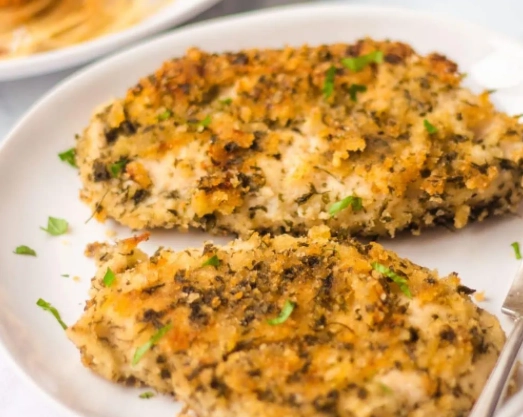
I learned this the hard way after hosting my first "authentic" dinner that ended with me sweating over a pot of gluey risotto while my perfectly dressed guests waited. It was a disaster. Now, after years of cooking in Italy and hosting countless parties, I've distilled it down to a fail-proof formula.
What's on the Menu?
Antipasto: The Effortless Opener
This isn't a heavy appetizer. Think of it as a gentle invitation to the table. The goal is something visually stunning, incredibly simple to assemble, and light enough to whet the appetite without spoiling the courses to come.
My go-to is a Burrata with Heirloom Tomatoes and Basil Oil. It looks like you spent hours, but it's a 10-minute assembly job.
Why This Works for a Dinner Party
Burrata is a crowd-pleaser—creamy, luxurious, and almost impossible to mess up. The key is sourcing. Don't settle for the plastic-wrapped ball swimming in water. Find a good Italian deli or cheese shop and ask for the freshest burrata they have, packed on the day or the day before. The difference in texture (a firm pouch giving way to a luscious, stracciatella-filled center) is everything.
For the tomatoes, color variety is your friend. Use a mix of red, yellow, and purple heirlooms. Slice them unevenly—some wedges, some slices—for a rustic look. Toss them lightly with flaky sea salt and let them sit for 10 minutes to draw out their juices.
Arrange the tomatoes on a large platter, place the burrata in the center, tear it open slightly, drizzle with the basil oil and the tomato juices that collected in the bowl, and finish with cracked black pepper. Serve with slices of grilled country bread. That's it. Your first course is done, and you've barely cooked a thing.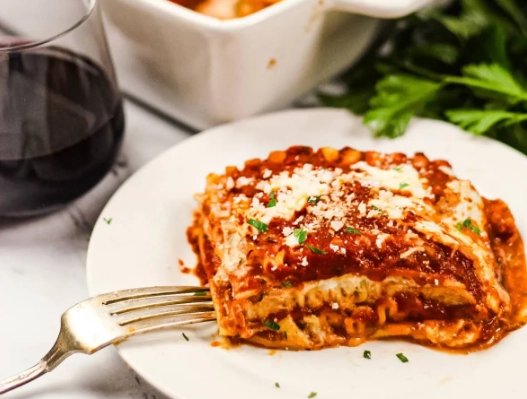
Primo Piatto: The Soul of the Meal
This is where you make your statement. The primo is usually a pasta, risotto, or soup. For a dinner party, pasta is the most forgiving choice. But we're not making spaghetti with jarred sauce. We're making a proper, slow-cooked Ragù alla Bolognese for Tagliatelle.
Yes, it takes time. But 90% of that time is unattended simmering, and you can do it days in advance. In fact, it tastes better on day two or three.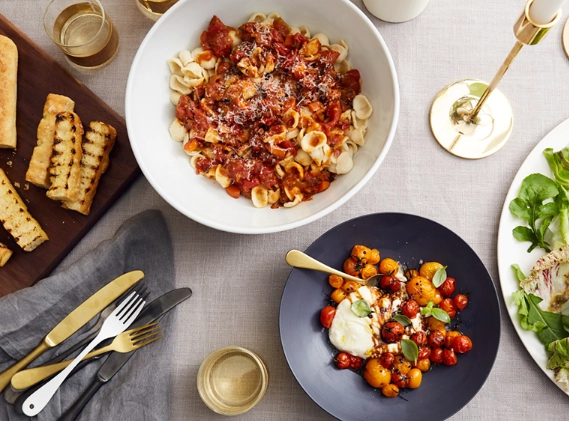
The Non-Negotiable Ingredients & Technique
- The Meat: A mix of ground beef, pork, and veal (if available). Just beef works, but the blend adds complexity.
- The Sofrito: Onion, carrot, and celery, finely diced. This is the flavor base. Don't rush the sweating process.
- The Liquid: White wine (not red!) to deglaze, then whole milk to soften the meat acidity, and finally a good amount of broth (chicken or beef).
- The Tomato: A small amount of tomato paste and a can of whole San Marzano tomatoes, crushed by hand. This is a meat sauce, not a tomato sauce.
The technique is simple but sacred: brown the meat well, add the sofrito, cook until soft, add the wine and let it evaporate, add the milk and let it absorb, then the tomato and broth. Then, and this is critical, let it simmer on the lowest possible heat for at least 3 hours, partially covered. Stir occasionally. You want it thick, rich, and cohesive, not watery.
When it's party time, cook your fresh tagliatelle (dried is fine, but fresh elevates it) until al dente, toss it in a pan with a generous ladle of the reheated ragù and a splash of pasta water. Serve immediately in warmed bowls with a final grating of Parmigiano-Reggiano. Never, ever serve the cheese pre-grated on top in a bowl—it dries out. Grate it fresh at the table.
Secondo Piatto: The Main Event (Simpler Than You Think)
After a rich pasta, the secondo should be lighter. A protein with a simple vegetable side. My favorite is Pollo alla Milanese (Milanese-Style Chicken Cutlet) with Arugula & Cherry Tomato Salad.
It's universally loved, easy to portion, and most importantly, it can be prepped ahead and cooked quickly just before serving. The salad cleanses the palate.
Getting the Perfect Golden Crust
The mistake? Using breadcrumbs from a can. They burn and taste stale. Make your own: pulse a few slices of stale rustic bread in a food processor until you have coarse crumbs. Mix them with finely grated Parmigiano-Reggiano and a little lemon zest.
Pound boneless, skinless chicken breasts evenly thin. Set up your breading station: flour, beaten eggs (seasoned with salt), and your breadcrumb mix. Dredge each cutlet, pressing the crumbs on firmly. You can layer the breaded cutlets between parchment paper and refrigerate for up to 4 hours at this point.
When ready, fry in a mix of olive oil and butter over medium heat until deeply golden and cooked through, about 3-4 minutes per side. Drain on paper towels and sprinkle with flaky salt. Serve each cutlet topped with a handful of arugula and halved cherry tomatoes dressed simply with lemon juice, olive oil, and salt. The hot, crisp chicken slightly wilts the salad—it's magic.
Dolce: The Non-Negotiable Sweet Finish
You cannot skip dessert. A proper Italian meal ends with something sweet and a coffee. Tiramisù is the quintessential choice. It's make-ahead, no-bake, and feels celebratory.
The controversy here is real. To use alcohol or not? Raw eggs or cooked? I'm in the traditional camp: marsala wine and raw, fresh, high-quality eggs. If you're uncomfortable with raw eggs, you can use pasteurized eggs or gently cook the zabaglione (egg yolk and sugar mixture) over a double boiler until 160°F, then let it cool before continuing.
The Layering Secret
Use a good quality Italian ladyfinger (savoiardi). Briefly dip them in a mixture of strong, cooled espresso and a splash of marsala—just a quick in-and-out. Soggy ladyfingers are a tragedy. The layers should be distinct: a layer of dipped cookies, a layer of the mascarpone cream (a mix of whipped egg yolks/sugar, whipped egg whites, and folded-in mascarpone), then repeat. Chill for at least 6 hours, overnight is best. Dust with unsweetened cocoa powder just before serving. The wait allows the flavors to marry and the texture to set perfectly.
Your Battle Plan: The 3-Day Timeline
This is how you avoid the panic.
2 Days Before: Make the ragù. Let it cool, cover, and refrigerate. Make the breadcrumbs for the chicken and store in an airtight container.
1 Day Before: Make the tiramisù. Let it set in the fridge. Take the burrata out of the fridge and let it come to room temperature in its packaging a few hours before the party.
Morning Of: Prep the basil oil. Wash and slice the tomatoes for the antipasto, store them covered. Wash the arugula and cherry tomatoes for the salad, spin dry, and keep in separate containers in the fridge. Pound and bread the chicken cutlets, layer between parchment, and refrigerate. Grate your Parmigiano-Reggiano block.
2 Hours Before Guests Arrive: Set the table. Take the ragù out to start coming to room temp for gentle reheating.
1 Hour Before: Assemble the antipasto platter (except the basil oil drizzle—do that last minute).
Now you're free to greet your guests, pour the Prosecco, and actually enjoy the evening, cooking the pasta and chicken in the brief interludes between courses.
Your Italian Dinner Party Questions, Answered
The real goal of a traditional Italian dinner party isn't just to feed people. It's to create an experience—a long, joyful evening around the table. With this menu and plan, you're not just serving food; you're hosting a genuine, relaxed, and memorable Italian feast. Now, go pour yourself a glass of wine. You've got this.
Related Articles
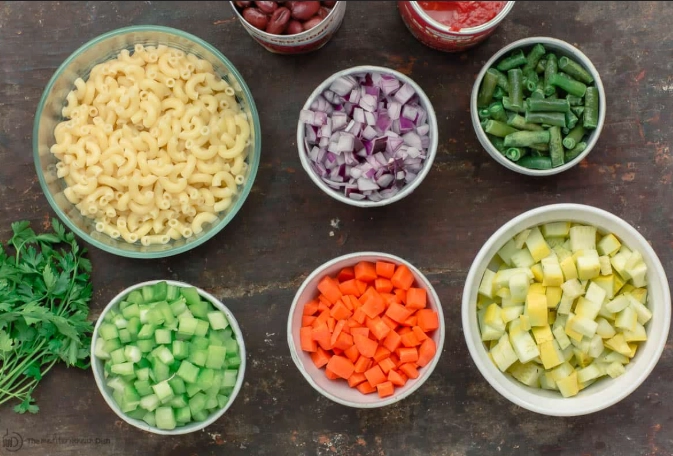
Italian Seasoning in Minestrone Soup: The Authentic Herb Blend Explained
Chicago Italian Beef Recipe: The Ultimate Homemade Guide

Authentic Italian Cheesecake Recipe: Creamy Ricotta Dessert Guide
Italian Vinaigrette vs Italian Dressing: The Real Difference Explained
Best Italian Sausage Pasta Recipes: Easy, Creamy & Spicy Ideas