Classic Italian Vegetable Dishes: A Guide to Authentic Recipes
Let's clear something up right away. When you think of classic Italian dishes, your mind probably jumps to spaghetti carbonara or a margherita pizza. But that's only half the story. For generations, Italian home cooking, or cucina povera (the cuisine of the poor), has been masterfully turning humble, seasonal vegetables into spectacular, soul-satisfying meals. These aren't just side dishes. They are the main event, packed with more flavor than you thought possible from an eggplant or a bunch of kale.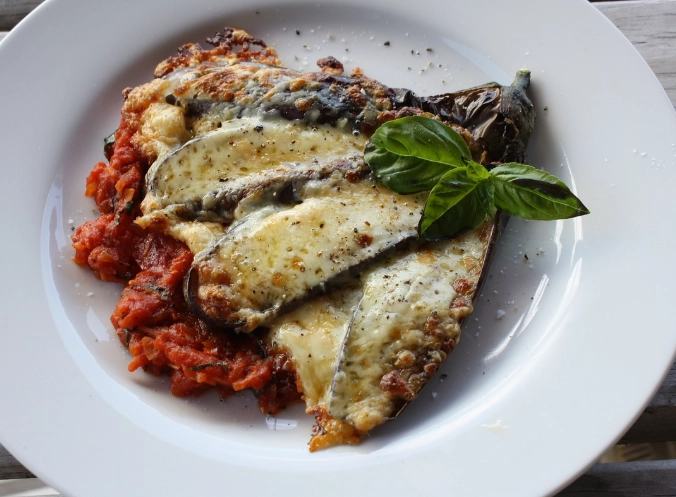
I learned this the hard way. My first attempt at Melanzane alla Parmigiana was a soggy, oily mess. The eggplant drank up oil like a sponge, and the whole thing collapsed on the plate. It took a trip to Sicily and watching a nonna in a tiny Palermo kitchen to understand the finesse involved. It's not about complicated techniques; it's about respecting a few simple principles.
This guide is about those principles and the legendary dishes they create. We're diving into the classics that define regions, celebrate seasons, and prove that Italian vegetable dishes are anything but an afterthought.
What's Cooking in This Guide
The Starters: Antipasti That Steal the Show
An Italian meal often begins with a spread of small plates. These vegetable-based antipasti are so good they can ruin your appetite for the next course—in the best way possible.
Caponata: Sicily's Sweet-and-Sour Masterpiece
Think of it as a chunky, cooked salad or a robust relish. Hailing from Sicily, Caponata is a celebration of the island's produce. The base is always eggplant, fried until golden. Then comes a symphony: celery, onions, capers, green olives, and tomatoes. The magic is in the agrodolce sauce—a sweet and sour mix of vinegar and a touch of sugar or honey that ties everything together.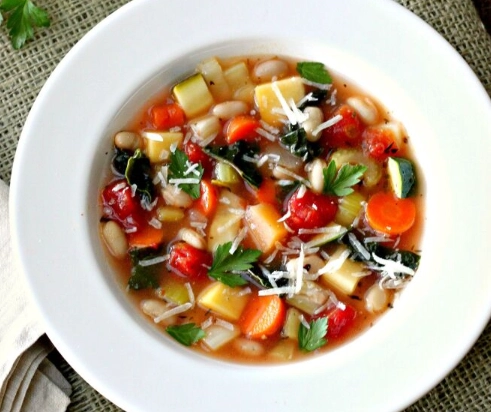
You'll find it served at room temperature with bread. The flavor gets deeper overnight. A common pitfall? Not salting the eggplant first. It draws out bitterness and, more importantly, prevents it from absorbing too much oil later. Trust me, skip this step and you'll have a greasy pond at the bottom of your bowl.
Carciofi alla Romana (Roman-Style Artichokes)
If you're in Rome in the spring, this is non-negotiable. Whole artichokes are trimmed, their tough outer leaves removed, and then braised slowly in a bath of olive oil, white wine, water, and a massive amount of garlic and mint (mentuccia). The result is unbelievably tender—you can eat the whole thing, stem and all.
The key is the slow, gentle cook. You want the liquid to barely simmer. Rushing it makes the artichokes tough. They should be so soft a fork glides through them.
Hearty Mains: When Vegetables Take Center Stage
These dishes are meals in themselves, born from necessity and perfected over centuries.
| Dish | Region | Key Vegetables | The Character |
|---|---|---|---|
| Parmigiana di Melanzane | Campania (Naples area) | Eggplant | Layered, baked, cheesy comfort food. |
| Ribollita | Tuscany | Kale, Cannellini beans, tomatoes | A thick, bread-thickened peasant soup. |
| Fagioli all'Uccelletto | Tuscany | Cannellini beans | Beans stewed with sage & tomato, "like little birds." |
Parmigiana di Melanzane (Eggplant Parmesan)
Let's settle a debate first. Is it from Naples or Sicily? Both claim it. The Neapolitan version often uses fried eggplant, tomato sauce, mozzarella, Parmigiano, and basil. The Sicilian one (Parmigiana alla Siciliana) might add hard-boiled eggs or salami. Whichever you choose, the technique is everything.
After salting and rinsing the eggplant slices, you must fry them correctly. The oil needs to be hot enough (around 350°F/175°C) so the eggplant sears quickly without soaking up oil. A limp, oily slice will ruin the structure of the whole dish. Layer them with a simple, flavorful tomato sauce (like a sugo di pomodoro) and cheese, then bake until bubbly. It's a project, but a rewarding one.
Ribollita: The Soup That's Better the Next Day
The name means "reboiled," and that's the secret. This Tuscan soup starts with a soffritto (onion, carrot, celery), adds seasonal vegetables like cavolo nero (Tuscan kale), potatoes, and cannellini beans, and is poured over stale bread. It's hearty and delicious day one.
But day two? You reheat it, letting the bread completely dissolve into the broth, creating a uniquely thick, almost porridge-like consistency. The flavors meld into something profound. Using canned beans is fine, but if you can, cook dried beans in the soup from the start. The starchy liquid they create is the true thickening agent, as noted in resources from the Accademia Italiana della Cucina (Italian Academy of Cuisine), which works to preserve culinary traditions.
Simple, Perfect Sides (Contorni)
These are the everyday heroes, the vegetables that accompany a roast or a piece of fish. Their simplicity is deceptive.
Peperonata
Bell peppers, onions, and tomatoes stewed in olive oil until meltingly soft. It's sweet, savory, and versatile. Serve it cold, warm, on bruschetta, or alongside sausages. The trick is to cook it slowly, letting the peppers' natural sugars caramelize.
Verdure Grigliate (Grilled Vegetables)
More than just throwing veggies on a grill. Zucchini, eggplant, bell peppers, and onions are sliced, brushed with good olive oil, and grilled over high heat to get char marks. After grilling, they're often marinated with a bit more oil, garlic, and fresh herbs like parsley or basil. The contrast between the smoky exterior and tender interior is everything.
The Non-Negotiable Cooking Secrets
You can have the best recipe, but without these principles, it won't taste right.
1. Seasonal, Quality Vegetables. This isn't a platitude. A tasteless, out-of-season eggplant will make a tasteless Parmigiana. Shop at farmers' markets when you can.
2. Salt Your Eggplant and Zucchini. Layer slices in a colander, salt generously, let sit for 30-60 minutes. Rinse and pat very dry. This removes excess water, preventing a watery, soggy final dish.
3. The Holy Trinity: Soffritto. Onion, carrot, and celery finely chopped and sautéed slowly in olive oil is the flavor base for countless soups, stews, and sauces. Don't rush it. Let it sweat, not brown.
4. Balance Acidity. Many dishes use tomato or vinegar. A tiny pinch of sugar can balance the acidity without making it sweet. Taste as you go.
5. Finish with Good Olive Oil. A drizzle of vibrant, peppery extra virgin olive oil just before serving adds a fresh, fruity aroma you can't get from cooked oil.
Your Italian Veggie Questions, Answered
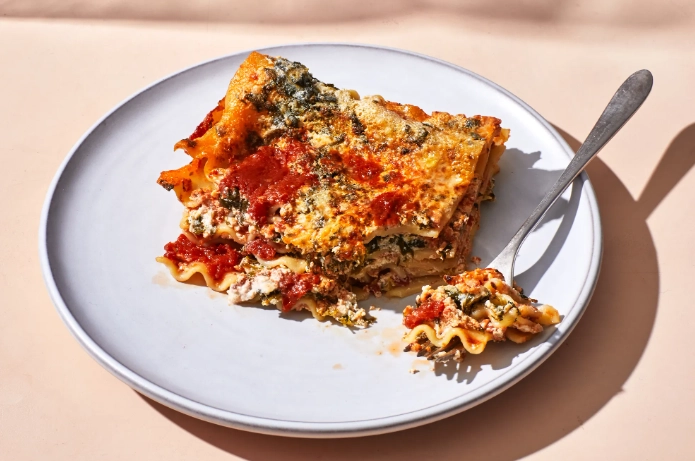
Exploring these classic Italian vegetable dishes is more than learning recipes. It's understanding a philosophy where the ingredient itself is the star. It's about patience, seasonality, and transforming simple things into something extraordinary. Start with a Peperonata or a batch of grilled vegetables. Taste the difference the right technique makes. Then maybe tackle a Parmigiana. Your kitchen will smell like an Italian grandmother's, and honestly, there's no higher compliment.
Related Articles
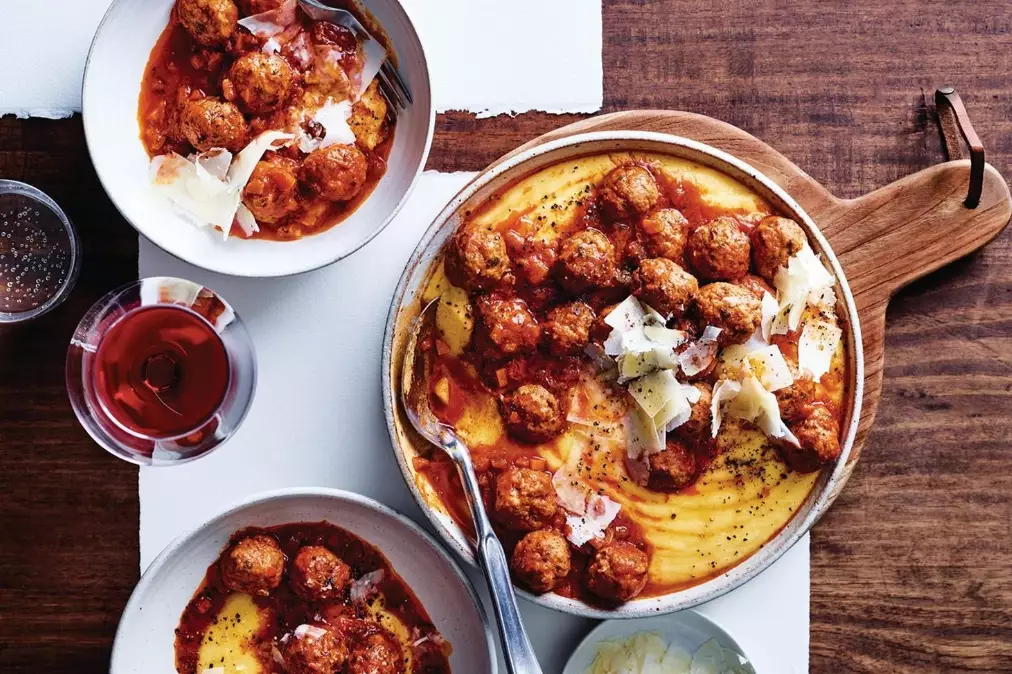
Authentic Italian Recipes: Secrets from a Roman Kitchen
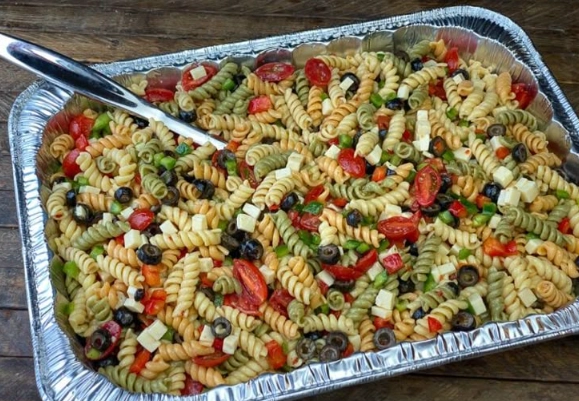
Traditional Italian Salads for a Crowd: Easy, Make-Ahead Recipes
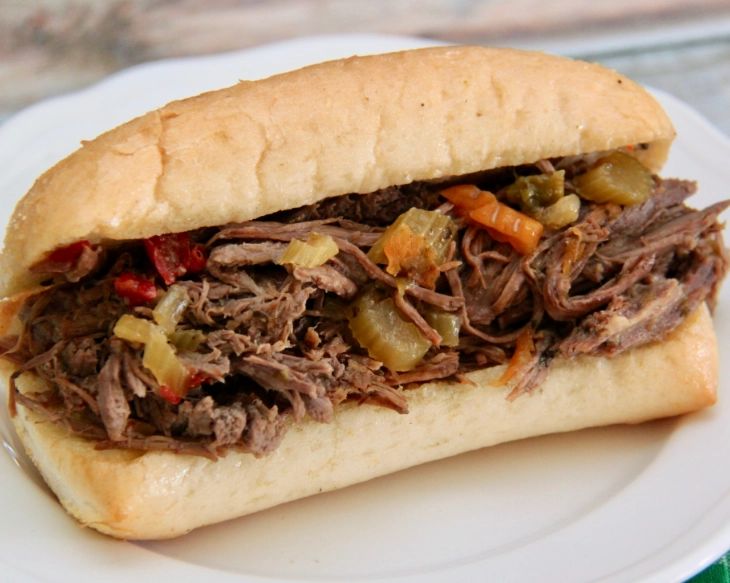
The Ultimate Guide to Cooking Tender Italian Beef at Home
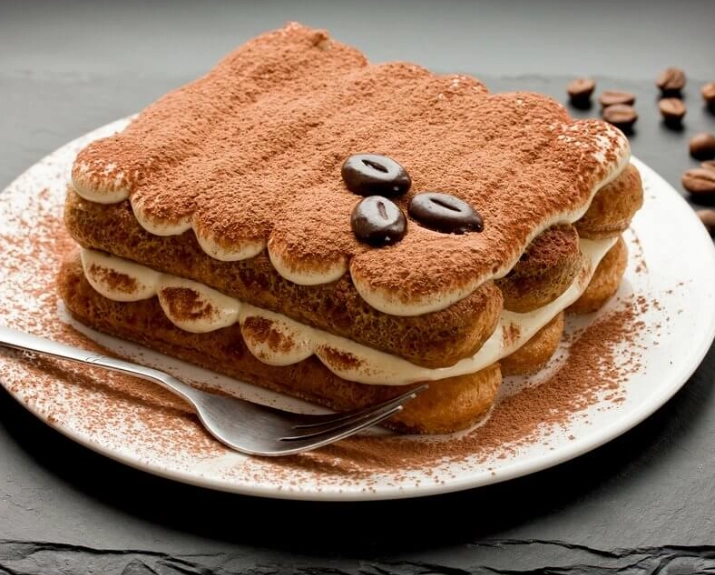
Top 10 Italian Desserts: A Sweet Journey Through Italy

Unique Italian Cocktails: Beyond the Aperol Spritz