Vegetarian Food Guide: What to Eat in Italy
I remember my first trip to Italy as a new vegetarian. The anxiety was real. Visions of disappointed chefs and plates of plain spaghetti with tomato sauce haunted me. I was wrong. Italy, with its deep regional traditions and "cucina povera" (peasant cooking) roots, is a treasure trove for vegetarians. The secret isn't finding special "vegetarian restaurants" everywhere—it's knowing how to navigate the incredible world of food that's already there.
Forget the clichés. Let's talk about what you can actually eat.
Your Vegetarian Italy Cheat Sheet
Essential Vegetarian Dishes You Must Try
Start with the classics that are naturally meat-free. These are your anchors on any menu.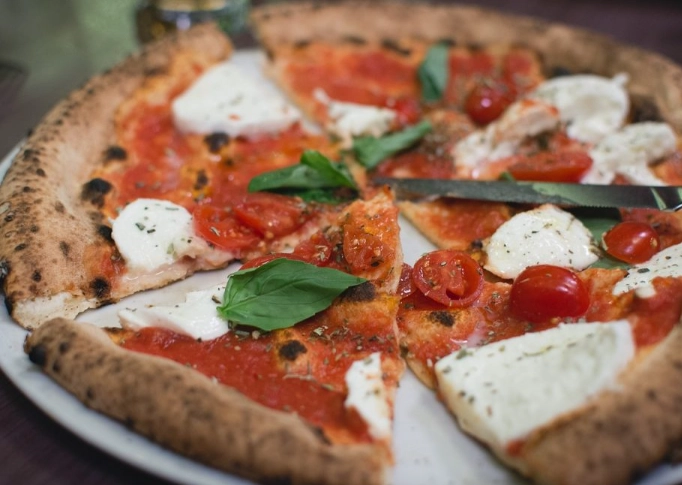
Pasta & Rice, The Right Way
Pasta alla Norma: Sicily's gift. Short pasta (like rigatoni) with a rich tomato sauce, fried eggplant, ricotta salata (a salty, aged sheep's milk cheese—check if vegetarian), and basil. If avoiding rennet, ask for it without cheese; the eggplant and tomato combo is stellar alone.
Pasta e Fagioli: This isn't just soup. It's a thick, hearty paste of beans and pasta, often with a base of "soffritto" (onion, carrot, celery). Comfort in a bowl. Confirm no pancetta is used in the base.
Pesto alla Genovese: From Liguria. Fresh basil, pine nuts, garlic, Parmigiano-Reggiano, and Pecorino (both use animal rennet), and olive oil. You can request it "senza formaggio" (without cheese). The basil-forward flavor is still incredible.
Risotto: Your best friend. Look for "Risotto ai Funghi" (with wild mushrooms), "Risotto alla Zucca" (with pumpkin), or "Risotto agli Asparagi" (with asparagus). The base is usually a vegetable broth. Always double-check.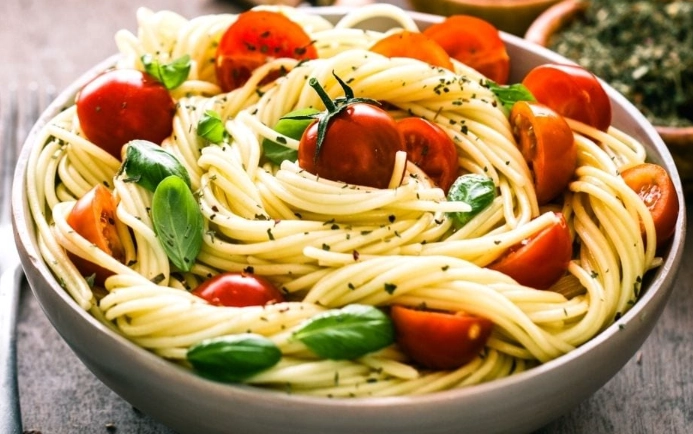
Pro Tip from a Local: In Rome, don't ask for "Spaghetti Pomodoro." It's considered childish. Instead, try "Spaghetti aglio, olio e peperoncino" (garlic, oil, chili). It's simple, vegan, and Romans eat it at 2 AM after a night out. It's the real deal.
Pizza That Won't Disappoint
Move beyond Margherita (tomato, mozzarella, basil).
Marinara: The original. Tomato, garlic, oregano, olive oil. No cheese. It's all about the quality of the ingredients and the char on the crust. A perfect test of a pizzeria's skill.
Ortolana: Literally "greengrocer's style." Loaded with grilled vegetables like zucchini, eggplant, and peppers. You can ask for it "senza mozzarella" if you want it lighter.
Pizza al Taglio (by the slice): In Rome, look for slices with "patate" (potatoes and rosemary), "zucchine" (zucchini), or "pomodoro secco" (sun-dried tomatoes).
Antipasti & Contorni (Starters & Sides) - The Secret Weapon
This section is a vegetarian goldmine and often where the most seasonal, local produce shines.
Verdure Grigliate: A plate of mixed grilled seasonal vegetables—peppers, zucchini, eggplant, radicchio. Drizzled with local olive oil.
Caponata: A Sicilian sweet-and-sour eggplant stew with celery, capers, and olives. It's a flavor explosion.
Bruschetta & Crostini: Toasted bread topped with classics like tomato & basil, or cannellini bean spread.
Insalata Caprese: The tricolor flag on a plate: fresh mozzarella, tomato, basil. Check the mozzarella type if you're strict.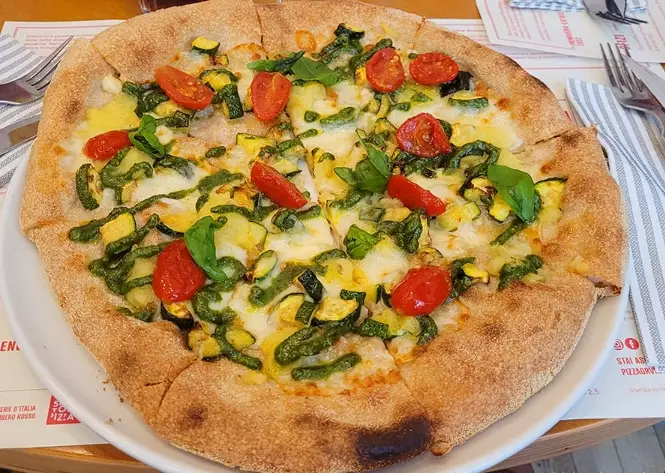
Where to Eat: Restaurant Picks & How to Order
Here are a few specific spots across Italy that get it right, from experience.
Flower Burger (Milan, Rome, Florence, etc.)
Address: Multiple locations; check their website. Milan's Via Felice Casati spot is a vibe.
Why it's great: This is a plant-based burger chain that feels nothing like a chain. Brightly colored buns, creative patties (like chickpea and seitan), and killer fries. It's fun, filling, and 100% vegan. Perfect for a quick, satisfying lunch that isn't Italian but you'll crave anyway.
Price: €12-€16 for a burger & fries.
Hours: Typically 12:00 PM - 11:00 PM.
Ristorante Il Vegetariano (Florence)
Address: Via delle Ruote, 30/r, 50129 Firenze FI.
Why it's great: An institution. It's a pay-at-the-counter, cafeteria-style place with a daily-changing spread of hearty, home-style Italian vegetarian dishes. Think lentil stews, savory tarts, grain salads, and amazing desserts. No fuss, just great food. The tiramisù is legendary.
Price: Incredible value. A full plate costs around €10-€12.
Hours: Lunch and dinner, closed Monday evenings.
How to order in a traditional trattoria: Be confident and polite. Say "Siamo vegetariani" (We are vegetarians). Then ask: "Cosa ci consiglia di vegetariano?" (What do you recommend that's vegetarian?). This opens a dialogue. They might suggest a pasta dish without pancetta, or highlight the daily vegetable side. It works better than just scanning the menu in silence.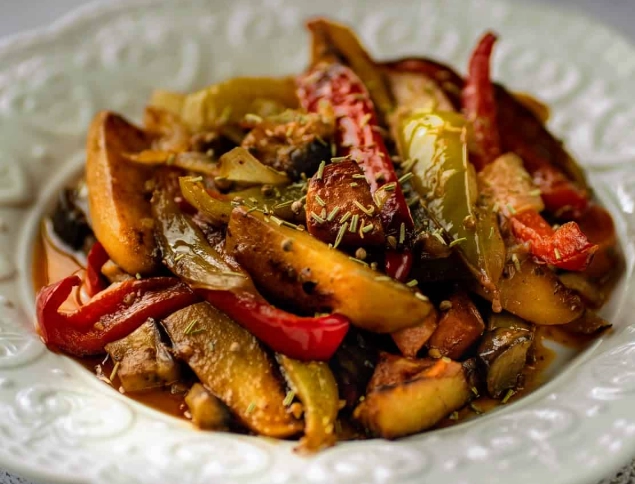
Navigating Menus & Avoiding Hidden Animal Products
This is the crucial part most guides gloss over.
Brodo (Broth): Pasta and risotto are often cooked in or finished with chicken, beef, or fish broth. Ask: "Il risotto/pasta è cotto in brodo vegetale?" (Is the risotto/pasta cooked in vegetable broth?).
Lardo & Strutto: Lard (pig fat) is sometimes used in bread dough, especially in Tuscany for "schiacciata," or in certain biscuits. "Strutto" is also used in some pastries. It's rare, but it happens. Asking "È fatto con strutto?" puts your mind at ease.
Cheese Rennet (Caglio): Most traditional Italian hard cheeses (Parmigiano-Reggiano, Pecorino Romano, Grana Padano) use animal rennet. Soft, fresh cheeses like mozzarella, ricotta, and some burrata often use vegetable rennet, but you must ask. The phrase is: "Usa caglio vegetale o animale?" (Do you use vegetable or animal rennet?).
Fish in "Vegetarian" Dishes: I've seen "spaghetti alle vongole" (clams) listed under "contorni" because it's not meat. Be clear: "Niente carne e niente pesce, per favore" (No meat and no fish, please).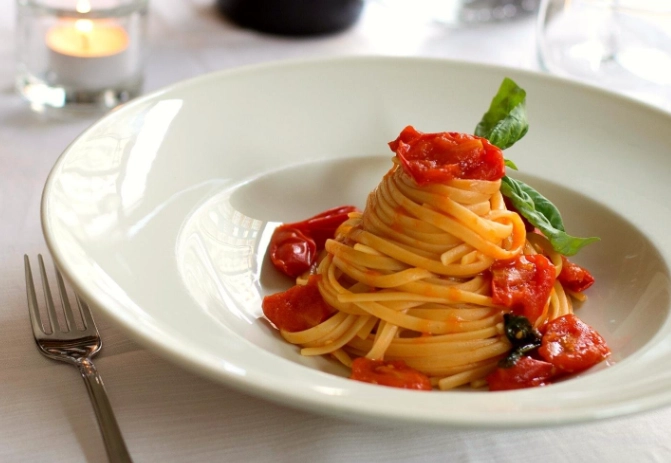
Beyond the Mainland: Regional Gems
Italy's regions have unique vegetarian specialties born from necessity.
Puglia: The land of olive oil and vegetables. Try "orecchiette con cime di rapa" (ear-shaped pasta with bitter broccoli rabe). "Fave e cicoria" is a humble, incredible puree of fava beans with bitter chicory.
Sicily: Besides Caponata and Pasta alla Norma, look for "arancini" (fried rice balls). Many fillings are vegetarian, like "al burro" (with béchamel and ham—avoid) or "al ragù" (meat—avoid). Seek out "arancini al pistacchio" or "agli spinaci" (with pistachio or spinach).
Trentino-Alto Adige: In the German-speaking north, you'll find "canederli" (bread dumplings). While often in broth, you can find spinach or cheese versions served with butter and sage.
Your Burning Questions Answered
So, what's the final takeaway? Eating vegetarian in Italy isn't about limitation. It's an invitation to explore the deep, vegetable-loving soul of Italian cooking. Skip the tourist traps, learn a few key phrases, and focus on the antipasti, contorni, and regional specialties. You might just eat better than you ever have before.
Trust me, after that first perfect plate of pasta alla Norma in a tiny Sicilian alleyway, you'll forget you were ever worried.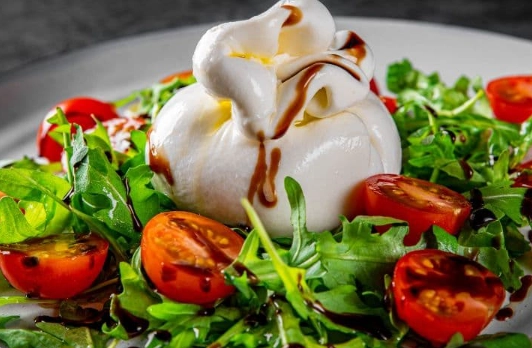
Related Articles
Traditional Italian Salads for a Crowd: Easy, Make-Ahead Recipes
Italian Vinaigrette vs Italian Dressing: The Real Difference Explained
Authentic Italian Pizza Dough Recipe: A Step-by-Step Guide
Ultimate Baked Italian Meatballs Recipe: Juicy, Tender & Flavorful
Simple Italian Regional Recipes: Authentic Dishes Made Easy