Best Vegetarian Italian Dishes: Recipes & Cooking Tips
What You'll Find in This Guide
So, you're asking what a good vegetarian Italian dish is. Let me cut to the chase: it's not just about skipping meat. It's about celebrating vegetables, cheese, pasta, and bold flavors that make Italian food iconic. I've been cooking vegetarian Italian for years, and I've seen everything from soggy eggplant parmesan to lifeless pasta primavera. This guide will show you the real deal—dishes that even meat-lovers crave.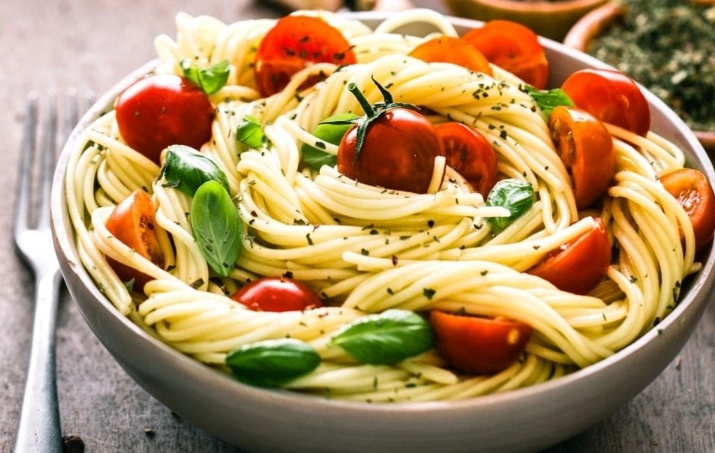
Think about it. Italian cuisine has a rich tradition of meatless meals, from peasant soups to fancy risottos. But many people get stuck with boring salads or heavy cheese overload. We'll fix that.
Why Vegetarian Italian Cuisine is a Game-Changer
Italian food without meat? It's more common than you think. Historically, many regions relied on beans, grains, and seasonal veggies. Take cucina povera—the "poor kitchen"—where dishes like ribollita (a Tuscan bread soup) shine. It's hearty, cheap, and packed with flavor.
I remember visiting a small trattoria in Florence. The owner served me a simple plate of pasta with fresh tomatoes and basil. No meat, just quality ingredients. That's the secret: focus on what's fresh.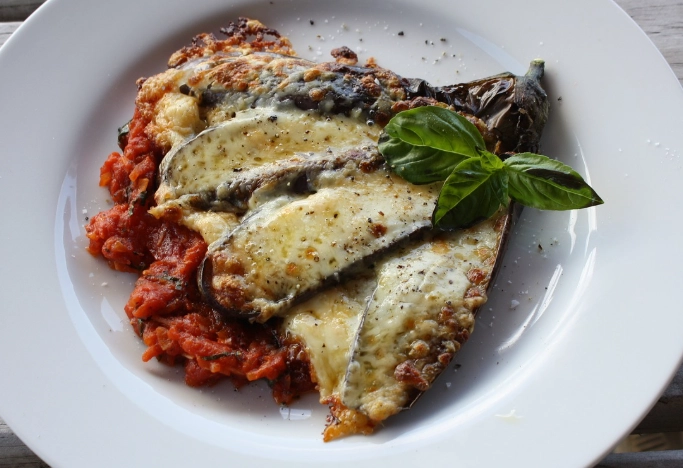
Vegetarian Italian dishes are versatile. They can be quick weeknight dinners or elaborate weekend feasts. Plus, they're often healthier, but let's be real—it's all about taste. Who doesn't love a gooey slice of margherita pizza?
Top Vegetarian Italian Dishes with Recipes
Here are five must-try dishes. I've included recipes that work, based on my own kitchen trials and errors.
1. Eggplant Parmesan: A Classic Comfort Food
This is the king of vegetarian Italian dishes. But here's a tip most recipes miss: salt the eggplant slices and let them sweat for 30 minutes. Rinse and pat dry. It removes bitterness and prevents sogginess. I learned this the hard way after a disastrous dinner party.
Quick Recipe: Slice 2 eggplants, salt, and drain. Dip in flour, then beaten egg, then breadcrumbs mixed with Parmesan. Fry until golden. Layer in a baking dish with marinara sauce and mozzarella. Bake at 375°F for 25 minutes. Serve with a side salad.
For marinara, use canned San Marzano tomatoes—they're less acidic. Some brands like Cento are reliable, but check for DOP certification for authenticity.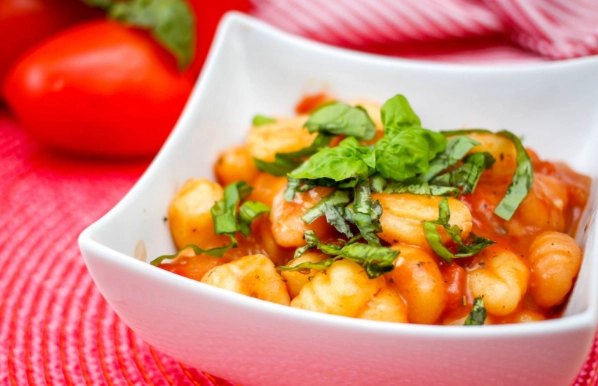
2. Pasta Primavera: Fresh and Vibrant
Primavera means "spring," so use seasonal veggies. Common mistake: overcooking the vegetables. Sauté them briefly to keep crunch.
Quick Recipe: Cook 1 lb pasta (like fettuccine). In a pan, sauté chopped asparagus, bell peppers, and cherry tomatoes in olive oil with garlic. Toss with pasta, a splash of pasta water, lemon zest, and fresh basil. Top with grated Pecorino Romano.
If you're in a rush, frozen peas and carrots work, but fresh is better. I often add toasted pine nuts for extra texture.
3. Risotto ai Funghi: Creamy and Earthy
Risotto seems fancy, but it's just rice stirred patiently. Use Arborio rice and mushroom broth. Porcini mushrooms are ideal, but cremini work too. Soak dried mushrooms in hot water for 20 minutes, then use that liquid as broth.
The key is to add broth gradually and stir constantly. Don't walk away—I've burned a pot once because I got distracted by a phone call.
4. Margherita Pizza: Simple Perfection
Good pizza starts with the dough. Make it yourself or buy pre-made from a local Italian market. For toppings, less is more: tomato sauce, fresh mozzarella, basil, and a drizzle of olive oil.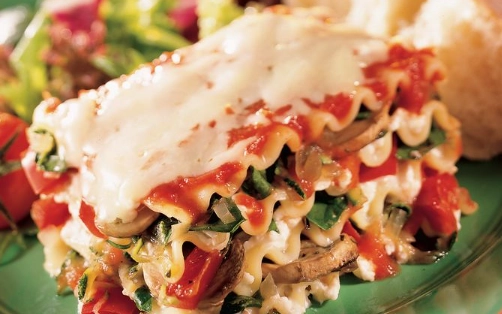
Bake on a preheated pizza stone at 500°F for 10-12 minutes. If you don't have a stone, a baking sheet upside down works in a pinch.
5. Caponata: A Sicilian Staple
This sweet-and-sour eggplant stew is often overlooked. It's great as a side or on crusty bread. The trick is to balance vinegar and sugar. I like adding capers and olives for a salty kick.
Serve it cold or at room temperature. It gets better after a day in the fridge.
How to Cook Authentic Vegetarian Italian Meals at Home
Cooking Italian isn't about fancy tools. It's about technique and ingredients. Let's break it down.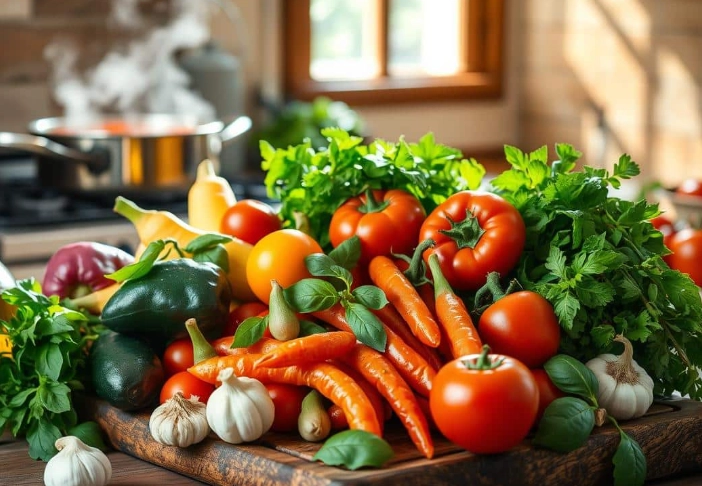
Ingredients Matter: Use extra virgin olive oil from Italy—look for harvest dates on the bottle. Fresh herbs beat dried ones, but if you must use dried, add them early in cooking. Cheese? Parmigiano-Reggiano is worth the splurge. For vegan options, nutritional yeast can mimic cheese flavor, but it's not the same.
Tools You Need: A good chef's knife, a large skillet, and a pot for pasta. That's it. I've seen people buy expensive gadgets, but a simple grater for cheese does the job.
Here's a table comparing common vegetarian proteins in Italian cooking:
| Protein Source | Best Used In | Tips |
|---|---|---|
| Lentils | Soups, pasta sauces | Cook until tender but not mushy; add to tomato-based sauces. |
| Cannellini Beans | Salads, stews | Rinse canned beans to reduce sodium; mash for spreads. |
| Tofu | "Ricotta" for stuffed pasta | Crumble firm tofu, mix with lemon juice and herbs; bake for texture. |
| Nuts (Pine nuts, Walnuts) | Pesto, toppings | Toast lightly for depth; avoid burning—they go from golden to bitter fast. |
Timing is Everything: Cook pasta al dente—it should have a bite. Reserve a cup of pasta water to thicken sauces. For vegetables, sauté on high heat briefly to lock in flavor.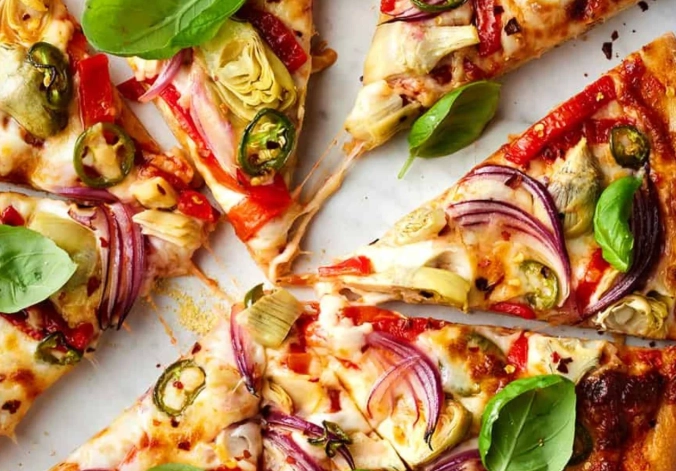
I once made a ratatouille where I threw everything in at once. It turned into a mushy stew. Now, I cook each vegetable separately, then combine. Takes more time, but the texture is worth it.
Common Mistakes to Avoid in Vegetarian Italian Cooking
We all mess up. Here are pitfalls I've seen and how to dodge them.
Overcheesing: Too much cheese can make dishes greasy and heavy. In eggplant parmesan, a thin layer of mozzarella is enough. For pasta, grate cheese over at the end, not during cooking.
Underseasoning: Vegetables need salt. Taste as you go. But avoid oversalting—canned tomatoes and cheese already have salt. I use kosher salt for better control.
Using Low-Quality Olive Oil: Cheap oil can taste rancid. Invest in a good bottle for finishing dishes. Cook with a milder oil if needed.
Ignoring Texture: Italian food is about balance. Add crunch with breadcrumbs or nuts. For creamy dishes like risotto, stir vigorously to release starch.
A friend once served me a vegetarian lasagna that was all mush. Turns out, she didn't drain the spinach. Lesson learned: always squeeze excess water from veggies.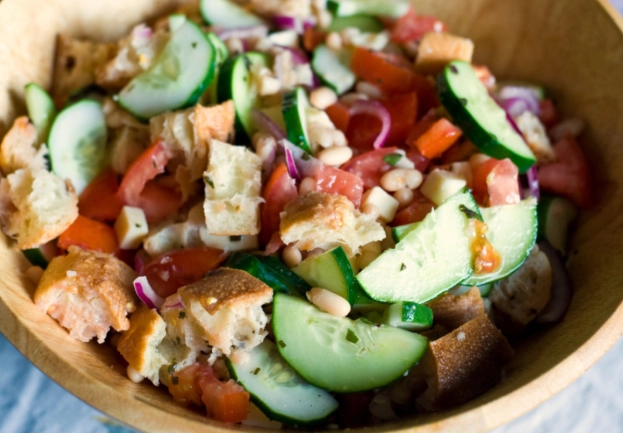
FAQ: Your Questions Answered
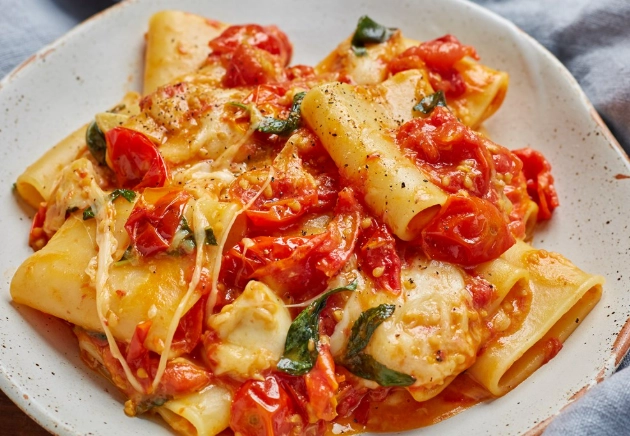
That wraps it up. Vegetarian Italian cooking is more than just leaving out meat—it's a celebration of flavor and tradition. Start with one dish, master it, and explore from there. Buon appetito!
Related Articles
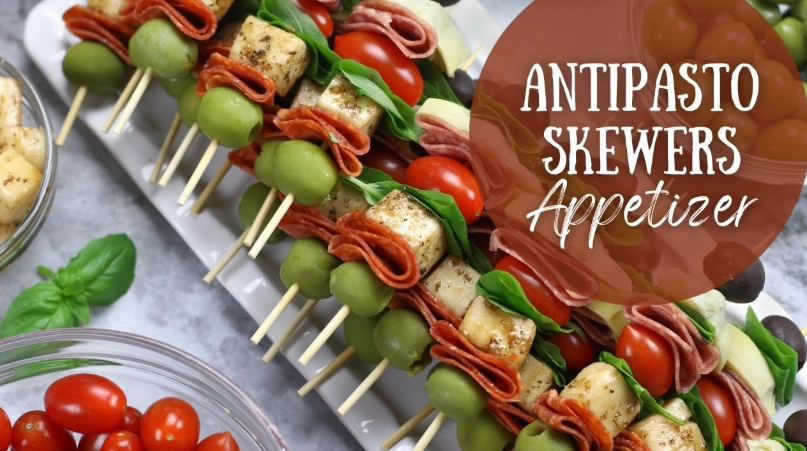
Make-Ahead Italian Appetizers: Stress-Free Recipes & Tips for Any Gathering
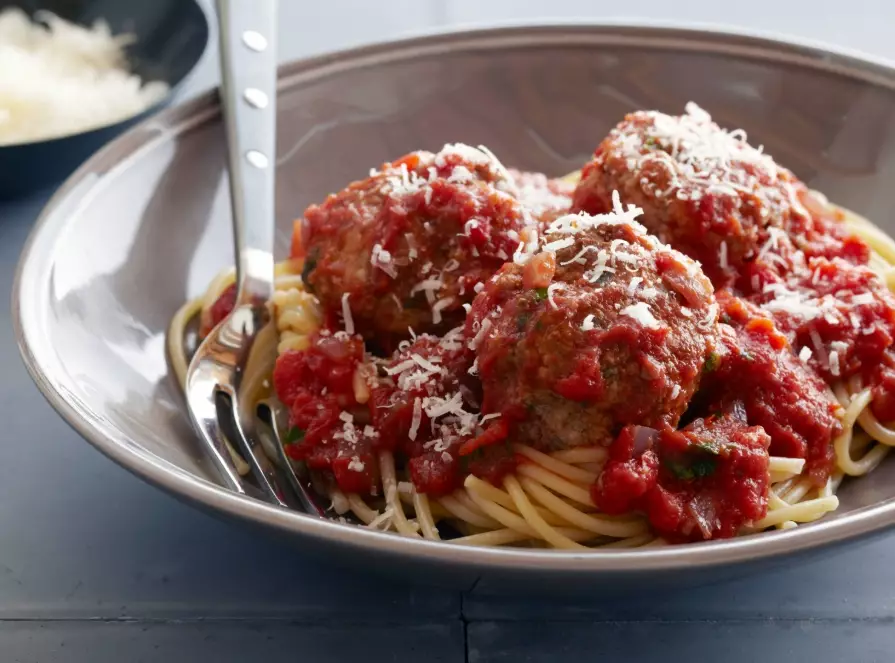
The Ultimate Guide to Authentic Italian Meatballs: A Family Recipe
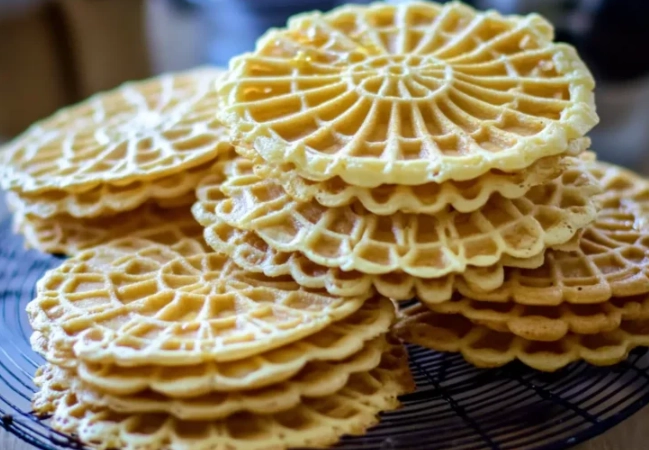
Easy Original Pizzelle Recipe: Classic Italian Waffle Cookies
The Ultimate Authentic Italian Hoagie Recipe: Make the Classic Philly Sandwich at Home
Quick Italian Starters: 10 Easy Recipes Ready in 30 Minutes
