Authentic Italian Vegetarian Appetizers: Recipes, Tips & Menus
Quick Navigation
- The Heart of the Matter: Understanding Antipasti
- Classic Italian Vegetarian Appetizers You Absolutely Must Know
- Beyond the Classics: Modern & Regional Twists
- Building the Perfect Vegetarian Antipasto Platter
- Navigating an Italian Restaurant Menu
- Frequently Asked Questions About Italian Vegetarian Appetizers
- Final Thoughts: It's All About the Spirit
Let's be honest. When you think of Italian food, your mind might jump to pepperoni pizza or a giant plate of spaghetti and meatballs. But if you're vegetarian or just trying to eat more plants, you might wonder if there's anything for you beyond a basic marinara sauce.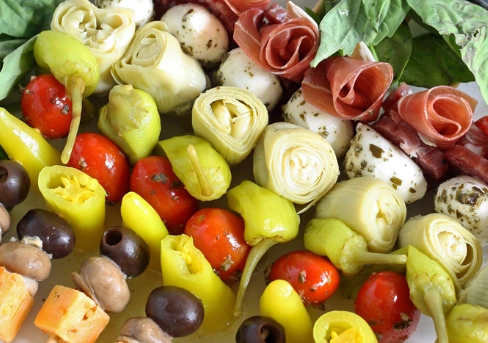
Good news. Italian cuisine has a deep, rich tradition of vegetarian starters that are anything but an afterthought. We're talking about vibrant, flavorful dishes that are often the highlight of the meal. I remember traveling through Puglia and being blown away by a simple plate of marinated olives and focaccia – it was a meal in itself.
This guide is for anyone who loves Italian food but wants to explore the meatless side of things. Whether you're hosting a dinner party, looking for a quick snack, or trying to navigate an Italian restaurant menu, understanding Italian vegetarian appetizers is your key to a fantastic meal.
What makes a great Italian vegetarian appetizer? It's not just about removing the meat. It's about celebrating seasonal vegetables, high-quality olive oil, fresh herbs, and cheeses. It's about texture contrasts – something creamy next to something crunchy. Most of all, it's about waking up your appetite, not filling you up before the main event.
The Heart of the Matter: Understanding Antipasti
First things first. In Italy, appetizers are called antipasti (singular: antipasto), which literally means "before the meal." This isn't just a course; it's a philosophy. The goal is to stimulate the palate and set the tone for what's to come.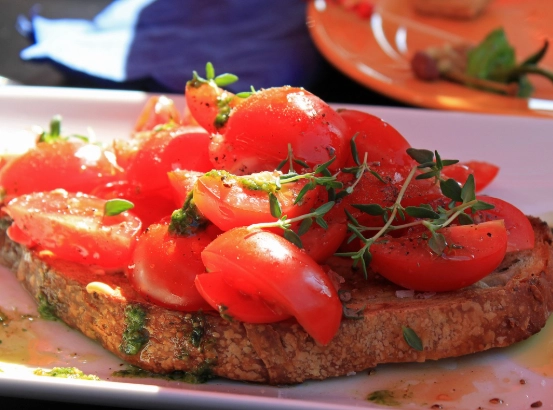
You'll find that many classic Italian vegetarian appetizers are incredibly simple. They rely on the quality of a few ingredients rather than a long list of complicated steps. A perfectly ripe tomato, a slice of creamy mozzarella, a drizzle of peppery extra virgin olive oil, and a few basil leaves can be more satisfying than the fanciest gourmet creation.
It's a liberating way to cook, honestly. You don't need to be a master chef.
Pro Tip: The best Italian cooking starts with the best ingredients. For your vegetarian antipasti, splurge on a good bottle of extra virgin olive oil (look for "cold-pressed" or "first cold press") and some sea salt. It makes all the difference.
Classic Italian Vegetarian Appetizers You Absolutely Must Know
Let's dive into the classics. These are the staples you'll see all over Italy, from family kitchens to rustic trattorias. Mastering these gives you a solid foundation.
Bruschetta & Crostini: The Toasty Canvas
People often confuse these two. Think of bruschetta as the bigger, rustic cousin – thick slices of country bread, grilled over coals, and rubbed with garlic. Crostini are smaller, thinner, and more delicate, often toasted in an oven.
Both are just vehicles for delicious toppings. The classic, of course, is the famous Bruschetta al Pomodoro – diced fresh tomatoes, garlic, basil, olive oil, and salt on that charred bread. It's summer on a plate.
But the possibilities are endless for vegetarian versions:
- White Bean & Rosemary: Mashed cannellini beans with lemon zest, fresh rosemary, and a crack of black pepper. So creamy and satisfying.
- Mushroom & Thyme: Sautéed wild mushrooms (like porcini or cremini) with garlic, thyme, and a splash of white wine. Earthy and luxurious.
- Pepperonata: A sweet and tangy stew of slow-cooked bell peppers, onions, and tomatoes. Serve it warm or at room temperature.
I once made a batch of crostini with a simple topping of ricotta, honey, and crushed walnuts for a party. They disappeared in minutes. Sometimes the simplest Italian vegetarian appetizers are the biggest hits.
Caprese Salad: Simplicity Perfected
Insalata Caprese. It's iconic for a reason. Slices of ripe, red tomato, fresh mozzarella (preferably mozzarella di bufala, or buffalo mozzarella), fresh basil leaves, a drizzle of olive oil, and a sprinkle of salt.
That's it. No fancy dressings, no balsamic glaze (though a drop of aged balsamic modena can be nice, purists might frown). The magic is in the harmony. The juicy tomato, the milky, soft cheese, the fragrant basil, the rich oil.
A Quick Note for Vegans: Traditional Caprese is off-limits due to the cheese. But you can create a stunning alternative with thick slices of ripe tomato, creamy avocado, basil, and a rich, nut-based "mozzarella" or even some marinated tofu. It won't be the same, but it can be delicious in its own right.
Fried Vegetables (Fritto Misto di Verdure)
Okay, not the healthiest option, but let's be real – sometimes you just want something crispy and fried. Italian fritto misto (mixed fry) is a world away from greasy bar food. The batter is often a light, sparkling water or beer batter that puffs up into a delicate, airy crunch.
Common veggies include zucchini blossoms (a true delicacy), artichoke hearts, eggplant strips, and sage leaves. Yes, fried sage leaves – they're incredible.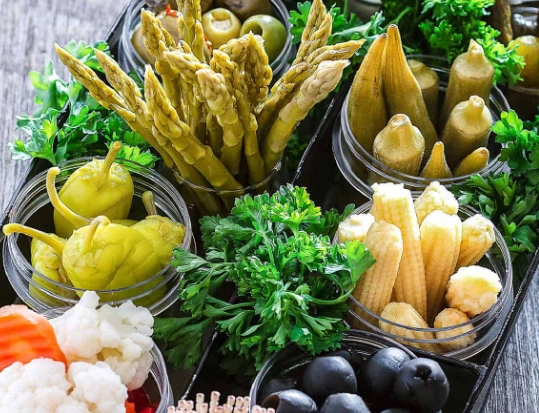
The key is hot oil and serving them immediately with just a squeeze of lemon. They shouldn't feel oily at all. This is one of those vegetarian Italian appetizers that feels like a real treat.
Marinated & Preserved Vegetables (Sott'oli & Sott'aceti)
This is where Italian nonnas show their skills. Preserving summer's bounty to enjoy year-round. A platter of marinated vegetables is a cornerstone of any antipasto spread.
You'll find:
- Artichokes in Oil (Carciofi Sott'Olio): Tender, savory, and incredibly versatile.
- Sun-Dried Tomatoes (Pomodori Secchi): Intensely sweet and tangy, packed in oil.
- Grilled & Marinated Peppers (Peperoni Arrostiti): Smoky, sweet, and soft.
- Mixed Pickled Vegetables (Giardiniera): Cauliflower, carrots, celery, peppers in a vinegar brine. The perfect tangy, crunchy counterpoint.
You can easily make these at home, but quality store-bought versions are a fantastic pantry staple for throwing together an impressive plate in minutes. Just arrange them on a platter with some good bread.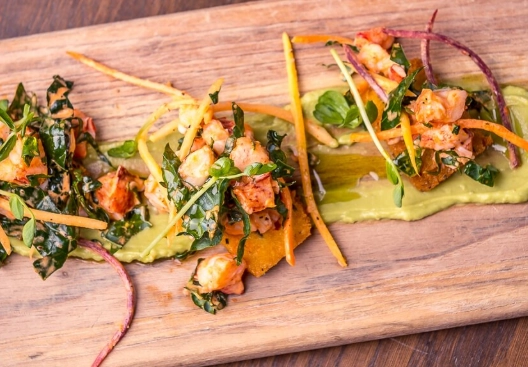
Beyond the Classics: Modern & Regional Twists
Italian cuisine is alive and evolving. Chefs and home cooks are putting new spins on old ideas, and regional specialties offer a treasure trove of inspiration.
Stuffed Vegetables (Verdure Ripiene)
Why have a plain vegetable when you can stuff it with something delicious? This is a fantastic way to create a more substantial appetizer.
- Stuffed Mushrooms (Funghi Ripieni): Large cremini or portobello caps filled with a mix of breadcrumbs, garlic, parsley, pine nuts, and cheese, then baked until golden.
- Stuffed Zucchini Flowers (Fiori di Zucca Ripieni): Often stuffed with ricotta and herbs, then lightly battered and fried. Pure heaven.
- Eggplant Rolls (Involtini di Melanzane): Thinly grilled slices of eggplant rolled around a filling of ricotta, spinach, and Parmesan.
These dishes feel special and are great for a dinner party. They do take a bit more effort, but the "wow" factor is worth it.
Cheese-Based Antipasti
Italy's cheese repertoire is vast, and many cheeses are naturally vegetarian (always check for rennet type if you're strict – many use animal rennet). A simple cheese board can be an appetizer in itself.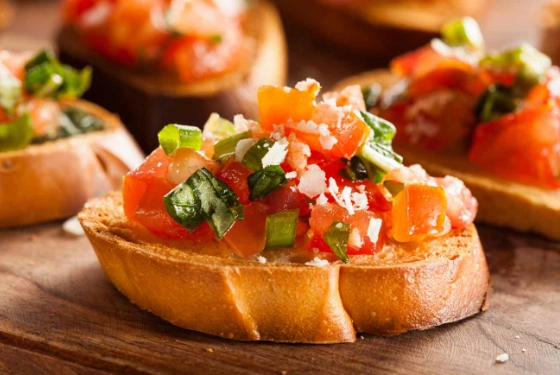
Go beyond just slicing it. Try:
- Burrata: The king of creamy cheeses. Cut open the pouch and let the rich, buttery stracciatella spill out. Serve with cherry tomatoes, arugula, and crusty bread. It's almost unfair how good this is.
- Baked Ricotta: Mix fresh ricotta with herbs, lemon zest, and pepper, bake it in a dish until set and slightly golden on top. Spread it warm on bread. Simple, warm, comforting.
- Marinated Mozzarella Balls (Bocconcini): Take small mozzarella balls and marinate them in olive oil with chili flakes, herbs, and lemon zest. They become flavor bombs.
For accurate information on traditional Italian cheeses and their production, resources like Eataly's cheese guide or the official Qualivita foundation (which protects Italian DOP/IGP products) are invaluable for understanding what makes each cheese unique.
Building the Perfect Vegetarian Antipasto Platter
Now, how do you put this all together? Creating a stunning platter is about balance, color, and variety. Here's a foolproof blueprint.
| Component | Purpose | Examples for Your Platter |
|---|---|---|
| The Base/Vehicle | Something to carry the flavors. | Grilled bread slices (bruschetta), breadsticks (grissini), plain focaccia squares, crispbreads. |
| Something Creamy | Provides richness and contrast. | A bowl of marinated olives, a wedge of aged Pecorino, a dollop of fresh ricotta, a small bowl of white bean puree. |
| Something Crunchy | Adds texture and freshness. | Raw radishes, celery sticks, pickled vegetables (giardiniera), toasted nuts (almonds, walnuts). |
| Something Bright & Tangy | Cuts through the richness. | Sun-dried tomatoes, marinated artichoke hearts, pepperonata, a small dish of mostarda (fruit mustard). |
| The "Wow" Factor | One special item that stands out. | Burrata cheese with pesto, stuffed zucchini flowers, a beautiful Caprese salad on a skewer. |
Arrange everything on a large board or platter. Don't overcrowd it. Let the colors and textures shine. Add little bowls for dips or olives. Scatter some fresh herb sprigs (like rosemary or basil) around for decoration.
Navigating an Italian Restaurant Menu
So you're at an Italian restaurant. What do you look for? Here's a quick decoder.
Under Antipasti, scan for these keywords:
- Verdure: Means vegetables. Verdure Grigliate (grilled vegetables) is a safe bet.
- Fritto/Fritti: Fried. Fritto Misto di Verdure is your mixed fried veggies.
- Bruschetta/Crostini: Usually listed with their topping. Most are vegetarian.
- Caprese: The tomato-mozzarella salad.
- Funghi: Mushrooms. Often served grilled or in a sauce.
- Melanzane: Eggplant. Look for Melanzane alla Parmigiana (though sometimes this has ham, so ask).
Don't be shy to ask questions. "È vegetariano?" (Is it vegetarian?) is a perfectly reasonable question. Specify if you don't eat fish (senza pesce) or if you're vegan (vegano). Most servers are happy to help.
Frequently Asked Questions About Italian Vegetarian Appetizers
Let's tackle some common head-scratchers.
Are most Italian appetizers vegetarian?
Many are, or can be easily adapted. The foundation of Italian antipasti is bread, vegetables, cheese, and olive oil. However, watch out for hidden animal products. Things like lardo (cured pork fat) on crostini, anchovy paste in some dips, or meat-based broths used in vegetable preparations. Always ask if you're unsure.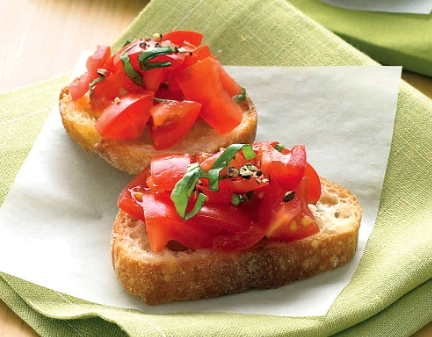
What's a good wine pairing for vegetarian antipasti?
You want something that complements without overpowering. For a general platter, a crisp, dry white like a Pinot Grigio or a Vermentino is fantastic. For tomato-based dishes like bruschetta, a lighter red like a Chianti or a Barbera can work well. With creamy cheeses like burrata, a slightly sparkling Prosecco cuts through the richness beautifully. The Italian Wine Central website is a deep, reliable resource if you want to geek out on regional pairings.
I'm vegan. What are my best options?
It requires a bit more scrutiny, but you have great choices. Focus on:
- Bruschetta al Pomodoro (ensure no butter on the bread).
- Grilled or Roasted Vegetables (Verdure Grigliate/Al Forno).
- Marinated Olives and Artichokes.
- White Bean Dip (without cheese).
- Focaccia (check it's made without milk or butter).
- Pickled Vegetables (Giardiniera).
Many traditional vegetable dishes are accidentally vegan. Just be clear about your needs.
Can I make these ahead of time?
Absolutely! In fact, many Italian vegetarian appetizers taste better at room temperature or after the flavors have mingled. You can prep almost everything a few hours ahead:
- Chop tomato bruschetta topping (drain excess liquid before serving).
- Marinate cheeses and vegetables.
- Make dips and spreads.
- Roast or grill vegetables.
Assemble bruschetta/crostini just before serving so the bread stays crisp. Fry anything right before you eat it.
Final Thoughts: It's All About the Spirit
Exploring the world of Italian vegetarian appetizers isn't about following rules rigidly. It's about embracing a way of eating that's generous, seasonal, and focused on quality.
Start with one classic recipe. Master a perfect bruschetta. Then, maybe try your hand at marinating some mozzarella. Build up your repertoire slowly. Your confidence will grow, and so will the smiles around your table.
The beauty of these dishes is their flexibility. Use what you have. Swap out herbs. Try a different bean. That's how Italian home cooks have always operated. It's how you make these recipes your own.
So go ahead, pour a glass of wine, put some bread in the oven, and start your own antipasto tradition. You might just find that these little plates before the meal become your favorite part.
Related Articles
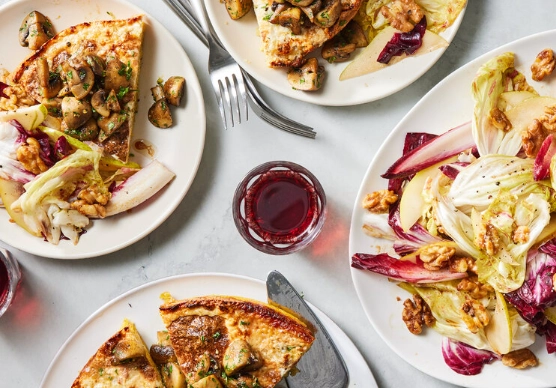
The Ultimate Guide to a 3 Course Vegetarian Italian Meal
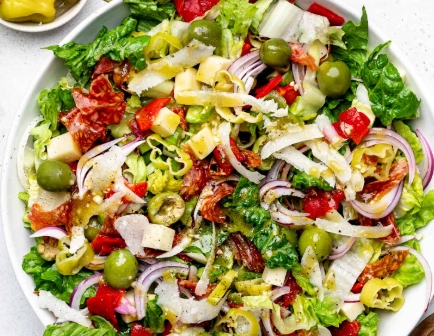
Classic Italian Salad Mix Ingredients & Homemade Recipe
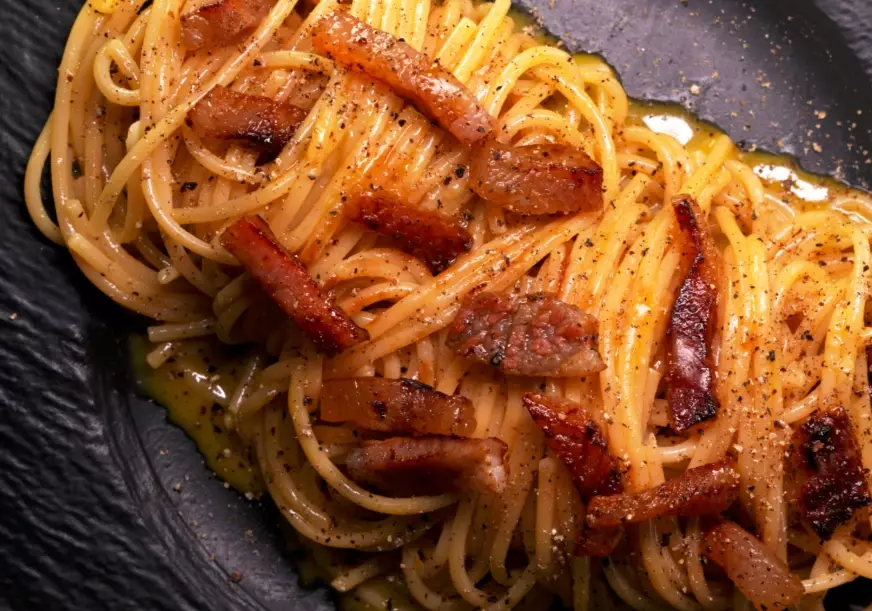
Authentic Carbonara Recipe: The ONLY Way to Make It Right
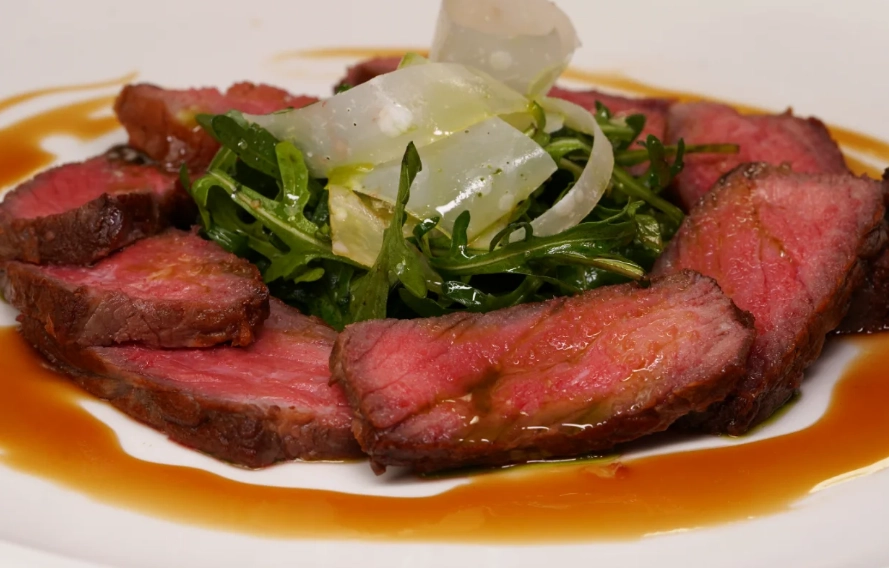
Authentic Italian Steak Recipe: Bistecca alla Fiorentina Guide
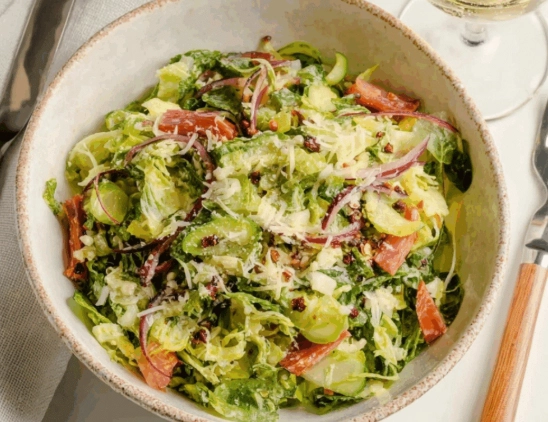
The Famous Chopped Salad Recipe: A Step-by-Step Guide to Perfection