The Ultimate Guide to a 3 Course Vegetarian Italian Meal
Let's be honest. Sometimes "vegetarian Italian" brings to mind a sad plate of plain pasta with jarred sauce. It shouldn't. Italy's regional cuisine is a treasure trove of vegetable-centric dishes bursting with flavor. A proper three-course meal isn't just about food; it's about rhythm, contrast, and celebration.
I learned this the hard way, hosting my first dinner party and serving three heavy pasta dishes in a row. My guests were comatose. The key is balance: a light start, a satisfying middle, a sweet finish.
What's on the Menu?
The Menu Blueprint
This isn't just a random collection of recipes. It's a designed experience. We'll follow the classic Italian structure: Antipasto, Primo, Dolce. No secondo (main meat/fish course) needed, as our primo will be substantial.
Here’s our battle plan for a seamless dinner for four.
| Course | Dish | Key Flavor | Prep Ahead? | Why It Works |
|---|---|---|---|---|
| Antipasti | Classic Tomato & Basil Bruschetta | Fresh, acidic, garlicky | Partial (topping yes, bread no) | Light, no-cook, instantly says "Italy." |
| Primo | Pasta alla Norcina (Mushroom & Sausage) | Earthy, creamy, peppery | Yes (sauce fully) | Deeply satisfying, uses classic soffritto, feels luxurious. |
| Dolce | Simplified Tiramisu | Coffee, creamy, boozy | Must (overnight) | Make-ahead dream, crowd-pleaser, perfect texture contrast. |
This menu balances effort, flavor, and texture. You're not slaving over a hot stove while guests arrive. Most work is done ahead.
Course 1: Antipasti (The Starter)
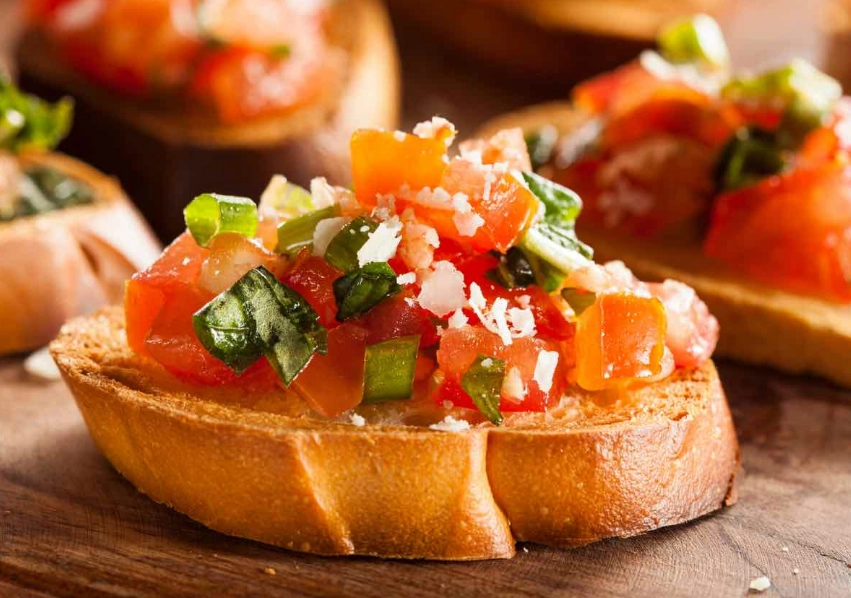
The Star: Classic Bruschetta (not Bru-shet-ta)
First, pronunciation: it's *broo-SKET-ta*. The 'ch' is hard, like in "sketch." Getting this right instantly buys you credibility.
This seems simple. Chopped tomatoes on toast. The devil is in the details, and most home cooks get at least one wrong.
The Common Pitfall: Soggy bread. You toast the bread, pile on wet tomatoes, and within minutes you have a sad, mushy platform. The solution is separation. Prepare the tomato mixture at least 30 minutes ahead. Right before serving, drain off the excess liquid that has pooled at the bottom of the bowl. *Then* spoon it onto the grilled bread. This keeps the crunch.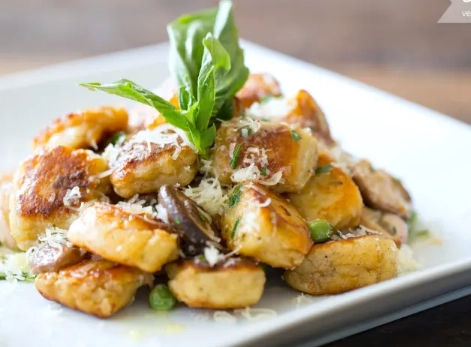
Ingredients & Method: Use ripe Roma or cherry tomatoes. Dice them. Add thinly sliced fresh basil, a small minced garlic clove (or rub the grilled bread with garlic), your best extra virgin olive oil, a pinch of salt, and a tiny drop of balsamic vinegar (optional, controversial in some parts of Italy). Let it marinate.
For the bread, use a rustic loaf like ciabatta or a baguette. Slice it on a slight diagonal for more surface area. Grill or toast until deeply golden and crisp. Drizzle with a little olive oil while still warm.
Assemble at the last second. That's it. It's about quality ingredients, not complexity.
Course 2: Primo (The Pasta)
Pasta alla Norcina – The Vegetarian Showstopper
Traditionally, this Umbrian dish features sausage and cream. Our vegetarian version leverages mushrooms for that deep, savory, almost meaty depth known as "umami." We're using cremini and dried porcini for a flavor bomb.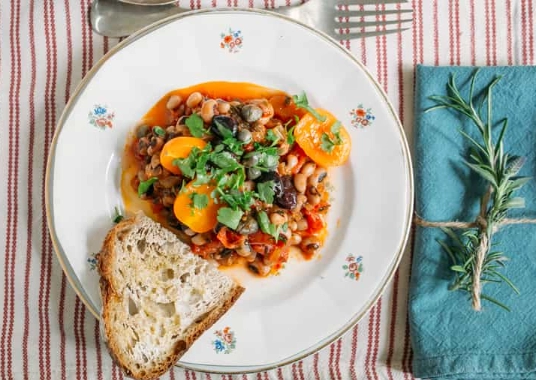
This is where you can lose people. The mistake? Boiling the cream. If you add cream to a searing hot pan, it can split, becoming grainy and oily. The trick is gentle heat.
The Process: 1. Soak a small handful of dried porcini in hot water. Save that liquid—it's liquid gold. 2. Sauté a classic *soffritto*: finely chopped onion, carrot, and celery in olive oil. Low and slow until sweet and soft, not browned. This is the flavor foundation many rush. 3. Brown sliced cremini mushrooms in a separate pan. Get them nice and caramelized. Deglaze with a splash of white wine. 4. Combine the soffritto, mushrooms, and chopped rehydrated porcini. Add the strained porcini broth bit by bit, letting it reduce. 5. Cream time. Turn the heat to low. Stir in heavy cream or a vegetarian alternative like a cashew cream. Do not let it boil. Just warm it through. 6. Finish with a mountain of grated Pecorino Romano (check for vegetarian rennet if needed) and a huge amount of black pepper. Toss with cooked short pasta like rigatoni or pappardelle. The starch from the pasta water will help create a silky, clinging sauce.
It's rich, earthy, and profoundly satisfying. Serve with a simple green salad on the side to cut through the richness.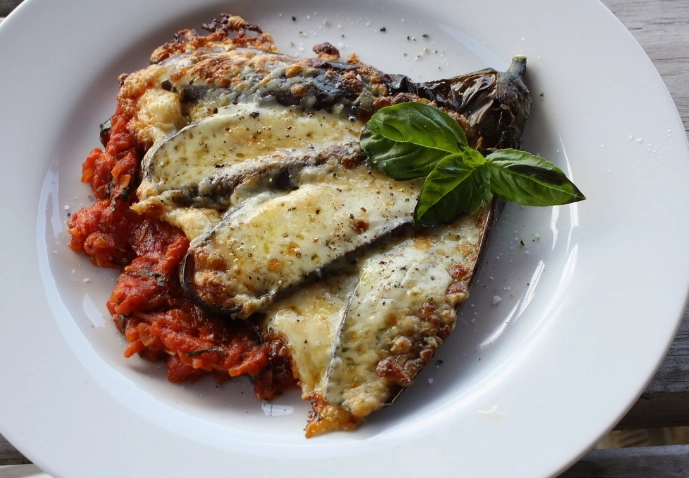
Course 3: Dolce (The Sweet Finish)
Tiramisu – No Raw Eggs, No Fuss
Traditional tiramisu uses raw egg yolks in the mascarpone cream. It's delicious but a concern for some. Our simplified version is foolproof and still utterly decadent. The key is allowing enough time for the flavors to meld and the ladyfingers to soften perfectly.
The Layering Secret: Don't drown the ladyfingers (savoiardi). Dip them quickly—just a second or two per side—into cooled, strong espresso spiked with a little Marsala wine or amaretto. They should be moist but not disintegrating. A soggy bottom layer is a tragedy.
The Assembly: Whip heavy cream to soft peaks. In another bowl, whisk mascarpone, a little sugar, and a splash of your chosen liqueur until smooth. Fold the whipped cream into the mascarpone gently. Now layer: dipped ladyfingers, a thick layer of cream, a dusting of cocoa powder. Repeat. Always finish with cream and a heavy cocoa snowstorm.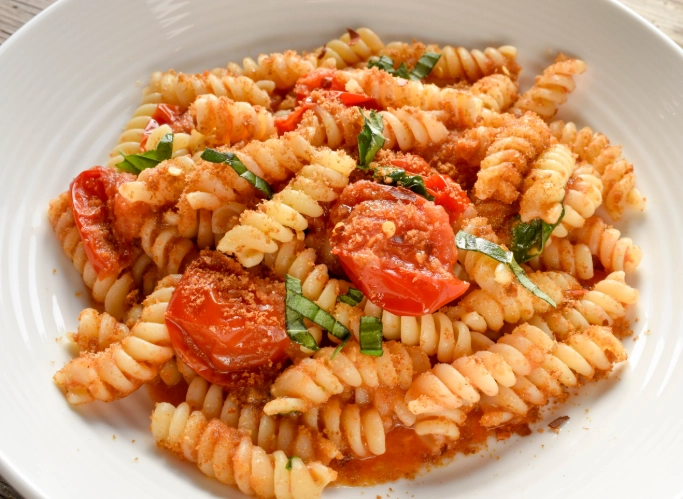
Cover and refrigerate for at least 6 hours, preferably overnight. This is non-negotiable. It transforms from layered components into a cohesive, sublime dessert.
Your Questions, Answered
Putting this together isn't about showing off culinary skills. It's about sharing a rhythm of eating that feels both special and comforting. Start light, dive into something hearty and communal, end with a sweet, shared spoonful. That's the Italian way. Grab your ingredients, pour a glass of wine, and start cooking. Buon appetito!
Related Articles

Breaking through 1.2 billion kilowatts, China has achieved its commitment to win
Authentic Italian Appetiser Recipes for Your Next Gathering

Unique Italian Cocktails: Beyond the Aperol Spritz

Simple Italian Cookie Recipes: 3 Classics You Can Master
Easy Traditional Italian Recipes for Home Cooks