Minestrone Soup Recipe: An Italian Classic Made Simple
Let's get this out of the way first. A great minestrone soup recipe isn't about following a rigid list. It's a principle. A hearty, forgiving pot of whatever vegetables are good, held together by a few non-negotiable Italian truths. It's the ultimate clean-out-the-fridge dish that somehow always feels intentional. I've eaten versions in tiny trattorias in Bologna that were nothing like the one my friend's nonna makes in Puglia. They were both perfect. That's the magic we're unlocking.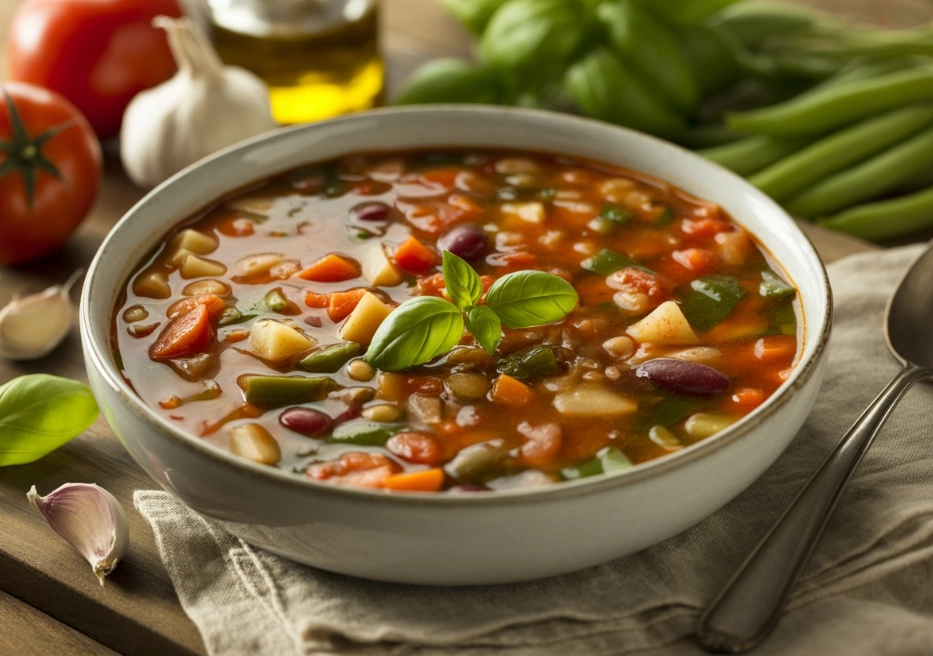
Most recipes get the ingredients right but miss the soul. They tell you to dump everything in and boil it. That makes vegetable water, not soup. The difference is in the layering.
Your Minestrone Roadmap
What Minestrone Truly Is (And Isn't)
Minestrone is a thick vegetable soup, often with beans and pasta or rice. The name comes from "minestra," meaning soup, with the "-one" suffix implying bigness. It's a big, substantial soup. It's peasant food at its brilliant best—designed to be economical, nutritious, and variable with the seasons.
Here's the non-consensus part: many think it's a tomato-heavy soup. It's not. The tomato is a supporting actor, providing acidity and body, not the main event. The stars are the vegetables. A winter minestrone might lean on cabbage, potatoes, and kale. A summer one bursts with zucchini, green beans, and fresh basil. The base, however, remains constant.
I learned this the hard way. My first attempt years ago was a murky, overcooked stew because I used canned everything and added the pasta at the start. It was edible, but it lacked vibrancy. It lacked life.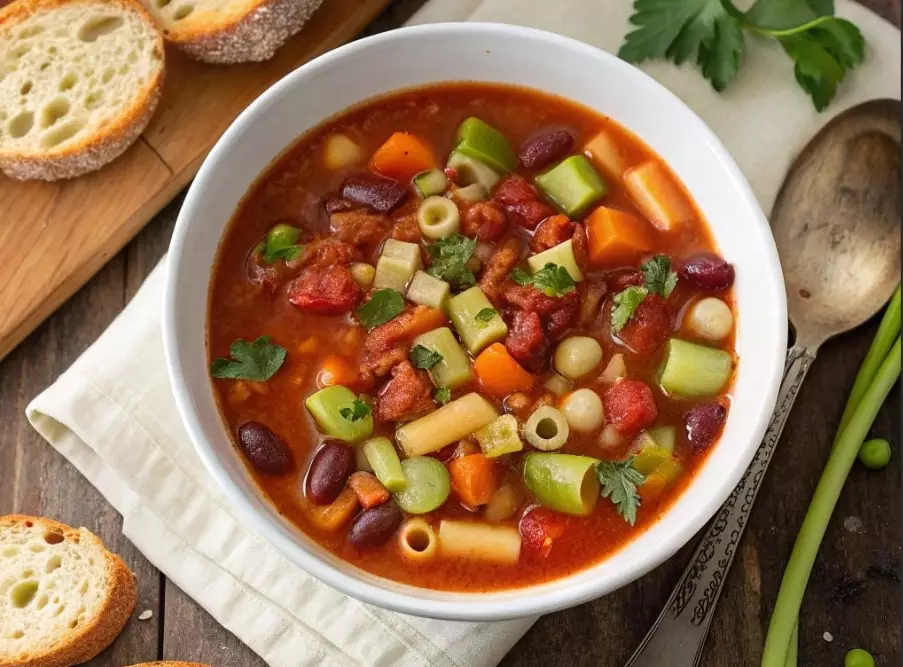
Building Your Flavor Base: The Holy Trinity & Beyond
Every great Italian soup starts with a sofrito or battuto: finely chopped aromatics slowly cooked in fat until sweet and fragrant. For minestrone, this is non-negotiable.
The Core Foundation:
- Onion, Carrot, Celery (Soffritto): A 1:1:1 ratio is fine, but I prefer a bit more onion. Chop them small so they melt into the base.
- Fat: Extra virgin olive oil. Be generous. This isn't just for cooking; its flavor gets woven into every bite.
- Garlic: Added after the soffritto is soft, so it doesn't burn and turn bitter.
- Herb Infusion: A sprig of rosemary or a few sage leaves fried in the oil for 30 seconds before adding the vegetables can be transformative.
Once this base is golden and sweet, you add your "hard" vegetables—things that need longer cooking, like potatoes, celery root, or chopped fennel. Then comes the liquid and tomatoes.
The Vegetable Breakdown: A Flexible Frameworkv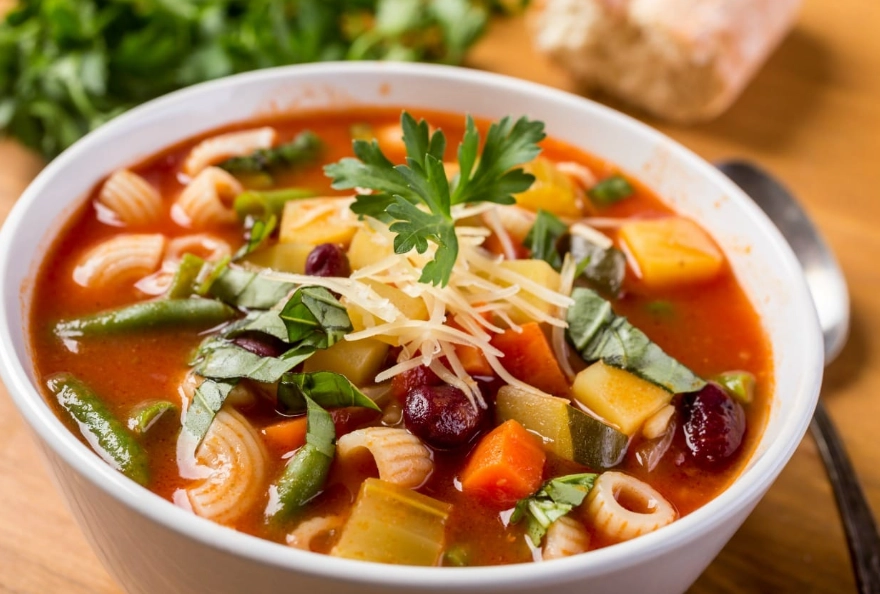
Think in categories, not specific items.
| Category | Examples (Choose 4-5 total) | When to Add |
|---|---|---|
| Aromatics (Base) | Onion, Carrot, Celery, Leek | First - cook until soft |
| Hard Vegetables | Potato, Sweet Potato, Pumpkin, Turnip, Carrot (diced) | After base, cook 5 min with aromatics |
| Medium Vegetables | Green Beans, Zucchini, Celery (chopped), Fennel | With the liquid, simmer 15-20 min |
| Leafy Greens | Kale, Swiss Chard, Spinach, Savoy Cabbage | Last 5-10 minutes of cooking |
| Beans & Legumes | Cannellini, Borlotti, Chickpeas, Lentils | With medium vegetables (if canned/pre-cooked) |
The Step-by-Step Process: Where Most Go Wrong
Here’s the sequence that makes all the difference. Rushing the first step is the most common error.
1. The Sauté (The Foundation): In a large, heavy pot, heat a good 1/4 cup of olive oil over medium-low heat. Add your finely chopped onion, carrot, and celery with a pinch of salt. Cook, stirring occasionally, for a full 15-20 minutes. You're not looking to brown them, but to sweat them until they're incredibly soft and sweet. This patience builds the flavor floor.
2. Building Layers: Add any "hard" vegetable dices (like potato). Stir for 5 minutes. Add garlic and maybe a tablespoon of tomato paste, cooking for another minute until fragrant.
3. The Simmer: Pour in your liquid—a combination of bean water, broth, or water with a 14-oz can of whole tomatoes, crushed by hand. Add your "medium" vegetables and beans. Bring to a boil, then reduce to a gentle simmer. This is when you add the Parmigiano rind. Let it bubble away, partially covered, for at least 30 minutes. The vegetables should be tender but not mushy.
4. The Final Flourish: Stir in your chopped leafy greens. Now, decide on your starch. This is critical.
5. The Serve: Ladle the soup into bowls. Discard the parmesan rind (most of it will have melted). Finish each bowl with a drizzle of raw, peppery extra virgin olive oil, a grind of black pepper, and a sprinkle of fresh parsley or basil. Grate more Parmigiano on top.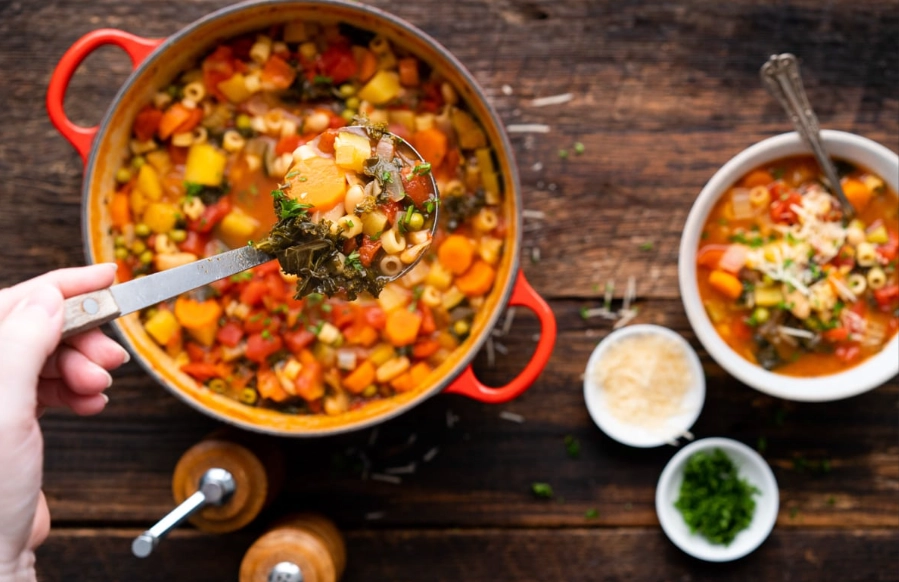
Expert Tips & The Common Pasta Mistake
Beyond the steps, these nuances separate a good soup from a great one.
- Salt in Layers: Salt your soffritto. Salt the pot when you add the liquid. Adjust seasoning at the end. This ensures every component is seasoned, not just the broth.
- Acid is Your Friend: If the soup tastes flat, add a teaspoon of good red wine vinegar or a squeeze of lemon juice at the end. It brightens everything.
- The Storage Problem: As mentioned, store soup and pasta separately. The soup itself tastes even better the next day. Freezes beautifully (sans pasta) for up to 3 months.
- The "Wrong" Vegetable: There isn't one. I've made a great version with leftover roasted Brussels sprouts chopped up. The principle is more important than the specific ingredient.
The biggest mistake I see? Overcooking. You want distinct textures—a bit of bite in the green bean, a soft potato, a wilted but not disintegrated kale leaf. It's a vegetable soup, not a vegetable puree.
Your Questions, Answered
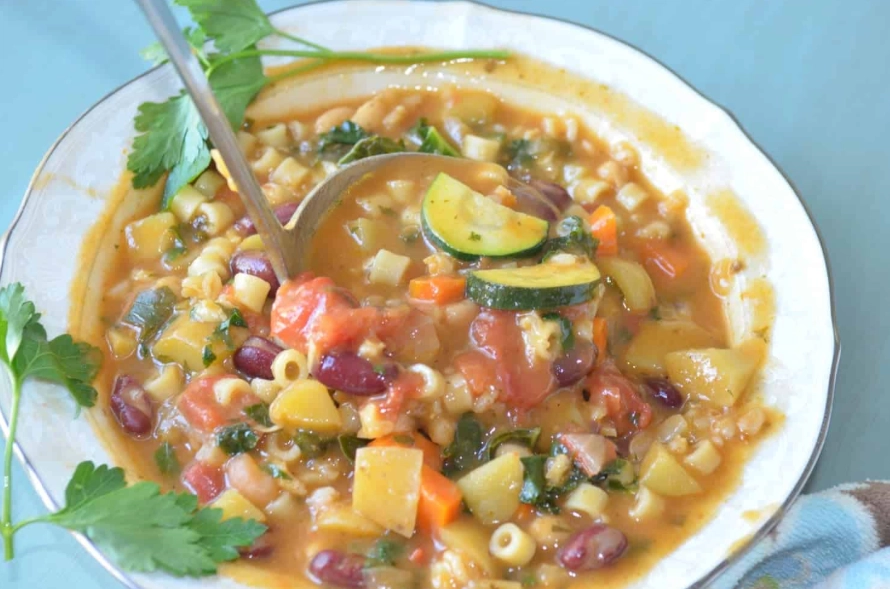 My minestrone soup turned out bland. How do I fix it before serving?
So there you have it. It's less of a fixed recipe and more of a method. A way to turn a bunch of ordinary vegetables into something deeply comforting and complex. Start with the soffritto, be patient, layer your ingredients, and finish with good oil. Do that, and you can't go wrong. Now, go see what's in your fridge.
Related Articles

Italian Casserole Recipes: Easy Family Dinners & Expert Tips
Italian Buttercream Recipe: How to Make Perfectly Smooth Frosting
Italian vs American Braciole: The Real Differences Explained
Easy Italian Appetizer Recipes for a Crowd: Make-Ahead & Crowd-Pleasing Ideas
Top 10 Italian Pasta Dishes: A Guide to Classics
Italian Meatball Recipe: Step-by-Step Guide & Secrets for Tender Meatballs
Best Vegetarian Italian Dishes: Recipes & Cooking Tips
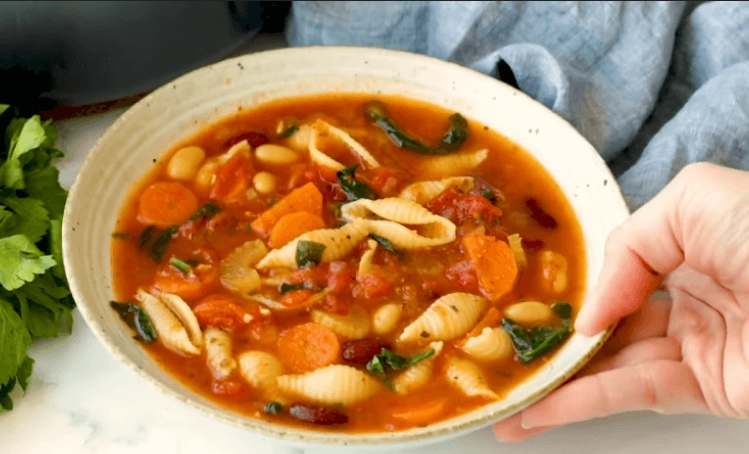
Authentic Italian Minestrone Soup Recipe: A Hearty Classic
Authentic Italian Pasta Sauce Recipes: From Classic Tomato to Rich Ragù
Authentic Italian Cuisine Recipes: From Classics to Regional Secrets
Authentic Italian Meatballs Recipe: Nonna's Secret for Tender & Flavorful Polpette
Italy's Most Traditional Dish: The Definitive Guide to Authentic Cuisine

Unique Italian Cocktails: Beyond the Aperol Spritz

Italian Sausage Recipes: From Classic Pasta to Grilled Skewers
Authentic Italian Recipes: Your Ultimate Guide to Mastering Classics at Home
Traditional Italian Dinner Party Recipes: An Authentic Menu from Start to Finish
Authentic Carbonara Recipe: How to Make Traditional Italian Pasta
Traditional Italian Vegetarian Recipes: Classics Beyond Pasta

Ground Italian Sausage Recipes: The Ultimate Guide for Easy & Flavorful Dinners
Easy Chicken Pasta Recipes for Busy Weeknights
Authentic Carbonara Recipe: The ONLY Way to Make It Right

The largest IPO in the A-share market in 13 years has been terminated, and it wa
Italian Sauce Recipe: Secrets from a Nonna's Kitchen
Mastering Italian Fish Recipes: From Classic to Coastal
Simple Italian Sausage Dinners: Quick Recipes for Busy Nights
Ultimate Guide to Classic Italian Baked Pasta Dishes

Easy Italian Appetizers: Simple Recipes & Party Platters
Traditional Northern Italian Recipes: Authentic Dishes & Cooking Secrets
Authentic Italian Family Meal Recipes: From Antipasti to Dolce
Leave a Comment