Authentic Italian Pizza Recipe: A Step-by-Step Guide
Let's cut through the noise. Making authentic Italian pizza at home isn't about finding a "hack" or a "5-minute dough." It's a simple process misunderstood by nearly every quick recipe out there. I learned this the hard way, after a decade of baking and a particularly humbling trip to Naples where my "perfect" dough was laughed at. The magic isn't in complexity; it's in respecting a few non-negotiable principles. This guide walks you through the genuine article—the dough, the bake, the mindset—so you can create a pizza that would make a nonno nod in approval.
What You'll Find Inside
The One Flour Mistake Everyone Makes
You can't build a Roman villa with straw. Similarly, you can't build a Neapolitan pizza with standard all-purpose flour and expect that signature tender, chewy, leopard-spotted crust. The foundation is "00" flour ("doppio zero").
Here's the thing most blogs get wrong: it's not just about being fine. It's about protein quality. Italian 00 flour has a softer, more extensible gluten network. This means the dough stretches thinly without fighting back, yielding a crust that's crisp yet soft, not tough and bready.
According to the official specifications from the Associazione Verace Pizza Napoletana (the guardians of true Neapolitan pizza), only specific types of milled wheat are sanctioned. While we're not aiming for VPN certification, using the right flour gets you 80% of the way there.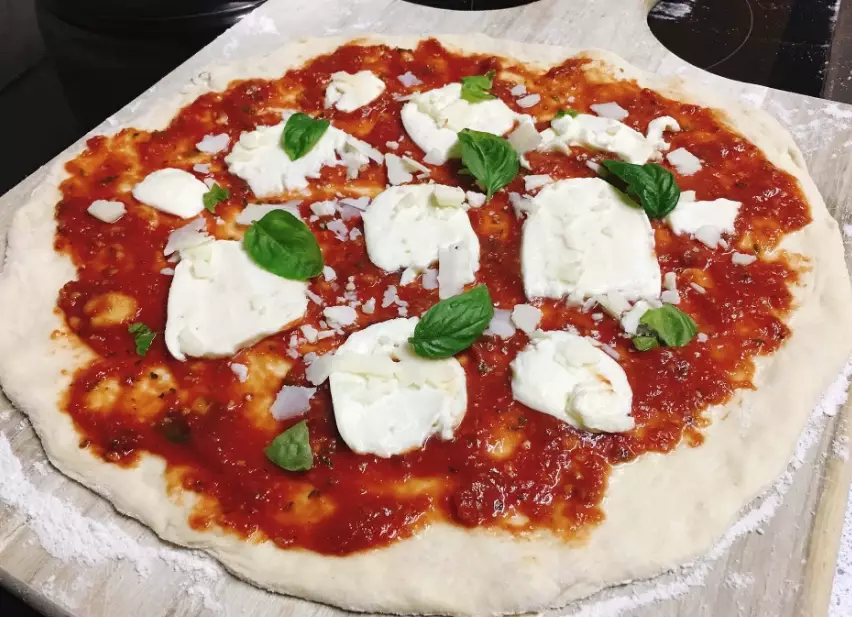
Dough Science, Simplified (No Lab Coat Needed)
Forget complicated percentages. The authentic Italian pizza recipe for dough needs just four ingredients: flour, water, salt, yeast. The magic is in the ratios and time.
The Master Dough Formula (Makes 4 x 250g pizzas)
- 00 Flour: 600g (this is your base)
- Water: 360ml (60% hydration – trust me, it's manageable)
- Sea Salt: 18g (3% of flour weight)
- Fresh Yeast: 1.5g (or 0.75g active dry yeast)
Note: Weights, not cups. A $10 kitchen scale is your best investment here.
The Process That Most Recipes Rush:
1. Mix & Autolyse: Mix flour and 90% of the water until just combined. Let it sit covered for 30 minutes. This autolyse lets the flour hydrate fully, making kneading easier and improving gluten development. A step most home recipes skip.
2. Incorporate Yeast & Salt: Dissolve the yeast in the remaining water. Add it and the salt to the dough. Now, mix. You're not looking for a smooth ball yet—just incorporation.
3. The "Fold, Don't Knead" Method: Here's my non-consensus take: stop kneading on a floured counter. For a high-hydration dough like this, you'll just add more flour and toughen it. Instead, do a series of coil folds. Every 30 minutes for the first 2 hours, wet your hands, grab the dough from underneath, stretch it up, and fold it over itself. Do this 4-5 times around the bowl. You'll feel it transform from shaggy to strong and smooth. This builds strength without brutality.
4. The Cold Fermentation Game-Changer: After 2 hours at room temp, divide the dough into 250g balls, place them in sealed containers, and refrigerate for 24 to 72 hours. This is the single most important step for flavor. The slow, cold rise develops complex acids, creates those beautiful air bubbles, and makes the dough incredibly easy to shape later. Planning is part of the recipe.
The Shaping & Baking Secrets Most Guides Skip
Two hours before baking, take your dough balls out of the fridge. They need to come to room temperature. A cold dough won't stretch.
Shaping: No rolling pin. Ever. It crushes the gas bubbles you worked so hard to create. Generously flour your surface and dough ball. Press from the center outwards with your fingertips, leaving a thick border (the cornicione). Then, use the backs of your hands to gently stretch, letting gravity do the work. Rotate. If it resists, walk away for 5 minutes. Let the gluten relax.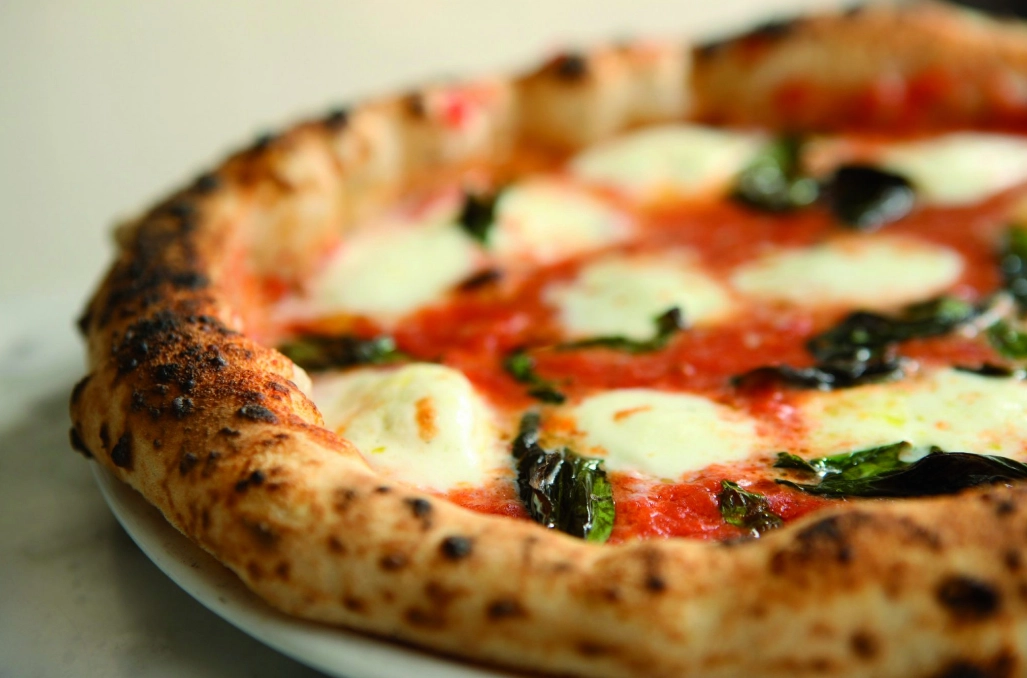
The Home Oven Battle: We don't have 900°F wood-fired ovens. The goal is to mimic that intense, direct heat. Here’s your setup:
| Tool | Why It's Better | How to Use It |
|---|---|---|
| Baking Steel | Superior heat conductivity and retention compared to stone. Creates a fiercer "oven spring." | Place on the highest rack. Preheat at max temp (260°C/500°F+) for a full 60 minutes. |
| Pizza Stone | The classic choice. Good, but slower to heat and transfer energy than steel. | Same placement and preheat as steel. Ensure it's thoroughly heated. |
| Broiler/Grill | Your secret weapon for top heat. | Switch to broiler for the last 1-2 minutes of baking to blister the top. |
My method? Launch the pizza onto the screaming-hot steel. Bake for 3 minutes. Then, hit the broiler for 60-90 seconds. Watch it puff and char like magic.
Building the Classic Margherita: Less is More
Now for the topping. For a true Pizza Margherita, you need three things: sauce, cheese, basil. The simplicity is terrifying because there's nowhere to hide.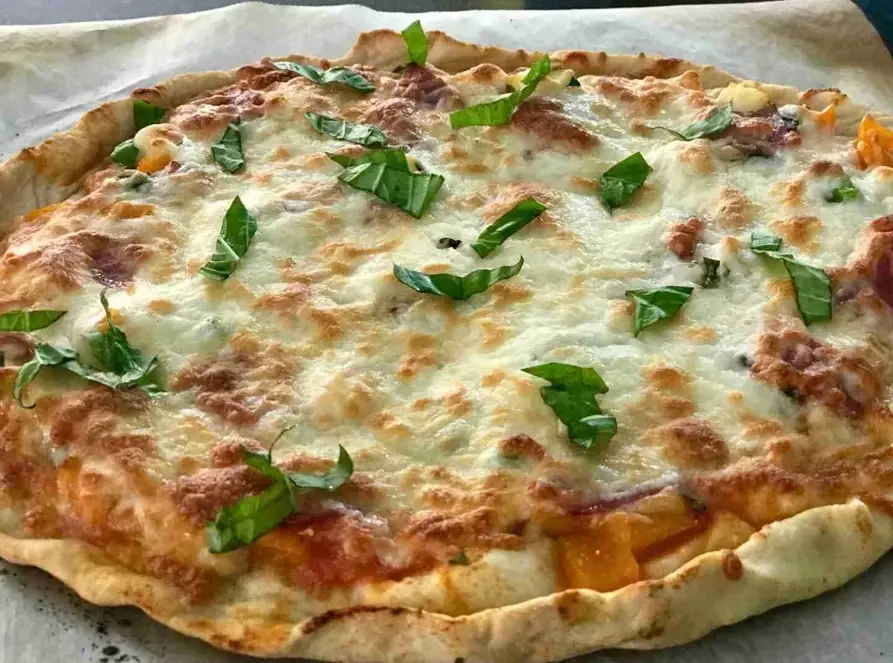
The Holy Trinity of Toppings
- Sauce: Canned San Marzano D.O.P. tomatoes, crushed by hand. No cooking. Add a pinch of sea salt. That's it. No garlic, no oregano, no paste. The fresh, bright acidity is key.
- Cheese: Fresh mozzarella (fior di latte), torn, not sliced. Let it drain on paper towels for 20 minutes. The biggest error? Using the low-moisture, pre-shredded stuff. It melts into an oily film, not creamy pools.
- Basil: A few fresh leaves added after baking, or in the last 30 seconds. Burnt basil is bitter.
Assembly: Stretch your dough. Spread 3-4 tablespoons of sauce thinly, leaving a clear border. Scatter the torn mozzarella. A drizzle of extra virgin olive oil. Bake. Add fresh basil. That's the authentic Italian pizza recipe in its purest form.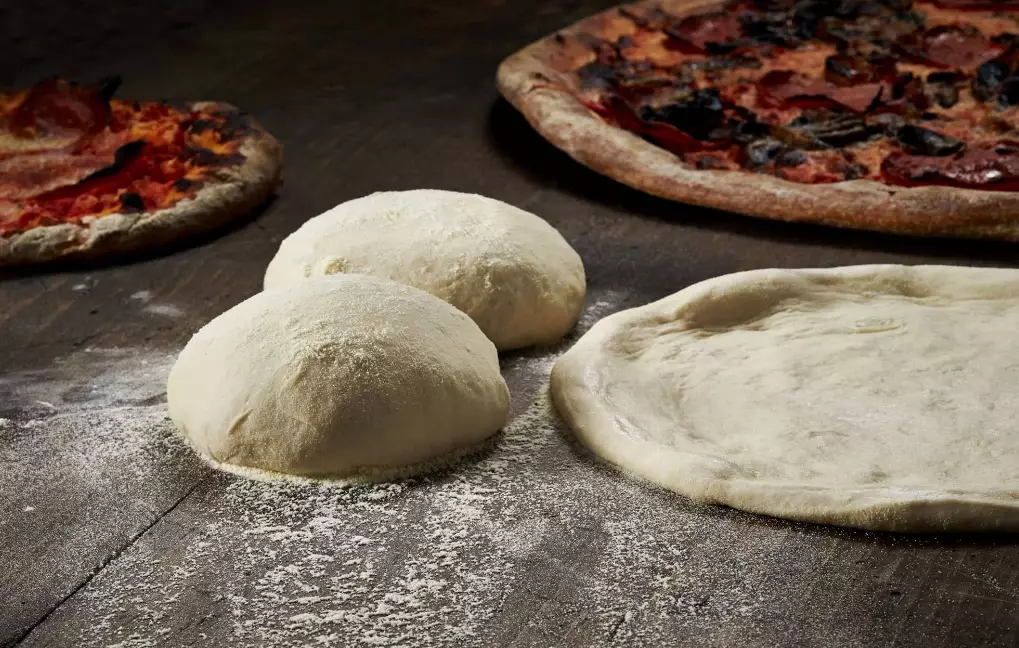
Your Pizza Problems, Solved
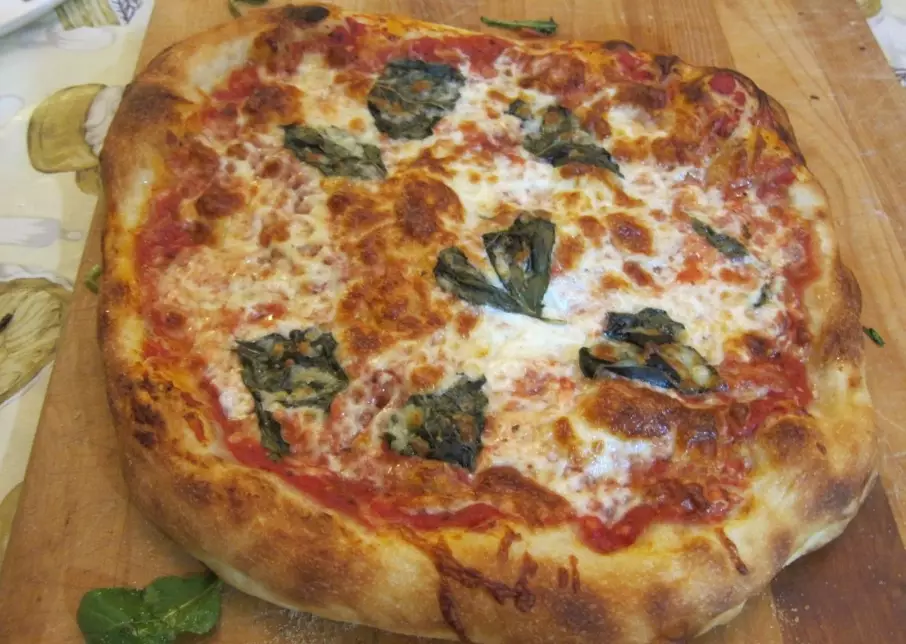 The journey to a perfect homemade Italian pizza is iterative. Your first might be good, your fifth will be great. Embrace the process—the slow fermentation, the gentle handling, the quest for heat. It’s not just dinner; it’s a lesson in patience and quality. Now go preheat that oven.
Related Articles
Authentic Italian Pasta e Fagioli Recipe: A Hearty Classic

What is the dispute over the open and closed source of large models?
Hearty Italian Sausage Soup Recipe: Easy & Flavorful Comfort Food
Authentic Italian Recipes: Secrets from a Roman Kitchen
What are the 4 Classic Italian Dishes? A Food Lover's Guide