Italian Pasta e Fagioli Soup Recipe: Authentic & Easy
Pasta e fagioli. Pasta fazool. Pasta and beans. However you say it, this isn't just soup. It's a hug in a bowl, a staple of Italian cucina povera (poor kitchen) that has earned its place as a global comfort food icon. But here's the thing—most recipes online get it wrong. They treat it like a minestrone with beans, resulting in a watery, disjointed dish. A proper pasta e fagioli is something else entirely: a harmonious, creamy, rib-sticking union where the beans and pasta are the co-stars, bound by a rich, savory broth.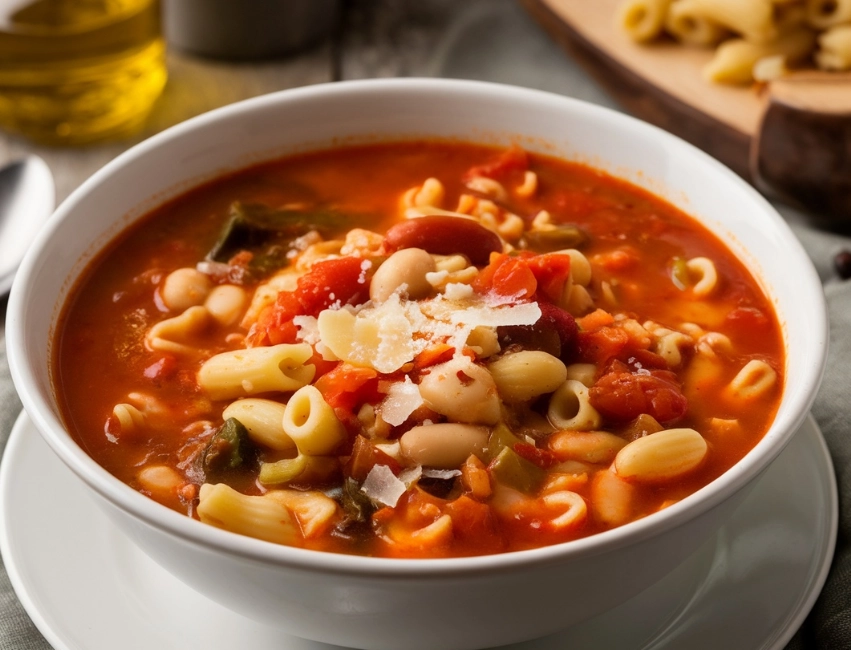
I learned this the hard way, after a disappointing attempt years ago led me to pester my friend's Roman grandmother for her method. The difference was night and day. This guide is that method, refined through practice, and it skips the fluff to give you the soul of the dish.
What's Inside This Guide
What Pasta e Fagioli Is (And Isn't)
Let's clear this up first. This is not a brothy vegetable soup with some beans and pasta tossed in. Think of it more as a thick, bean-based stew that pasta swims in. The goal is a creamy consistency, which traditionally comes from the beans themselves breaking down a bit, not from adding cream. The flavor foundation is the soffritto—a slow-cooked mix of onion, carrot, celery, and often pancetta—which builds a deep, savory base that cheap stock cubes can't replicate.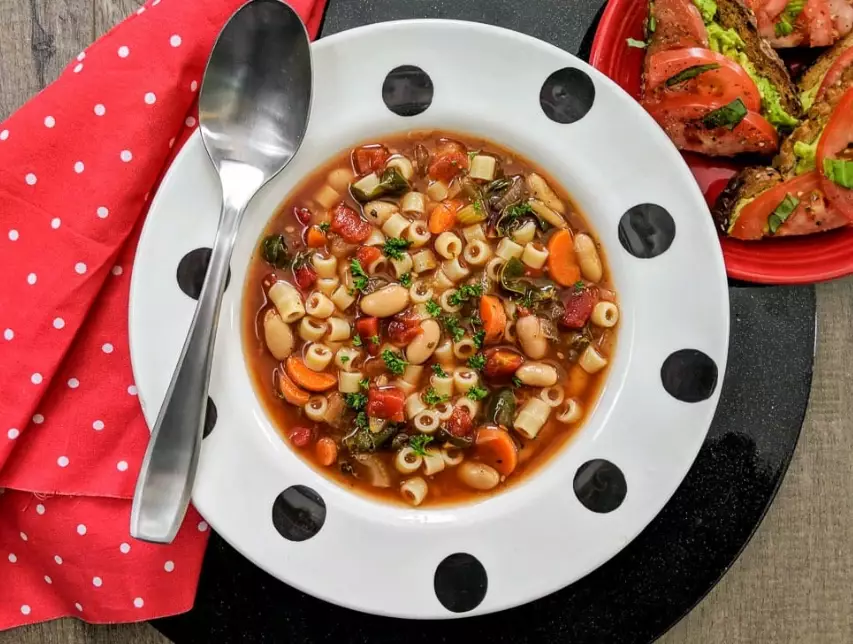
Regions in Italy fight over the "right" way to make it. In the North, it's often thicker, sometimes with a touch of tomato. In the South, it might be more brothy and heavy on the garlic. The recipe below is a central Italian style, a great middle ground that delivers on creaminess and flavor without being dogmatic.
The Ingredients: A Simple Breakdown
You don't need fancy stuff. The magic is in how you treat these simple ingredients.
- The Beans (Fagioli): Canned cannellini beans are the practical choice. Rinse them well. For the absolute best texture and flavor, use dried cannellini or borlotti beans, soaked overnight and simmered until tender. The starchy cooking water from dried beans is liquid gold for thickening the soup.
- The Pasta: Small shapes that can be eaten with a spoon. Ditalini is the classic. Small shells (conchigliette), elbow macaroni, or even broken spaghetti (a true cucina povera move) work. Don't use large shapes like penne or farfalle.
- The Flavor Base (Soffritto): One onion, one carrot, one celery stalk, all finely diced. Two cloves of garlic. That's it. Some recipes add pancetta or a piece of prosciutto rind for extra umami—highly recommended if you have it.
- The Liquids: A good chicken or vegetable stock (homemade is king, but a quality low-sodium store-bought works) and a bit of water. A small can of whole plum tomatoes, crushed by hand, or a couple tablespoons of tomato paste for color and acidity.
- The Seasonings: A couple of fresh rosemary sprigs or sage leaves, a bay leaf, salt, black pepper, and a generous finish of extra virgin olive oil and grated Pecorino Romano or Parmigiano-Reggiano cheese.
Step-by-Step Recipe & Cooking Guide
Prep Your Ingredients First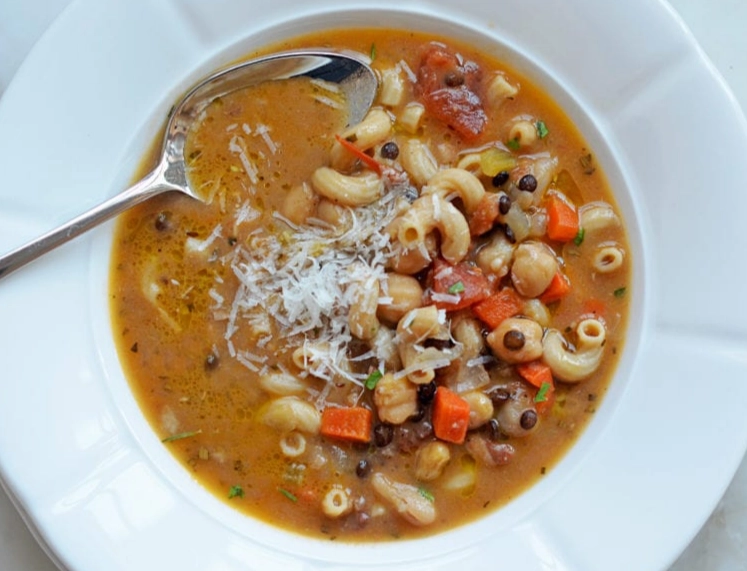
Chop all your vegetables. Rinse your beans if using canned. Grate your cheese. Have everything ready. This is a simple recipe, but it moves quickly at the start.
The Cooking Process
1. Build the Soffritto. In a large, heavy pot (like a Dutch oven), heat 3 tablespoons of olive oil over medium-low heat. If using pancetta (about 2 oz, diced), cook it until the fat renders. Add the onion, carrot, and celery. Cook, stirring often, for 8-10 minutes until they are soft, sweet, and translucent, not browned. Add the garlic for the last minute.
2. Add Tomatoes & Herbs. Stir in 2 tablespoons of tomato paste and cook for 1-2 minutes to caramelize it slightly. If using canned tomatoes, add them with their juices now. Add the rosemary or sage and bay leaf.
3. Add Beans & Liquid. Pour in your drained beans (two 15-oz cans or about 3 cups of cooked beans). Stir to coat. Add 4 cups of stock and 2 cups of water. Bring to a simmer.
4. Simmer. Let the soup simmer gently, partially covered, for at least 25-30 minutes. This allows the flavors to marry and the soup to thicken. Season well with salt and pepper. Taste and adjust.
5. Cook the Pasta Separately. This is critical. While the soup simmers, bring a separate pot of well-salted water to a boil. Cook your pasta (about 1 cup dried ditalini) until it is just shy of al dente, about 1 minute less than the package instructions. Drain it.
6. Combine & Serve. Add the drained, slightly undercooked pasta to the simmering soup and let it cook together for just 2-3 final minutes. This allows the pasta to finish cooking and absorb some of the bean flavor. Ladle into bowls, drizzle with a thread of your best extra virgin olive oil, and shower with grated cheese.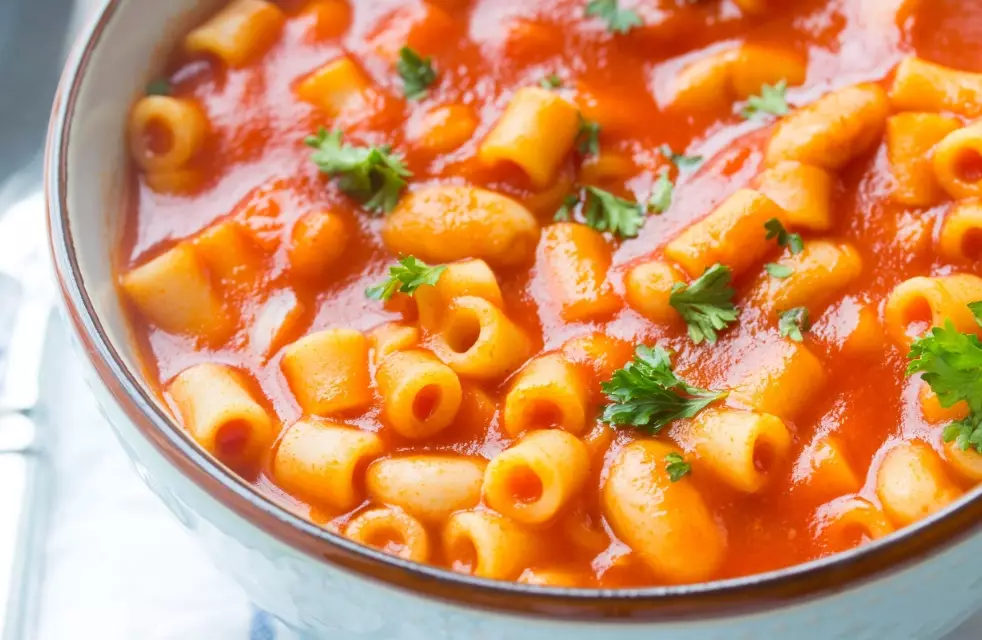
Expert Tips & Common Mistakes to Avoid
Beyond the pasta-cooking tip, here are a few nuances that separate a good soup from a great one.
- Underseasoning. Bean soups need a lot of salt. Add it in stages, tasting as you go, especially after the final simmer.
- Skipping the bean-mashing step. If you want creaminess, you must break down some of the beans. Blending, mashing, or even adding a small potato that dissolves during cooking are all valid techniques.
- Using weak stock. Your broth is half the flavor. If using store-bought, choose a good brand. The difference is palpable.
- Rushing the soffritto. Those vegetables need time to sweat and release their sweetness. Don't crank the heat to hurry it along.
- Forgetting the finish. The final drizzle of raw, peppery olive oil and the salty, umami punch of the grated cheese are non-negotiable. They tie the whole dish together.
Popular Variations & Substitutions
The beauty of this dish is its flexibility.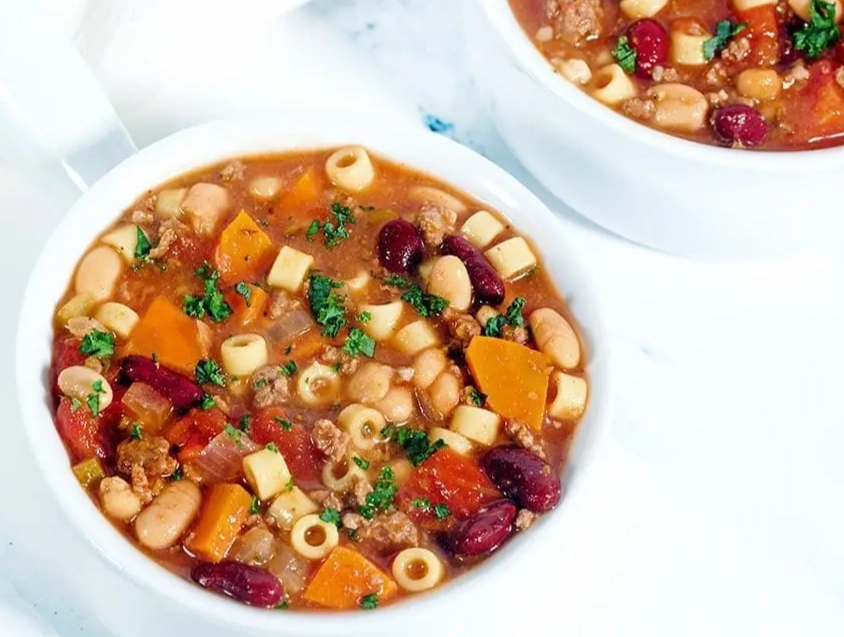
- Bean Swap: Cannellini are standard, but borlotti (cranberry beans) have a beautiful pink hue and creamy texture. Great Northern beans are a fine substitute.
- Vegetarian/Vegan: Omit the pancetta. Use vegetable stock. For the finish, a drizzle of good olive oil and a sprinkle of nutritional yeast or vegan "parm" works.
- Tomato Level: Prefer a redder soup? Use a full 14-oz can of crushed tomatoes and reduce the stock slightly. Want it more beige? Stick to just tomato paste.
- Herbs: No rosemary? Sage is fantastic. Thyme works in a pinch. Dried herbs are okay, but use half the amount.
Your Pasta e Fagioli Questions, Answered
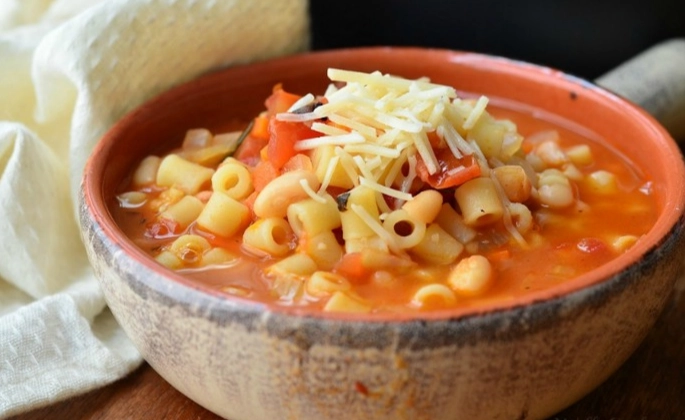 Making a great pasta e fagioli isn't about complex techniques. It's about respecting a few simple principles: building flavor from the bottom up, creating creaminess from the beans, and treating the pasta with care. Follow this roadmap, and you'll have a pot of soup that's deeply satisfying, authentically Italian in spirit, and miles ahead of the watery versions out there. Now, go grab a loaf of crusty bread. You're going to need it.
Related Articles
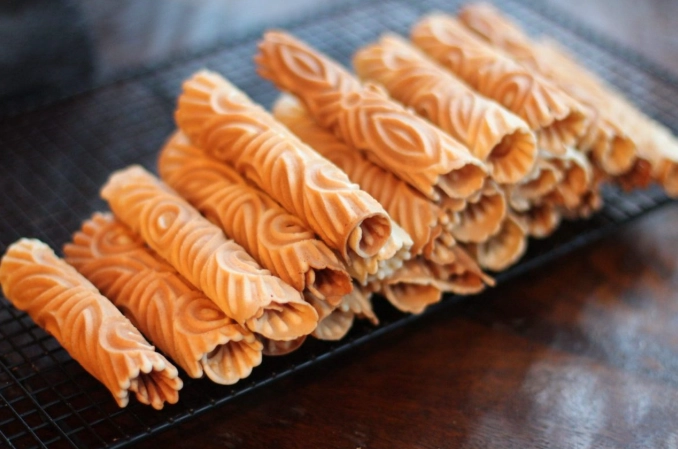
Authentic Italian Pizzelle Recipe: Crispy, Classic & Easy

Authentic Italian Dessert Recipes: Easy Tiramisu, Cannoli & More
Perfect Homemade Italian Gnocchi Recipe: Light & Fluffy

Paris Notes 10: Visiting Galeries Lafayette, more than half of the "saleswomen"
What is a Good Appetizer Before Pasta Dinner? 15+ Expert Picks & Pairing Guide