Italian Lasagna Recipe: Authentic Homemade Lasagna Guide
Let's be honest. The internet is full of lasagna recipes. Some are quick and dirty, others are so-called "healthy" versions that make an Italian grandmother cry. If you're searching for a truly authentic Italian lasagna recipe, you've likely hit a wall of conflicting advice. Is it the layers? The sauce? The cheese? I've spent over a decade cooking in Italy, and I can tell you that most recipes online get the soul of this dish wrong. They focus on speed over flavor, on shortcuts over technique. Today, we're not just making lasagna; we're building the real deal, layer by layer, from the ground up.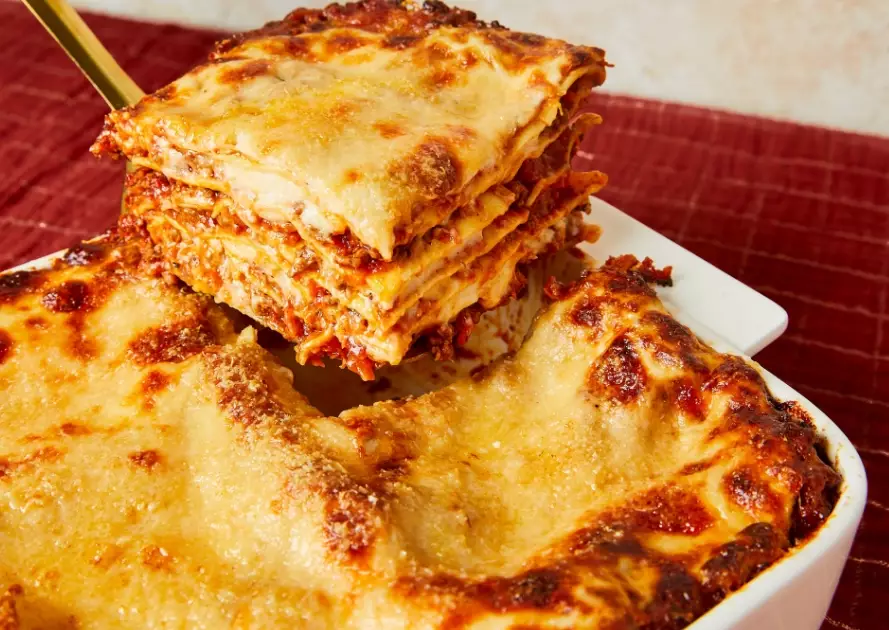
What You'll Find Inside
- The Soul of Lasagna: The Meat Sauce (Ragù alla Bolognese)
- The White Sauce (Béchamel): The Glue
- The Building Blocks: Pasta Sheets and Cheese
- The Art of Assembly: Layering Like a Pro
- Baking to Perfection: Time and Temperature
- The Grand Finale: Resting is Not Optional
- Variations and Twists on the Classic
- Essential Equipment Checklist (Optional)
- Troubleshooting Common Lasagna Problems
- FAQ: Your Lasagna Questions, Answered
The Soul of Lasagna: The Meat Sauce (Ragù alla Bolognese)
This is where most lasagnas fail, and I rarely see it mentioned. It's not just about simmering meat and tomatoes. A proper Bolognese ragù is a slow dance of flavors. We're talking about 3 to 4 hours of gentle cooking. The meat should be a mix of coarsely ground beef and pork (pancetta or ground pork shoulder), and it should be sautéed slowly until it loses its raw color, not browned. Browning creates a different flavor profile (nice for some dishes, not for this one). The soffritto (onions, carrots, celery) needs to melt into the meat, not stand out. And the tomatoes? They're a supporting actor, not the star. The star is the meat, and the liquid should be a combination of wine (red, preferably) and milk, added in stages. This creates a rich, velvety texture that coats the pasta sheets without making them soggy. Using a watery sauce is the number one reason for a sloppy, falling-apart lasagna.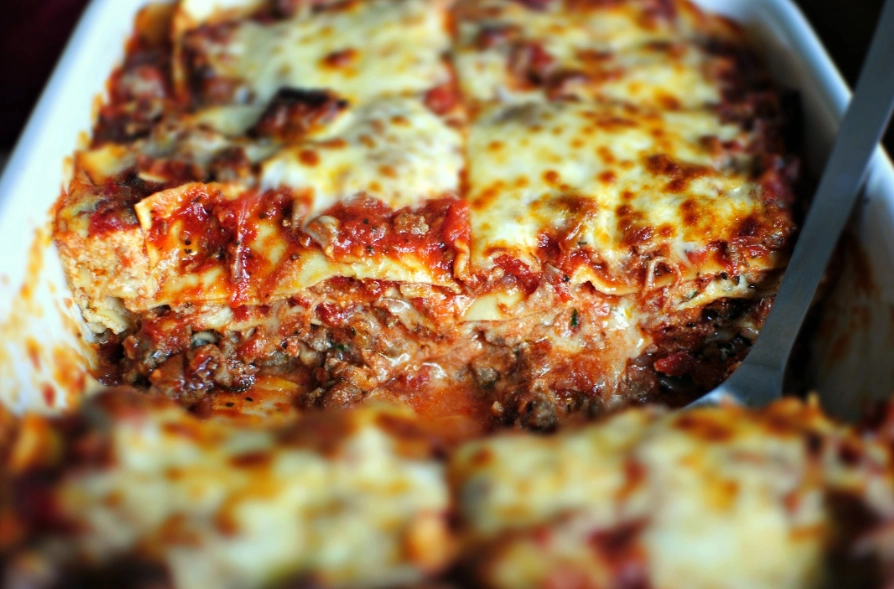
The White Sauce (Béchamel): The Glue
Here's my controversial take: a thick béchamel is a mistake. It should be light, almost pourable. When I first learned this from an old chef in Bologna, I thought he was crazy. Why would you want a thin sauce? Because it seeps into every nook and cranny during layering, creating a unified creaminess rather than sitting in heavy, distinct layers. You're aiming for a sauce that coats the back of a spoon, not one that stands up on its own. The ratio of flour to butter to milk is critical. Too much flour, and you get a pasty glue. Too much butter, and it's greasy. I use a ratio of 1:1:10 (by weight, not volume) for a classic, balanced béchamel. Melt the butter, whisk in the flour until it foams for a minute (this cooks out the raw flour taste), then slowly stream in warm milk. The warmth prevents lumps. Season with just a hint of nutmeg and white pepper. Salt comes later, after it's thickened. This is the glue that holds the lasagna together, but it should whisper, not shout.
The Building Blocks: Pasta Sheets and Cheese
To Boil or Not to Boil?
This is the most debated point. Should you pre-boil your pasta sheets? For a traditional lasagna, I say a resounding yes. But here's the trick that most recipes miss: you're not cooking them through. You're par-cooking them. I boil my dried lasagna sheets for exactly 4 minutes in heavily salted water. They should still have a significant bite (al dente). They will finish cooking in the oven, absorbing the flavorful sauces. If you fully cook them before assembly, they turn to mush during baking. This is the single biggest textural mistake I see in home kitchens.
The Cheese Trinity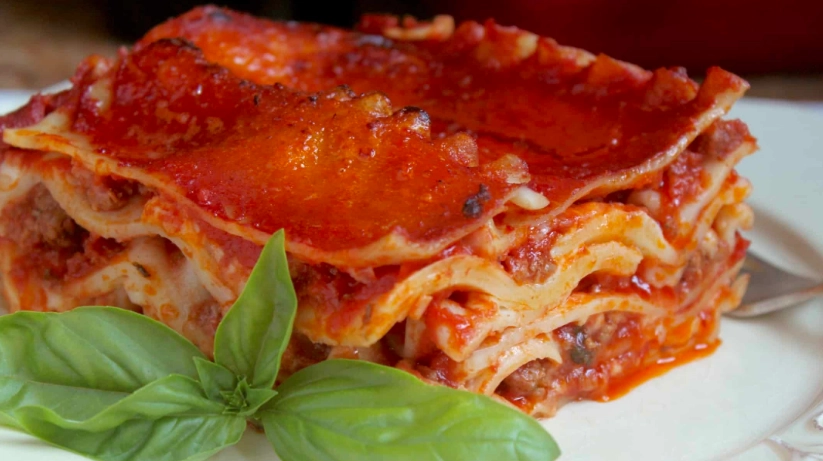
Parmigiano-Reggiano. There is no substitute. The salty, granular, umami-packed flavor of aged Parmigiano is non-negotiable. But using it alone is a mistake. The classic combination is Parmigiano-Reggiano for flavor and a bit of mozzarella (fiore di latte or bufala if you're feeling fancy) for its glorious, stringy melt. Some families in northern Italy might add a little ricotta salata (salted, aged ricotta) for a tangy sharpness, but that's a regional variation. The point is, you need a hard, grating cheese and a soft, melting cheese. A third, like a mild Asiago, can add complexity, but it's optional. What you should never do is use pre-shredded "Parmesan" in a green canister. It contains anti-caking agents (like cellulose powder) that prevent it from melting smoothly and can give your sauce a grainy texture.
The Art of Assembly: Layering Like a Pro
Now we build. The order is not just a suggestion; it's a structural necessity. Start with a very thin layer of ragù on the bottom of your baking dish. This prevents the bottom pasta sheet from sticking and burning. Then comes the first pasta sheet. Then ragù, then béchamel. Some people reverse this. I say béchamel first, then ragù. Why? Because the heavier ragù will push the béchamel down into the pasta's ridges, ensuring every bite gets both. Then cheese. Then repeat. You want about 4 to 5 layers total. Too many, and the middle layers steam instead of baking, becoming gummy. Too few, and it's just a pasta casserole. The final top layer should be pasta, then a generous blanket of béchamel, and then a final, heavier layer of cheese. This top layer of cheese will create that beautiful, golden-brown crust we all crave.
Baking to Perfection: Time and Temperature
Preheat your oven. This seems basic, but I can't tell you how many times I've forgotten. A cold start is the enemy of a good lasagna. You want a hot oven, around 375°F (190°C). But here's a secret I learned the hard way: if your oven runs hot, go for 350°F (175°C). Why? Because lasagna is a dense, liquid-heavy dish. You need enough heat to cook the pasta and set the sauces, but not so much that the top cheese burns before the inside is hot. The solution? Cover it with foil for the first 30 minutes. This traps steam, essentially boiling the interior layers gently. Then, remove the foil for the last 15-20 minutes to achieve that perfect top browning. Total baking time is usually 45-50 minutes, but trust the wobble, not the timer. When you gently shake the dish, the center should have a slight jiggle, not a liquid wave. Let it stand out of the oven for a few minutes before checking.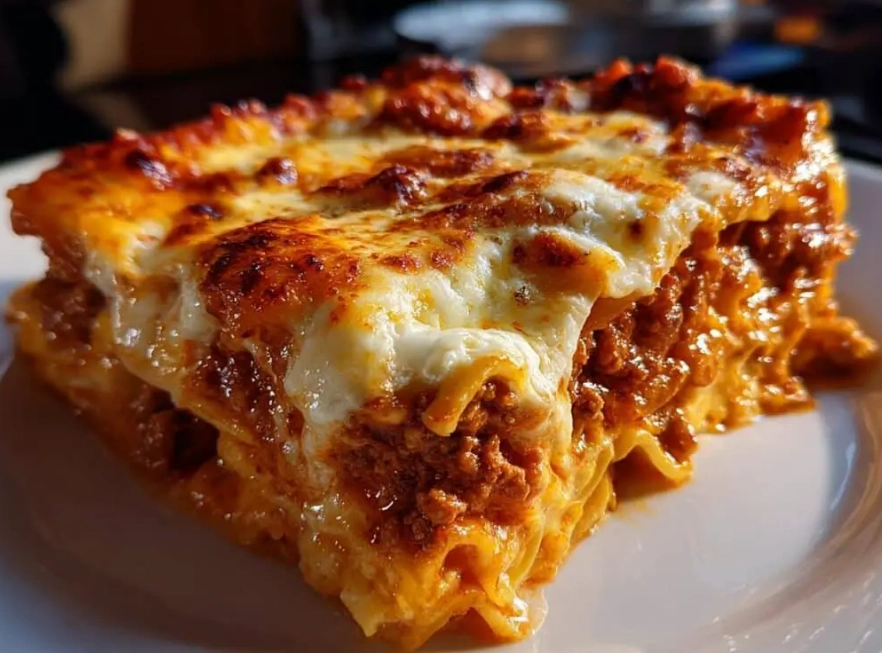
The Grand Finale: Resting is Not Optional
This is the step everyone wants to skip. Don't. You've invested hours. Invest 20 more minutes. Letting the lasagna rest after baking is not optional; it's critical. This allows the residual heat to finish cooking the pasta sheets completely and, more importantly, lets the sauces thicken and the layers set. Cutting into a lasagna straight out of the oven is a recipe for a soupy, structural disaster. It will fall apart on your plate. Wait at least 20-30 minutes. I know it's tempting. I've burned my mouth more times than I care to admit. But the wait transforms it from a sloppy mess into neat, perfect squares.
Variations and Twists on the Classic
The beauty of this dish is its versatility. While the above is the strict, traditional path, here are some variations that are still considered authentic within their regions:
- Spinach and Ricotta Lasagna (Lasagna Verde): This is a legitimate variation, often from Tuscany, where a ragù is still used, but layers are interspersed with a ricotta and spinach mixture. It's not "inauthentic," it's different.
- Seafood Lasagna: Not Italian in the slightest, but you might find something similar in coastal areas using a bechamel and perhaps shrimp and a white fish.
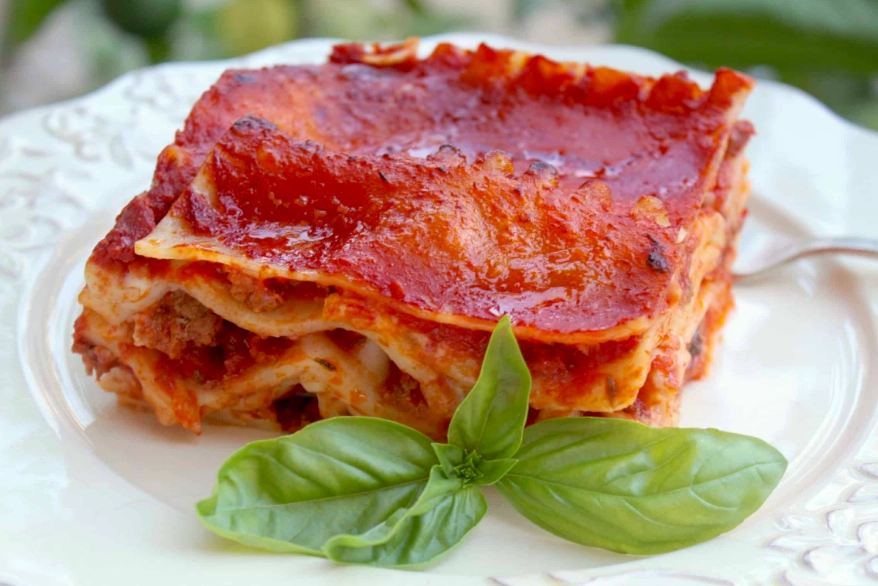
- Vegetarian Lasagna: You can absolutely make a fantastic lasagna without meat. The key is to build flavor. Roast your vegetables (eggplant, zucchini, mushrooms) deeply. Use a lentil and walnut "ragù" that's been cooked down with the same care. The principles of sauce consistency, layering, and baking remain unchanged.
Essential Equipment Checklist (Optional)
You don't need anything fancy to make great lasagna. A large pot for the sauce, a saucepan for the béchamel, a 9x13 inch baking dish, and an oven. That's it. However, a few tools can make the process smoother:
- A wide, shallow pan for the ragù. More surface area means faster evaporation and a thicker sauce.
- A whisk for the béchamel. A flat whisk is better for getting into the corners of your saucepan.
- A pasta pot with a built-in strainer or a separate colander.
- Oven mitts. Don't forget them.
Troubleshooting Common Lasagna Problems
Let's address some frequent issues head-on.
Likely Cause: Your ragù had too much liquid before assembly. Remember, it should be thick. Another possibility is using fresh mozzarella (which contains more whey) instead of a low-moisture mozzarella or not draining vegetables if using a vegetable-based version.
Problem: The top cheese burns before the inside is hot.
Solution: Use the foil trick mentioned above. Cover it for most of the baking time, then remove to brown at the end. Also, check your oven temperature with an independent thermometer. Ovens are often inaccurate.
Problem: The pasta sheets are still hard after baking.
Solution: You likely used no-boil noodles without enough sauce, or your sauce was too thick and didn't transfer enough moisture. Ensure the pasta sheets are fully submerged in sauce during assembly. If they're still hard, return to the oven, but you might need to add a splash of milk or water around the edges (not over the top) and cover again with foil.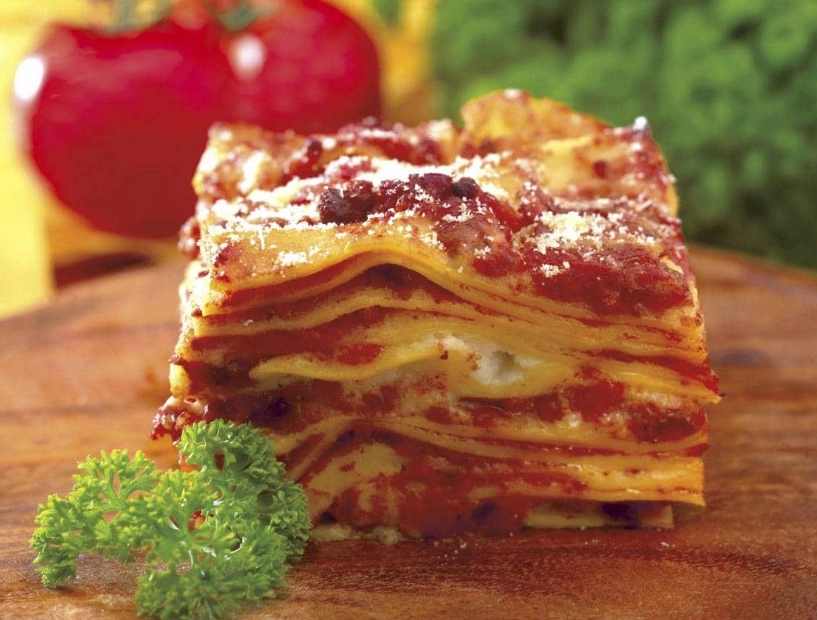
FAQ: Your Lasagna Questions, Answered
 Can I use a different type of meat for the ragù?
Related Articles
Master Italian Meatball Recipes: Secrets from Nonna's Kitchen

Simple Italian Cookie Recipes: 3 Classics You Can Master

The number has increased nearly fourfold in ten years, and the global digital ba
Best Vegetarian Italian Dishes: Recipes & Cooking Tips
Authentic Italian Stromboli Recipe: Easy Homemade Guide for Perfect Results