Authentic Italian Recipes: Secrets from a Roman Kitchen
I learned to cook not in a fancy culinary school, but in a cramped Roman apartment kitchen, watching my friend's nonna. She’d scoff at the mountains of garlic and cream people throw into “Italian” dishes abroad. Authentic Italian cuisine recipes aren't about complexity or shocking amounts of ingredients. They're about restraint, quality, and a few techniques most recipes online gloss over. Let's cut through the noise.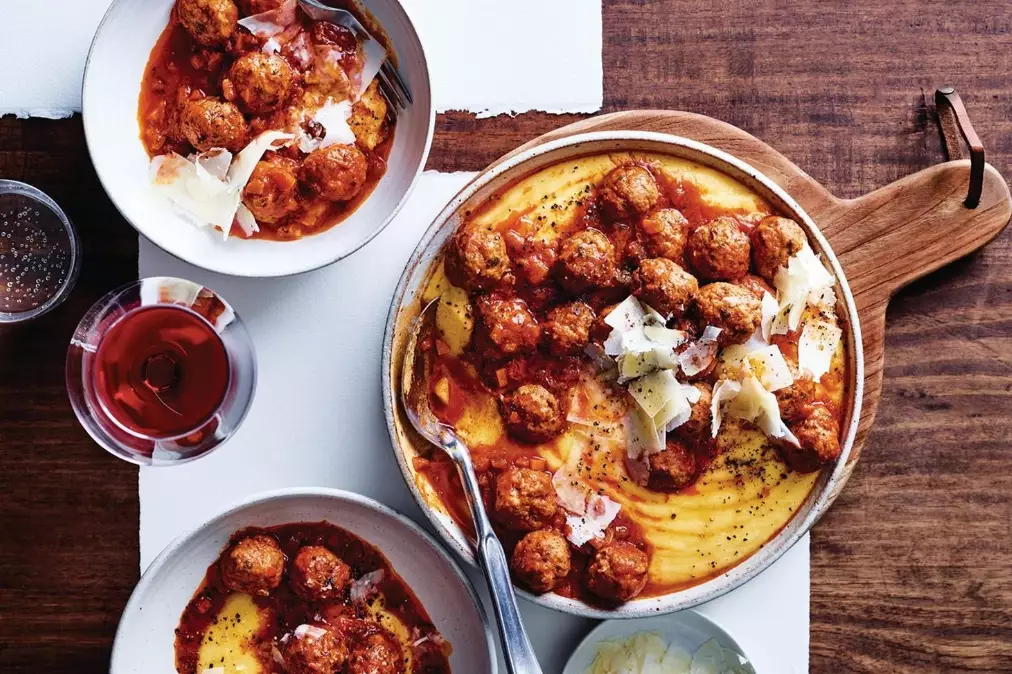
Your Quick Guide to Authentic Italian Cooking
Essential Ingredients for Authentic Italian Cooking
You don't need a pantry from Naples, but getting a few key items right changes everything. This isn't just brand snobbery; it's about flavor profiles that have developed over centuries.
| Ingredient | Authentic Choice & Why | Common Pitfall to Avoid |
|---|---|---|
| Tomatoes | San Marzano DOP canned tomatoes. Grown in volcanic soil near Naples, they are less acidic, sweeter, and have fewer seeds. The difference in a simple marinara is night and day. | Using generic "Italian-style" crushed tomatoes, which are often more watery and acidic. |
| Cheese (for grating) | Parmigiano-Reggiano or Grana Padano. Real Parmigiano is aged 24+ months, with complex nutty, crystalline bits. Grana Padano is slightly milder and more affordable. Both melt beautifully. | Using pre-grated "Parmesan" in a canister. It contains anti-caking agents that ruin texture and lacks real flavor. |
| Olive Oil | Two types: A robust extra virgin for finishing (drizzling on soup, pasta, bread) and a lighter, cheaper pure olive oil for everyday sautéing. | Using your expensive finishing EVOO to fry onions. You'll burn its delicate flavors and waste money. |
| Cured Pork | Pancetta (cured pork belly) or Guanciale (cured pork cheek). Guanciale is fattier and is the true traditional choice for Roman dishes like Carbonara and Amatriciana. | Automatically substituting with smoked bacon. It adds a strong, non-traditional smokiness that overpowers the other ingredients. |
I once made a pasta sauce with a cheap can of tomatoes and couldn't figure out why it tasted so sharp. A Roman friend took one taste and said, “You didn't use the right tomatoes, and you didn't cook them long enough.” Two fundamental errors. The right ingredient is the starting block.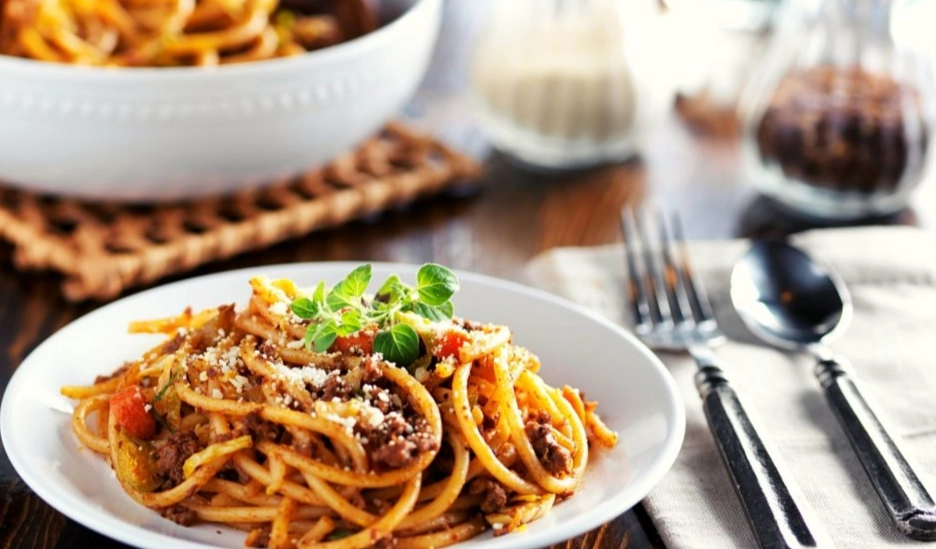
Mastering the Art of Italian Pasta
This is where most home cooks hit a wall. The pasta itself is cooked fine, but the final dish lacks that cohesive, restaurant-quality feel. The secret is in the marriage of pasta and sauce.
The Golden Rule: Pasta should be finished in the sauce, not just topped with it. This is non-negotiable.
How to Cook Pasta the Italian Way
First, use a large pot with abundant, well-salted water. It should taste like the sea. This seasons the pasta from within.
Now, the critical steps most recipes skip:
- Reserve Pasta Water: Before draining, scoop out at least a cup of the starchy cooking water. This liquid gold is your sauce's best friend.
- Undercook Slightly: Drain the pasta 1-2 minutes before the package's al dente time.
- The Marriage: Transfer the undercooked pasta directly into your simmering sauce pan. Add a splash of pasta water. Toss, stir, and cook together for the final 1-2 minutes. The starch in the water helps the sauce emulsify and cling to every strand.
The pasta absorbs the sauce's flavor, and the sauce thickens around the pasta. You get a unified dish, not two separate components on a plate.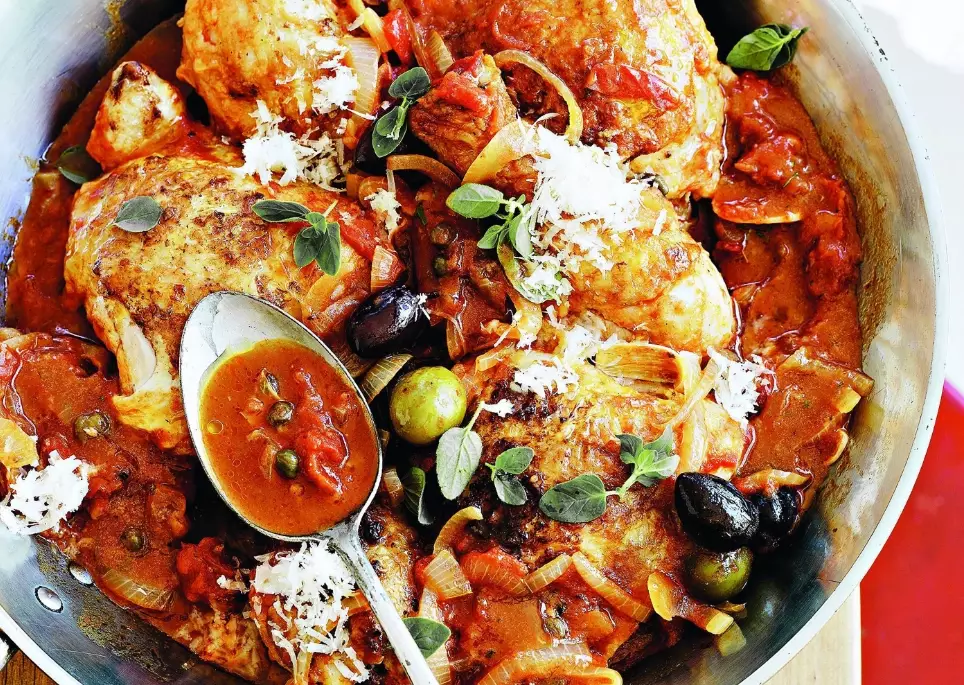
A Common Misconception About Oil
Never, ever add oil to your pasta cooking water. It's a myth that it prevents sticking. All it does is make your pasta slippery, so the sauce slides right off. The only way to prevent sticking is to use enough water and stir occasionally in the first minute.
A Classic Roman Dish: Spaghetti alla Carbonara
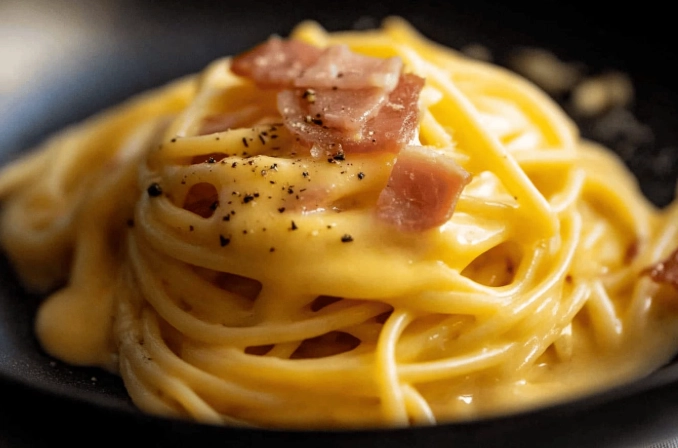
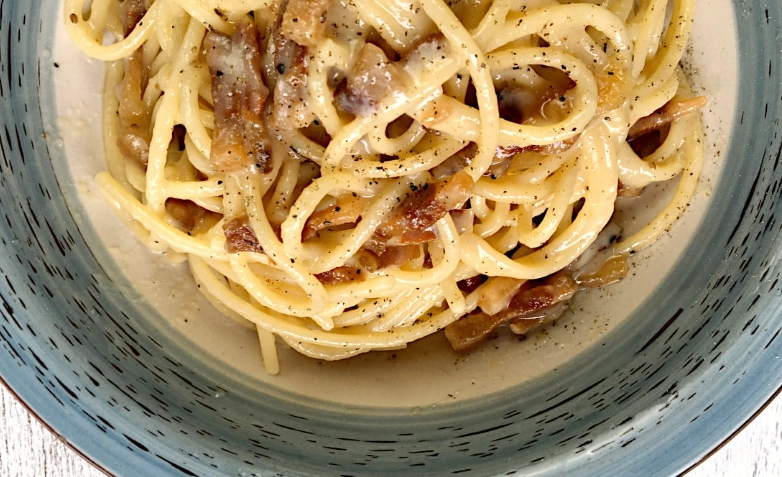
Let's apply everything to a recipe that's butchered more than any other. Authentic carbonara contains no cream, no garlic, no onions. Just pork, eggs, cheese, pepper, and pasta. Its richness comes from emulsion, not dairy.
Ingredients (for 4):
- 400g spaghetti (or rigatoni)
- 150g guanciale (or pancetta), diced
- 4 large egg yolks + 1 whole egg (at room temperature)
- 100g Pecorino Romano cheese, finely grated (Parmigiano is a common mix, but pure Pecorino is Roman)
- Freshly cracked black pepper
- Salt for pasta water
The Method (Where the Magic Happens):
1. Start cooking your pasta in well-salted water.
2. In a cold, large bowl, whisk the egg yolks, whole egg, grated cheese, and a generous amount of black pepper until smooth. Set aside.
3. In a pan large enough to later hold all the pasta, cook the diced guanciale over medium-low heat. You want to render its fat slowly until it's crispy, not burn it. Turn off the heat. Leave the fat in the pan.
4. When the pasta is 2 minutes shy of al dente, transfer it directly into the pan with the guanciale and its fat (use tongs, don't drain it all). Reserve a cup of pasta water. Toss the pasta in the fat over low heat for a minute.
5. The Critical Moment: Remove the pan from the heat. Let it cool for 30 seconds. Now, quickly pour in the egg and cheese mixture, tossing constantly. The residual heat will cook the eggs into a silky sauce, not scramble them. If it looks too thick, add pasta water a tablespoon at a time, tossing until it's creamy and coats the pasta.
6. Serve immediately with more pepper and cheese.
The biggest mistake? Adding the egg mixture to a piping hot pan. You'll get cheesy scrambled eggs. Letting the pan cool slightly is the expert trick nonna never wrote down.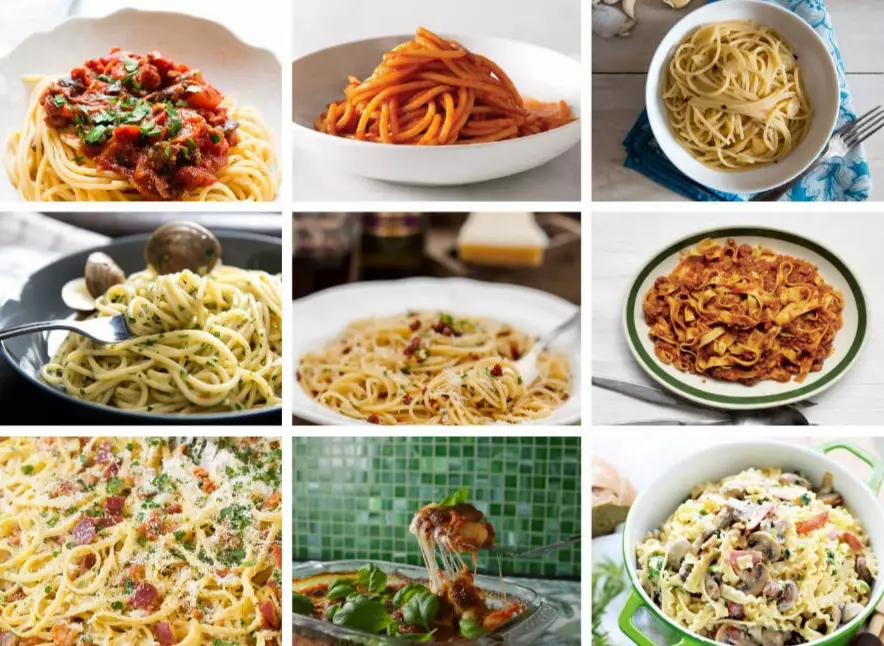
Building Your Repertoire: More Classic Recipes
Once you grasp the principles, you can tackle the canon.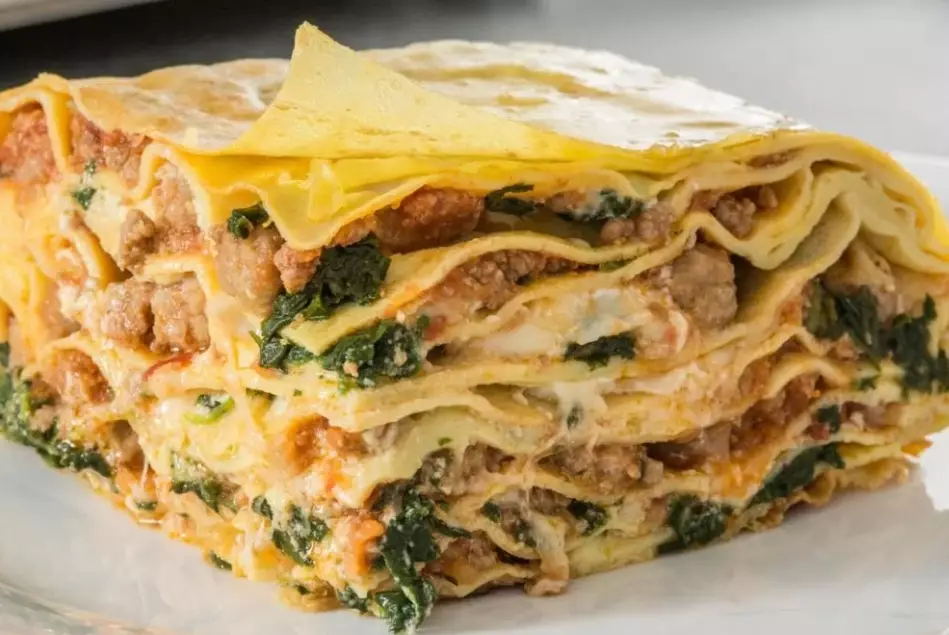
Ragù alla Bolognese is not a quick tomato sauce with ground beef. It's a slow-cooked masterpiece of finely chopped soffritto (celery, carrot, onion), a mix of meats (often including pork and a little pancetta), a splash of milk or wine, and just a small amount of tomato paste or puree. It simmers for at least 2-3 hours. Resources from the official Accademia Italiana della Cucina detail its traditional preparation.
Pesto alla Genovese demands a mortar and pestle. A food processor heats the basil, turning it dark. Crushing the garlic, pine nuts, and basil leaves by hand releases oils and aromas blending can't achieve. Use young, small-leaf basil and real Ligurian extra virgin olive oil.
Risotto is about patience and broth. Toast the rice (Arborio or Carnaroli) in butter/oil until translucent. Add warm broth one ladle at a time, stirring until absorbed before adding more. Finish with butter and cheese off the heat (the mantecatura). The whole process is a mindful 18-20 minutes.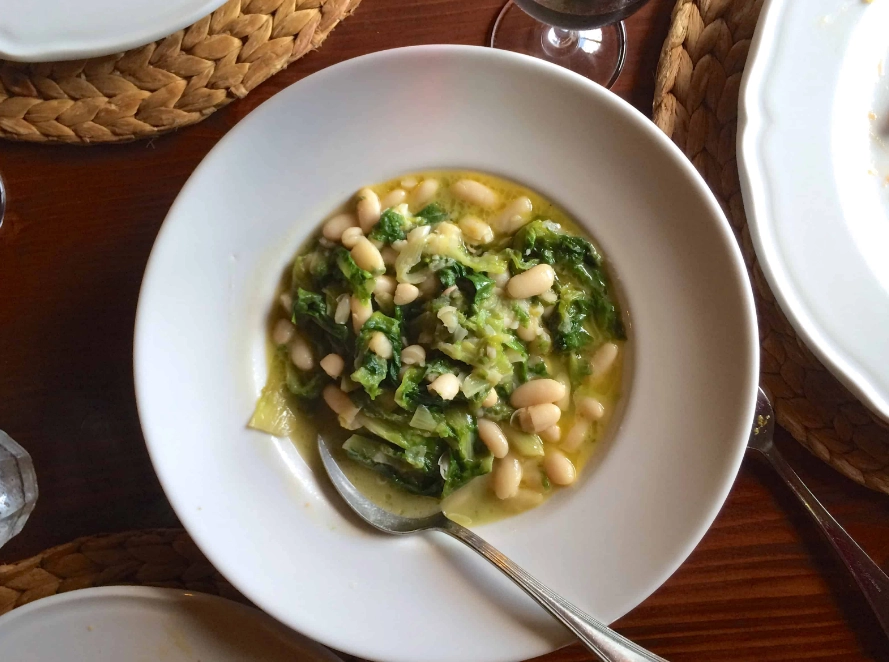
Your Italian Cooking Questions, Answered
Related Articles
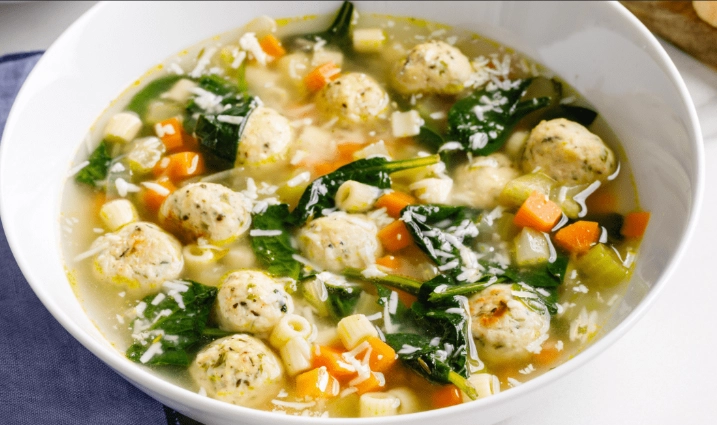
Easy Italian Wedding Soup Recipe (Authentic Flavor, Simple Steps)
Top 10 Italian Foods: The Ultimate List of Must-Try Dishes
5 Traditional Italian Dishes: Authentic Recipes & Where to Try Them
Authentic Carbonara Recipe: How to Make Traditional Italian Pasta
Authentic Spaghetti Carbonara Recipe: The Real Italian Method (No Cream!)