Zesty Italian Dressing Recipe: Easy Homemade Guide
Let's cut to the chase: store-bought Italian dressing often tastes flat and loaded with preservatives. I remember grabbing a bottle last summer for a picnic, and it ruined my salad—too sweet, no zing. That's when I decided to master the zesty Italian dressing recipe at home. It's simpler than you think, and once you try it, you'll never go back. This guide walks you through everything, from picking ingredients to avoiding the pitfalls I stumbled into.
What's Inside This Guide
What Makes Italian Dressing "Zesty" Anyway?
Zesty isn't just a fancy word for tangy. It's that bright, punchy flavor that wakes up your taste buds. In Italian dressing, zestiness comes from the balance of acid (like vinegar or lemon juice), herbs, and a hint of sweetness. Most recipes get it wrong by overdoing the sugar. I learned this from a chef friend who worked in Tuscany—authentic versions rely on fresh herbs and quality oil, not corn syrup.
Think about the last time you had a salad that felt alive. That's zesty. It's the difference between a dull drizzle and a dressing that makes veggies sing.
The Ingredients: More Than Just Oil and Vinegar
Here's the thing: using the right ingredients matters more than following a recipe to the letter. I've broken it down into a table so you can see why each component counts.
| Ingredient | Why It's Important | Best Choices |
|---|---|---|
| Olive Oil | Forms the base; adds richness and helps emulsify. | Extra virgin olive oil (EVOO)—look for cold-pressed. |
| Vinegar | Provides acidity and zing. | Red wine vinegar or white wine vinegar. |
| Garlic | Adds depth and a savory kick. | Fresh garlic cloves, minced finely. |
| Herbs | Gives that Italian aroma and flavor. | Dried oregano, basil, and parsley. |
| Sweetener | Balances acidity; too much kills zestiness. | Honey or a teaspoon of sugar. |
| Mustard | Acts as an emulsifier; optional but recommended. | Dijon mustard for a smooth blend. |
I once used cheap vegetable oil, and the dressing tasted greasy. Stick with EVOO—it's worth the splurge. According to the International Olive Council, high-quality EVOO has polyphenols that enhance flavor and stability.
The Role of Fresh vs. Dried Herbs
Many blogs swear by fresh herbs, but dried ones work better here. They infuse slowly, giving a more consistent flavor. Fresh herbs can turn bitter if stored too long. If you insist on fresh, add them just before serving.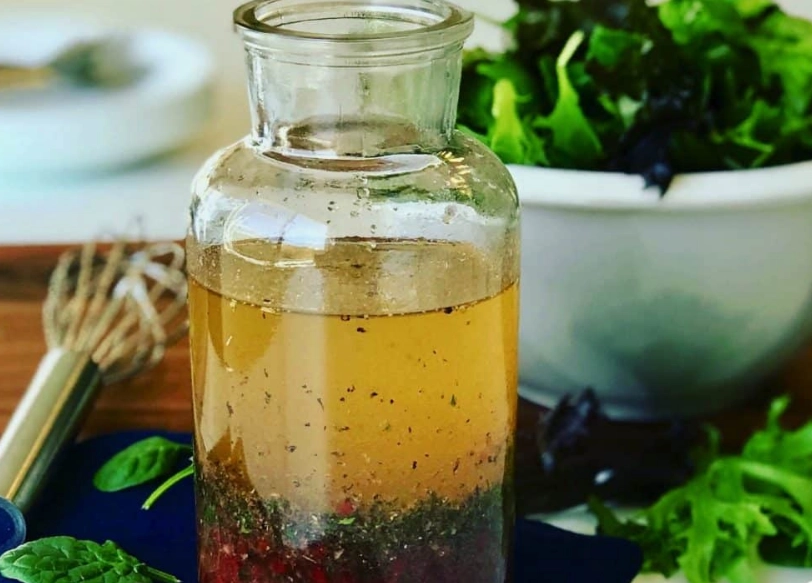
Step-by-Step: How to Make Zesty Italian Dressing
This isn't rocket science, but a few tricks make all the difference. I'll walk you through it like I'm in your kitchen.
Step 1: Gather Your Tools
You'll need a jar with a tight lid or a small whisk. A mason jar works perfectly—easy to shake and store.
Step 2: Combine the Wet Ingredients
In the jar, add 1/2 cup of extra virgin olive oil, 1/4 cup of red wine vinegar, and a tablespoon of Dijon mustard. The mustard isn't just for flavor; it helps bind everything so it doesn't separate. Shake it for 10 seconds to start emulsifying.
Step 3: Add the Flavor Boosters
Throw in 2 minced garlic cloves, 1 teaspoon of dried oregano, 1/2 teaspoon of dried basil, and a pinch of salt and black pepper. Here's my secret: crush the dried herbs between your palms before adding—it releases oils for more aroma.
Step 4: Sweeten It Up
Add a teaspoon of honey or sugar. Don't skip this; it rounds out the acidity. But go easy—I've seen recipes with a tablespoon, and it ends up tasting like candy.
Step 5: Shake and Taste
Seal the jar and shake like you mean it for 30 seconds. Taste it. Too tangy? Add a bit more oil. Too bland? A squeeze of lemon juice can brighten it up. Let it sit for 30 minutes before using; the flavors meld better.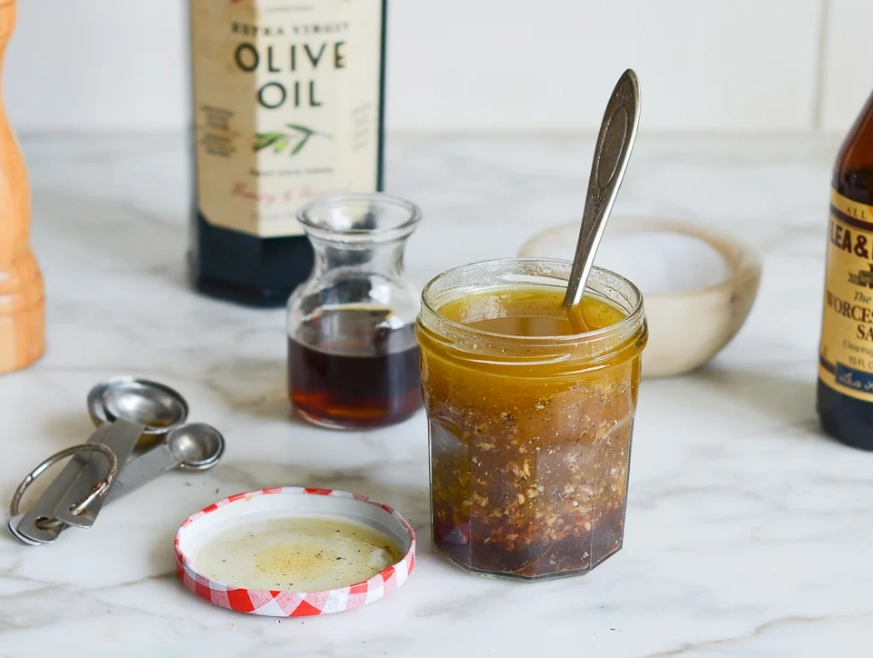
Pro Tip: If you're making a larger batch, use a blender on low speed for 10 seconds. Over-blending can heat the oil and ruin the texture.
Common Mistakes (And How to Dodge Them)
I've messed up enough times to know what to avoid. Here are the big ones:
- Using old herbs: Dried herbs lose potency after six months. Sniff them—if they smell like dust, toss them. I learned this the hard way when my dressing tasted like cardboard.
- Skipping the emulsifier: Without mustard or another binder, the oil and vinegar separate quickly. It's still edible, but looks unappetizing.
- Over-salting: Salt draws out moisture from veggies, making salads soggy. Add salt to the salad, not just the dressing.
- Storing in plastic: Glass jars are better—they don't absorb odors. Plastic can leach flavors.
A friend once added balsamic vinegar instead of red wine vinegar. It turned the dressing muddy and too sweet. Stick to lighter vinegars for that zesty punch.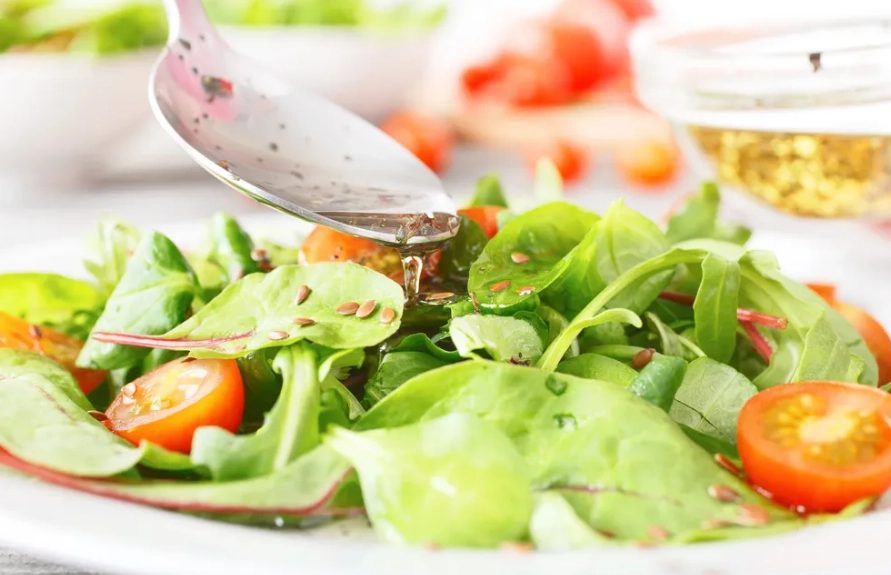
How to Customize Your Dressing
This recipe is a template. Play with it based on what you have.
For a Creamier Version: Add 2 tablespoons of Greek yogurt or mayonnaise. It makes it richer, great for pasta salads.
For a Vegan Twist: Use maple syrup instead of honey, and ensure the mustard is vegan-friendly. Some Dijon brands contain wine.
For Extra Zing: Add a teaspoon of lemon zest or a pinch of red pepper flakes. I love the heat—it cuts through fatty dishes.
For Herb Lovers: Toss in fresh chopped parsley or chives at the end. They add a green freshness.
I often double the batch and use it as a marinade for chicken. Let it sit overnight, and the flavors penetrate deeply.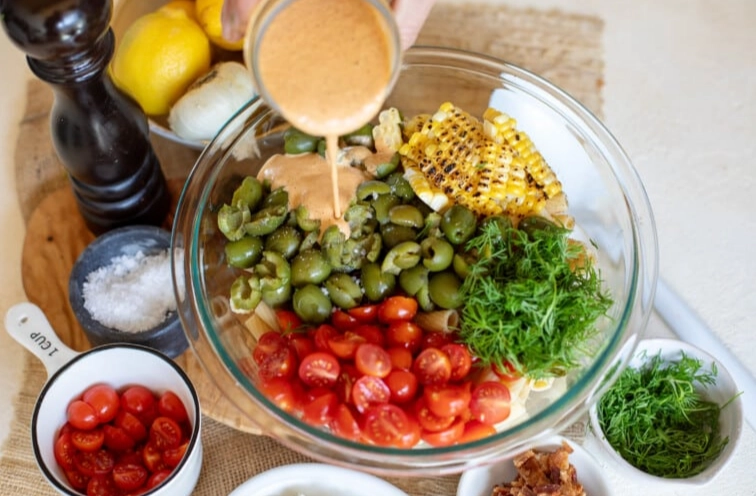
Your Questions Answered
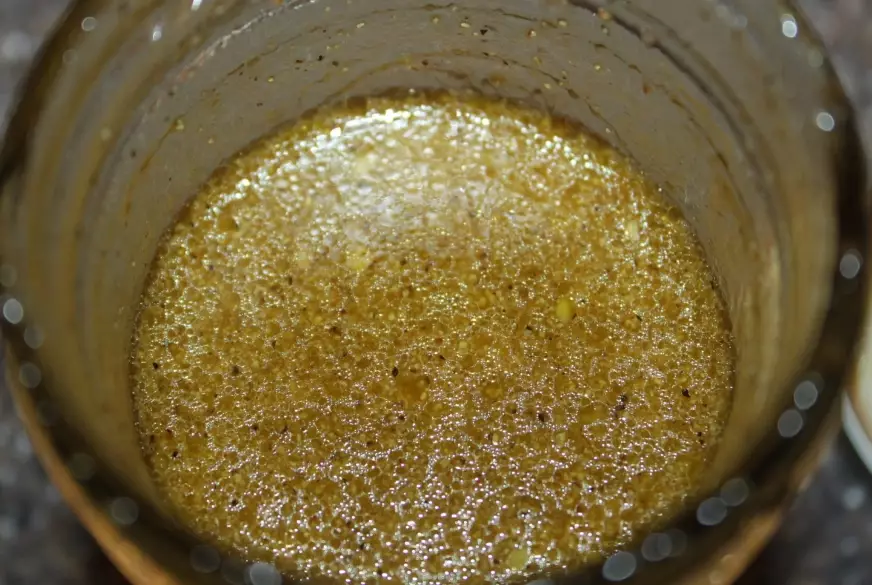 Making zesty Italian dressing at home is a game-changer. It's cheaper, healthier, and you control the flavors. Start with the basic recipe, then tweak it to your taste. Once you get it right, salads become something you actually look forward to. Give it a shot this week—you might just ditch the bottled stuff for good.
Related Articles

The scale of securities lending and securities lending has dropped by more than
Authentic Italian Beef Recipe: The Ultimate Chicago-Style Sandwich Guide
Authentic Italian Carbonara Recipe: The Only Guide You'll Ever Need

Geely and Zeekr have the best semi-annual reports, half of which rely on sales g
Simple Pasta Recipes for Busy Weeknights: 3 Classics Made Easy