Italian Sausage Recipes: From Classic Pasta to Grilled Skewers
Let's talk about Italian sausage. It's not just a pizza topping. In my kitchen, it's the secret weapon for turning a simple weeknight meal into something that feels special, hearty, and deeply satisfying. That distinct blend of fennel, garlic, and herbs—whether you go for the sweet "mild" version or the spicy "hot" one—carries so much flavor on its own that it makes cooking easier. Over the years, I've moved beyond just tossing it in sauce and discovered a whole world of recipes that truly let it shine.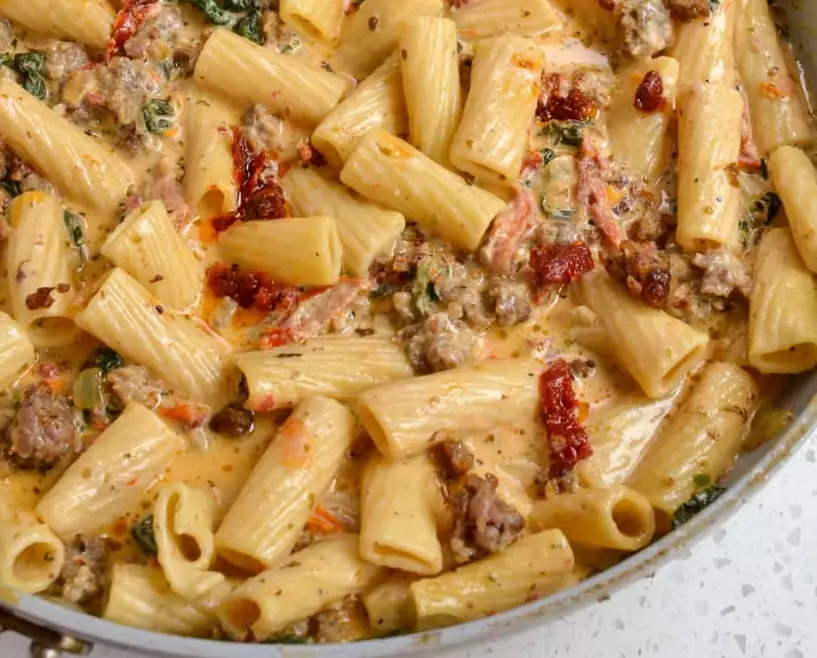
What's Inside This Guide?
- Classic Pasta Perfection: Sausage & Broccoli Rabe
- The 30-Minute Skillet Dinner: Sausage, Peppers & Potatoes
- The Crowd-Pleasing Grilled Appetizer: Sausage & Onion Skewers
- How to Choose the Right Italian Sausage for Your Recipe
- Common Italian Sausage Cooking Mistakes to Avoid
- Your Italian Sausage Questions, Answered
Classic Pasta Perfection: Sausage & Broccoli Rabe
This is the dish that made me fall in love with Italian sausage. It's rustic, bitter, spicy, and creamy all at once. The key is balancing the bitterness of the broccoli rabe (also called rapini) with the fat from the sausage and the starch from the pasta water.
The Recipe at a Glance
Feeds: 4 | Active Time: 25 mins | Key Flavor: Spicy, bitter, creamy
What You'll Need: 1 lb hot Italian sausage (casings removed), 1 large bunch broccoli rabe (ends trimmed), 3 cloves garlic (sliced), 1/2 cup grated Pecorino Romano cheese (Parmigiano-Reggiano works too), 1 lb short pasta like orecchiette or rigatoni, red pepper flakes, olive oil, salt.
The Move: Boil your pasta in well-salted water. In the last 3 minutes, add the chopped broccoli rabe to blanch. Meanwhile, brown the crumbled sausage in a large skillet until cooked through. Add garlic and a pinch of red pepper flakes for 60 seconds. Scoop out a cup of pasta water, then drain the pasta and rabe. Toss everything into the skillet with the sausage, half the cheese, and a splash of pasta water. Stir vigorously until a glossy sauce forms. Serve with more cheese on top.
Why orecchiette? The little "ears" catch the sausage crumbles perfectly. If broccoli rabe is too bitter for you, try broccolini or even regular broccoli florets. The dish changes, but it's still fantastic.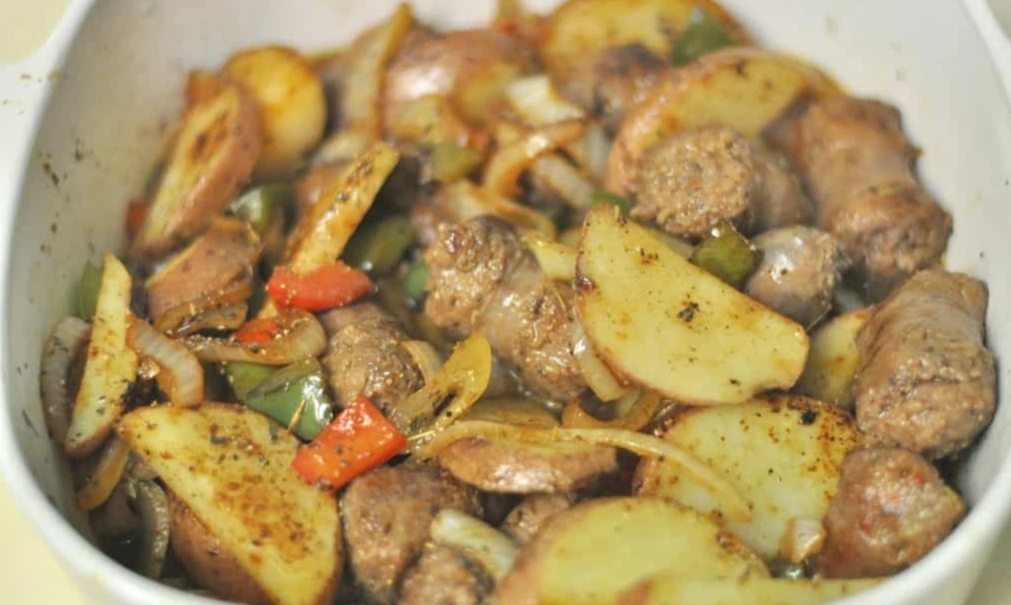
The 30-Minute Skillet Dinner: Sausage, Peppers & Potatoes
When the clock is ticking and everyone's hungry, this is my fail-safe. It's a complete meal in one pan, with minimal cleanup. The trick is cutting the potatoes small enough to cook through quickly.
I use sweet Italian sausage links here. The fennel seed in the sausage pairs magically with the caramelized peppers and onions. You'll need a large, oven-safe skillet.
Here's how it goes down: Preheat your broiler. Prick the sausage links a few times with a fork (this is the only time I recommend poking them before cooking, to prevent bursting under the broiler). Brown them in the skillet over medium heat for about 5 minutes, then remove. In the same fat, toss in diced Yukon Gold potatoes, sliced bell peppers (I use a mix of colors), and a sliced onion. Season well with salt, pepper, and dried oregano. Let them cook, stirring occasionally, for 15-20 minutes until the potatoes are tender.
Nestle the sausages back in, tuck in some halved cherry tomatoes, and throw the whole skillet under the broiler for 3-5 minutes until everything is beautifully charred at the edges. Finish with fresh parsley.
The Crowd-Pleasing Grilled Appetizer: Sausage & Onion Skewers
This might be my favorite way to serve Italian sausage at a summer cookout. It's interactive, smoky, and incredibly simple. You're essentially making little sausage and onion "pops."
Use hot or sweet sausage—your choice. Cut each link into 1-inch chunks. Alternate them on skewers with thick slices of red onion and chunks of sturdy bread, like ciabatta. The bread soaks up the sausage drippings and becomes the best part.
Brush lightly with olive oil and grill over medium heat, turning often, until the sausage is cooked through and the bread is toasted. Serve with a simple dipping sauce of good-quality marinara warmed with a splash of balsamic vinegar. People go crazy for these.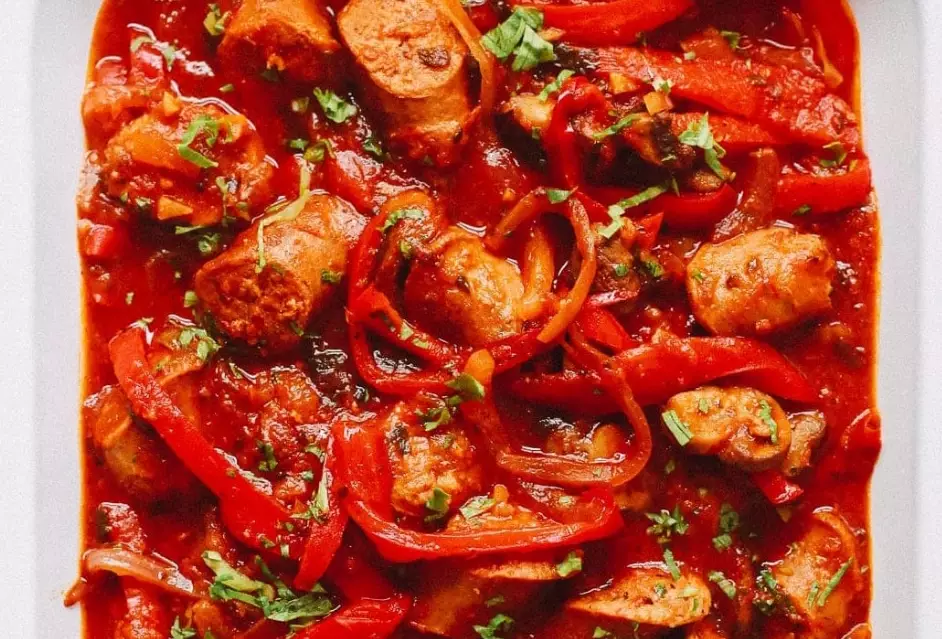
How to Choose the Right Italian Sausage for Your Recipe
Not all Italian sausage is created equal. Walking up to the meat counter can be confusing. Here’s a quick breakdown to cut through the noise.
| Type | Flavor Profile | Best Used For | My Personal Pick |
|---|---|---|---|
| Sweet (Mild) | Fennel-forward, garlicky, herbal, no heat. | Dishes where you want the herbal notes to shine: with peppers & onions, in stuffings, with creamy sauces. | My go-to for family meals where spice might be an issue. |
| Hot | All of the above, plus a pronounced kick from red pepper flakes. | Pasta dishes (like with broccoli rabe), pizza, anything where you want a spicy counterpoint. | For my personal cooking, 90% of the time. The heat is usually mild-medium. |
| With vs. Without Fennel Seed | Fennel seed gives that classic licorice note. Without it, it's more generically savory. | If you dislike licorice flavor, seek out "fennel-free" versions. Otherwise, embrace the classic. | I always choose with fennel. It's the signature flavor. |
A note on casings: Most supermarket Italian sausage comes in natural casings. They're edible and provide a great snap when cooked properly. You can also find "bulk" or casing-free sausage, which is perfect for crumbles in sauces or stuffing.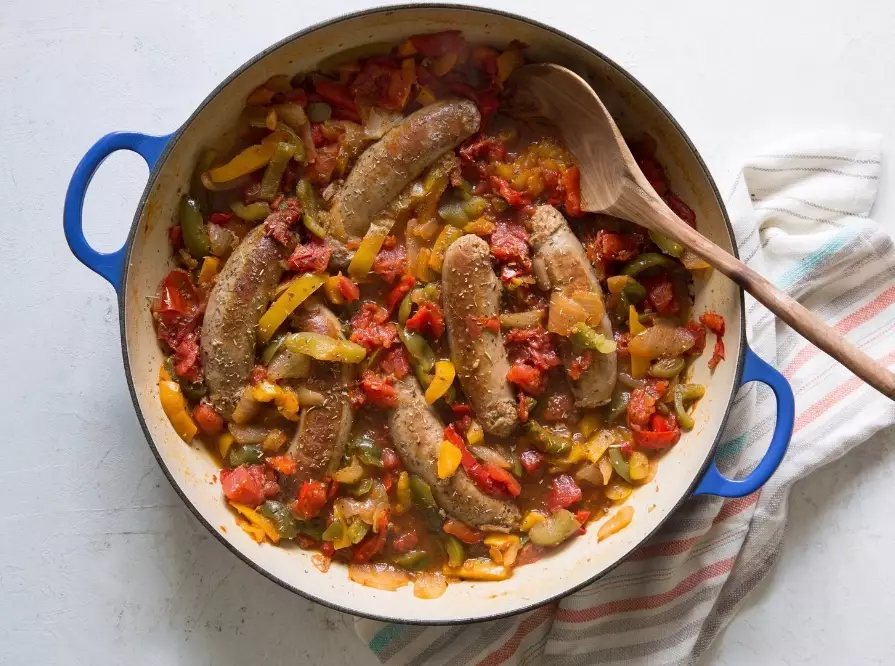
Common Italian Sausage Cooking Mistakes to Avoid
I've made these so you don't have to. Learning from these errors will instantly upgrade your sausage game.
1. Boiling It First
Some old-school recipes tell you to boil sausage to cook it through before browning. Please don't. This leaches all the precious flavor and fat into the water, leaving you with a bland, rubbery tube. Always start with dry heat—pan-searing, baking, or grilling—to develop a flavorful crust and keep the juices inside.
2. Cooking Straight from the Fridge
Letting your sausage sit on the counter for 15-20 minutes before cooking helps it cook more evenly. A cold center means the outside can overcook while waiting for the inside to reach temperature.
3. Storing It Wrong
If you're not using it within a day or two of purchase, freeze it. Wrap individual links or portions tightly in plastic wrap and then in a freezer bag. According to the USDA's food safety guidelines, fresh sausage should be cooked or frozen within 1-2 days for optimal safety and quality. Label it with the date.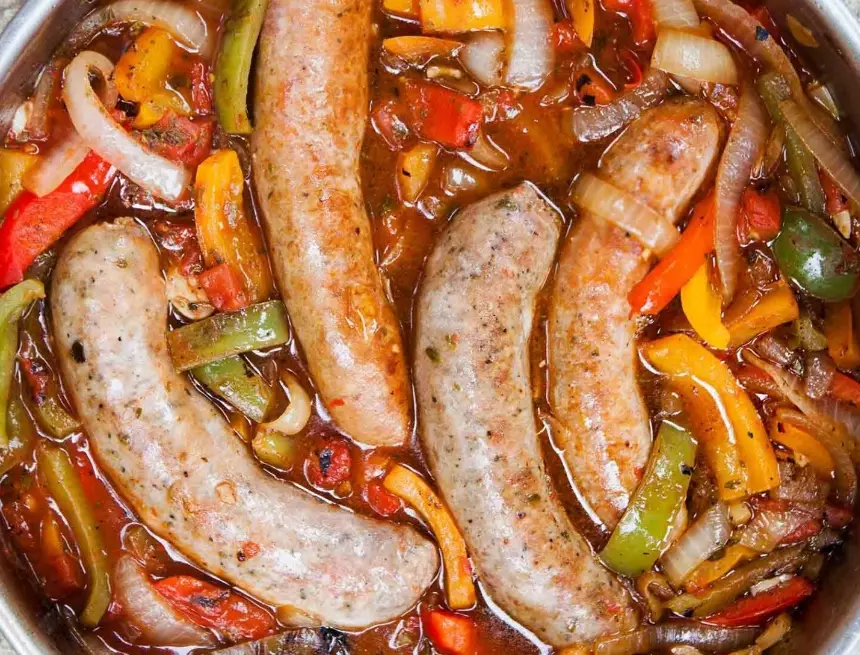
Your Italian Sausage Questions, Answered
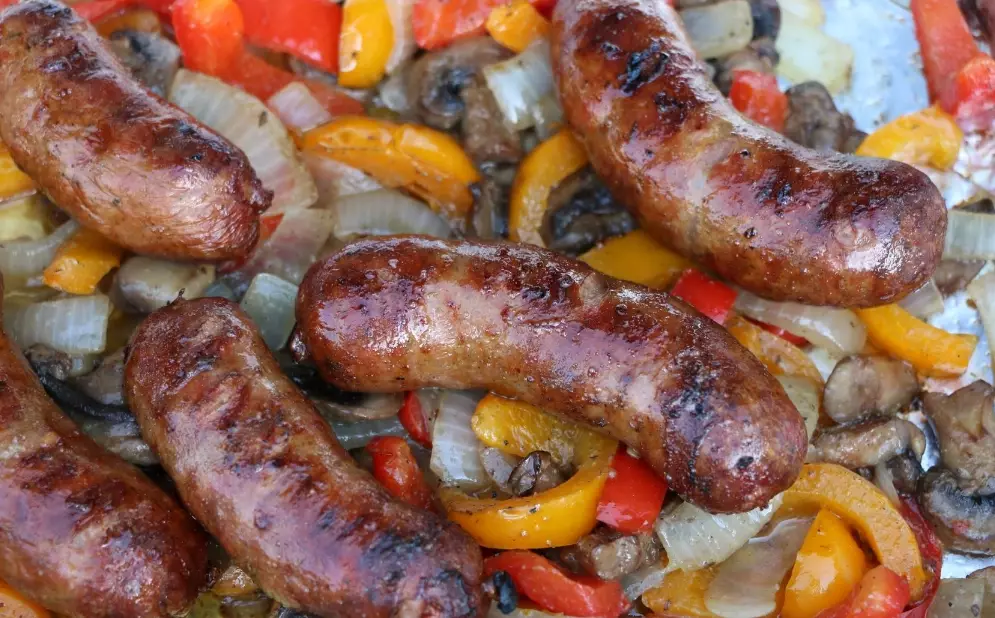 The beauty of Italian sausage is its versatility. It’s a weeknight savior and a weekend showstopper. Start with one of these recipes, pay attention to those cooking tips, and you’ll see why it’s a staple that never gets old in my house. Now, go grab some sausage and get cooking.
Related Articles
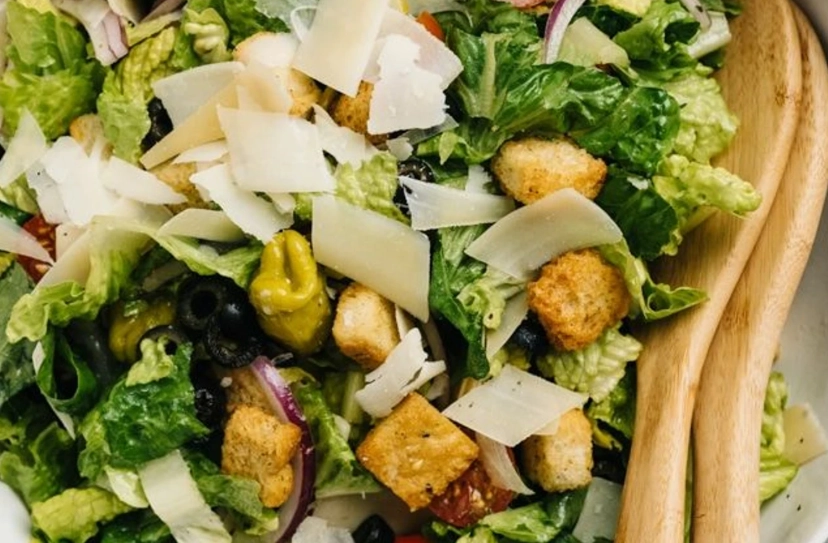
Real Italian Salad Recipes: Authentic Classics & Modern Twists
Unlock the Secrets of Italian Seasoning: A Guide to the Essential Ingredients

Two 1 billion US dollars of large model financing, Internet giants are starting

What is the dispute over the open and closed source of large models?

Sudden good news! The RMB surged 300 points, 4,100 A-shares rose, and banks that