Authentic Italian Beef Recipe: Slow-Cooked Chicago-Style Sandwiches
Let's be honest. If you've ever had a real Chicago-style Italian beef sandwich, you've dreamed about recreating it. That mountain of paper-thin, incredibly tender beef, soaked in a savory, garlicky jus, topped with spicy giardiniera, all on a crusty yet absorbent roll. It's a mess to eat, and it's absolutely perfect. Most recipes online get you close, but they often miss the tiny details that make it authentic. After years of trial and error (and one memorable failure where the beef turned out like shoe leather), I've nailed down a method that delivers the real deal. This isn't just a recipe; it's a blueprint for one of America's great sandwich traditions.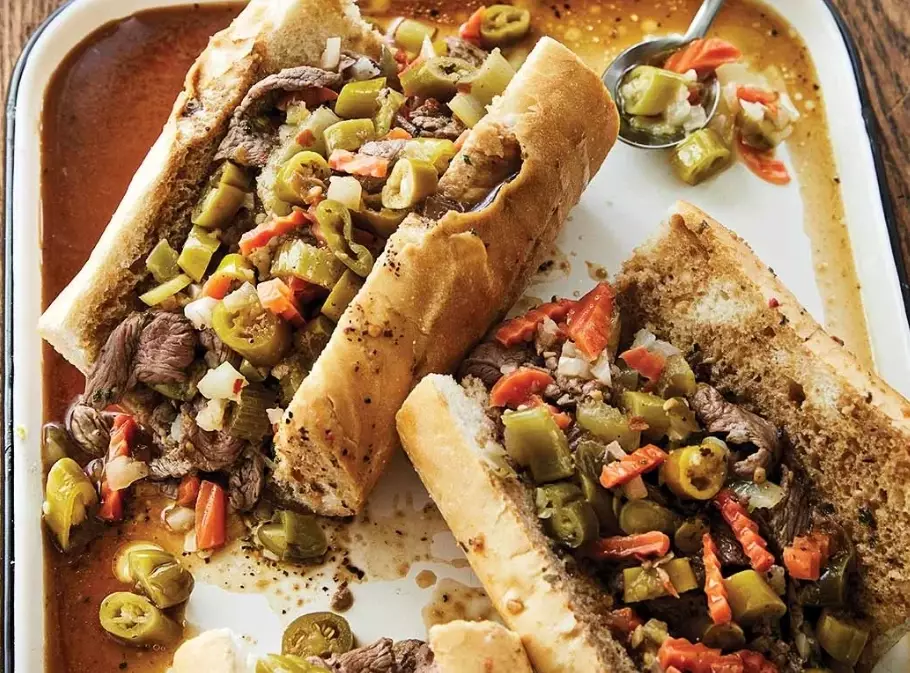
Your Journey to Perfect Italian Beef
What Makes a Chicago Italian Beef Authentic?
This sandwich has a history. It was born in the 1930s in Chicago's Italian-American communities, created to stretch expensive cuts of meat for weddings and large gatherings. The beef was roasted, sliced thin to feed more people, and the drippings were used as a gravy to keep it moist. That practical origin defines its character today.
An authentic version has three pillars you can't compromise on:
- The Beef: It must be slow-cooked until fall-apart tender, then sliced paper-thin. Thick slices are a different sandwich entirely.
- The Jus (Gravy): This is the soul of the dish. It's not just beef broth. It's the concentrated, seasoned cooking liquid, infused with garlic, herbs, and the beef's own rendered goodness.
- The Assembly: The roll is dipped—or the beef is dipped—in the jus before building. This is non-negotiable. It's what creates that gloriously soggy, flavorful bite.
You'll see "dry" (no jus), "wet" (dipped), and "dipped" (fully submerged) as ordering terms. For home, we aim for "wet."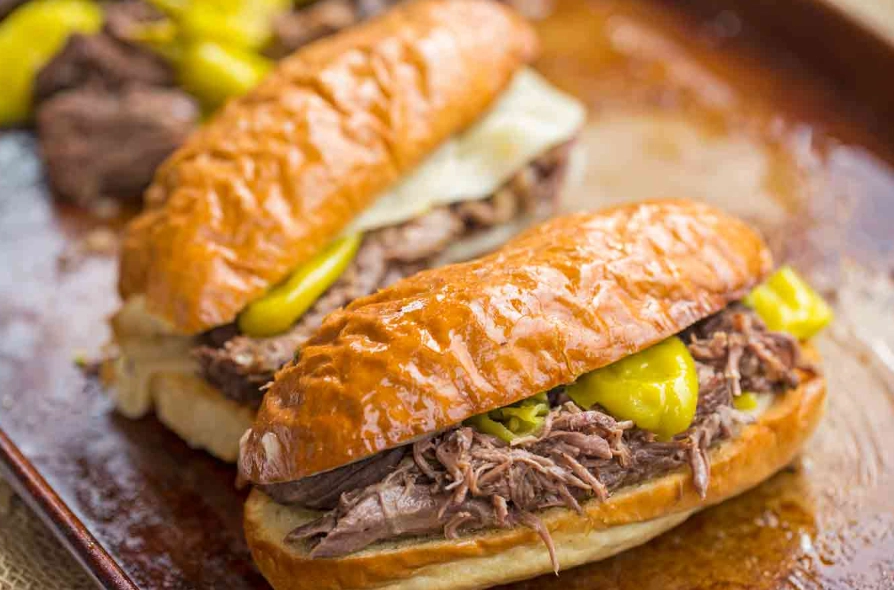
The Non-Negotiable Ingredients & Tools
You can't build a great house with cheap materials. Same goes for Italian beef.
The Beef Cut: This is your biggest decision. You need a tough, marbled cut that loves long cooking. Here’s the breakdown from my experience:
| Cut of Beef | Why It Works (or Doesn't) | Fat Content & Flavor | My Verdict |
|---|---|---|---|
| Chuck Roast | Perfect balance of fat, connective tissue, and meat. Breaks down beautifully. | High. Rich, beefy flavor. | The Champion. Consistent, affordable, foolproof. |
| Bottom Round / Rump Roast | Leaner. Can work but dries out easier if overcooked by even 30 minutes. | Low to Medium. Less rich. | Good in a pinch. Requires more attention. |
| Brisket (Flat Half) | Great flavor, but can be tricky to slice thin across the grain after cooking. | Medium (when trimmed). | Delicious, but better for Texas-style BBQ. |
Other Key Players:
- Seasonings: Granulated garlic and onion (not powder—they burn), dried oregano, crushed red pepper flakes. Simple.
- Broth: Use a good quality, low-sodium beef broth. You're reducing it, so regular will get too salty.
- Giardiniera: The spicy, pickled vegetable relish. Store-bought is fine (I like the oil-packed kind from brands like Vienna Beef or Scala's), but making your own is a game-changer.
- Rolls: French or Italian rolls with a sturdy crust and a soft, airy interior. A soft hoagie roll will disintegrate. If the crust shatters a little when you squeeze it, you're on the right track.
Tool Tip: A sharp, long slicing knife is more important than any fancy appliance. A mandoline makes quick work of the giardiniera vegetables if you're going homemade.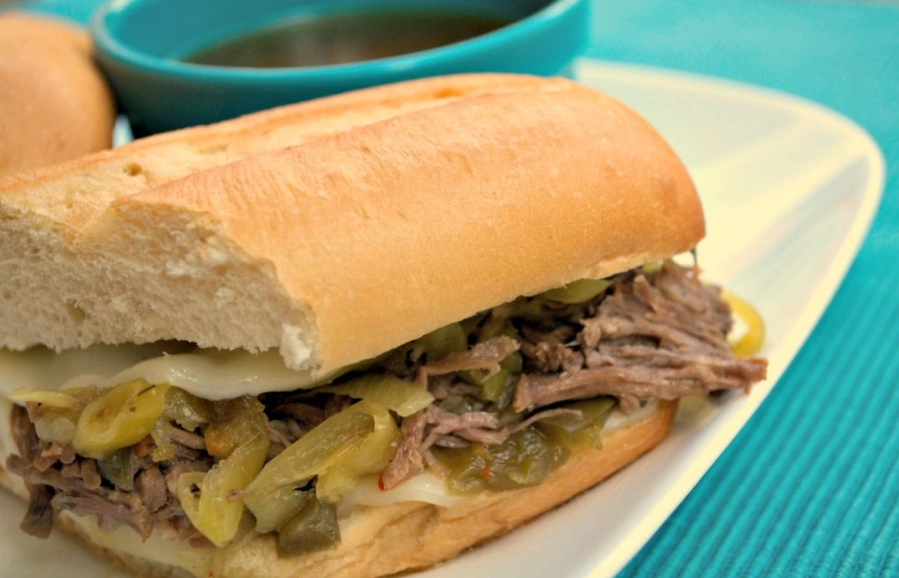
Step-by-Step Recipe: Building Flavor Layers
This process is about building depth. Don't rush any step.
Part 1: The Slow-Cooked Beef & Jus
Ingredients:
- 1 (4-5 lb) beef chuck roast, trimmed of large fat caps
- 2 tbsp vegetable oil
- 1 tbsp kosher salt
- 2 tsp black pepper
- 2 tbsp granulated garlic
- 1 tbsp granulated onion
- 2 tsp dried oregano
- 1 tsp crushed red pepper flakes
- 4 cups low-sodium beef broth
- 1 cup water
- 4-6 garlic cloves, smashed
- 2 bay leaves
Method:
Pat the roast completely dry. This is crucial for a good sear. Mix the salt, pepper, granulated garlic, granulated onion, oregano, and red pepper flakes. Rub it all over the roast. Let it sit for 30 minutes at room temp.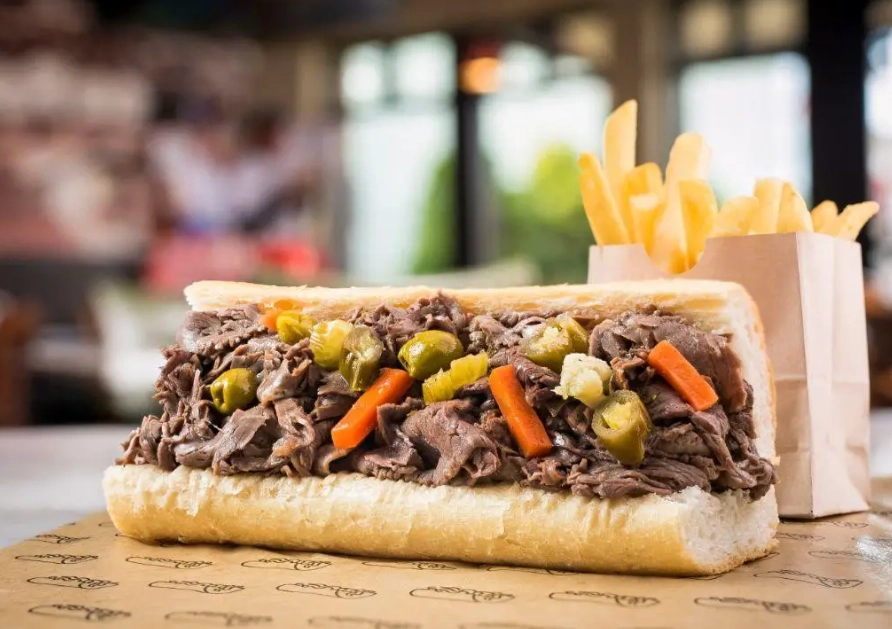
Heat the oil in a large Dutch oven over medium-high heat. Sear the roast on all sides until deeply browned. Don't move it around; let a proper crust form. This takes about 4-5 minutes per side.
Pour in the beef broth and water—it will sizzle and steam. Add the smashed garlic cloves and bay leaves. Scrape up any browned bits from the bottom. That's flavor.
Bring to a bare simmer, then cover and reduce the heat to the lowest setting. Let it cook, turning the roast once halfway, until it's fork-tender and wants to fall apart. This takes 3 to 3.5 hours. Check with a fork after 2.5 hours. It should meet little to no resistance.
Transfer the roast to a cutting board, tent with foil, and let it rest for at least 30 minutes. This lets the juices redistribute.
Strain the cooking liquid (the jus) into a saucepan. Skim off excess fat from the top. Bring it to a boil and let it reduce by about one-third until it tastes rich and concentrated. Season with a pinch of salt if needed. Keep it warm.
Slow Cooker Method: Sear the roast in a skillet first, then transfer everything to your slow cooker. Cook on LOW for 8-9 hours. The jus will be thinner, so reduce it more aggressively in a saucepan afterward.
Part 2: The Giardiniera (Optional but Recommended)
While the beef cooks, chop 1 cup cauliflower florets, 2 celery stalks, 1 bell pepper, and 1-2 serrano peppers. Toss with 1 tbsp salt, let sit for 1 hour, then rinse. Pack into a jar with 4-5 garlic cloves and 1 tbsp dried oregano. Heat 1 cup white vinegar, 1 cup water, and 2 tbsp sugar until dissolved. Pour over veggies, cool, then refrigerate. It's ready in a few hours, best after a day.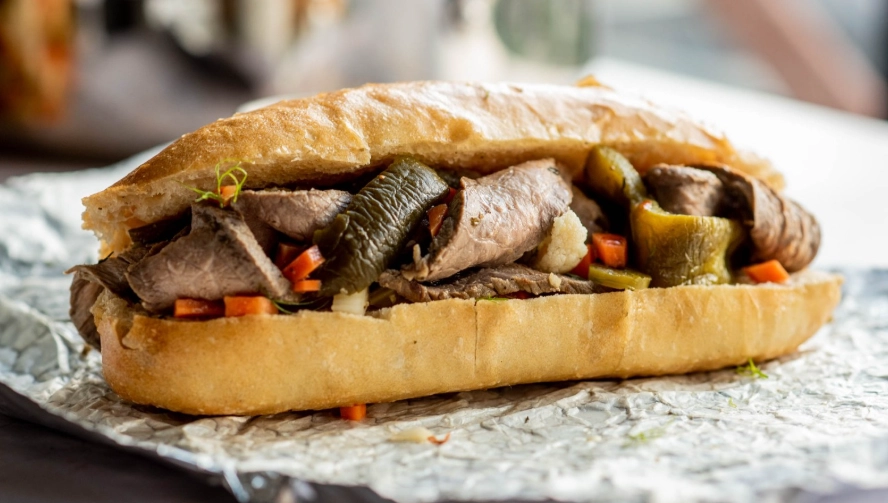
The Art of Assembling the Sandwich
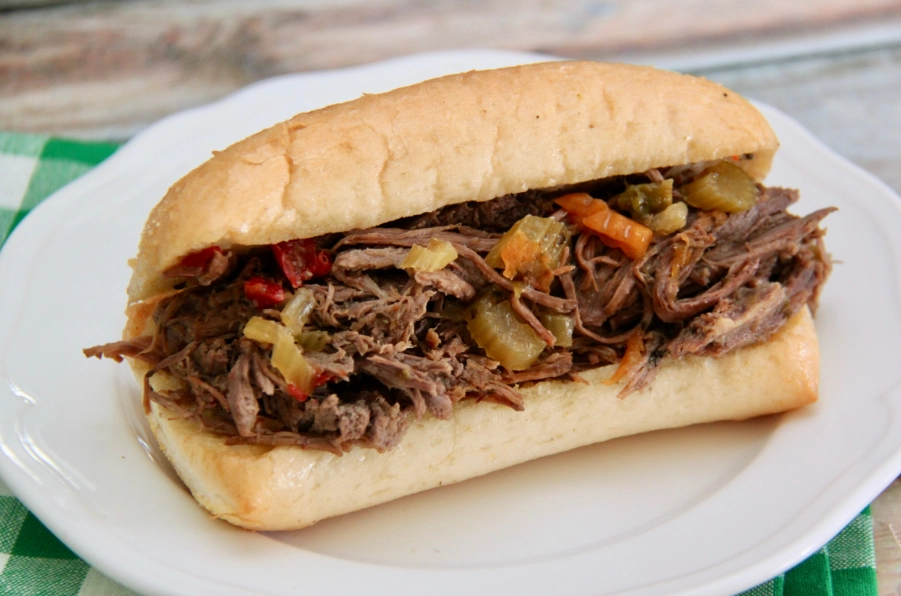
This is where the magic happens. Slice the rested beef across the grain as thin as humanly possible. I'm talking deli-slice thin. Use a sharp knife and a gentle sawing motion.
Have your warm jus in a shallow dish. Take your crusty roll and quickly dip the top half into the jus. Don't soak it—just a one-second dip to wet the interior.
Pile a generous amount of sliced beef onto the bottom half of the roll. Ladle a spoonful or two of warm jus directly over the beef pile. It should look juicy.
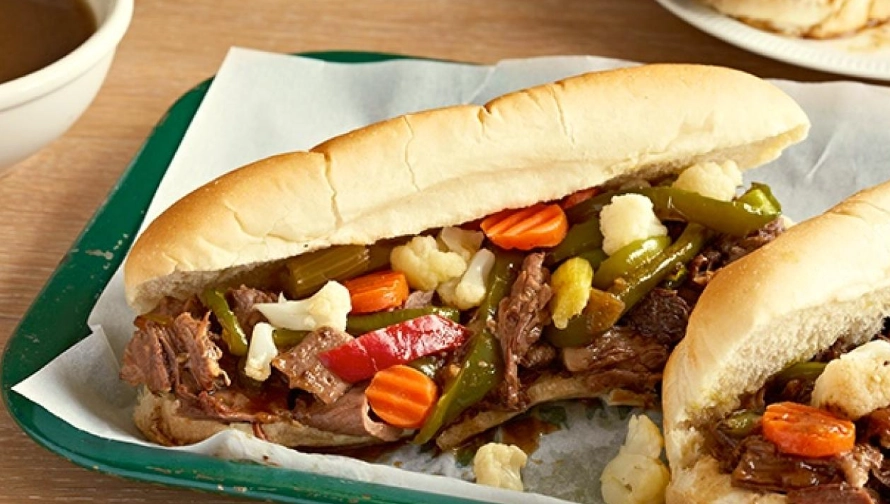
Top with a hefty spoonful of giardiniera. For the classic "combo," add a link of Italian sausage, cooked and split lengthwise.
Serve immediately with plenty of napkins. A side of crispy fries or sweet pepper strips is traditional.
Common Mistakes & Expert Fixes
I've made these so you don't have to.
- Mistake: Slicing the beef with the grain. Fix: Identify the long muscle fibers before you cook. After resting, slice perpendicular to them. This makes each strand short and tender.
- Mistake: Using garlic/onion powder in the rub. Fix: Use granulated. Powders can burn during searing and create a bitter taste.
- Mistake: Boiling the beef instead of simmering. Fix: A bare simmer. Bubbles should just barely break the surface. Boiling makes the meat tough and dry.
- Mistake: Skipping the sear. Fix: Don't. The Maillard reaction creates hundreds of flavor compounds you can't get otherwise. It's the foundation.
- Mistake: A soggy, fallen-apart sandwich. Fix: Your roll is wrong. It needs structural integrity. Test it by giving it a light squeeze. It should have some backbone.
Your Italian Beef Questions, Answered
 How do I prevent my Italian beef from being too dry or too tough?
Making authentic Italian beef is a project, but it's a deeply rewarding one. It fills your house with an incredible aroma and delivers a feast that feels like a celebration. It's about technique more than complexity. Get the right cut, cook it low and slow, slice it thin, and don't be shy with the jus. Do that, and you'll have a sandwich that rivals any you'd find in Chicago.
Related Articles
Master Italian Meatloaf: Authentic Family Recipe
What Is the Most Popular Italian Dish? Top Contenders Revealed
Italian Sausage Dinner Recipes: Easy, Flavorful Family Meals
Authentic Spaghetti Carbonara Recipe: The Real Italian Method (No Cream!)
A Typical Italian Dinner at Home: The Real Menu & Traditions
Simple Italian Regional Recipes: Authentic Dishes Made Easy
Authentic Italian Meatballs Recipe: Tender, Juicy & Full of Flavor
Minestrone Soup Recipe: An Italian Classic Made Simple

Authentic Italian Zeppole Recipe: Easy Homemade Fried Dough Guide

Ten-fold stocks appeared! A-shares set off a "price increase", foreign capital b
Top 10 Italian Cocktails: From Negroni to Spritz & Beyond
Italian Sausage Pasta Recipes: A Complete Guide to Classic Comfort Food
Unlock Flavor: 5 Essential Italian Seasoning Recipes & Pro Tips
Ultimate Italian Recipes List: From Pasta to Desserts
Authentic Italian Appetiser Recipes for Your Next Gathering
Authentic Italian Pasta Recipes: A Complete Cooking Guide
Master Old School Italian Recipes: Authentic Pasta, Ragù & More

Sausage Dinner Ideas: What Meals Can I Make with Sausages?

Is Xiaomi Auto dumped?
Ultimate Guide to Classic Italian Baked Pasta Dishes
Authentic Italian Pasta Sauce Recipes: From Classic Tomato to Rich Ragù

What is the Traditional Drink of Italy? The Definitive Guide
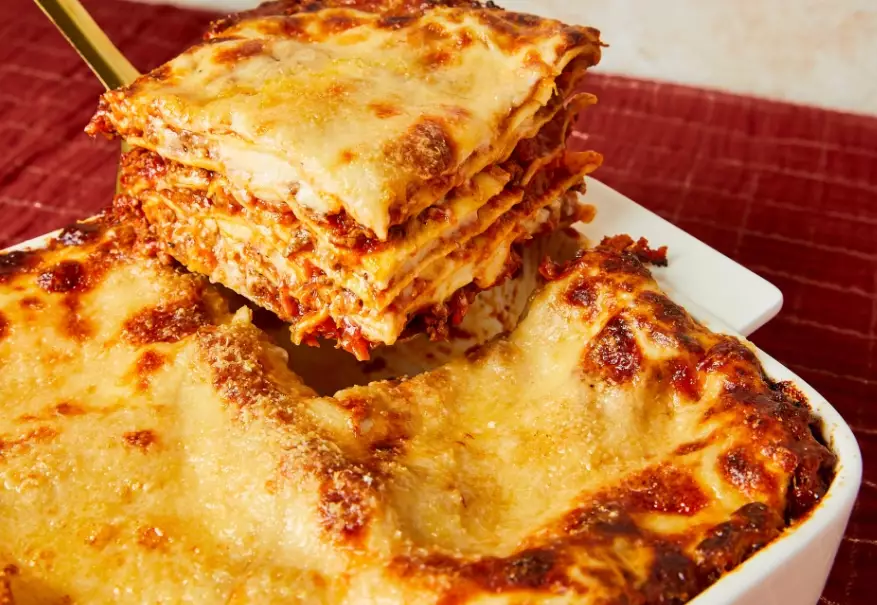
Authentic Italian Lasagna Recipe: The Ultimate Guide to Homemade Perfection
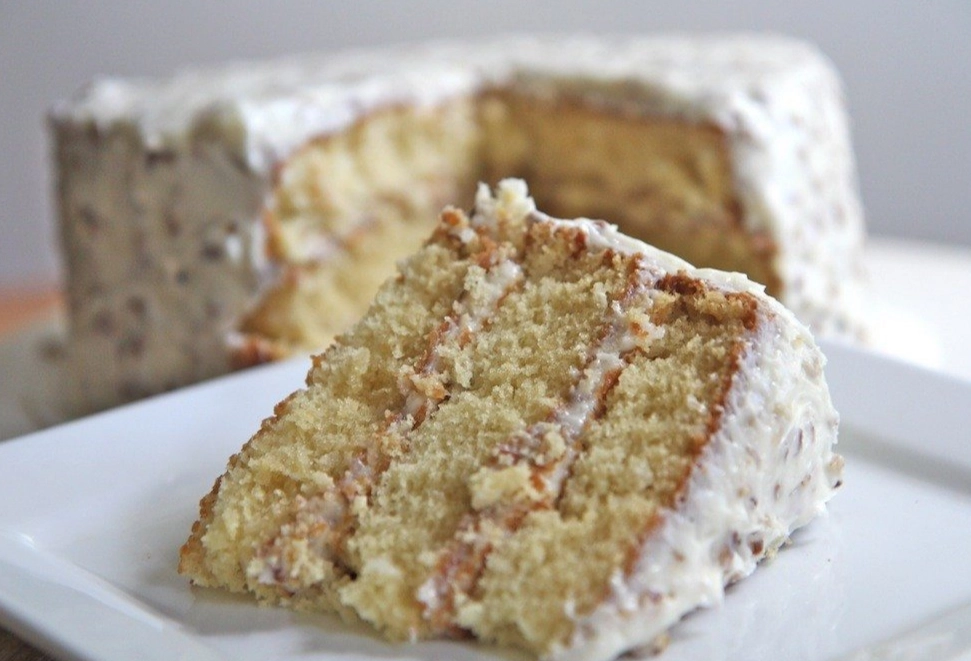
Italian Cream Cake Recipe: A Southern Classic with Italian Flair
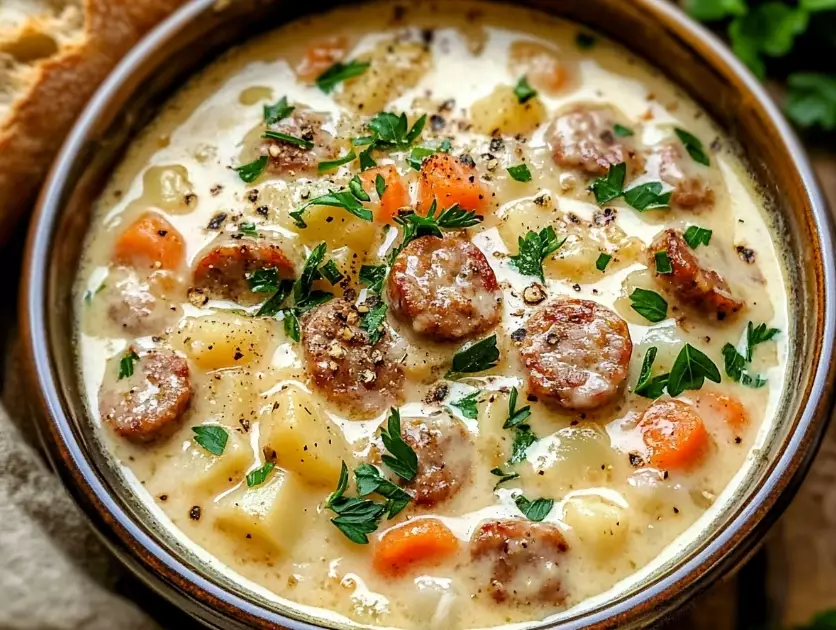
Hearty Italian Sausage Soup Recipe: Easy & Flavorful Comfort Food
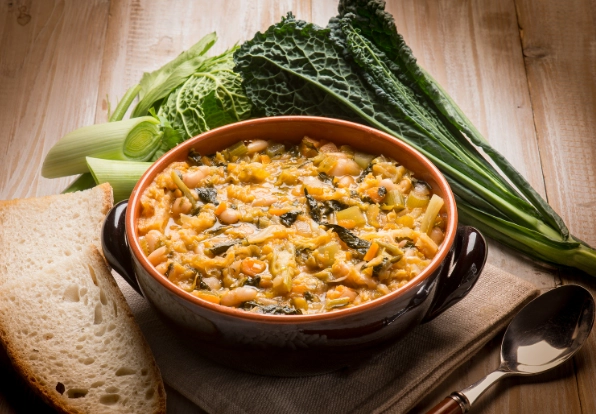
Authentic Italian Peasant Food: Simple Recipes & Where to Eat
Top 10 Italian Pasta Dishes: A Guide to Classics
Authentic Italian Carbonara Recipe: The Only Guide You'll Ever Need
Authentic Italian Chicken Recipes: From Classics to Modern Twists
Leave a Comment