Mastering Italian Fish Recipes: From Classic to Coastal
I learned the real secret to Italian fish recipes not in a fancy restaurant, but on a cracked concrete dock in a small Ligurian village. An old fisherman, his hands like worn leather, showed me how to gut a sardine with a flick of his thumb. "Poco, semplice, buono," he muttered. Little, simple, good. That's the soul of it. Forget heavy sauces and complicated techniques. Italian seafood cooking is about confidence, the quality of a few ingredients, and respecting what the sea gives you. It's the kind of food that turns a regular Tuesday into a small celebration.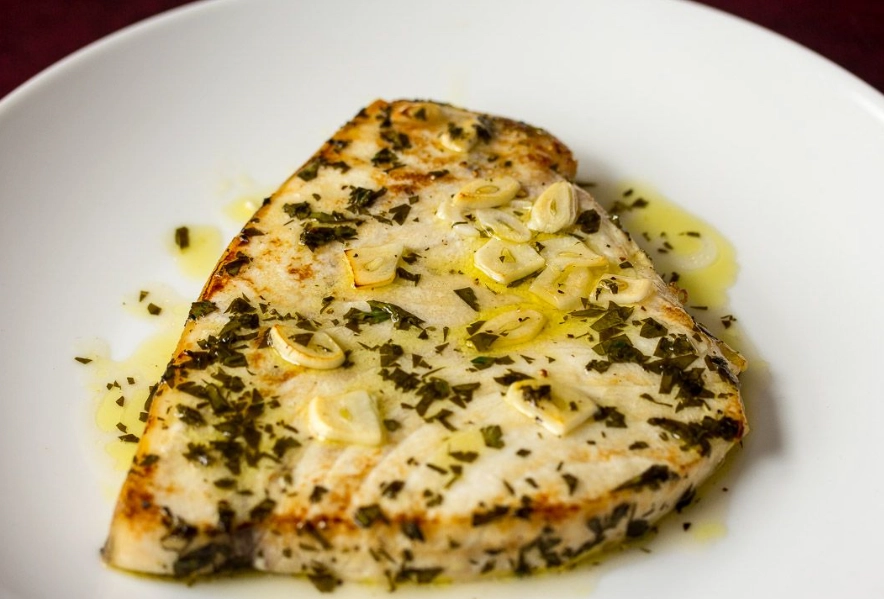
Your Quick Guide to Italian Fish Mastery
Essential Italian Fish Cooking Techniques
Italians approach fish with a light touch. The goal is to enhance, not mask. Master these three methods, and you've got 90% of the cuisine covered.
Al Forno (Baking/Roasting)
This is your best friend for a hassle-free, impressive meal. The oven's dry, even heat is perfect for whole fish or thick fillets. The trick isn't a complex marinade—it's creating a moist environment. For whole fish like branzino or orata, score the skin, stuff the cavity with lemon slices and herbs (rosemary, thyme), drizzle with olive oil, and roast at a high heat (400°F/200°C). The skin gets crispy, the flesh stays juicy.
Alla Griglia (Grilling)
Grilling imparts a smoky char that's pure summer. The challenge? Fish sticks. Italians solve this with two things: a screaming hot, clean grill, and oiling the fish, not the grates. Pat your fish or swordfish steak completely dry, brush it generously with oil, and season well. Lay it on the grill and don't touch it! It will release naturally when a crust forms. Flipping too early is the cardinal sin.
In Umido (Stewing/Braising)
This is where humble ingredients shine. Think Cacciucco from Livorno or a simple fish stew from Puglia. You build a flavorful base (soffritto of onion, celery, carrot, garlic), add tomatoes and wine, let it simmer, then add the fish in stages—firm fish first, delicate shellfish last. It's forgiving, feeds a crowd, and tastes even better the next day. Perfect for using a mix of whatever looks good at the market.
3 Classic Italian Fish Recipes You Must Try
Let's move from theory to practice. Here are three foundational recipes that represent different corners of Italy. I've included specific brands or types where they make a real difference.
1. Branzino al Forno con Patate (Whole Roasted Sea Bass with Potatoes)
This is the quintessential restaurant dish you can easily make at home. The presentation is stunning, the flavor clean. The key is getting the potatoes crispy and the fish skin blistered.
| Ingredient | Quantity & Notes |
|---|---|
| Whole Branzino (Sea Bass) | 1.5 - 2 lbs (700-900g), scaled and gutted (ask your fishmonger) |
| Yukon Gold Potatoes | 1.5 lbs, sliced 1/4-inch thick |
| Extra Virgin Olive Oil | 1/4 cup (use a robust one like Frantoia or Partanna) |
| Fresh Rosemary & Thyme | 3-4 sprigs each |
| Lemon | 1, thinly sliced |
| Sea Salt & Black Pepper | To taste |
Method: Toss potato slices with half the oil, salt, and pepper. Roast in a single layer at 425°F (220°C) for 20 mins. Score the fish on both sides, stuff with herbs and lemon, rub with remaining oil, season. Move potatoes to the side, place fish in center, roast for 20-25 mins until flesh flakes. Serve with the crispy potatoes and a final drizzle of raw olive oil.
2. Spaghetti alle Vongole (Spaghetti with Clams)
This Roman classic is a test of restraint. There is no cream. There is no Parmesan. It's about the briny juice of the clams, garlic, white wine, and parsley. The most common failure? Overcooked clams and a watery sauce.
Use small, live Manila or littleneck clams. Soak them in cold water with a handful of salt for an hour to purge sand. Cook your spaghetti. In a large pan, gently sauté a few sliced garlic cloves in olive oil until fragrant (not brown!). Add the clams and a good glug of dry white wine (a Verdicchio works perfectly), cover until clams open. Discard any that don't. Toss in the al dente pasta, a handful of chopped parsley, and a pinch of chili flakes if you like. The residual pasta water and clam juice will create a silky, clinging sauce. Toss vigorously for a minute over heat. That's it.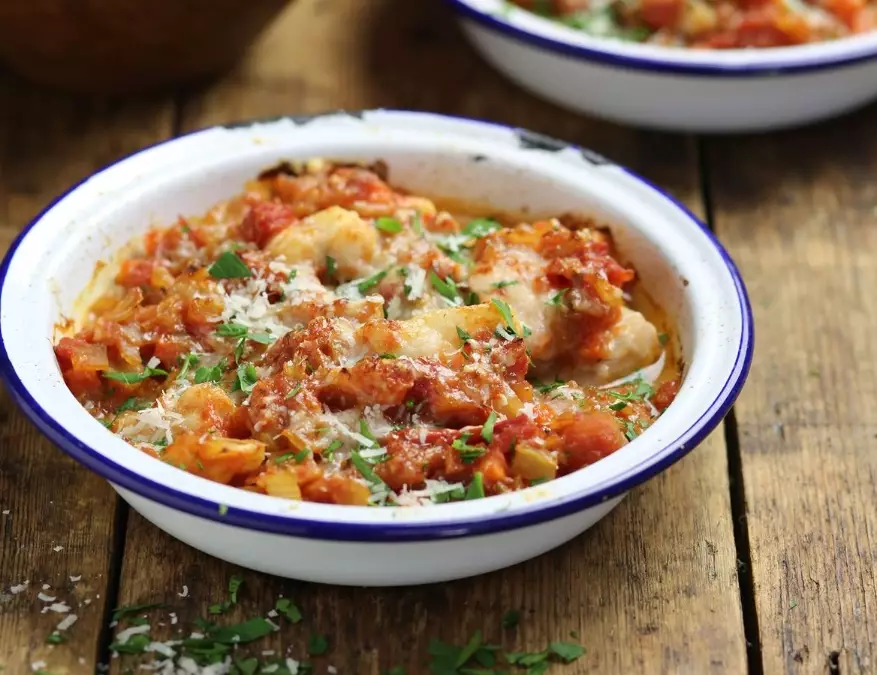
3. Pesce Spada alla Ghiotta (Sicilian Swordfish Stew)
A taste of Palermo. "Ghiotta" means gluttonous, and it's a rich, savory stew with olives, capers, and pine nuts. It's more robust than other Italian fish dishes, showcasing Sicily's bold flavors.
Cut a swordfish steak into chunks. Brown them lightly and set aside. In the same pot, cook a soffritto (onion, celery), add a cup of passata (strained tomato puree—San Marzano are best), a handful of green olives, a tablespoon of capers, and a pinch of sugar. Simmer 15 minutes. Add back the swordfish, a handful of golden raisins and toasted pine nuts. Cook just until the fish is heated through. Serve with crusty bread. The sweet, salty, savory combo is unforgettable.
How to Choose and Prepare Fish the Italian Way
Your recipe is only as good as your fish. Here’s what to look for:
Eyes: Should be clear, bright, and bulging slightly. Cloudy or sunken eyes mean it's old.
Gills: Bright red or pink, not brown or slimy.
Smell: It should smell like the ocean breeze—clean and briny. Any strong, fishy ammonia odor is a hard pass.
Touch: The flesh should be firm and spring back when pressed. It shouldn't leave an indentation.
For preparation, a sharp, flexible fillet knife is essential. When scaling, do it under running water in the sink to contain the mess. To gut, make a shallow cut from the anus to the gills and scoop everything out. Rinse the cavity well with cold water. For fillets, always pat the skin and flesh bone-dry with paper towels. This is the single most important step for getting crispy skin, whether you're pan-searing or grilling.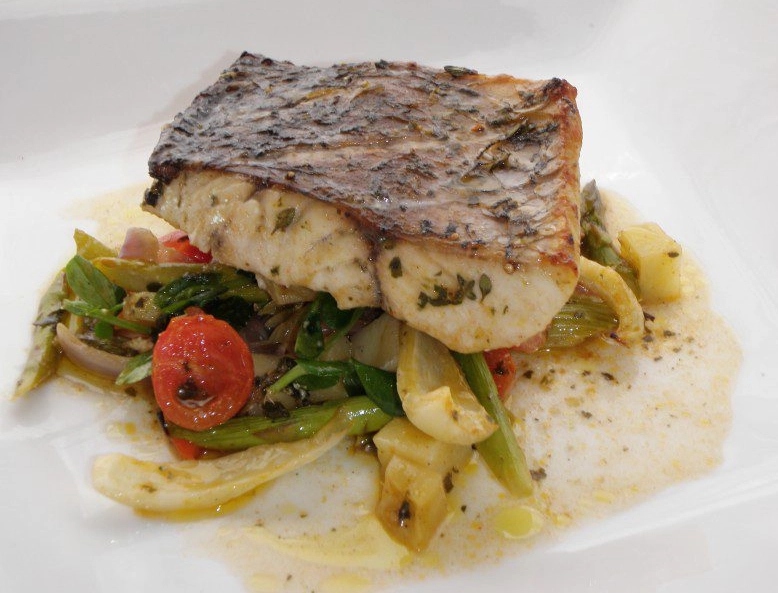
The One Big Mistake Everyone Makes (And How to Avoid It)
I see it all the time. People treat fish like chicken breast. They throw it in a pan and walk away, or they drown it in a thick sauce hoping to cover up flaws.
The universal mistake is overcooking.
Fish cooks fast. Its proteins tighten quickly, squeezing out moisture. The moment it becomes opaque and flakes easily, it's done. It will continue to cook from residual heat after you take it off the stove. For most fillets, that's 3-4 minutes per side over medium-high heat. A whole fish might take 10 minutes per inch of thickness in the oven.
Use a fork or the tip of a knife to peek at the thickest part. If it's just turning from translucent to opaque, get it off the heat. Let it rest for a couple of minutes. It will be perfect.
Another subtle error? Using low-quality olive oil for finishing. That final drizzle of a vibrant, peppery extra virgin olive oil just before serving isn't garnish—it's a core ingredient. It adds a fresh, fruity layer that cooked oil loses. Keep your good bottle on the table.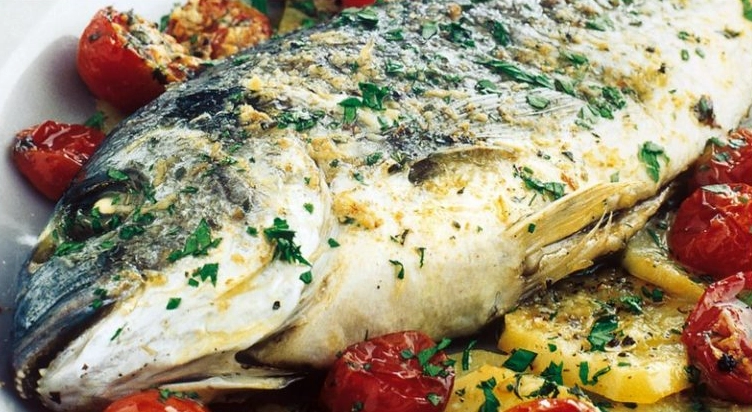
Your Italian Fish Cooking Questions, Answered
 Italian fish cooking isn't about rigid rules. It's a mindset. Start with the best fish you can find, treat it simply, and pay attention. Listen for the sizzle when it hits the pan, watch for the color change, and trust your instincts. That fisherman on the dock was right. Poco, semplice, buono. It's a philosophy that turns ingredients into a meal that feels like more than just food.
Related Articles
Make-Ahead Italian Appetizers: Stress-Free Recipes & Tips for Any Gathering
Best Italian Baked Dishes Recipes: Authentic & Easy to Make

Simple Italian Cookie Recipes: 3 Classics You Can Master
Authentic Carbonara Recipe: The Real Italian Way (No Cream!)

Unique Italian Appetizers: Beyond Bruschetta & Meatballs