Italian Casserole Recipes: Easy Family Dinners & Expert Tips
What's Inside This Guide
Italian casserole recipes are my go-to for busy weeknights. They're hearty, forgiving, and feed a crowd without fuss. But here's the thing—most online recipes miss key details that can turn a great dish into a mediocre one. After years of testing (and some failures), I've nailed down what works. This guide cuts through the noise with practical recipes, expert insights, and tips you won't find elsewhere. Let's dive in.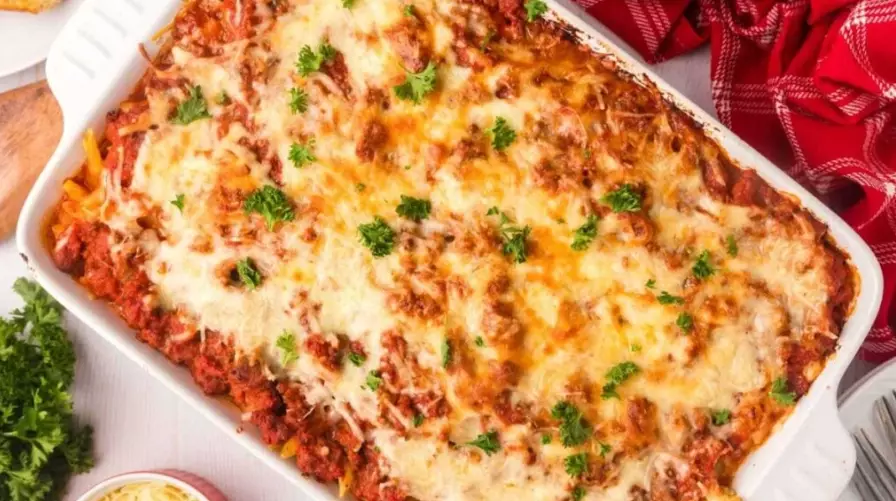
What Exactly Is an Italian Casserole?
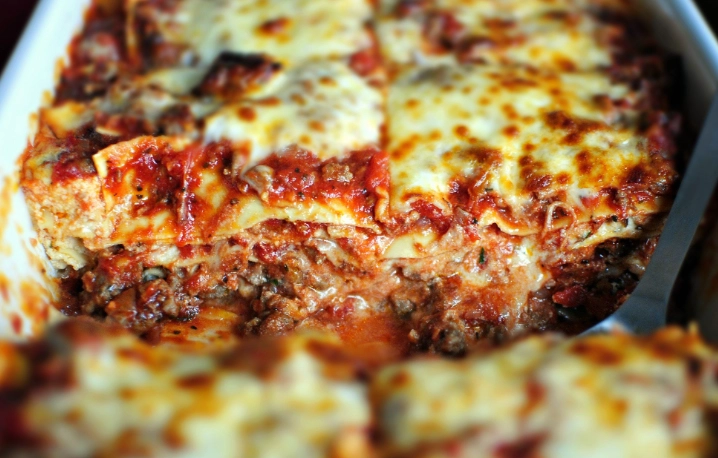
Think of an Italian casserole as a baked dish that layers pasta, meats, cheeses, and sauces. It's like a cozy hug from Nonna. Unlike soups or stews, casseroles are assembled and baked until bubbly and golden. Popular examples include baked ziti, lasagna, and eggplant Parmesan. The beauty? You can prep ahead and customize based on what's in your fridge.
Why are they so popular? According to the Italian Culinary Institute, baked pasta dishes have been staples in Italian-American households for decades because they're economical and versatile. But don't just toss everything together—balance is key. Too much sauce makes it soggy; too little cheese leaves it dry.
Classic Italian Sausage and Pasta Casserole: Step-by-Step
Here's a foolproof recipe I've made dozens of times. It serves 6-8 and takes about 1.5 hours total, including prep. Feel free to tweak it—I often do.
Ingredients You'll Need
- 1 pound Italian sausage (sweet or hot, casings removed)
- 12 ounces penne pasta (or rigatoni)
- 1 onion, chopped
- 3 cloves garlic, minced
- 24 ounces marinara sauce (homemade or a good jarred brand like Rao's)
- 15 ounces ricotta cheese
- 2 cups shredded mozzarella cheese (divided)
- 1/2 cup grated Parmesan cheese
- 1 egg (helps bind the ricotta)
- 1 teaspoon dried oregano
- Salt and pepper to taste
- Fresh basil for garnish (optional)
Step-by-Step Instructionsv
Step 1: Cook the pasta. Boil the penne in salted water for 2 minutes less than package directions. It should be al dente. Drain and set aside. This undercooking prevents mushiness later.
Step 2: Brown the sausage. In a large skillet, cook the sausage over medium heat, breaking it up. Add onion and garlic after 5 minutes. Cook until the sausage is no longer pink and onions are soft. Drain excess fat—this step is crucial to avoid greasiness.
Step 3: Mix the cheese layer. In a bowl, combine ricotta, 1 cup mozzarella, Parmesan, egg, oregano, salt, and pepper. Stir until smooth. Some recipes skip the egg, but it adds creaminess without separating.
Step 4: Assemble. Preheat oven to 375°F (190°C). In a 9x13 inch baking dish, spread a thin layer of marinara sauce. Then, layer half the pasta, half the sausage mixture, half the cheese mixture, and more sauce. Repeat layers. Top with remaining 1 cup mozzarella.
Step 5: Bake. Cover with foil and bake for 25 minutes. Remove foil and bake another 15-20 minutes until golden and bubbly. Let it rest for 10 minutes before serving—this sets the layers and makes slicing easier.
Serve with a side salad and garlic bread. Leftovers? They taste even better the next day.
Common Mistakes That Ruin Italian Casseroles
I've seen so many casseroles fail because of small oversights. Here are the big ones, straight from my kitchen disasters.
Overcooking the pasta before baking. This is the number one error. Pasta absorbs liquid in the oven, so if it's fully cooked beforehand, you get a mushy mess. Always undercook by a few minutes.
Using watery vegetables without draining. Spinach, zucchini, or mushrooms release moisture. If you don't squeeze them dry (I use a clean kitchen towel), your casserole turns soupy. I learned this after a soggy spinach lasagna incident.
Skipping the rest time. Cutting into a casserole right out of the oven causes it to fall apart. Let it sit for at least 10 minutes. The flavors meld, and it holds its shape.
Relying only on mozzarella. Mozzarella melts well but can be bland. Mix cheeses for depth—ricotta for creaminess, Parmesan for saltiness. Avoid pre-shredded cheese if possible; the anti-caking agents can make it grainy.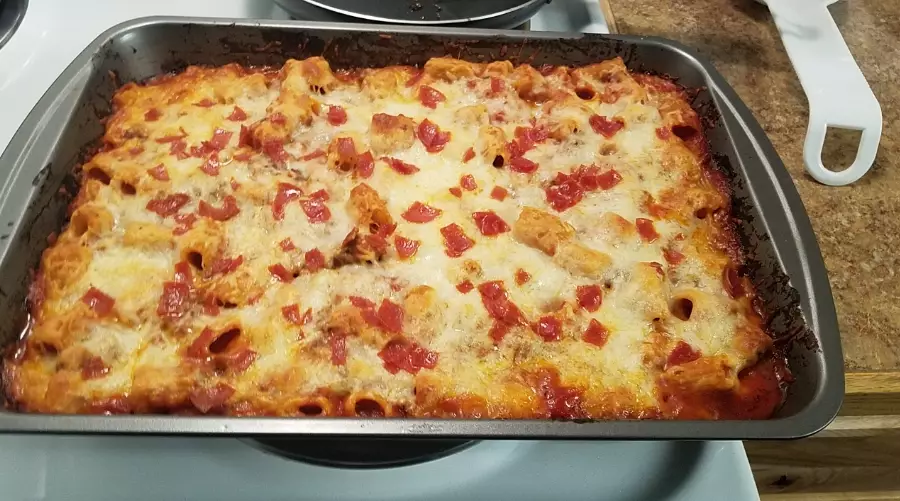
Variations and Creative Recipe Ideas
Stuck in a rut? Try these twists. They're based on seasonal ingredients and what my family requests.
| Variation | Key Ingredients | Prep Time | Best For |
|---|---|---|---|
| Vegetarian Eggplant Parmesan Casserole | Eggplant slices, breadcrumbs, marinara, mozzarella, basil | 45 min | Meatless Mondays |
| Chicken and Sun-Dried Tomato Bake | Cooked chicken, sun-dried tomatoes, cream sauce, penne | 40 min | Quick weeknights |
| Seafood Linguine Casserole | Shrimp, scallops, white wine sauce, linguine, parsley | 50 min | Special occasions |
For the vegetarian version, slice eggplant thinly, salt it to draw out moisture, then bread and bake before layering. It adds a meaty texture without the meat. The chicken variation uses a creamy Alfredo-like sauce—I mix heavy cream with Parmesan for richness. Seafood casseroles are trickier; don't overcook the seafood, or it becomes rubbery. Add it in the last 10 minutes of baking.
Experiment with sauces too. A pesto-based casserole with chicken and cherry tomatoes is a summer hit. Or use a vodka sauce for a kick.
Pro Cooking Tips and Essential Tools
Beyond recipes, these tips save time and elevate your dish.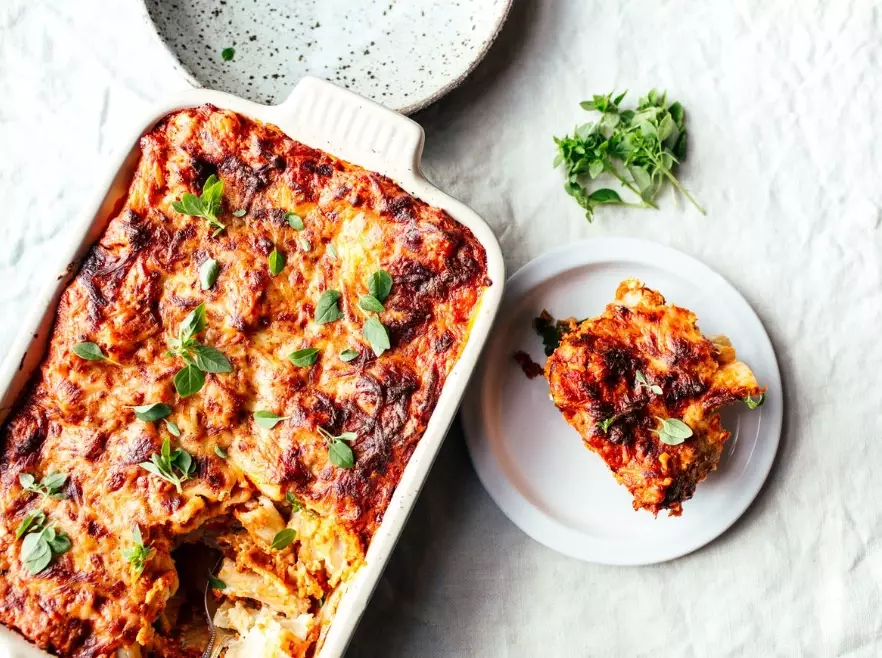
Meal prep like a pro. Assemble casseroles on Sunday, cover, and refrigerate. Bake when needed. For freezing, use disposable aluminum pans. Label with date and baking instructions. They last up to 3 months. I freeze individual portions for lunches—game changer.
Invest in a good baking dish. Glass or ceramic dishes distribute heat evenly. Avoid thin metal pans that can cause burning. A 9x13 inch is standard, but deeper dishes work for layered recipes.
Use a meat thermometer. For meat-based casseroles, ensure internal temperature reaches 165°F (74°C). It prevents undercooking, especially with ground meats.
Don't skimp on seasoning. Taste each component before assembling. The sausage mixture might need more salt; the sauce might need herbs. I add a pinch of red pepper flakes for heat.
Tools I swear by: a large skillet for browning, a colander for draining pasta, a microplane for grating cheese, and a offset spatula for serving. A food processor speeds up vegetable prep, but it's not essential.
Your Italian Casserole Questions Answered
 That wraps up our deep dive into Italian casserole recipes. Whether you're feeding a family or prepping meals, these dishes are versatile and forgiving. Remember, cooking is about experimentation—tweak recipes to suit your taste. Got more questions? Drop a comment below, and I'll help out. Happy baking!
Related Articles

The scale of securities lending and securities lending has dropped by more than
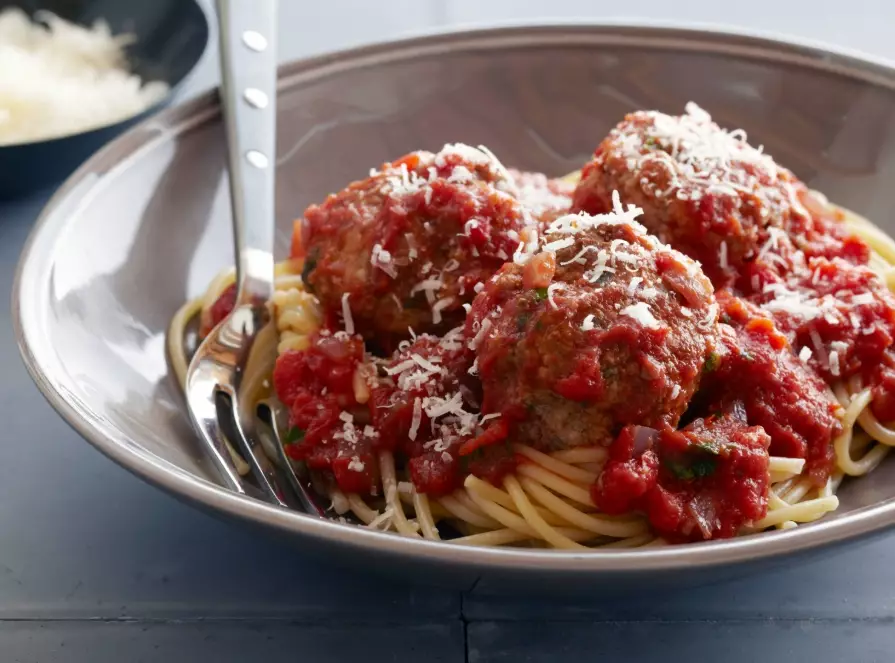
The Ultimate Guide to Authentic Italian Meatballs: A Family Recipe
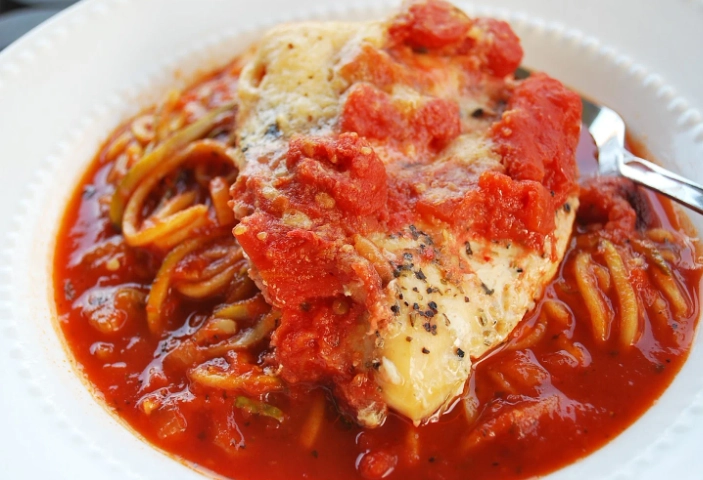
Best Italian Chicken Breast Recipes: Juicy, Flavorful & Easy Dinners
Easy Traditional Italian Recipes for Home Cooks
Authentic Italian Meatballs: Nonna's Secrets & Step-by-Step Recipe