Mastering Homemade Italian Pasta: A Complete Guide to Fresh Pasta Recipes
Let's be honest. The idea of making pasta from scratch can feel intimidating. Flour everywhere, sticky dough, the fear of tough noodles. I get it. My first attempt years ago was a disaster—a rubbery, thick mess that my dog wouldn't even eat. But here's the secret I learned living in Bologna: homemade Italian pasta isn't about fancy skills. It's about understanding a few non-negotiable principles. Once you get those, you unlock something magical—pasta with a texture store-bought versions can only dream of, a delicate bite (what Italians call 'al dente' for fresh pasta), and the profound satisfaction of creating a staple from its bare elements.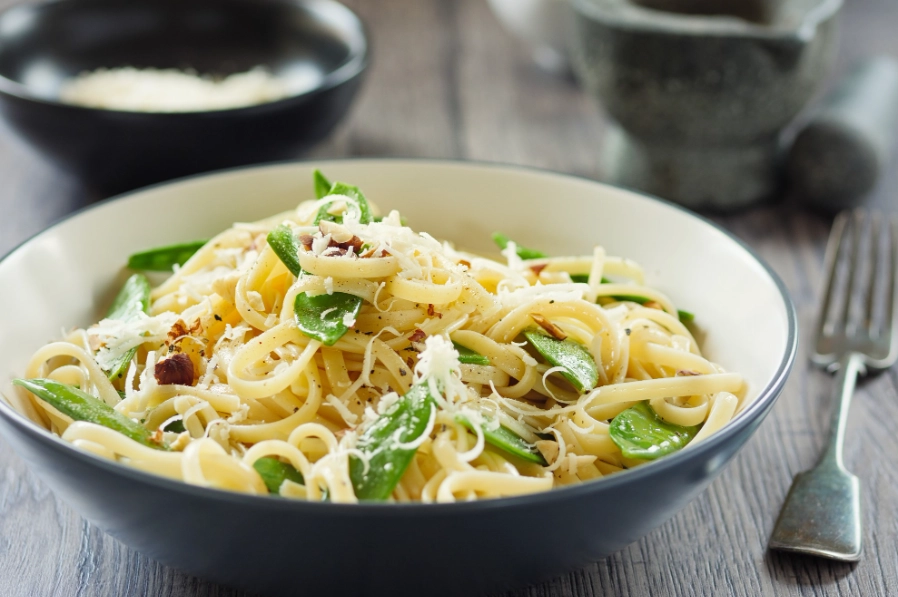
What You'll Find Inside
- Why Bother Making Pasta at Home?
- The Tools You Actually Need (And What's Just Nice to Have)
- Flour Matters More Than You Think
- Making the Dough: The Heart of the Matter
- Rolling and Shaping: From Sheet to Supper
- The Sauce Pairing Rulebook
- Cooking and Serving Your Masterpiece
- Your Pasta-Making Questions, Answered
Why Bother Making Pasta at Home?
It's a fair question. Dried pasta is cheap, reliable, and sits in your pantry for years. Fresh, refrigerated pasta is available in most supermarkets.
You do it for the texture. Commercial fresh pasta often contains additives or olive oil to extend shelf life, which changes the chew. Homemade pasta is just flour and eggs (or water). When cooked, it's tender yet firm, with a slight silkiness that coats sauce beautifully. You also control the thickness and shape perfectly for your chosen sauce. But mostly, you do it for the ritual. There's a meditative quality to kneading dough, a hands-on connection to food that's become rare. It turns a Tuesday dinner into a small event.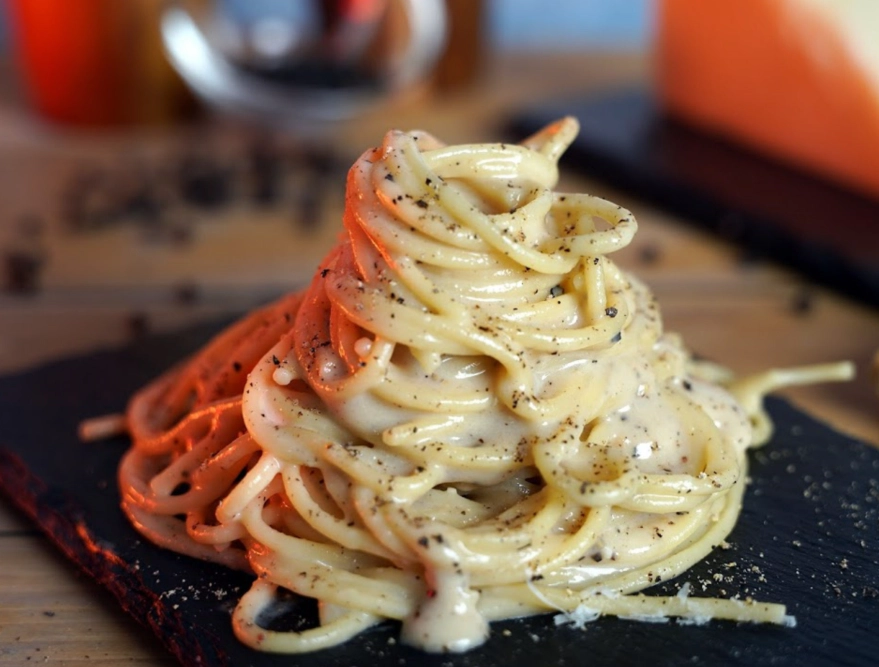
The Tools You Actually Need (And What's Just Nice to Have)
You don't need a dedicated pasta kitchen. Start with this shortlist.
The Essentials:
- A large, wide wooden or non-reactive surface for kneading. Marble is traditional because it stays cool, but a large cutting board works perfectly.
- A bench scraper. This $5 tool is a game-changer for gathering sticky dough, cleaning your surface, and portioning.
- A long rolling pin (if going machine-free).
- A sharp knife or pastry wheel for cutting shapes.
The "Game Changer" Investment:manual crank pasta machine. It ensures uniformly thin sheets, which is critical for filled pasta and makes tagliatelle a breeze. The Marcato Atlas 150 is the industry standard for a reason—it's built to last generations.
Skip For Now: Fancy electric extruders, dozens of shaping boards. Master the basics first.
Flour Matters More Than You Think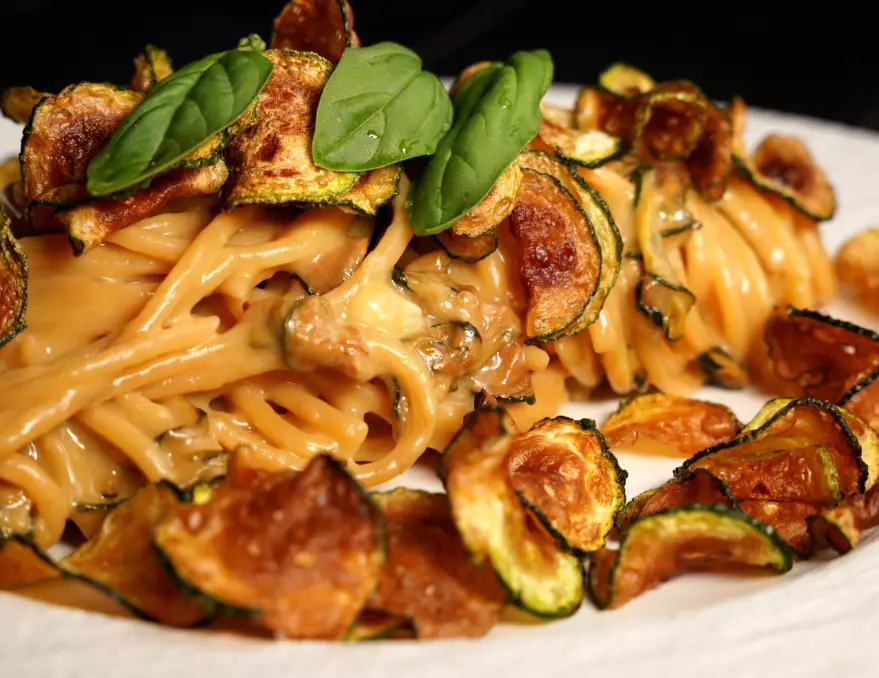
This is where most online recipes gloss over the details. All flour is not created equal, and using the wrong one sets you up for frustration.
Italian pasta flour is typically soft wheat, labeled "Tipo 00." This number refers to how finely it's milled—00 is the finest, like powdered sugar. It creates a smooth, tender, and elastic dough perfect for delicate shapes. American all-purpose flour is a blend of hard and soft wheat. It has more protein, absorbs more liquid, and can make a tougher, less pliable dough if you're not careful.
So what should you use?
| Flour Type | Best For | Texture & Notes |
|---|---|---|
| Italian "00" Flour | Egg pasta (pasta all'uovo), delicate shapes like tagliatelle, filled pasta. | Silky, tender, highly extensible. The gold standard. Brands like Caputo or Antimo Caputo are excellent. |
| Semola Rimacinata | Traditional Southern Italian water-based pasta (pasta di semola), like orecchiette. | Yellow hue, firm bite, slightly granular. Requires more water and kneading. |
| All-Purpose Flour | Getting started, if 00 flour is unavailable. | Can be slightly tougher. Reduce the liquid in your recipe by about 10% to compensate for higher absorption. |
| "00"/Semola Blend | A great all-rounder for both egg and water doughs. | Offers the tenderness of 00 with the toothsome quality of semolina. My personal favorite for versatility. |
For your first time, seek out genuine Italian "00" flour. It forgives more mistakes. You can find it online, at Italian markets, or in well-stocked supermarkets.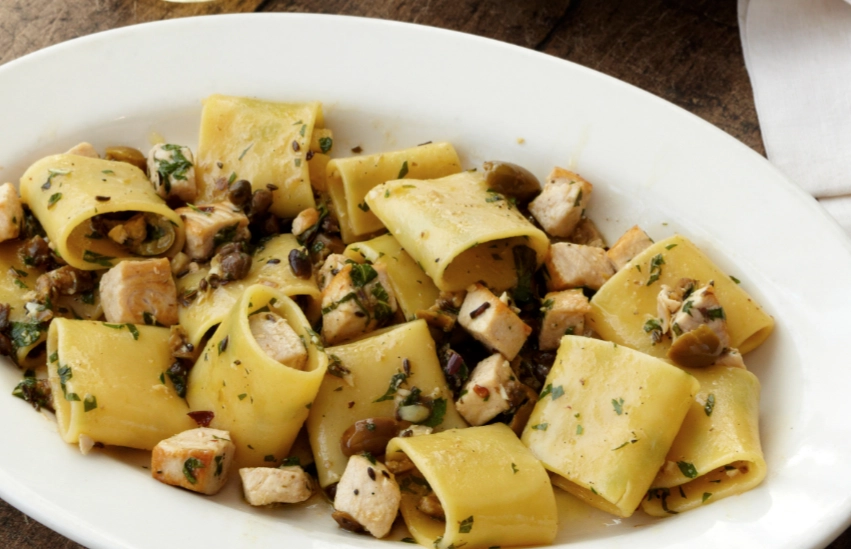
Making the Dough: The Heart of the Matter
Here's the universal ratio for egg pasta, serving 4: 100 grams of flour per large egg. For two people, that's 200g flour and 2 eggs. Weigh your ingredients. Cups are unreliable here.
But the recipe is just the start. The technique is everything.
The "Well" Method and the Critical Knead
Mound your flour on the work surface. Make a deep well in the center. Crack the eggs into the well. With a fork, gently beat the eggs, then gradually start incorporating flour from the inner walls of the well until a thick slurry forms. This prevents the eggs from running everywhere.
Now, use your bench scraper to bring the rest of the flour in and start kneading. This is the make-or-break phase. Knead for a full 8-10 minutes by hand. No shortcuts. You're developing gluten. The dough will go from shaggy and messy to smooth and elastic. If it feels hard and dry, wet your hands lightly and knead that moisture in. If it's sticky, dust with a tiny bit of flour.
Wrap the dough tightly in plastic wrap and let it rest at room temperature for at least 30 minutes, ideally 1 hour. This relaxes the gluten, making it infinitely easier to roll out without springing back.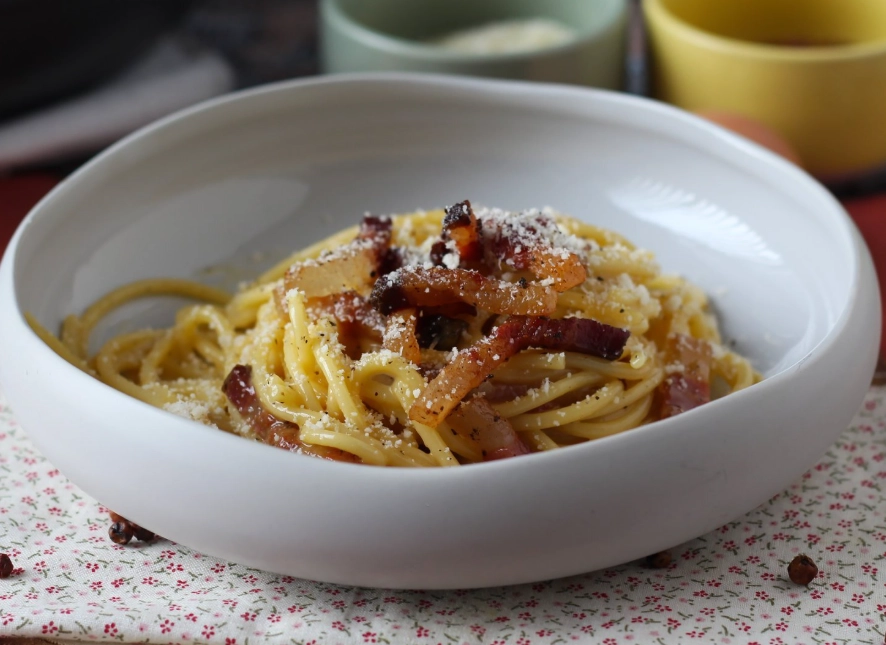
Rolling and Shaping: From Sheet to Supper
After resting, cut the dough into quarters. Work with one piece at a time, keeping the others covered.
With a Machine: Flatten the piece into a thick rectangle. Set the rollers to the widest setting (usually 1). Roll the dough through. Fold it into thirds like a letter, turn it 90 degrees, and roll it through again on the same setting. Do this 2-3 times. This strengthens the sheet. Then, without folding, start rolling it through progressively thinner settings, only going one notch thinner each pass. Stop at setting 6 or 7 for tagliatelle, 8 or 9 for filled pasta. You should almost be able to see your hand through it.
By Hand: This requires patience. Use a long, heavy rolling pin. Roll from the center outwards, turning the sheet a quarter turn after every few rolls to keep it even. Aim for the same thinness described above.
Cutting Tagliatelle: Lightly dust your sheet with semolina flour (it absorbs moisture better than regular flour). Loosely roll it up like a scroll. Using a sharp knife, cut across the roll into strips about 1 cm (a little less than 1/2 inch) wide. Unfurl the ribbons, toss with more semolina, and form into loose nests.
The Sauce Pairing Rulebook
Fresh pasta has a delicate, porous texture that clings to sauce differently than dried pasta. Follow these pairings:
- Tagliatelle, Pappardelle (long, wide ribbons): Meant for rich, meaty sauces like Bolognese ragù, wild boar ragù, or a simple butter and sage sauce. The wide surface area carries the hearty sauce.
- Fettuccine: Classic with Alfredo or creamy mushroom sauces.
- Filled Pasta (Ravioli, Tortellini): Serve with a light, buttery sauce, a simple tomato passata, or in broth. You don't want a heavy sauce to compete with the filling.
- Stringhetti (thin strands): Perfect for delicate oil-based sauces, fresh tomato and basil, or light seafood sauces.
Never, ever drown fresh pasta in a heavy, chunky sauce. The sauce should complement, not overwhelm.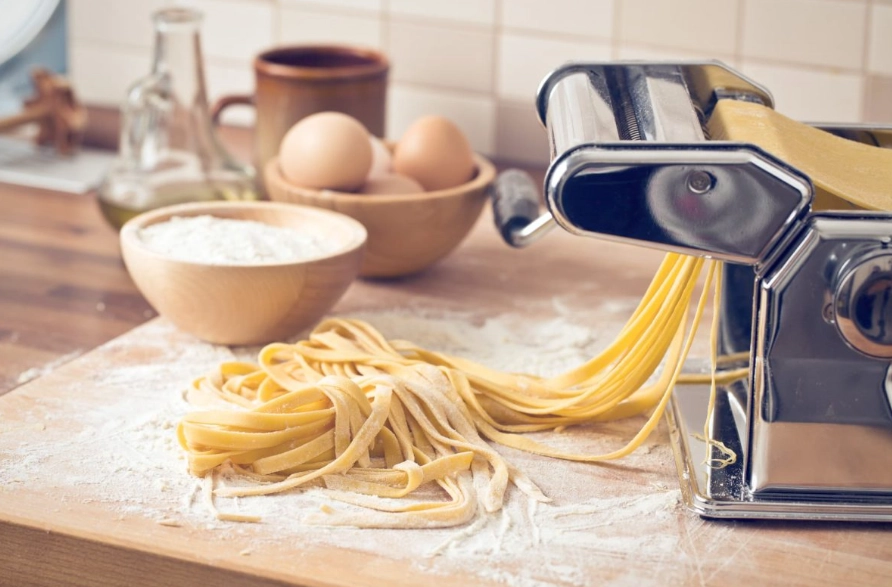
Cooking and Serving Your Masterpiece
Use a large pot of well-salted water (it should taste like the sea). Fresh pasta cooks in 1 to 3 minutes. There's no need to wait for the water to boil to add salt—just add it whenever. Have your sauce ready and warm in a large skillet.
As soon as the pasta floats and looks tender, it's done. Use tongs or a spider strainer to transfer it directly into the skillet with the sauce. Add a splash of pasta cooking water—the starch is magic for emulsifying and thickening the sauce. Toss vigorously over low heat for 30 seconds until the pasta is perfectly coated.
Serve immediately in warm bowls. Grate Parmigiano-Reggiano over the top at the table.
Your Pasta-Making Questions, Answered
 How do I store fresh pasta dough and can I freeze it?
Related Articles
Easy Italian Baked Dinner Recipes: Lasagna, Chicken Parm & More

The only Olympic TOP partner in China's consumer goods industry: Mengniu's pursu
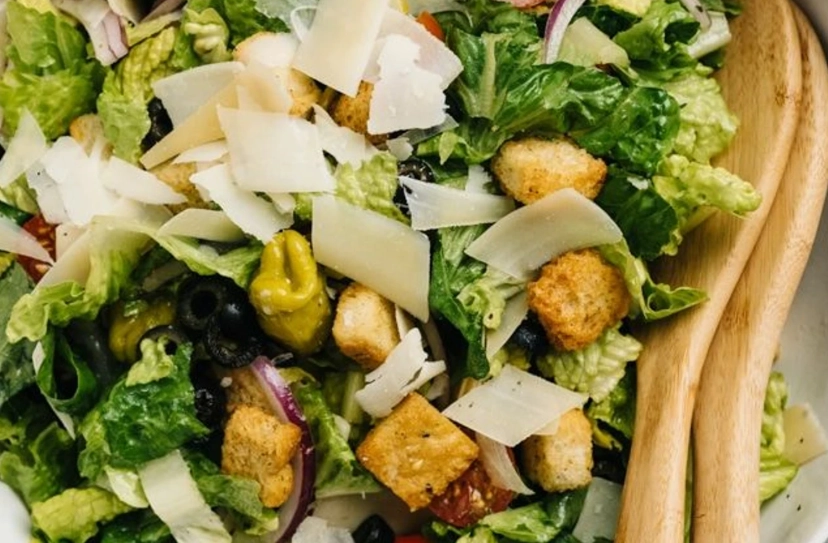
Real Italian Salad Recipes: Authentic Classics & Modern Twists

What Are The Three Italian Cocktails? Negroni, Aperol Spritz, Americano
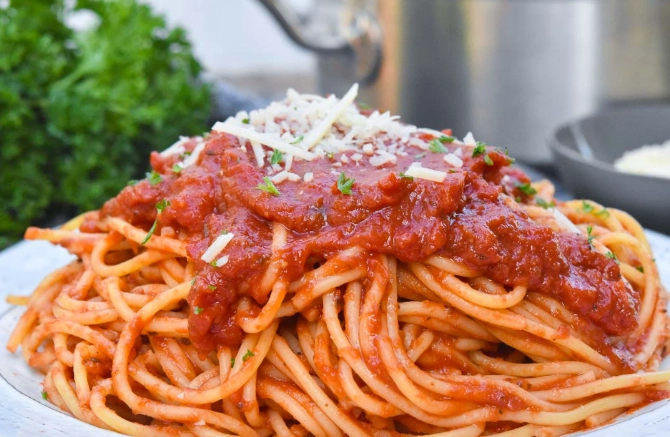
Traditional Italian Pasta Sauce: The Complete Guide to Authentic Recipes & Secrets
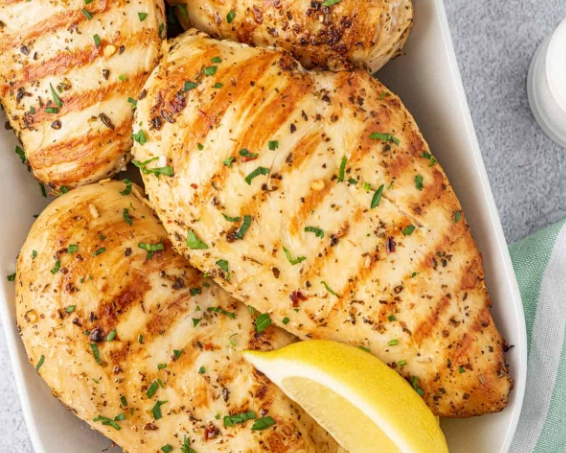
Authentic Italian Chicken Breast Recipes: Fast, Healthy & Flavorful Dinners
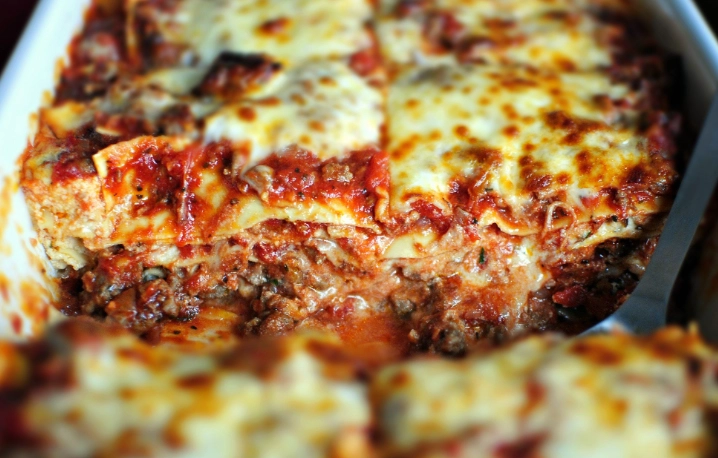
Easy Traditional Italian Recipes for Home Cooks
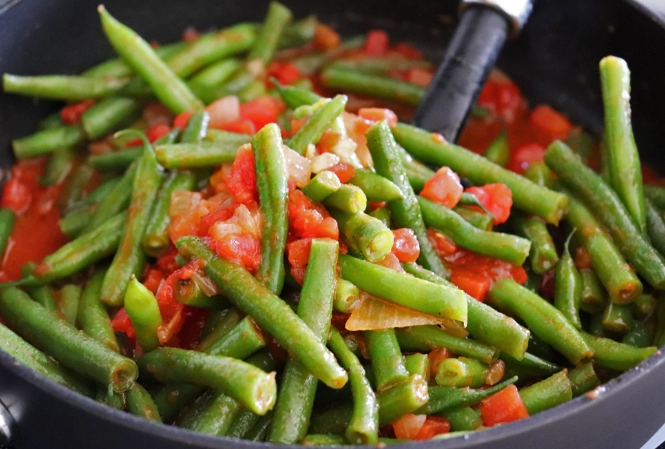
Authentic Italian Green Beans Recipe: A Classic Nonna's Method
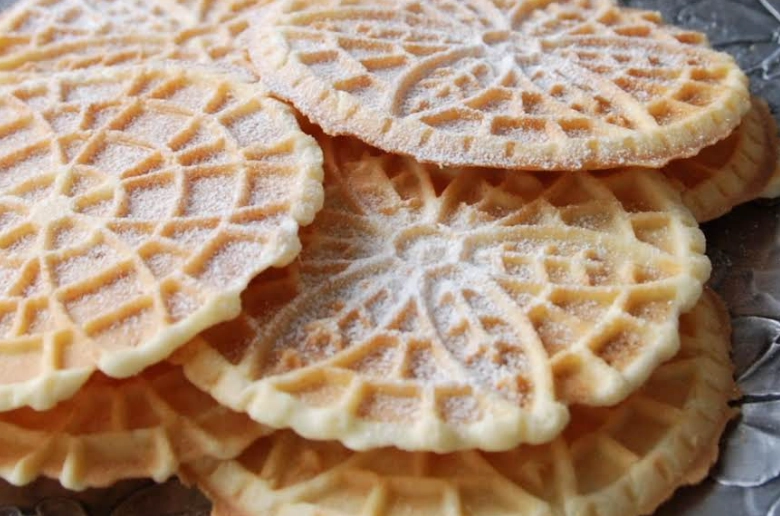
Ultimate Italian Pizzelle Recipe: Crispy, Authentic & Easy
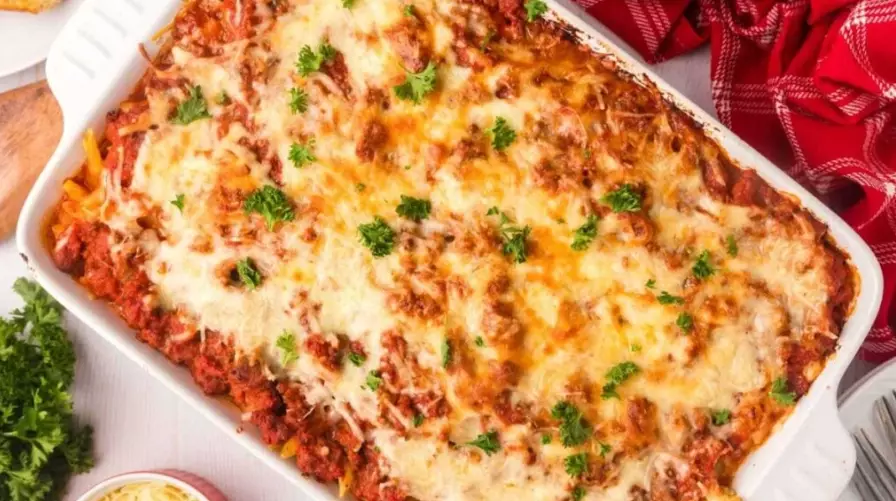
Italian Casserole Recipes: Easy Family Dinners & Expert Tips
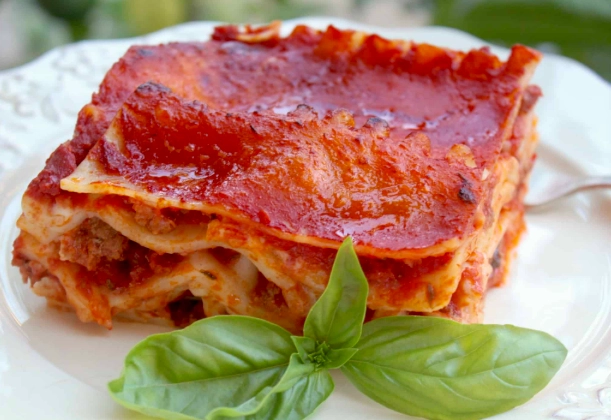
Ultimate Italian Recipes List: From Pasta to Desserts
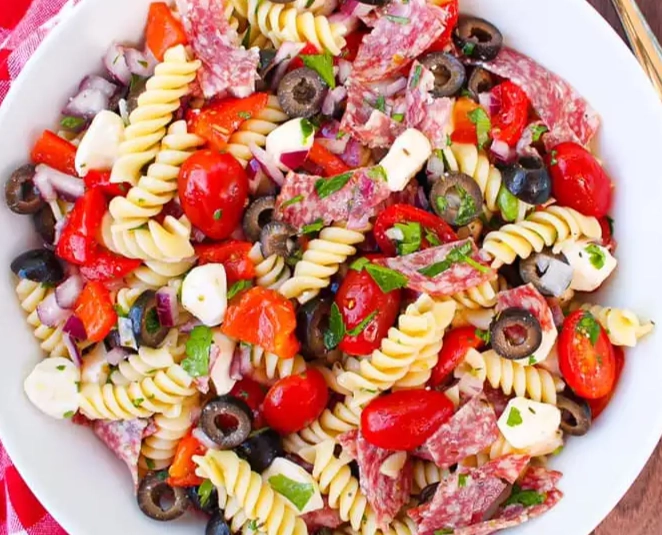
Italian Pasta Salad Recipe: The Ultimate Guide for Perfect Results
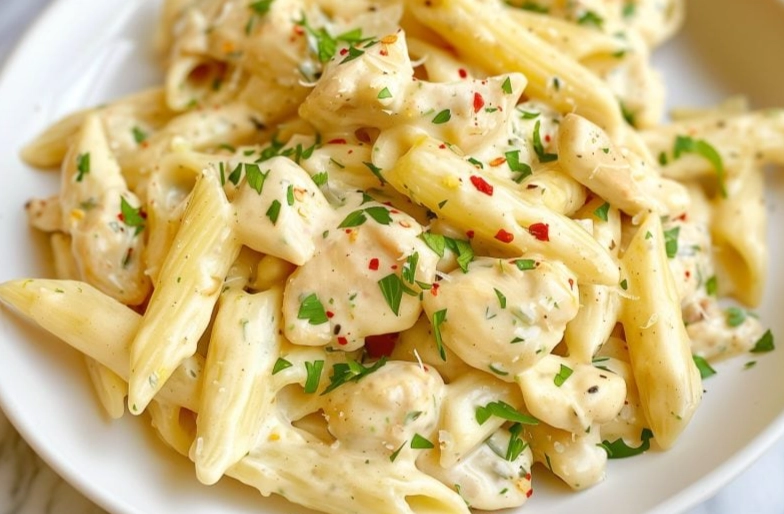
Easy Chicken Pasta Recipes for Busy Weeknights

The "big test" for joint venture car companies has arrived
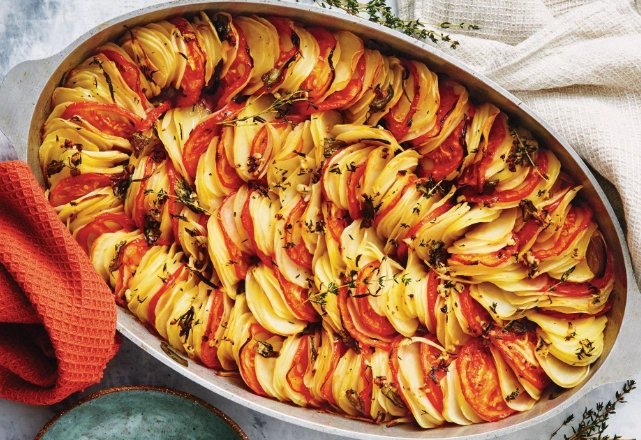
Easy Italian Baked Dishes Recipes: Effortless Family Dinners
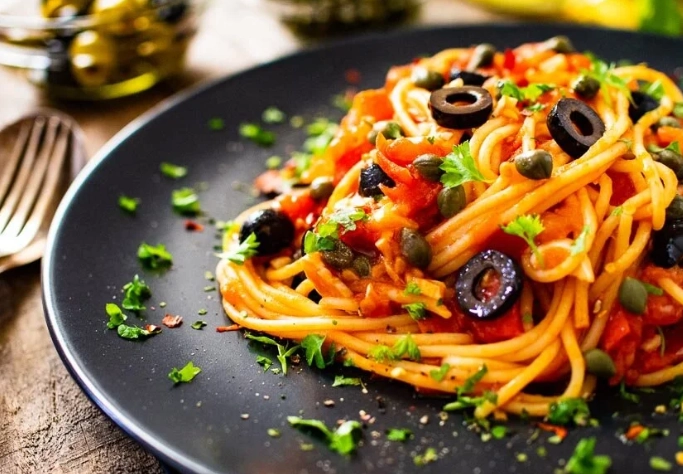
4 Famous Italian Pastas: Types, History & Cooking Guide
Ultimate Guide to Vegetarian Italian Dinner Party Recipes
Authentic Italian Cream Cake Recipe: Moist, Nutty & Irresistible
Easy Creamy Italian Dressing Recipe (Better Than Store-Bought)

With an increase of nearly 300%, the leader of "flying cars" took off, fearless
Best Italian Regional Recipes: Top 5 Dishes to Master at Home
Authentic Italian Cookies Recipes: Classic Biscotti, Amaretti & More
A Typical Italian Dinner at Home: The Real Menu & Traditions

What Side Dishes to Serve with Sausage? 15 Perfect Pairings & Recipes
Authentic Ricotta Lasagna Recipe: Creamy Layers & Pro Tips

Ten-fold stocks appeared! A-shares set off a "price increase", foreign capital b
Traditional Italian Baked Ziti Recipe: Authentic Step-by-Step Guide
Italian Buttercream Recipe: How to Make Perfectly Smooth Frosting
Authentic Carbonara Recipe (No Cream!): The Real Italian Way
Leave a Comment