Master Classic Italian Dishes: Recipes & Secrets from Pasta to Tiramisu
Quick Guide
Let's be honest. We've all had that moment staring at a restaurant menu, ordering a pasta dish that sounds incredible, only to get home and think... I wish I could make that. The good news? You absolutely can. Real Italian cooking isn't about fancy techniques or impossible-to-find ingredients. It's about simplicity, quality, and a handful of rules you shouldn't break. I learned this the hard way, after a trip to Bologna where my attempt to impress a local friend with "my version" of ragù was met with a polite but firm lesson in tradition. That experience changed how I cook.
This isn't just another collection of Italian dishes recipes. It's a roadmap. We're going to walk through the core ideas that make Italian food what it is, then dive into the recipes you actually want to make. Forget the fluff. We're talking about the creamy carbonara, the rich bolognese, the crispy pizza, and the coffee-soaked tiramisu that actually turns out right.
The Soul of the Italian Kitchen: What You Really Need to Know First
Before you even turn on the stove, there's a mindset. Italian cooking is regional, fiercely proud, and surprisingly direct. A Neapolitan nonna will make tomato sauce differently than one from Sicily. But they agree on some fundamentals.
The foundation is shockingly short. Olive oil, garlic, tomatoes, basil, Parmigiano-Reggiano, and good bread. Investing in a decent bottle of extra virgin olive oil (EVOO) is the single best upgrade you can make. You don't need the $50 bottle, but skip the one that's been sitting in a plastic container under bright lights. Look for dark glass and a harvest date. It should smell grassy and peppery.
Then there's the cheese. Please, I'm begging you, don't use the pre-grated stuff in the shaker can. It's coated in anti-caking agents (usually cellulose) and tastes like sawdust compared to the real deal. Buy a wedge of Parmigiano-Reggiano or Pecorino Romano and grate it yourself. The difference is night and day, and it's the secret weapon in so many classic Italian dishes recipes.
The Pasta Rules Everyone Gets Wrong
This is where most home cooks trip up. Pasta isn't just a vehicle for sauce; it's the main event. The sauce is the dressing.
First, salt your water. Heavily. It should taste like the sea. This is the only chance you get to season the pasta itself. Under-salted pasta is bland pasta, no matter how good your sauce is.
Second, reserve pasta water. That starchy, salty liquid is liquid gold. Before you drain your pasta, scoop out a cup of the water. Adding a splash of it to your sauce helps it emulsify, thicken, and cling to the pasta perfectly. It's the magic trick for a silky, restaurant-quality finish.
Finally, finish cooking the pasta IN the sauce. Don't just dump sauce on top. Drain the pasta when it's still a minute or two shy of being done (al dente!), then transfer it to the pan with your sauce. Add a good splash of that reserved pasta water and let it simmer together for the final minute. The pasta absorbs the flavor, and everything comes together.
Your Go-To Italian Dishes Recipes: From Simple to Show-Stopping
Okay, theory time is over. Let's get to the practical stuff. Here are the recipes you'll come back to again and again. I've focused on the classics because once you master them, you can riff on anything.
The Unbeatable Weeknight Hero: Spaghetti Aglio e Olio
This is the ultimate 15-minute pantry meal. It proves that the best Italian dishes recipes are often the simplest. Garlic, olive oil, chili flakes, parsley, and pasta. That's it. The key is gently toasting the sliced garlic in the oil until it's just fragrant and golden, not burnt. Burnt garlic is bitter and will ruin the dish.
Spaghetti Aglio e Olio (for 2)
What you need: 200g spaghetti, 4-5 large garlic cloves (thinly sliced), 1/2 cup good EVOO, 1 tsp red pepper flakes (or to taste), a big handful of fresh flat-leaf parsley (chopped), salt.
Do this: Cook your pasta in salted water. While it cooks, gently heat the olive oil and sliced garlic in a large pan over medium-low heat. Swirl the pan. You want the garlic to slowly become pale gold and fragrant—this takes about 5-6 minutes. Don't rush! Add the chili flakes for the last 30 seconds. When the pasta is al dente, reserve a cup of water, then drain. Add the pasta to the garlic oil pan with a big splash of pasta water. Toss vigorously over the heat for a minute until it looks glossy. Turn off the heat, stir in the parsley, and serve immediately. No cheese needed here—it's a purist's dish.
See? No cream, no fancy ingredients. Just technique. It's my go-to when I'm tired but still want something deeply satisfying.
The Crowd-Pleaser: Authentic Spaghetti Carbonara
Carbonara is shrouded in mystery and debate, but the real recipe is strict. No cream. No garlic. No peas. Just eggs, cheese, guanciale (cured pork cheek), and black pepper. Using guanciale is non-negotiable for authenticity—it has a richer, funkier flavor than pancetta or bacon. You can find it at good Italian delis or online.
The trick is all in the temperature. You must mix the hot pasta with the egg and cheese mixture off the direct heat to create a creamy sauce, not scrambled eggs.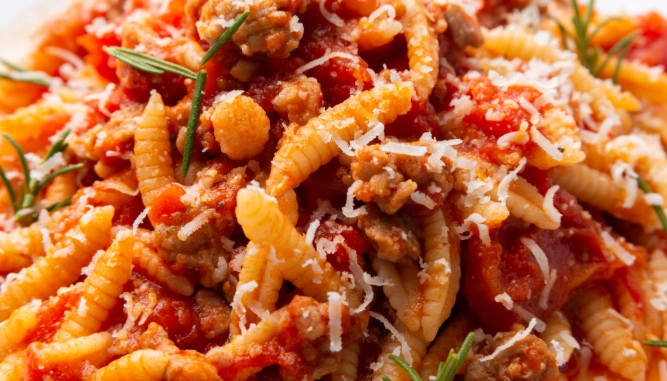
The Project Worth the Effort: Ragù alla Bolognese
This is a Sunday sauce. It's not fast, but it's not hard. It's about slow, gentle cooking that coaxes out incredible flavor. The official recipe, as documented by the Accademia Italiana della Cucina (the Italian Academy of Cuisine), is specific: it uses a mix of meats, a little tomato, and milk or white wine. Yes, milk. It tenderizes the meat and gives a subtle sweetness.
Here’s a breakdown of the classic meat base, which is more complex than just ground beef:
| Meat | Purpose | Note |
|---|---|---|
| Ground Beef (not too lean) | Base flavor & body | About 50-60% of the mix |
| Ground Pork | Adds fat & sweetness | About 30% of the mix |
| Pancetta (finely chopped) | Salty, savory depth | The flavor foundation |
You start by slowly cooking the pancetta, then the chopped onion, celery, and carrot (soffritto). Add the meats and brown them gently—no high-heat searing. Then a splash of wine, let it evaporate, then add milk and finally a bit of tomato paste or puree. Then, you simmer it for at least 2 hours, preferably 3 or 4, with the lid slightly ajar. The result is a deep, complex, meaty sauce that clings to tagliatelle, not spaghetti. Trust me, the wide noodle is better here.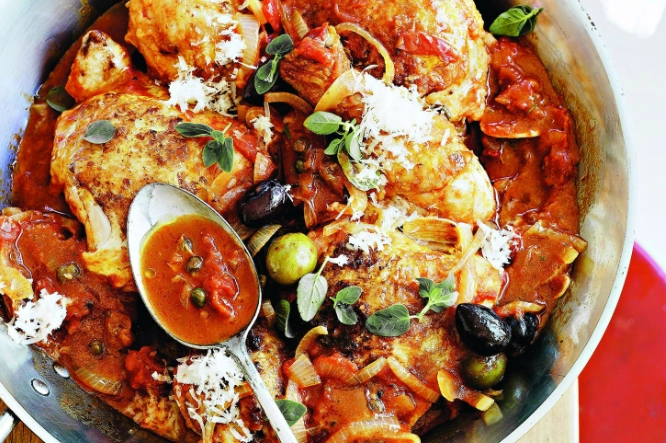
Beyond Pasta: Essential Italian Dishes Recipes
Italy isn't just pasta. To really feel like you've got a handle on this cuisine, you need a couple of show-stoppers from other categories.
The Perfect Homemade Pizza Dough (No Fancy Equipment Needed)
Store-bought dough is fine in a pinch, but homemade is a game-changer. The secret is time, not skill. A slow, cold ferment in the fridge develops flavor you can't get in a few hours.
My basic ratio: 500g bread flour (type "00" is ideal, but bread flour works), 325ml lukewarm water, 7g instant yeast, 10g fine sea salt, a drizzle of olive oil. Mix it until shaggy, let it rest 20 minutes, then knead for 5-7 minutes until smooth. Put it in an oiled bowl, cover, and let it rise at room temp for an hour. Then, punch it down, divide it, and put the balls in sealed containers in the fridge for 1 to 3 days. The longer, the better. Take it out 2 hours before you want to bake.
Stretch it by hand, don't roll it. Top it simply: a thin layer of crushed San Marzano tomatoes (like the ones certified by the Consorzio di Tutela del Pomodoro San Marzano DOP), torn fresh mozzarella (the wet kind, drained), a few basil leaves, and more EVOO. Bake it on the hottest surface you have—a preheated pizza stone or steel in a 500°F (260°C) oven is perfect.
The Dessert That Impresses Everyone: Tiramisu
Tiramisu is deceptively easy. No baking required. The challenge is getting the texture right—light, creamy, and not soggy. The classic recipe from the Veneto region uses raw eggs. If that makes you nervous, you can use pasteurized eggs or look for a zabaglione (cooked egg yolk) method. I prefer the raw version for its authentic texture.
Real Tiramisu (Serves 8-10)
What you need: 3 large fresh eggs (separated), 100g white sugar, 500g mascarpone cheese (at room temperature), 1 packet of Savoiardi ladyfingers (about 24), 350ml strong cold espresso or very strong coffee, 2 tbsp rum or Marsala wine (optional), unsweetened cocoa powder for dusting.
Do this: Whisk egg yolks and sugar in a bowl until pale, thick, and creamy. This takes a few minutes. Gently fold in the mascarpone until just combined. In a clean bowl, whisk the egg whites with a pinch of salt until they form stiff peaks. Gently fold the whites into the mascarpone mixture. Mix the cold coffee with the alcohol if using. Quickly dip each ladyfinger into the coffee—just a second per side. You want it moist, not falling apart. Layer them in a dish. Spread half the cream over, add another layer of dipped biscuits, then the rest of the cream. Smooth the top, cover with plastic wrap, and refrigerate for AT LEAST 6 hours, preferably overnight. Right before serving, dust thickly with cocoa powder.
The overnight rest is crucial. It lets the flavors meld and the biscuits soften perfectly. Using cheap mascarpone or over-beating it can make the cream grainy or runny. Go for a good brand and handle it gently.
Answering Your Italian Cooking Questions
Let's tackle some common hangups. These are the questions I get asked most often when friends try these Italian dishes recipes.
Pulling It All Together: Your Italian Pantry Checklist
You don't need a huge pantry. Start with these staples, and you'll be able to whip up countless meals.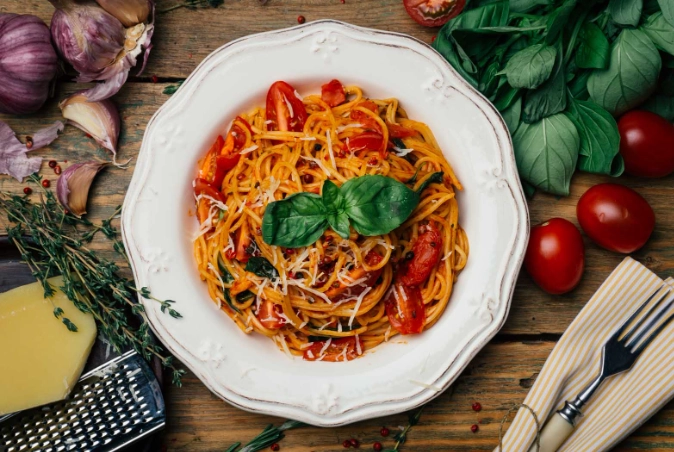
Dry Goods: Spaghetti, penne, tagliatelle. Arborio or Carnaroli rice for risotto. A bag of polenta. Dry cannellini beans. Capers. High-quality canned whole plum tomatoes. Tomato paste in a tube (so you don't waste a whole can).
Oils & Vinegars: A good bottle of extra virgin olive oil for finishing and salads. A cheaper, lighter olive oil for cooking. Balsamic vinegar (the real, aged kind is for drizzling on strawberries or cheese; a cheaper one is for dressings).
Cheese (buy in small amounts and use quickly): Parmigiano-Reggiano wedge. Pecorino Romano wedge (saltier, sharper, great for certain pasta). A ball of fresh mozzarella (in water). A chunk of hard salami or prosciutto.
Seasonings: Sea salt flakes (Maldon) for finishing. Fine sea salt for cooking. Whole black peppercorns in a grinder. Dried oregano. Red pepper flakes. A few bay leaves.
The journey into Italian cooking is endless and deeply rewarding. It teaches you to respect ingredients, to be patient, and to find joy in the process of feeding yourself and others. Don't stress about perfection. My first ragù wasn't perfect, but it was a start. Each time you make one of these Italian dishes recipes, you'll learn something new—how the garlic smells when it's just right, how the pasta water changes the sauce, how the tiramisu sets up overnight. That's the real magic. Now, go salt your water, and start cooking.
Related Articles
Authentic Italian Salad Dressing Recipe: Easy, Zesty & Homemade
Italian Baked Dishes Recipes: From Classic Lasagna to Rustic Focaccia

Modern Italian Cocktails: A Guide to Artisanal Mixology
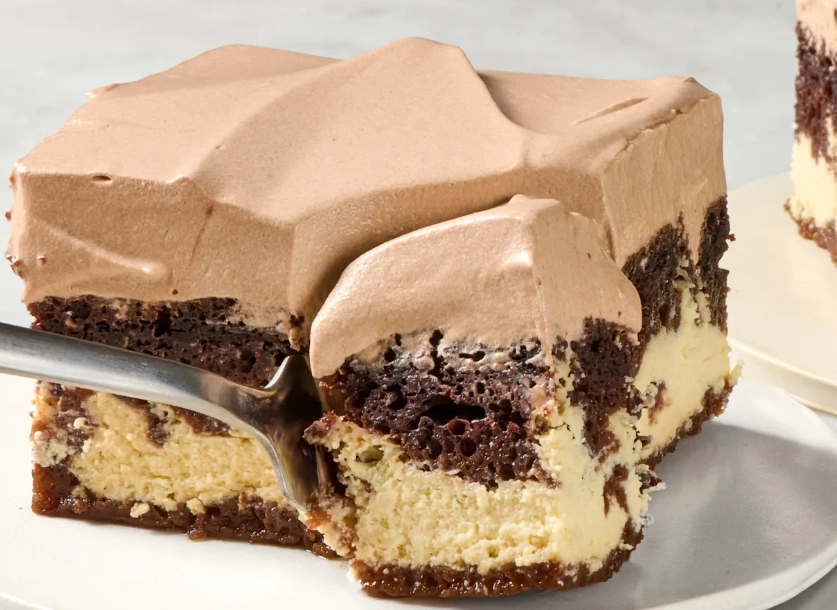
Authentic Italian Love Cake Recipe: The Ultimate 3-Layer Dessert Guide
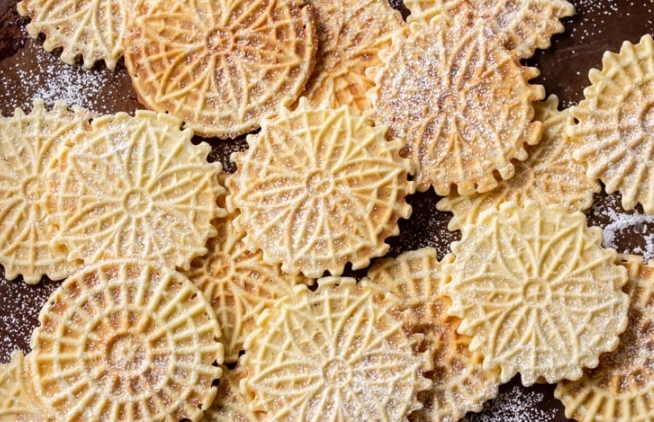
Authentic Italian Pizzelle Recipe with Anise: A Family Tradition