Authentic Italian Cuisine Recipes: From Classics to Regional Secrets
In This Guide
- The Soul of the Dish: Core Principles Before You Even Start Cooking
- The Classics You Absolutely Need in Your Repertoire
- A Tour of Italy's Hidden Gems: Regional Italian Cuisine Recipes
- Your Italian Kitchen Toolkit: The Short List
- Let's Clear Things Up: Your Italian Cooking Questions Answered
- Wrapping It Up: Your Path Forward
Let's be honest. We've all been there. You find a promising "authentic" Italian recipe online, spend an hour in the kitchen, and the result is... fine. It's edible. But it doesn't sing. It doesn't have that magic you remember from that little trattoria in Rome or even from your nonna's kitchen if you were lucky enough to have one. The flavors are flat, the texture is off, and you're left wondering what the secret is.
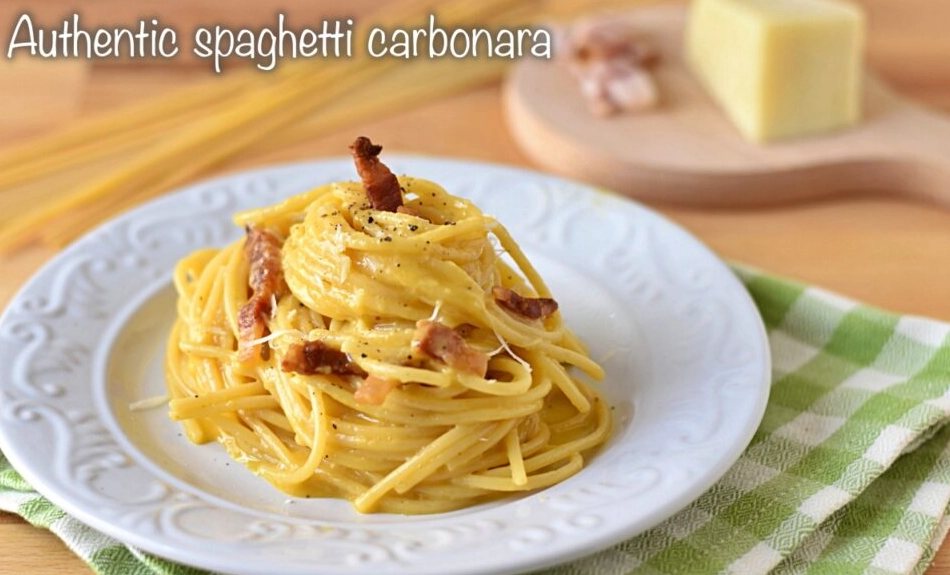
I was in that exact spot for years. My early attempts at Italian cuisine recipes were disasters of overcooked pasta and sauces that tasted more like jarred stuff than sunshine and earth. The turning point? A conversation with a chef in Bologna who basically told me I was overcomplicating everything. Italian cooking isn't about fancy techniques or a pantry stocked with a hundred ingredients. It's about a few, brilliant things done incredibly well.
That's what this guide is for. We're going to move beyond just following steps. We're going to understand the why behind the best Italian cuisine recipes. We'll dig into the classics everyone should know, uncover some regional gems you might not have tried, and tackle the common pitfalls that trip most home cooks up. My goal is to give you the confidence to not just cook Italian food, but to understand it. To make dishes that are truly satisfying.
Ready to ditch the mediocre results? Let's get into it.
The Soul of the Dish: Core Principles Before You Even Start Cooking
Jumping straight into a list of ingredients is a recipe for mediocrity (pun intended). If you want your Italian cooking to taste legit, you need to get the philosophy right first. This isn't just poetic fluff—it's practical advice that changes how you shop and cook.
The Trinity of Italian Cooking: Ingredients, Ingredients, Ingredients
It's a cliché because it's true. The quality of your output is directly tied to the quality of your input. This doesn't mean you need to spend a fortune, but you need to be smart.
Olive Oil: You need two kinds. A robust, flavorful extra virgin olive oil (EVOO) for finishing dishes—drizzling over soup, pasta, or bruschetta. And a milder, less expensive olive oil or even a neutral oil for actually cooking at higher heat, where the delicate flavors of a great EVOO would be wasted. Don't cook your garlic in your best finishing oil. It's a crime.
Cheese: Please, for the love of all that is holy, buy a block of Parmigiano-Reggiano or Pecorino Romano and grate it yourself. The pre-grated stuff is coated in anti-caking agents (usually cellulose) that make it taste like sawdust and refuse to melt properly. A microplane is a small investment for a huge return in flavor and texture.
I learned this the hard way. I used the green-can "parmesan" for years, thinking the sharp, salty punch was the real deal. Tasting actual Parmigiano-Reggiano—nutty, complex, crystalline—was a revelation. It's a different food entirely.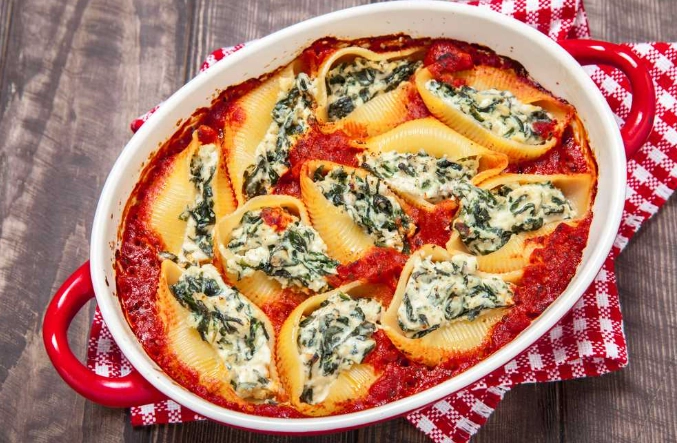
Technique Over Tricks
Italian cooking is often simple, but the few steps involved are non-negotiable.
Building a Soffritto: This is the flavor base for countless sauces, soups, and stews. It's simply finely diced onion, carrot, and celery sautéed slowly in olive oil until soft and sweet, not browned. Rushing this step means missing out on a foundational layer of flavor. Let it sweat.
Pasta Water is Liquid Gold: This is the biggest game-changer in Italian cuisine recipes. That starchy, salty water you drain off? Don't! Before you drain your pasta, scoop out a cup or two of the cooking water. When you toss your pasta with the sauce, add this water a splash at a time. The starch acts as an emulsifier, helping the sauce cling to every noodle, creating a creamy, cohesive dish instead of a pile of pasta with a puddle of sauce underneath. Science backs this up—the starch molecules help bind water and fat together. Resources like Serious Eats have done deep dives into the food science behind perfect pasta, which explains why this simple step is so effective.
Respect the Al Dente Texture: "Al dente" means "to the tooth." Pasta should offer a slight resistance when you bite it. It continues to cook from residual heat even after draining. Check the package time and start tasting a minute or two before. Mushy pasta is a cardinal sin.
Regionality is Key
There is no single "Italian food." Italy was unified as a country relatively recently, and its culinary identity is fiercely regional. Understanding this explains why recipes vary so much.
This regional focus means your search for the perfect Italian cuisine recipes should sometimes get more specific. Looking for "Ligurian pesto recipe" or "Neapolitan ragù" will yield more authentic, focused results than a generic search.
It's a fascinating tapestry. The official Italian Tourism website often highlights regional specialties, which is a great way to get inspired for your next culinary project.
The Classics You Absolutely Need in Your Repertoire
These are the foundational Italian cuisine recipes. They're popular for a reason—they're incredibly delicious and teach you fundamental skills. Master these, and you've got a solid base for countless weeknight meals and impressive dinners.
The Four Kings of Pasta Sauces
Think of these as the mother sauces of Italian home cooking. Get these right, and you can build endless variations.
- Tomato Sauce (Sugo di Pomodoro): The simplest test of quality. Sauté a clove of garlic in olive oil until fragrant (don't let it brown!), add a can of good tomatoes (crushed by hand), a pinch of salt, and a few fresh basil leaves. Simmer for 20-30 minutes until it thickens slightly and the raw tomato taste cooks out. That's it. No sugar, no carrots, no onion (in the most basic version). The quality of the tomato does all the talking.
- AgliOlio e Peperoncino: Garlic, oil, and chili flakes. It's the ultimate pantry pasta and a lesson in controlled heat. Gently cook thinly sliced garlic and chili flakes in plenty of olive oil until the garlic is just golden. Toss with cooked spaghetti and a generous amount of pasta water. Finish with parsley. The key is infusing the oil without burning the garlic.
- Pesto alla Genovese: From Liguria. It's not just blended basil. The traditional method uses a mortar and pestle to gently crush, not pulverize, the ingredients: fresh basil, pine nuts, garlic, coarse salt, Parmigiano-Reggiano, Pecorino, and olive oil. The friction releases the basil's oils without bruising it, preventing oxidation (that black color). A food processor works, but pulse carefully and add the oil at the end.
- Ragù alla Bolognese: A meat sauce, not a tomato sauce. The official recipe, registered with the Bologna Chamber of Commerce, includes specific cuts of beef and pork, pancetta, soffritto, a little tomato paste or sauce, white wine, and milk. Yes, milk. It simmers for hours, melding into a rich, deep, complex sauce meant for tagliatelle, not spaghetti. It's a weekend project, but a rewarding one.
See what I mean? Each one teaches you a different skill: simmering, infusion, emulsification, and slow-cooking.
Beyond Pasta: Risotto and Secondi
Pasta gets all the glory, but a well-made risotto is a thing of beauty. The constant stirring is meditative, not tedious. Use a short-grain, starchy rice like Arborio or Carnaroli. Toast the rice in butter or oil first, then add warm broth a ladleful at a time, stirring until absorbed before adding more. The goal is a creamy, loose consistency ("all'onda"—wavy), not a stiff mound. Finish with butter and cheese off the heat. Risotto Milanese, with saffron, is a classic starting point.
For a main course (secondo), you can't go wrong with Chicken Piccata. Thin chicken cutlets, lightly floured, pan-fried until golden, then served with a pan sauce of lemon juice, white wine, capers, and butter. It's fast, elegant, and bursting with bright flavor. The trick is not to overcook the chicken and to let the sauce reduce just enough to coat the back of a spoon.
A Tour of Italy's Hidden Gems: Regional Italian Cuisine Recipes
Once you're comfortable with the classics, it's time to explore. These regional Italian cuisine recipes offer incredible variety and tell a story about the land they come from.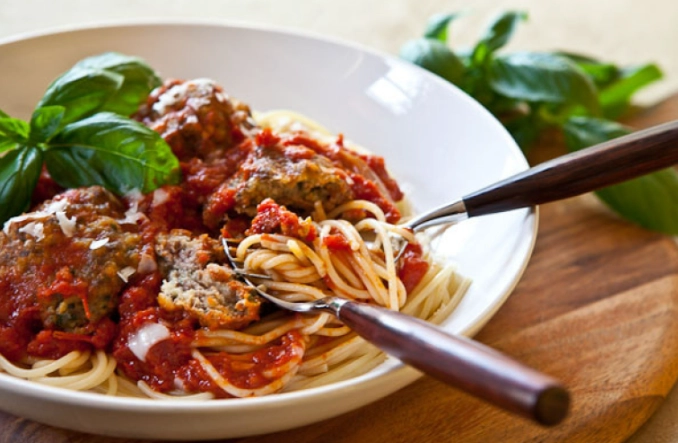
The Hearty North
Colder climates mean richer, more substantial food. Polenta (cornmeal porridge) is a staple, often served soft with stews or grilled. Osso Buco from Milan—braised veal shanks with gremolata (lemon zest, garlic, parsley)—is a masterpiece of slow cooking. In Piedmont, they're famous for their egg-rich pasta like tajarin (thin tagliatelle) and for dishes bathed in white truffle shavings.
Then there's Risotto al Nero di Seppia (squid ink risotto) from Venice. It's dramatic, jet-black, and tastes of the sea. Don't be intimidated by the look; the flavor is mild, briny, and utterly unique.
The Sun-Drenched South & Islands
Here, the flavors are brighter, sharper, and often vegetarian-leaning. Pasta alla Norma from Sicily is a perfect example: fried eggplant, tomato sauce, ricotta salata (a salted, aged ricotta), and basil. It's summer on a plate.
Orecchiette con Cime di Rapa from Puglia is another winner. "Little ears" pasta with bitter broccoli rabe, garlic, chili, and anchovy or sausage. It's a lesson in balancing bitter, spicy, and savory.
Sardinia offers Porceddu—suckling pig slow-roasted with herbs and myrtle—while the Amalfi Coast is all about fresh seafood and the glorious Sfogliatella pastry.
To visualize the diversity, let's look at how pasta itself changes shape by region:
| Region | Signature Pasta Shape | Typical Pairing | Why It Works |
|---|---|---|---|
| Emilia-Romagna | Tagliatelle | Rich meat ragù | Flat, wide ribbons hold onto chunky sauces. |
| Liguria | Trofie | Pesto | Twisted shape traps the creamy, nutty sauce. |
| Puglia | Orecchiette | Broccoli rabe | The "little ears" cup small vegetable pieces. |
| Sicily | Busiate | Pesto Trapanese (almond & tomato) | Corkscrew shape is perfect for thick, textured pestos. |
| Rome | Tonnarelli / Spaghetti | Cacio e Pepe | Long, round strands are ideal for creamy cheese sauces. |
See? The shape is never an accident. It's engineering for your mouth.
Your Italian Kitchen Toolkit: The Short List
You don't need a restaurant's worth of gear. A few key tools will make executing these Italian cuisine recipes much easier.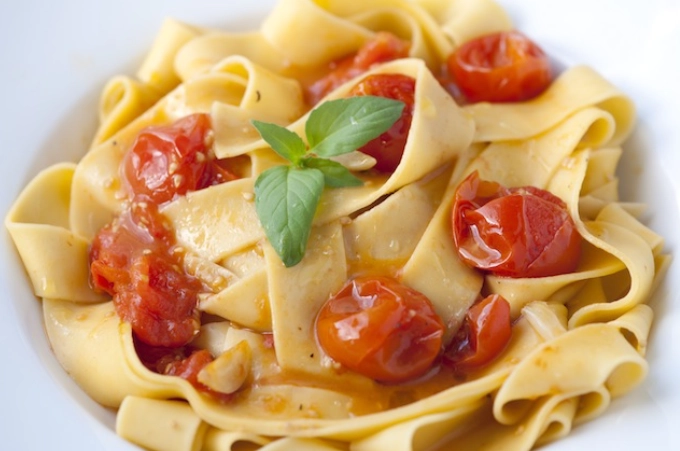
- A Large, Wide Sauté Pan or Skillet: For building sauces, sautéing vegetables, and finishing pasta. More surface area is better for evaporation and combining ingredients.
- A Heavy-Bottomed Pot: For making risotto, soups, and simmering ragù. Even heat distribution prevents burning.
- A Pasta Pot with an Insert: Makes draining and reserving pasta water effortless.
- A Microplane Grater: For fluffy piles of cheese, zesting citrus, and grating garlic or ginger.
- A Good Chef's Knife and Cutting Board: A sharp knife is safer and makes prep work a joy, not a chore.
The Essential Pantry Checklist
Keep these stocked, and you're never more than 20 minutes from a great Italian-inspired meal.
- Dry Goods: Dried pasta (a long shape like spaghetti, a short shape like penne), Arborio rice, dried porcini mushrooms, canned San Marzano tomatoes, tomato paste in a tube (so you can use a spoonful without wasting a can), good-quality dried beans (cannellini, chickpeas).
- Oils & Vinegars: Extra virgin olive oil (for finishing), regular olive oil (for cooking), a small bottle of aged balsamic vinegar (the real, thick stuff from Modena for drizzling, not the cheap, watery salad dressing).
- Cheese (refrigerated): Parmigiano-Reggiano wedge, Pecorino Romano wedge, fresh mozzarella (in water), ricotta.
- Cured Meats & Fish: Pancetta or guanciale (for carbonara, amatriciana), prosciutto, anchovy fillets (in oil, for adding depth of flavor).
- Seasonings: Sea salt, whole black peppercorns (and a grinder), dried oregano, dried chili flakes, a few bay leaves.
With this list, you can improvise. No fresh herbs? Use dried oregano. No meat? A can of beans and some greens with pasta and chili flakes is a fantastic meal.
Let's Clear Things Up: Your Italian Cooking Questions Answered
I get a lot of questions from friends starting their Italian cooking journey. Here are the ones that come up again and again.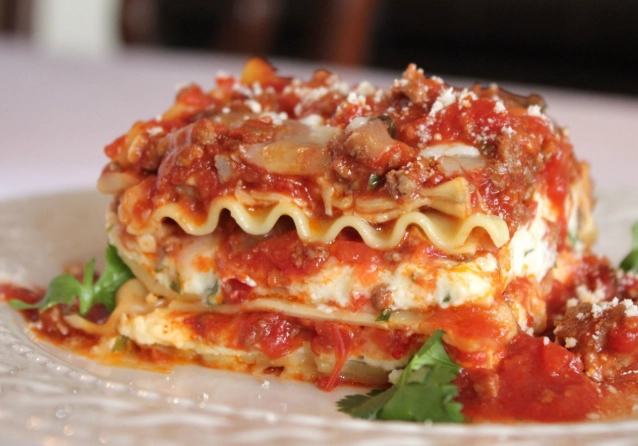
Wrapping It Up: Your Path Forward
Look, mastering Italian cooking is a journey, not a destination. You'll have flops. I still sometimes overcook my gnocchi. The important thing is to start simple, focus on ingredient quality, and understand the principles behind the recipe.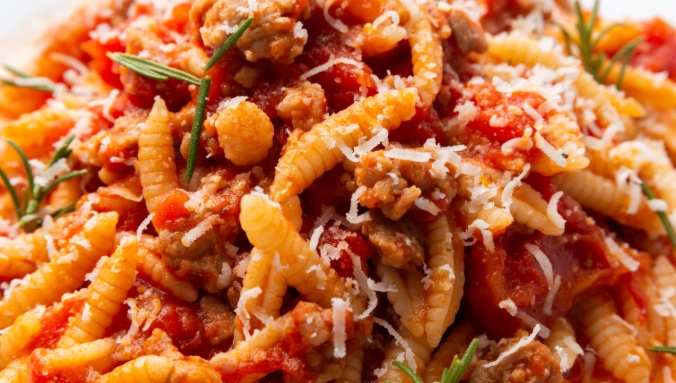
Don't try to make all four mother sauces in one week. Pick one—maybe that simple tomato sauce (Sugo di Pomodoro)—and make it until you're happy with it. Taste it critically. Is it bright? Is it balanced? Then move on to Aglio e Olio. Build your skills one dish at a time.
The beauty of these Italian cuisine recipes is their flexibility. Once you know the basic tomato sauce, you can add olives and capers, or chili flakes, or browned sausage. The framework is there for you to play with.
So go raid your pantry. Put a big pot of water on to boil. Crank up some music. And cook. Really cook. Taste as you go. Adjust. Make it yours. That's when the magic happens—not when you're blindly following steps, but when you're engaging with the food.
That's the real secret. Now you know it too.
Related Articles
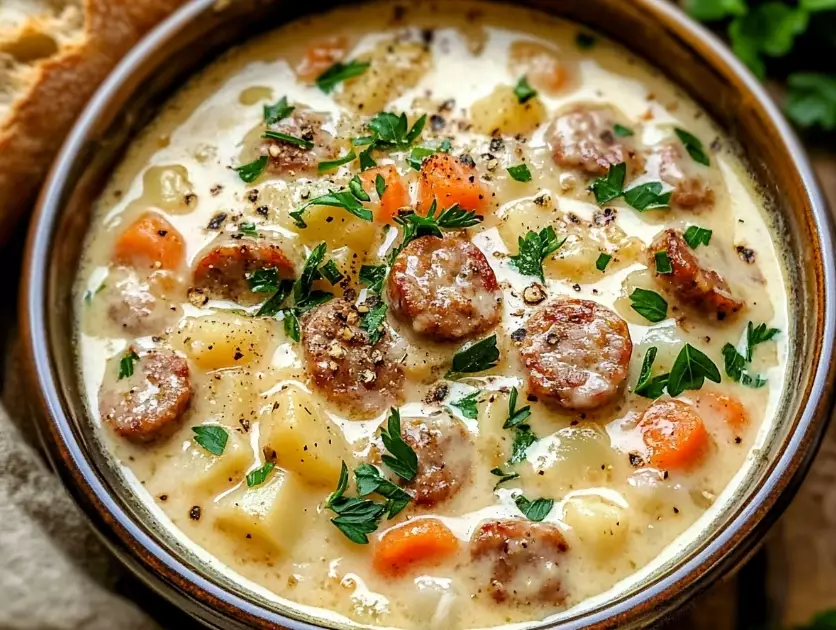
Hearty Italian Sausage Soup Recipe: Easy & Flavorful Comfort Food
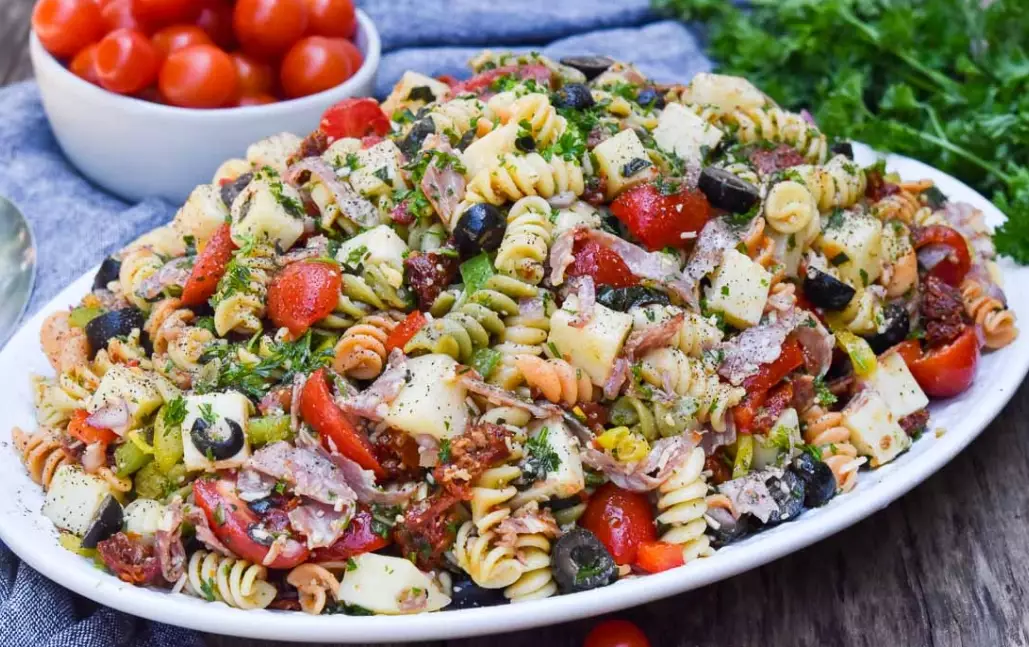
Pasta Italian Dressing Salad Recipes: The Ultimate Guide
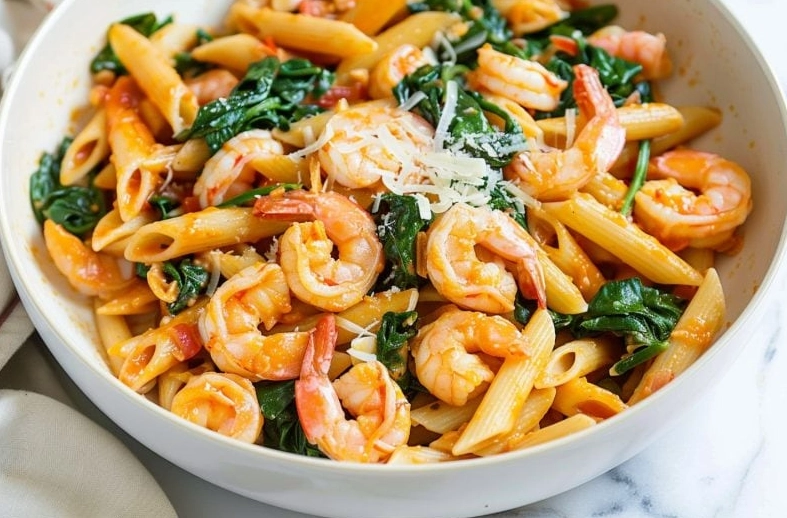
Italian Shrimp Recipes: From Classic Scampi to Modern Dishes

Sea freight rates soared! One after another raised sea freight rates, the "king
Authentic Italian Vegetarian Appetizers: Recipes, Tips & Menus