Authentic Italian Chicken Breast Recipes: Fast, Healthy & Flavorful Dinners
In This Guide
Let's be honest, chicken breast gets a bad rap. It's the poster child for boring, dry, "diet" food. But that's only because we're not treating it right. When you apply the principles of Italian cooking—respect for quality ingredients, bold flavors, and simple techniques—it transforms into something spectacular. I'm talking juicy, flavor-packed, weeknight-friendly masterpieces that have you looking forward to dinner. That's the magic of a well-executed Italian chicken breast recipe.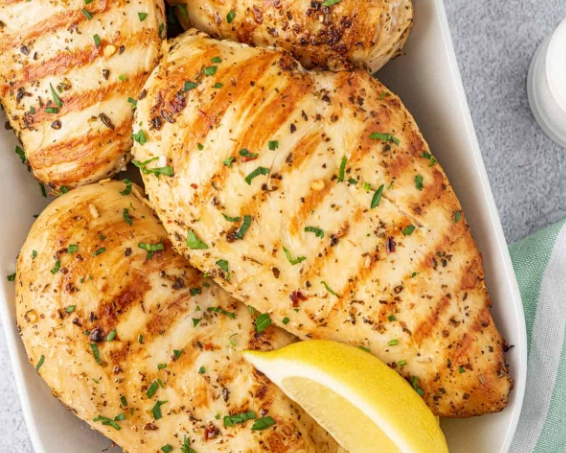
I remember the first time I had a truly great chicken breast in Italy. It wasn't fancy. It was in a small trattoria in Bologna, just listed as "Petto di Pollo alla Griglia" on the menu. It was shockingly simple, but it was moist, had this incredible smoky-herb crust, and was served with just a wedge of lemon and a drizzle of the restaurant's own olive oil. No heavy sauces, no complicated sides. It was a revelation. It taught me that the goal isn't to hide the chicken, but to elevate it.
Before You Start: The Non-Negotiable Basics
Jumping straight into a recipe without the fundamentals is the number one reason for disappointment. You can have the best Italian chicken breast recipe in the world, but if your technique is off, the result will be too. Let's fix that first.
Choosing and Prepping Your Chicken Breast
Not all chicken breasts are created equal. The ones that are huge and puffed up like a bodybuilder's chest? They're often woody and tough, a result of how some birds are raised nowadays. Try to find ones that are a more natural size, with a consistent thickness. Organic or air-chilled brands often have better texture, though they cost more.
The prep is everything. You must pat the chicken completely dry with paper towels. Wet chicken steams instead of sears, and you'll never get that beautiful golden crust that locks in juices. Then, for even cooking, you need to create an even thickness. Place the breast flat on a cutting board, put your hand on top, and slice it horizontally through the middle, like you're opening a book. This gives you two thinner cutlets. Or, you can pound them gently between two pieces of plastic wrap until they're about 1/2 inch thick. This step alone prevents the dreaded scenario where the thin end is overcooked and dry while the thick end is still raw.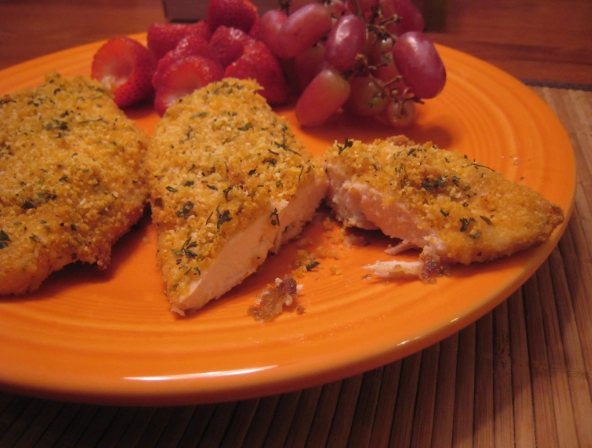
The Holy Trinity of Italian Flavor Building
Italian food builds flavor in layers. For chicken breast, these three layers are non-negotiable.
1. The Seasoning (Sale e Pepe): Salt is not the enemy here; underseasoning is. Generously salt your chicken breasts at least 10 minutes before cooking, ideally after you've patted them dry and pounded them. This allows the salt to penetrate, seasoning the meat from the inside out, not just sitting on the surface. Freshly cracked black pepper is a must.
2. The Sear (La Crosta): A golden-brown crust (what the Italians might call "la crosta") is flavor. It's the Maillard reaction—that magical chemical process that creates hundreds of new flavor compounds. To achieve it, make sure your pan (stainless steel or cast iron is best) is properly hot before the chicken touches it. You should hear a confident sizzle, not a meek whisper. Don't move it around! Let it sear undisturbed for a few minutes to build that crust.
3. The Aromatics (Il Soffritto): This is the soul of so many Italian dishes. It's the gentle frying of minced onion, carrot, and celery in olive oil. For many Italian chicken breast recipes, you'll sear the chicken first, remove it, then cook your aromatics in the same pan, scraping up all the delicious browned bits (the "fond") left behind by the chicken. Those bits are liquid gold.
Top Italian Chicken Breast Recipes You Can Actually Make on a Weeknight
Okay, theory is over. Let's get to the good stuff. These are my go-to recipes, categorized by cooking method. They're authentic in spirit, designed for a real kitchen, and they deliver every single time.
The Stovetop Star: Chicken Piccata
This is the ultimate 20-minute flavor bomb. It's bright, tangy, rich, and feels fancy without any of the fuss. The key is not to overcook the chicken and to balance the lemon juice with the briny capers and rich butter.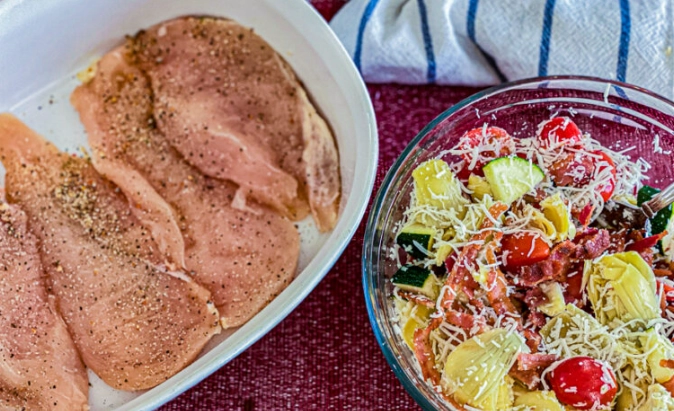
My Simple Chicken Piccata: Pound two chicken breasts into cutlets. Dredge lightly in flour seasoned with salt and pepper. Shake off excess. Heat a mix of olive oil and a tablespoon of butter in a large skillet over medium-high. Cook the chicken for about 3 minutes per side until golden and just cooked through. Remove to a plate. In the same pan, add a minced shallot (or 1/4 cup minced onion), cook for 1 minute. Pour in 1/2 cup chicken broth and 1/4 cup fresh lemon juice. Scrape up the bits. Let it simmer and reduce by half. Stir in 2 tablespoons of rinsed capers and 2 more tablespoons of cold butter, cut into pieces, swirling the pan until the butter melts and creates a silky sauce. Throw in a handful of chopped fresh parsley. Spoon the sauce over the chicken. Done. Serve with pasta or a simple arugula salad to soak up that incredible sauce.
Why does this work? The flour on the chicken helps create a better crust and also slightly thickens the sauce later. The cold butter swirled in at the end (called "monter au beurre") emulsifies with the lemon and broth, creating a luxurious texture without heavy cream.
The Oven Hero: Chicken alla Parmigiana (The Real Way)
Let's clear something up. The American version with heavy breading and mountains of melted mozzarella is delicious, but it's a distant cousin of the lighter, more focused Italian original. A proper Italian chicken parmesan recipe is about the quality of a few things: the tomato sauce, the cheese, and the chicken itself.
Here's how I do it, which is much closer to what you'd find in Italy (and honestly, I prefer it).
- Prepare your chicken cutlets as described earlier. Instead of a heavy breadcrumb coating, I often just give them a very light dusting of flour or fine, dry breadcrumbs mixed with a little grated Parmigiano. It's more of a delicate crust than a jacket.
- Sear them quickly in an oven-proof skillet until just golden on one side. Flip them.
- Top the seared side immediately with a spoonful of a simple, vibrant tomato sauce (passata or crushed San Marzano tomatoes simmered with garlic and basil is perfect).
- Then, add a generous sprinkle of freshly grated Parmigiano-Reggiano cheese (not the pre-grated stuff in a canister, which has anti-caking agents that prevent proper melting).
- Transfer the whole skillet to a hot oven (400°F/200°C) for about 8-10 minutes, just until the chicken is cooked through and the cheese is melted and bubbling with little golden spots.
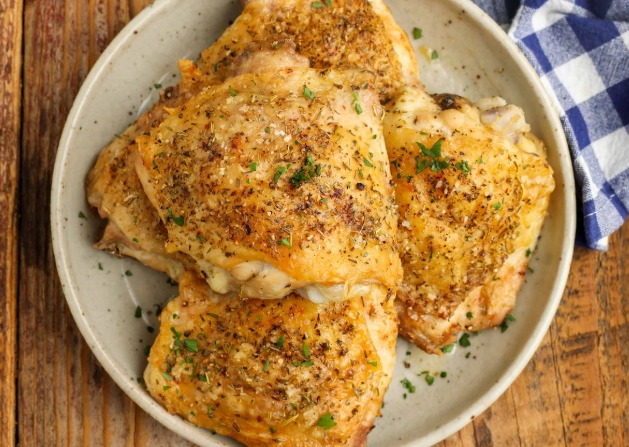
The result? The chicken stays juicier because it's not buried in a dense coating. The tomato sauce is a bright accent, not a blanket. And the Parmigiano provides that deep, nutty, salty umami punch. It's less of a gut bomb and more of a refined dish. Try it this way once, and you might not go back.
 The secret isn't more cheese, it's better cheese.
The Grill Master: Italian Herb-Grilled Chicken Breast
For those days when you want minimal cleanup and maximum smoky flavor. The trick is in the marinade—or rather, the paste. A wet marinade with lots of lemon juice or vinegar can actually start to "cook" the surface of the chicken (ceviche-style), giving it a weird texture. I prefer a dry herb paste.
In a small bowl, mash together: 3 tablespoons of good olive oil, 2 minced garlic cloves, 1 tablespoon each of finely chopped fresh rosemary and thyme (or 1 teaspoon each dried), 1 teaspoon of lemon zest, 1/2 teaspoon of red pepper flakes, 1 teaspoon of coarse salt, and plenty of black pepper. Rub this paste all over your prepared chicken breasts. Let them sit for 30 minutes at room temperature.
Grill over direct, medium-high heat for 4-6 minutes per side, depending on thickness. The oil and herbs will create a gorgeous, fragrant crust. Let it rest for 5 minutes before slicing. This is one of the most versatile Italian chicken breast recipes—slice it over a salad, stuff it in a ciabatta roll with roasted peppers, or serve it alongside grilled vegetables.
Cooking Method Showdown: Which One is Best for You?
Choosing how to cook your chicken can depend on your time, tools, and desired outcome. Here's a quick, honest breakdown.
| Method | Best For | Key to Success | Flavor Profile | My Personal Take |
|---|---|---|---|---|
| Pan-Searing/Sautéing | Speed, creating pan sauces (like Piccata, Marsala). | Hot pan, don't crowd it, let it sear undisturbed. | Concentrated, rich, sauce-based flavors. | My weekday MVP. Nothing beats a quick pan sauce built on those browned bits. |
| Baking/Roasting | Hands-off cooking, cooking for a crowd, even cooking. | Use a meat thermometer! Pull at 162°F (72°C), carryover will take it to 165°F (74°C). | Even, gentle roasting flavors. Great with potatoes & veggies in the same pan. | Reliable, but can be boring if you don't add enough flavor before it goes in the oven. |
| Grilling | Summer, smoky flavor, char marks. | Clean and oil the grates well. Don't move the chicken until it releases easily. | Smoky, charred, herbaceous. | The flavor king when done right, but easy to dry out if you're not careful. |
| Braising | Turning cheaper, tougher cuts juicy. Not ideal for lean breast. | Low and slow with plenty of liquid. | Deep, melded, fall-apart tenderness. | I almost never braise breast meat. It's made for quick cooking. Save braising for thighs. |
See that note about the meat thermometer? It's the single best investment you can make for cooking any protein, especially lean chicken breast. Guessing is a recipe for dry meat. A simple digital instant-read thermometer takes the panic out of the process. The USDA recommends 165°F (74°C), but if you pull it from the heat at 160-162°F (71-72°C), the residual heat will carry it to the safe temperature while keeping it supremely juicy.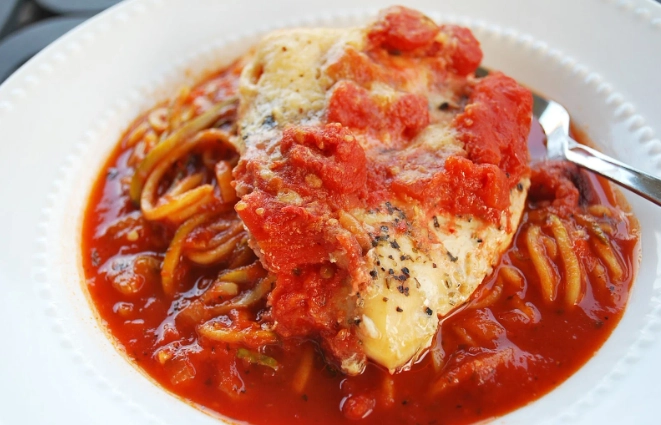
Answering Your Burning Questions (The FAQ)
Why is my chicken breast always dry and tough?
Nine times out of ten, it's overcooked. Chicken breast has very little fat, so it has a small window between "just done" and "sawdust." The other culprit is not resting it. When you cook meat, the juices rush to the center. If you cut it open immediately, all those juices flood out onto your cutting board. Let it rest on a warm plate, loosely tented with foil, for 5-7 minutes after cooking. The juices redistribute, resulting in moist meat. Also, refer back to the "even thickness" tip—it's a game-changer.
What's the difference between Chicken Marsala and Chicken Piccata?
Great question! They're cousins but have distinct personalities. Both are made with thinly pounded cutlets and a pan sauce. Chicken Marsala uses Marsala wine (a fortified wine from Sicily) as the base of the sauce, often with mushrooms. The flavor is deeper, richer, slightly sweet, and nutty. Chicken Piccata uses lemon juice and white wine or broth, and features capers. Its flavor profile is bright, tangy, piquant, and buttery. I love both, but Piccata feels lighter to me, while Marsala is more decadent.
Can I use dried herbs instead of fresh in Italian recipes?
You can, but you shouldn't treat them as a 1:1 swap. Dried herbs are more concentrated. A good rule of thumb is to use one-third the amount of dried herbs as you would fresh. So, if a recipe calls for 1 tablespoon of fresh rosemary, use 1 teaspoon of dried. More importantly, add dried herbs earlier in the cooking process (like when you're cooking your aromatics) so they have time to rehydrate and release their flavor. Fresh herbs are often added at the end for a burst of color and aroma. For a classic Italian herb chicken breast, fresh really does make a noticeable difference, especially in something like the grilled herb paste.
What are authentic Italian sides for chicken breast?
Italians often keep it simple to let the protein shine. Think of the side as a complement, not the main event. Here are a few classic pairings:
- Vegetables: Sautéed spinach with garlic and lemon, roasted asparagus, grilled zucchini or eggplant, a simple salad of arugula (rucola) with shaved Parmesan and lemon vinaigrette.
- Starches: Not always pasta! Consider creamy polenta (a fantastic sponge for sauces), roasted potatoes with rosemary, or a simple risotto (more effort, but worth it). If you do pasta, it's often served separately as a "primo" (first course), not piled on the same plate as the chicken.
Taking It Further: Pro Tips and Flavor Twists
Once you've mastered the basics, playing around is half the fun. Here are some ideas to build your own repertoire of easy Italian chicken breast recipes.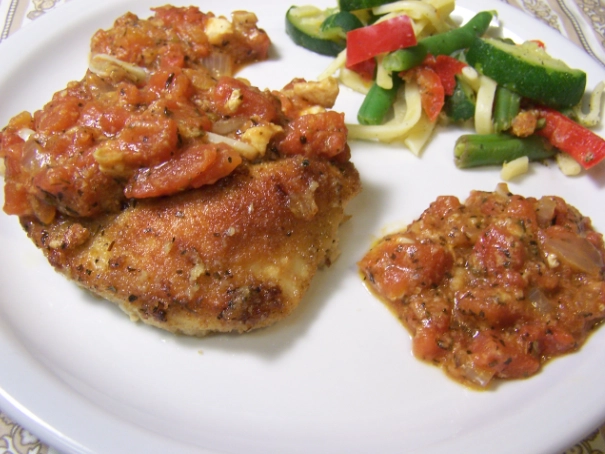
The "Under the Skin" Trick: If you're roasting a whole, bone-in, skin-on chicken breast, gently lift the skin and slide thin slices of lemon, fresh sage leaves, and a few garlic slivers underneath. The fat from the skin will baste the meat with these incredible flavors as it roasts. This is a restaurant trick that's stupidly easy at home.
Sun-Dried Tomato and Basil Pesto Chicken: After pan-searing your cutlets, remove them. In the same pan, add a couple tablespoons of chopped oil-packed sun-dried tomatoes and a spoonful of good-quality basil pesto. Swirl with a splash of pasta water or chicken broth to make a quick sauce. Spoon over the chicken. It's like summer on a plate.
The Importance of Acidity: This is a big one in Italian cooking. A tiny splash of good-quality vinegar (balsamic, red wine, or white wine vinegar) or a squeeze of fresh lemon juice added at the very end of cooking a sauce can lift and brighten all the other flavors. It's the difference between a sauce that tastes flat and one that sings. Don't skip it.
For more on the science of cooking meat safely and to perfection, resources from institutions like the USDA Food Safety and Inspection Service are invaluable. And if you want to dive deep into authentic Italian culinary techniques and history, the website for the Academia Barilla is a fantastic, authoritative resource straight from Parma.
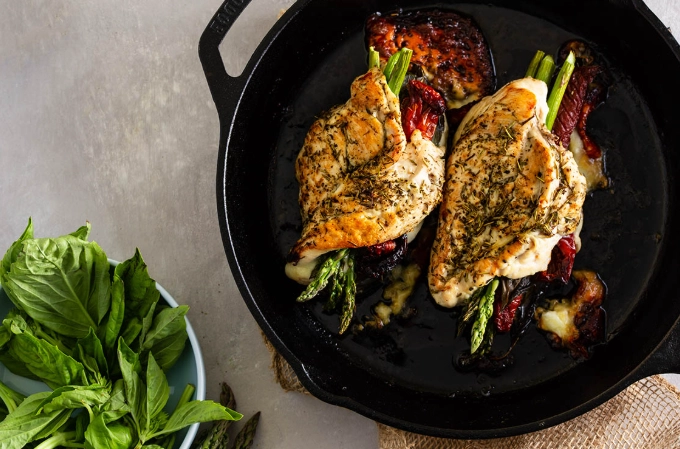 Cooking is supposed to be enjoyable, not stressful. Start simple, master one recipe, then expand.
At the end of the day, the best Italian chicken breast recipe is the one you make again and again because it works for you. It's the one that gets your family asking for seconds, that you can throw together without thinking on a busy Tuesday, and that makes a simple piece of chicken feel like a celebration. Forget the complicated, overwrought recipes. Grab some good chicken, a lemon, some garlic, and a bottle of decent olive oil. That's where the real magic starts. Now go cook something delicious.
Related Articles
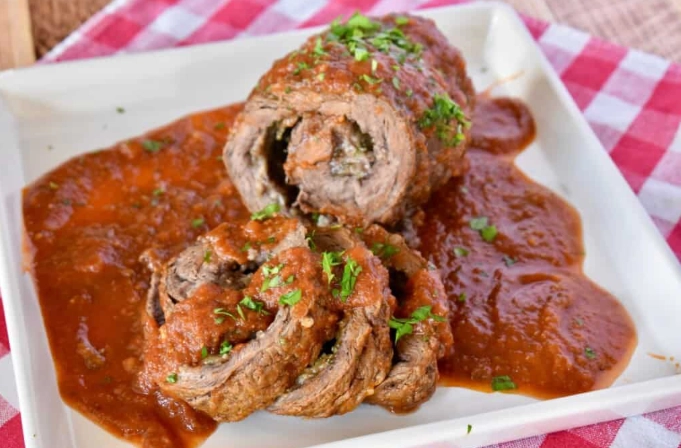
Ultimate Braciole Recipe: Authentic Italian Beef Rolls in Tomato Sauce
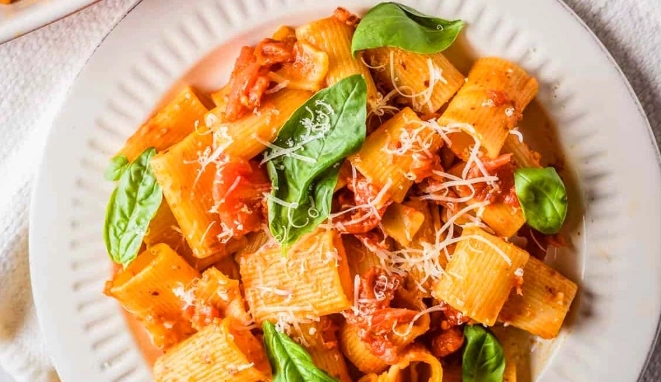
Master Classic Italian Dishes: Recipes & Secrets from Pasta to Tiramisu
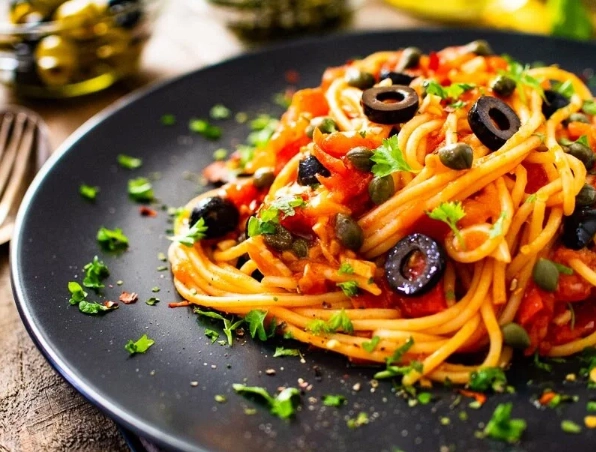
What Is the Most Popular Italian Dish? Top Contenders Revealed
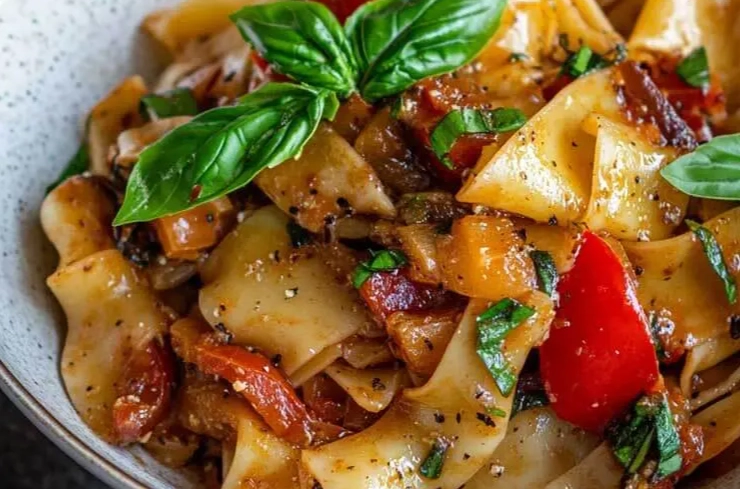
Authentic Italian Drunken Noodles Recipe (Pasta alla Ubriaca)
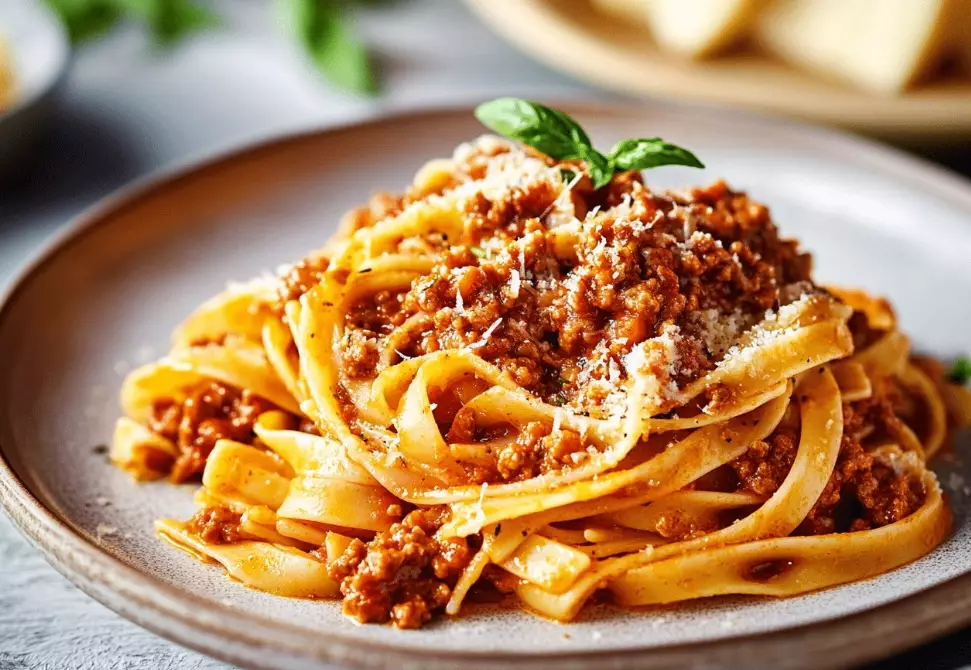
Classic Italian Bolognese Recipe: Master the Authentic Ragu
