Authentic Carbonara Recipe: How to Make Traditional Italian Pasta
What You’ll Discover
- Where Did Carbonara Even Come From? (A Bit of History)
- The Holy Quintet: Non-Negotiable Ingredients for Authentic Carbonara
- Step-by-Step: How to Make Carbonara Without Scrambling Your Eggs
- Top Mistakes That Ruin Your Carbonara (And How to Fix Them)
- Carbonara Variations: The Great Italian Debate
- Your Carbonara Questions, Answered
- Why This Recipe Works (The Science & The Soul)
Let's get one thing straight right off the bat. If your carbonara recipe calls for cream, garlic, or onions, you're not making carbonara. You're making a creamy pasta dish that might be delicious, but it's a world away from the sharp, salty, and utterly satisfying magic of a traditional Italian carbonara recipe. I learned this the hard way, after proudly serving my "carbonara" to an Italian friend who politely pushed his plate away after one bite. It was a humbling moment that sent me on a quest to get it right.
The real deal is deceptively simple. Just five core ingredients: pasta, guanciale, eggs, Pecorino Romano cheese, and black pepper. That's it. The complexity comes from technique and timing. Mastering this traditional carbonara recipe is like learning a simple magic trick—once you know the secret, you can wow people every time. And the best part? It comes together in about the time it takes to boil water and cook pasta, making it the ultimate quick yet impressive meal.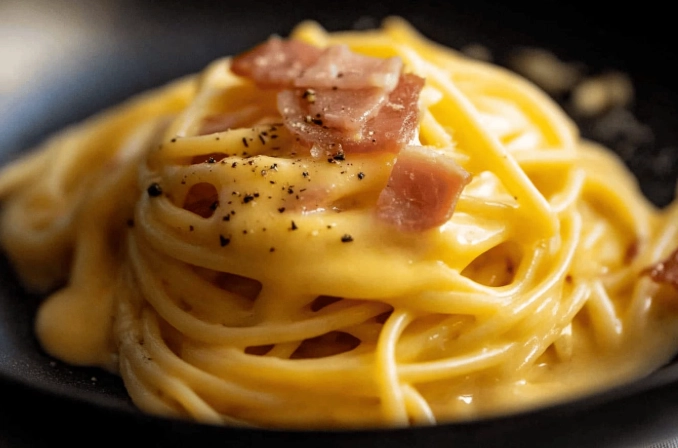
Where Did Carbonara Even Come From? (A Bit of History)
Its origins are surprisingly murky and hotly debated, which is funny for such a definitive dish. Unlike many Italian classics with centuries of lineage, carbonara feels more modern. The most popular theory—and the one I find most charming—links it to the carbonai, the charcoal workers in the Apennine mountains. The story goes that they needed a hearty, non-perishable meal they could cook over a fire: pasta, cured pork, eggs, and cheese. It makes sense. Others argue it was born in Rome post-World War II, influenced by American soldiers and their rations of eggs and bacon. The Accademia Italiana della Cucina, the official authority on Italian cuisine, officially registered a recipe for carbonara in 1954, which lends some credence to its mid-20th century popularization.
Whatever its true origin, it became a staple of Roman trattorias and then the world. But somewhere along the line, the recipe got... corrupted. Cream crept in, probably to make it more forgiving for home cooks afraid of scrambling eggs. But that creaminess mutes all the beautiful, sharp flavors we're after.
The Holy Quintet: Non-Negotiable Ingredients for Authentic Carbonara
This is where you can't cut corners. Using substitutes changes the dish fundamentally. Think of it like making a martini with vodka instead of gin—it might be a fine drink, but it's not a martini.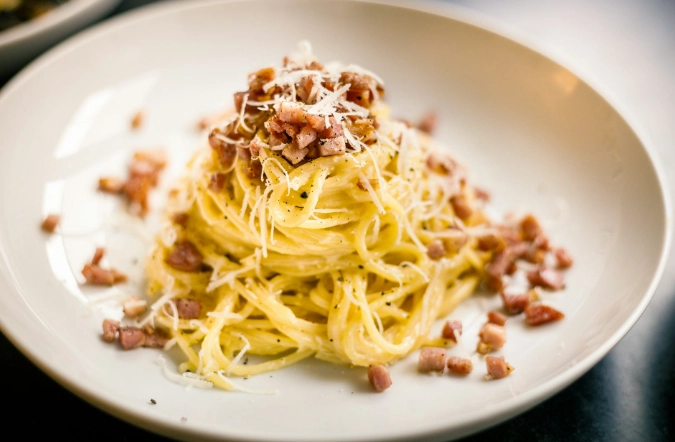
| Ingredient | The Authentic Choice (Why It Matters) | Common Substitute (The Compromise) |
|---|---|---|
| Pork Fat | Guanciale: Cured pork cheek. It's fattier, more flavorful, and has a softer texture than pancetta. The fat renders into a silky, aromatic base that's irreplaceable. | Pancetta (cured pork belly). Acceptable in a pinch, but the flavor is leaner and saltier. Bacon is a last-resort emergency option—its smokiness is not traditional. |
| Cheese | Pecorino Romano: Sharp, salty sheep's milk cheese from Lazio. It provides the necessary bite and saltiness that defines the sauce. | Parmigiano-Reggiano (Parmesan). Often used in a 50/50 mix with Pecorino to soften the saltiness. All Parmesan makes a milder, less authentic sauce. |
| Pasta | Spaghetti or Rigatoni. Long, thin spaghetti is the classic. Rigatoni's ridges hold the sauce beautifully. The shape must be able to cradle the creamy egg mixture. | Any long or short, sturdy pasta. Fettuccine works. Avoid delicate shapes like angel hair or small shapes like orzo. |
| Eggs | Fresh, high-quality egg yolks. The richness and color come from the yolks. Some recipes use a whole egg + extra yolk per person. | Whole eggs only. Using only whole eggs makes the sauce less rich and slightly more prone to scrambling. |
| Pepper | Freshly cracked black pepper. It's not just seasoning; it's a core flavor component. Pre-ground pepper tastes like dust here. | ...There is no substitute. Just don't. |
See that ingredient list? No cream. No garlic. No parsley sprinkled on top (that's for photos, not for taste). The authentic carbonara recipe is an exercise in purity. The Italian Ministry of Agricultural, Food and Forestry Policies even grants Protected Designation of Origin (PDO) status to Pecorino Romano, underscoring its regional importance. Using the real stuff isn't snobbery; it's about respecting the flavor chemistry that makes the dish work.
Step-by-Step: How to Make Carbonara Without Scrambling Your Eggs
This is the part that intimidates people. The fear of turning your sauce into sweet, chewy scrambled eggs is real. I've done it. It's depressing. But follow these steps carefully, and you'll nail it.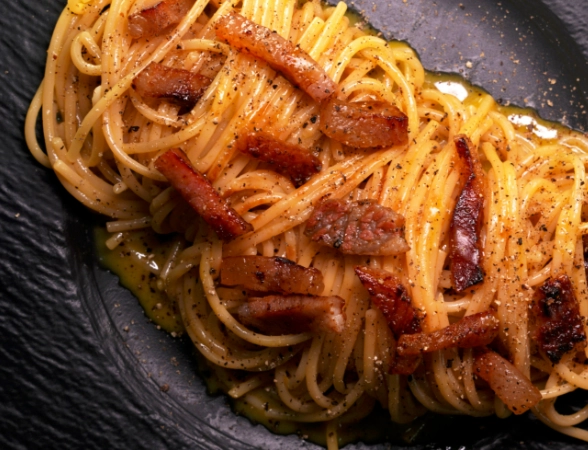
Prep is Everything (The *Mise en Place*)
Have everything ready to go before you even turn on the stove. Carbonara comes together in a frantic, glorious two minutes at the end. You have no time to grate cheese or separate eggs then.
- Cube your guanciale (or pancetta) into 1/2-inch lardons. Not too small, you want little meaty bites.
- Grate your Pecorino Romano finely. Do not use pre-grated cheese. The anti-caking agents will ruin the smooth emulsion.
- Separate your eggs. For 4 servings, I use 4 whole eggs + 2 extra yolks. The extra yolks add insane richness and a deeper yellow color. Whisk them in a bowl that's large enough to later hold all the pasta.
- Add most of the grated cheese and a generous amount of cracked black pepper to the eggs. Whisk it into a thick paste. No cream, remember? This paste is your sauce base.
- Put a large pot of well-salted water on to boil. Use enough salt—it should taste like the sea. This is the pasta's only seasoning.
The Cooking Dance
Now, the dance begins. Multitasking is key.
- Render the Guanciale: In a large, cold skillet (steel or cast iron works well), add the cubed guanciale. Turn the heat to medium-low. You want to slowly render the fat out until the pieces are golden brown and crispy, but not burnt. This takes about 10-15 minutes. Be patient. Once done, turn off the heat. You now have a skillet full of liquid gold—the rendered fat. This is your sauce's flavor foundation.
- Cook the Pasta: Drop your spaghetti into the boiling water. Cook it 1-2 minutes LESS than the package says for al dente. It will finish cooking in the sauce.
- The Critical Tempering: This is the make-or-break moment. When the pasta is almost done, take a ladleful of the starchy pasta water and drizzle it SLOWLY into your bowl with the egg/cheese paste, whisking constantly. Do this with about 1/2 cup of water total. This raises the temperature of the eggs gently, preventing them from scrambling when they hit the hot pasta. Your paste will loosen into a creamy, homogenous mixture.
- Bring It All Home: Using tongs, transfer the al dente pasta directly from the pot into the skillet with the guanciale and its fat. Toss vigorously for a minute, letting the pasta drink up that fat. If it looks dry, add a splash of pasta water.
- Create the Sauce: Take the skillet OFF THE HEAT. Wait 30 seconds. Now, pour in the tempered egg and cheese mixture. Work quickly, tossing and stirring the pasta constantly. The residual heat from the pasta and pan will gently cook the eggs into a silky, creamy sauce that coats every strand. If it seems too thick, add more pasta water, a tablespoon at a time, until it's loose and luxurious.
- Serve Immediately. Plate it up, give it another crack of black pepper, and maybe a tiny sprinkle of the remaining Pecorino. Do not let it sit. The sauce will continue to thicken.
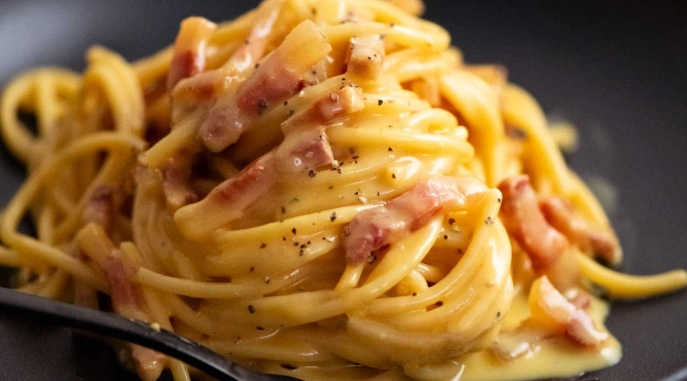
That tossing motion is crucial. You're not just mixing; you're emulsifying the fat, starch, and egg into a cohesive sauce. When you get it right, there's no pooling of grease at the bottom of the bowl. It's all clung to the pasta in a velvety cloak. That's the hallmark of a perfectly executed traditional Italian carbonara recipe.
Top Mistakes That Ruin Your Carbonara (And How to Fix Them)
We've all been there. Let's diagnose the common disasters.
- The Scramble: Cause: Adding eggs to direct heat. Fix: Always remove pan from heat. Temper the eggs with pasta water first.
- A Greasy, Separated Sauce: Cause: Not emulsifying properly, or the pasta was too dry when the sauce was added. Fix: Toss the pasta aggressively with the fat first. Use starchy pasta water liberally to bring it together. The water is the glue.
- A Dry, Claggy Mass: Cause: Not enough sauce base or pasta water. Fix: Don't skimp on the egg/cheese mixture per serving. Be generous with the pasta water when building the sauce in the bowl and in the pan.
- Bland Flavor: Cause: Undersalting the pasta water, using bland cheese, or not enough pepper. Fix: Salt that water like the Mediterranean. Use authentic Pecorino. Pepper is a main ingredient—crack a lot.
- Rubbery Guanciale: Cause: Cooking it over too high heat. Fix: Low and slow rendering is the only way. You want crisp, not tough.
My personal nemesis was the greasy separation. I'd end up with tasty pasta floating in a pool of fat. It took me realizing I was being too timid with the pasta water. That starchy water is magic. It's not just liquid; it's a binding agent.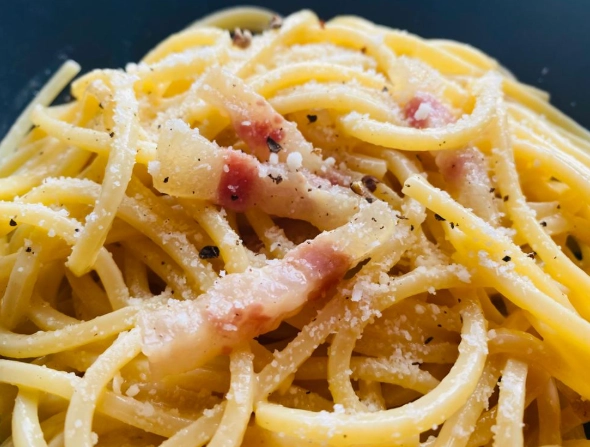
Carbonara Variations: The Great Italian Debate
Even within Italy, there are slight variations. Purists will argue until they're blue in the face about which is the "true" carbonara recipe. Here’s the lay of the land:
- The Roman Purist: Guanciale, Pecorino Romano, egg yolks only, pepper. No discussion.
- The Whole-Egg Camp: Uses whole eggs for a slightly lighter, still creamy sauce. This is more common in home cooking and is very forgiving.
- The Parmigiano Mix: A 50/50 blend of Pecorino and Parmigiano-Reggiano. This softens the sharp saltiness of the Pecorino and is my preferred method for a more balanced, complex cheese flavor. Some Romans might scoff, but it's delicious.
- What about Carbonara with Cream? Let's be clear: In Italy, this is not called carbonara. It might be called "pasta alla crema di pancetta" or something similar. It's a different dish. Is it tasty? Sure. But if you're searching for an authentic carbonara recipe, cream is your red flag.
The beauty of a traditional carbonara recipe lies in its restraint. It's a lesson in how a few phenomenal ingredients, treated with respect and proper technique, can create something far greater than the sum of its parts. Adding more stuff usually just takes away from that magic.
Your Carbonara Questions, Answered
Why This Recipe Works (The Science & The Soul)
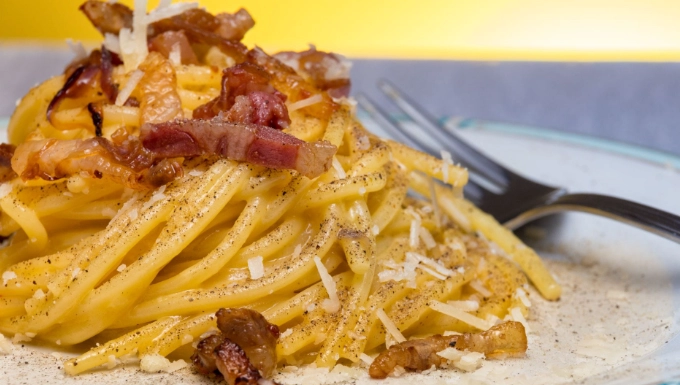
Beyond tradition, there's a brilliant science to this dish. The starch from the pasta water, when agitated with the fat and cheese, forms an emulsion—a stable suspension of fat in water. The egg proteins, gently cooked, act as emulsifiers and thickeners, stabilizing that sauce so it clings perfectly and doesn't separate. It's edible chemistry.
But more than that, it works because it's soul food. It's rich, comforting, and feels indulgent without being fussy. It’s a weeknight dinner that feels like a celebration. Mastering it gives you a sense of accomplishment. You’ve connected with a culinary tradition, nailed a technique, and created something genuinely spectacular from almost nothing.
So, ditch the cream carton.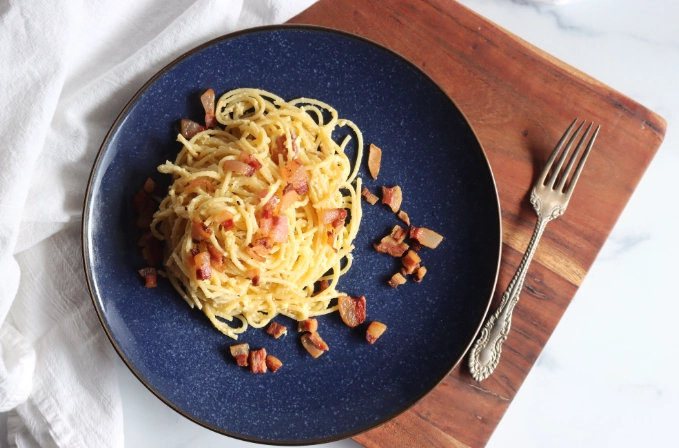
Track down that guanciale or a good pancetta. Get a wedge of real Pecorino. Crack those eggs and that pepper. Embrace the simple, chaotic, two-minute finale at the stove. When you take that first bite of your own homemade, silky, salty, peppery, authentic carbonara, you'll understand what all the fuss is about. It’s not just pasta. It’s a perfect, simple, and utterly satisfying piece of Italy on a plate. And honestly, once you’ve had the real thing, you’ll never go back to the creamy imitation.
Related Articles
Easy Italian Dinner Recipes You Can Make Tonight
Authentic Italian Recipes: Your Ultimate Guide to Mastering Classics at Home
Authentic Italian Pizzelle Recipe: Crispy, Classic & Easy
Top 10 Italian Dishes You Must Try: Authentic Flavors Explained
Proper Italian Meatballs Recipe: Authentic Tips & Secrets