Authentic Carbonara Recipe: The Real Italian Way (No Cream!)
Let's get this out of the way immediately: authentic carbonara contains no cream, no garlic, no onions, and definitely no peas. What you often get in restaurants outside Italy is a distant, heavy cousin. The real thing is a masterpiece of simplicity—just five ingredients working in perfect harmony. It's rich, yes, but also surprisingly light and silky. The magic lies in technique, not in a long list of components. I learned this the hard way after a Roman chef politely but firmly schooled me on my first attempt years ago. This is that lesson, distilled.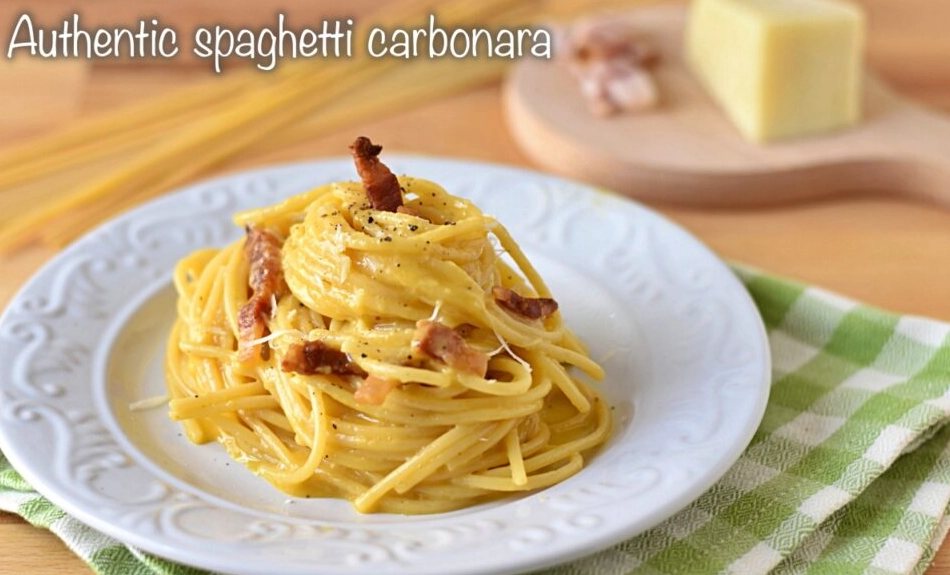
What You'll Find Here
What Real Carbonara Actually Is (And Isn't)
Carbonara is a Roman pasta dish, born in the mid-20th century. Its origins are debated (some say it was a meal for coal workers, hence "carbonara"), but its composition is not. It's a pasta dressed with a sauce made from raw eggs, hard cheese, cured pork cheek, and black pepper. The heat from the freshly cooked pasta and the rendered pork fat cooks the eggs just enough to create a creamy, velvety emulsion. That's it.
The cream you see everywhere? It's a crutch. It's added because people are scared of the eggs curdling. Garlic? It overpowers the delicate, smoky, salty flavor of the guanciale. These additions create a different, heavier dish—a tasty one, perhaps, but not carbonara. Think of it like putting ketchup on a perfectly grilled steak. You might like it, but you're not tasting the steak anymore.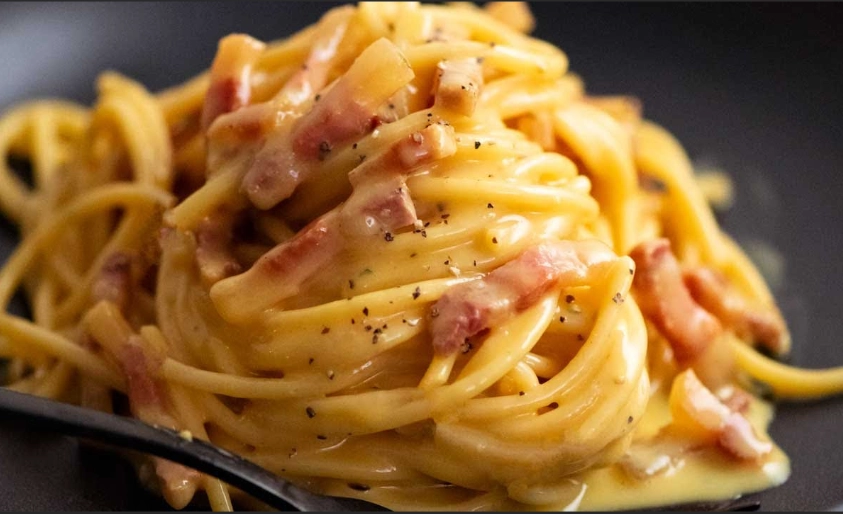
The Five Sacred Ingredients & Why They Matter
This isn't a list of suggestions. Swap one, and you're making a different pasta. Here’s the non-negotiable lineup:
The Core Components
1. Guanciale: This is cured pork cheek, not pancetta (pork belly) and certainly not bacon. Guanciale has a higher fat content and a more distinct, funky, aromatic flavor. The fat is crucial for the sauce. Find it at a good Italian deli or online. If you absolutely must substitute, use high-quality pancetta. Bacon will make it taste like breakfast pasta.
2. Pecorino Romano: A hard, salty sheep's milk cheese from the region around Rome. Its sharpness is essential. Do not use the pre-grated stuff in a canister; it contains anti-caking agents that will ruin the texture. Buy a block and grate it fresh.
3. Eggs: Large, fresh, and preferably at room temperature. For a standard 1lb/500g of pasta, you'll use 4 whole eggs, or sometimes 3 whole eggs and 2 extra yolks for extra richness. The yolks are the source of the creaminess.
4. Black Pepper: Freshly cracked, coarsely ground. It's not just seasoning; it's a key flavor component that provides a spicy kick against the richness.
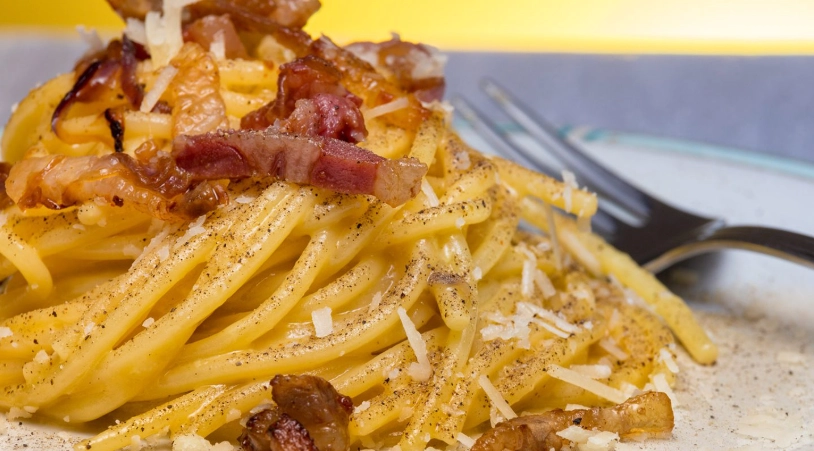
5. Pasta: Long, dried pasta is traditional. Spaghetti is the classic, but rigatoni or bucatini are also authentically Roman. The shape needs to hold the sauce.
You'll also need pasta cooking water. That starchy, salty water is the secret weapon for bringing the sauce together.
The Step-by-Step Process: No Room for Error
This is where the magic happens, and where most people panic. Follow this sequence precisely.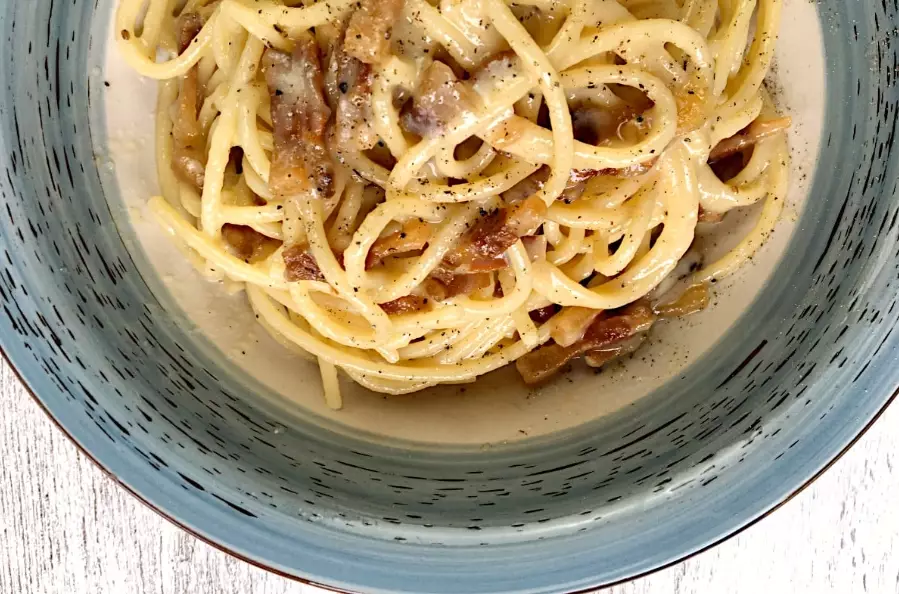
1. Prep is Everything
Cube your guanciale into small, thick lardons. Grate a generous cup of Pecorino Romano. Crack your eggs into a large, wide bowl—this will be your mixing bowl later. Add all the grated cheese and a very generous amount of black pepper to the eggs. Whisk it all together until completely smooth. No streaks of egg white. Set this bowl aside near your stove.
2. Cook the Pasta & the Pork
Start boiling a large pot of well-salted water for your pasta. In a large, cold skillet (not non-stick, if possible), add the cubed guanciale. Turn the heat to medium. You want to render the fat slowly, letting the pieces become golden and crisp, but not burnt. This should take about 10 minutes. Once done, turn off the heat. Leave the guanciale and all its beautiful fat in the pan.
Cook your pasta in the boiling water, but pull it out 1-2 minutes before the package's "al dente" time. It will finish cooking in the sauce.
3. The Critical Moment: Combining Everything
This is the 60-second window that defines your carbonara. Work quickly and confidently.
Using tongs, transfer the dripping-wet pasta directly from the pot into the skillet with the guanciale and fat. Do not drain it in a colander—you need that pasta water. Toss the pasta vigorously in the fat for a minute. The skillet should be off the heat, but still warm.
Now, take a ladle of the hot pasta water from the pot. Slowly drizzle about a quarter cup into your bowl of egg and cheese mixture while whisking constantly. This "tempers" the eggs, gently raising their temperature without cooking them.
Immediately pour the tempered egg mixture over the pasta in the skillet. Working off the heat entirely, toss and stir like your dinner depends on it. The residual heat from the pasta, pan, and fat will cook the eggs into a glossy, creamy sauce that coats every strand. If it looks too thick or sticky, add more pasta water, a tablespoon at a time, until it flows silkily.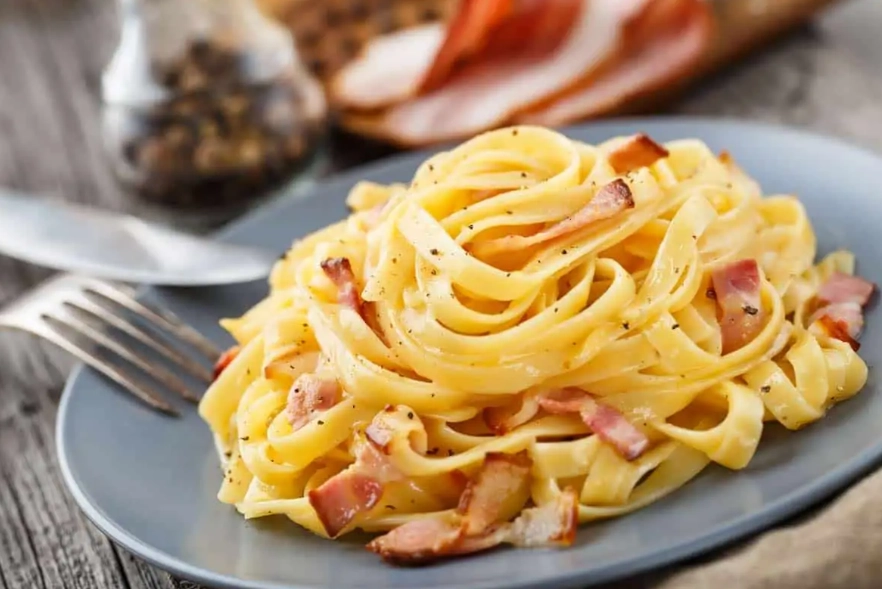
Serve immediately in warm bowls, with an extra crack of pepper and a light dusting of Pecorino on top.
Where Everyone Goes Wrong & The "Permitted" Variations
Beyond adding cream, here are subtle mistakes that ruin the texture:
Using a colander: You drain away the starchy water you desperately need. Always transfer the pasta directly.
Not enough pasta water in the sauce: The sauce should be loose and creamy, not a clumpy paste. Don't be shy with it.
Overcooking the guanciale: It should be golden and chewy-crisp, not dark brown and crunchy like bacon bits.
As for variations, Romans are purists, but even in Italy, you'll see debates.
Some chefs, like the legendary Luciano Monosilio of Rome's Pipero, use only egg yolks for an ultra-luxurious texture. Many home cooks use a mix of Pecorino and Parmigiano-Reggiano to soften the sharp saltiness of the Pecorino. This is widely accepted, even if it's not the oldest tradition.
But adding garlic, cream, mushrooms, or herbs? That's just making a different pasta dish. Call it "creamy bacon pasta," and I have no issue. But don't call it carbonara.
Your Carbonara Questions, Answered
 What's the best pasta shape to use for carbonara?
Related Articles
Traditional Northern Italian Recipes: Authentic Dishes & Cooking Secrets
The Real Carbonara: An Easy, Authentic Italian Recipe (No Cream!)
What Cut of Meat Makes Authentic Italian Beef? The Ultimate Guide
Best Italian Salads You Can Actually Make at Home
Authentic Italian Meatballs: Nonna's Secrets & Step-by-Step Recipe