The Ultimate Guide to Authentic Italian Meatballs: A Family Recipe
Let's get one thing straight right away. The giant, dense meatballs you often find sitting on top of a mountain of spaghetti? That's more of an Italian-American creation. A true Italian meatball, or polpette, is something else entirely—lighter, more delicate, and simmered directly in the sauce so they become incredibly tender and soak up all that flavor. They're a dish of comfort and tradition, not just a sidekick to pasta.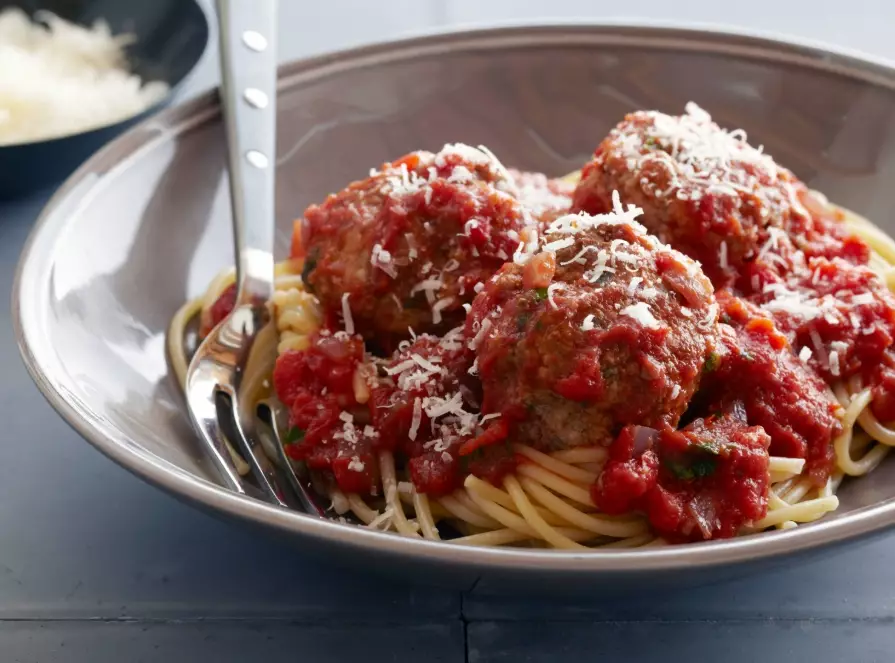
I learned this the hard way. My first attempt at "Italian" meatballs resulted in dry, tough orbs that could have doubled as golf balls. It took a summer spent with my friend's nonna in Bologna to understand the subtle, non-negotiable rules that separate a good meatball from a legendary one.
What You'll Learn in This Guide
Essential Ingredients for Authentic Italian Meatballs
This isn't just a list. Each component has a specific job. Skip one or substitute poorly, and the whole texture changes.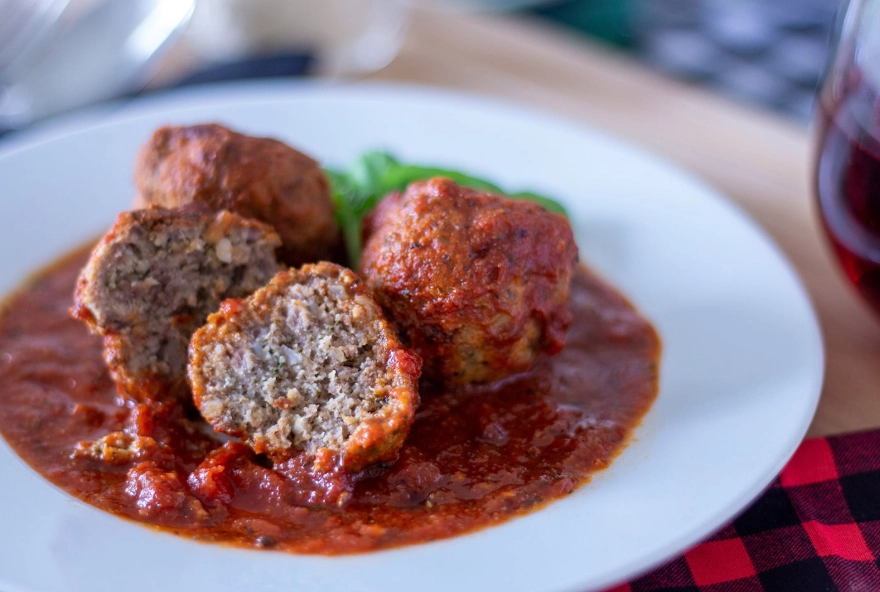
| Ingredient | Role & Why It Matters | Pro-Tip / Non-Consensus View |
|---|---|---|
| The Meat Blend (Beef, Pork, Veal) |
Beef gives body, pork adds fat and sweetness, veal offers a delicate, fine texture. The fat (aim for 20-25% total) is crucial for moisture and flavor. | Most home cooks skip veal. That's fine. But using only beef is the #1 reason for dry, dense meatballs. A 50/50 beef and pork mix is the absolute minimum for authenticity. Ask your butcher for ground pork shoulder, not lean loin. |
| Bread & Milk (Panade) Stale bread, milk |
This is the secret weapon. Soaking bread in milk creates a panade that binds the meat and, more importantly, acts as a moisture reservoir during cooking. | Use stale, crustless Italian or French bread, torn by hand. Don't use fine, dry breadcrumbs from a canister—they suck moisture out. The bread should be soft and saturated. This is non-negotiable. |
| Aromatics & Cheese Onion, garlic, parsley, Parmesan |
Onion and garlic provide foundational flavor. Fresh parsley adds brightness. Parmesan (Parmigiano-Reggiano) adds a salty, savory umami depth. | Grate your onion on a box grater. This distributes the flavor and moisture perfectly without leaving crunchy bits. And for the love of all that is holy, use real Parmigiano-Reggiano, not the green can stuff. It melts differently. |
| Binders & Seasoning Egg, salt, pepper |
The egg helps bind everything. Salt is critical for flavoring the meat itself—don't be shy. Pepper adds a subtle kick. | One large egg per pound of meat is enough. Two eggs make it too spongy. Season the meat mixture aggressively. Taste a tiny bit fried in a pan to check seasoning before shaping all the balls. |
The Step-by-Step Guide to Perfect Italian Meatballs
Follow this sequence. Rushing or changing the order is where things go wrong.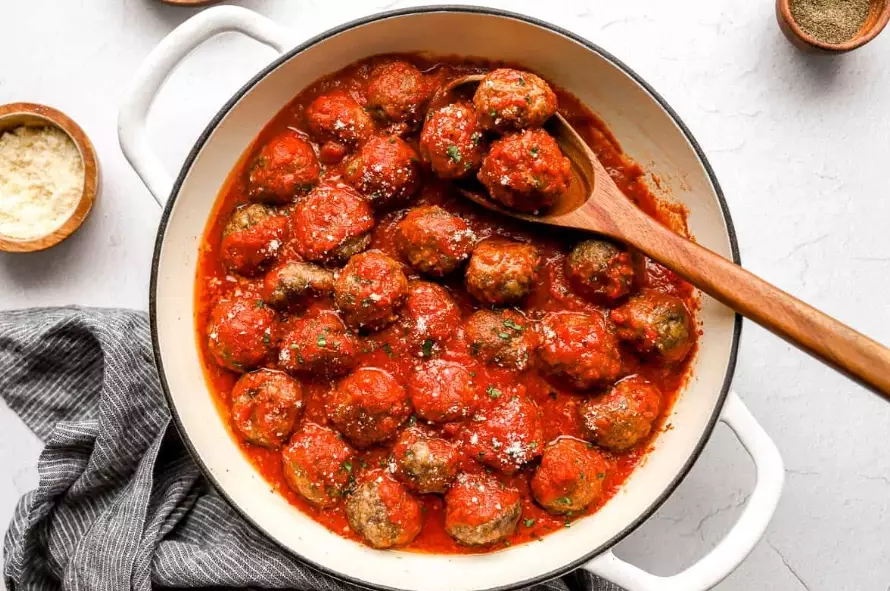
1. Prepare the Panade (The First and Most Important Step)
Tear about 2 cups of stale bread (crusts removed) into small pieces. Place it in a bowl and cover with ½ cup of whole milk. Let it sit for 10-15 minutes until the bread is completely soft and has absorbed all the milk. Then, mash it with a fork into a smooth, paste-like consistency. This is your panade. Set it aside.
2. Gently Combine the Ingredients
In a large bowl, add your ground meat (1 lb beef, ½ lb pork, ½ lb veal if using). To that, add your panade, 1 finely grated small yellow onion, 2 minced garlic cloves, ½ cup finely grated Parmigiano-Reggiano, ¼ cup finely chopped fresh parsley, 1 large egg, 1½ teaspoons of fine sea salt, and ½ teaspoon of freshly ground black pepper.
Here's the critical part: use your hands. But be gentle. Mix just until all the ingredients are evenly distributed. Stop the moment you no longer see streaks of individual components. Overmixing develops the proteins in the meat, making the final texture tough and springy. It should look homogenous but feel loose.
3. Chill and Shape
Cover the bowl and refrigerate the mixture for at least 30 minutes, up to overnight. This firms up the fat, making the mixture easier to handle and ensuring the meatballs hold their shape when cooked.
Wet your hands with a little water or oil. Scoop out portions (about 2 tablespoons each for traditional size) and gently roll them into smooth balls. Don't pack them tight—just enough to hold together. Place them on a parchment-lined tray.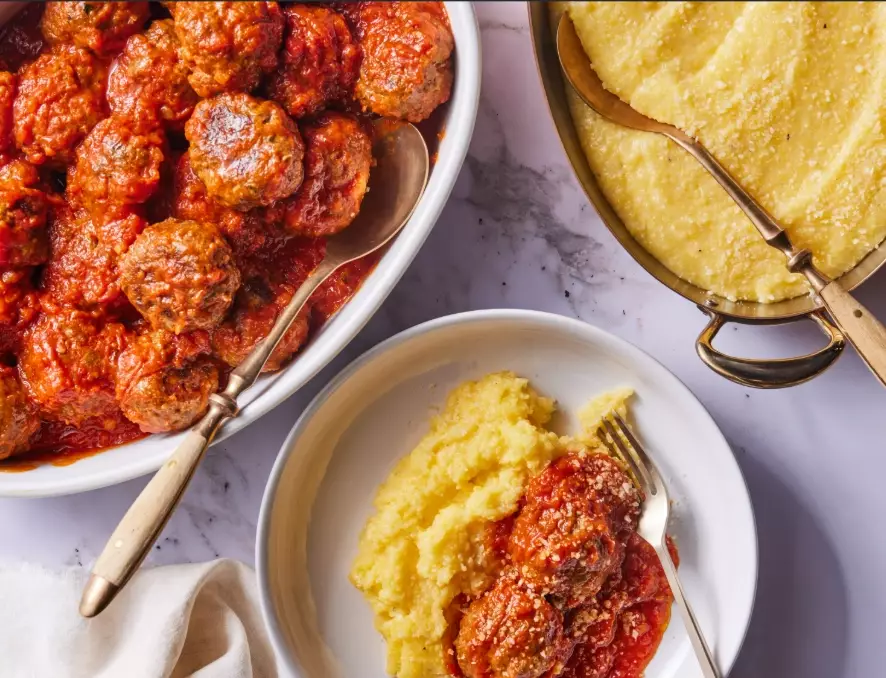
How to Cook Italian Meatballs Perfectly?
The debate ends here. While you can bake or simmer them directly in sauce, the best method for flavor and texture is a two-step process.
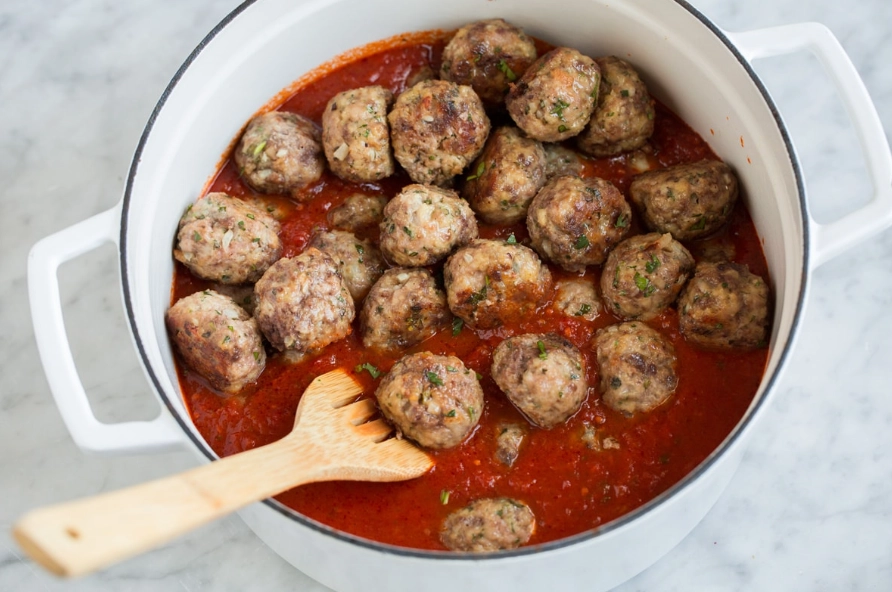
First, Sear Them. Heat a generous glug of extra-virgin olive oil in a large skillet over medium heat. Working in batches to avoid crowding, add the meatballs. Don't touch them for a good 2-3 minutes, letting a deep brown crust form on one side. Then, gently roll them to brown another side or two. You're not cooking them through—just getting that beautiful Maillard reaction for flavor and a stable exterior. This step is what prevents them from dissolving in the sauce later.
Then, Simmer in Sauce. Transfer the seared meatballs to a pot of simmering tomato sauce. My go-to is a simple sugo: sautéed onion, a pinch of chili flake, good canned San Marzano tomatoes crushed by hand, and a basil stem. Let the meatballs simmer gently, partially covered, for 25-35 minutes. They'll finish cooking, become incredibly tender, and the sauce will become rich with their rendered flavor.
Common Mistakes and How to Avoid Them
- Using only lean beef. Fat equals flavor and moisture. Embrace the blend.
- Skipping the panade. Dry breadcrumbs are a filler. A milk-soaked bread panade is a moisture engine.
- Overmixing the meat. Treat it like you're folding, not kneading. Gentle hands.
- Not chilling the mix. A warm, soft mixture will spread in the pan. Chill it.
- Crowding the pan while searing. This steams them instead of browning them. Batch cook.
- Boiling the sauce after adding meatballs. A gentle simmer is key. A rolling boil will make them tough.
Your Italian Meatball Questions, Answered
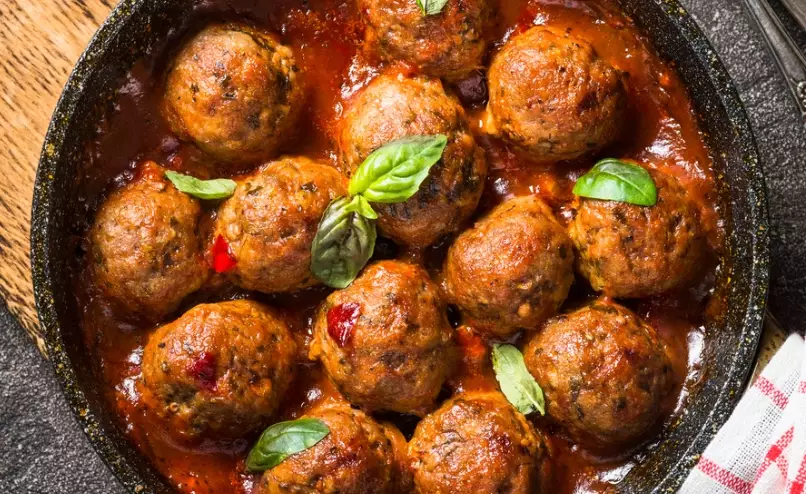 What's the secret to keeping meatballs moist and juicy?
The real test isn't when you pull them from the sauce. It's the next day. The flavors marry, the texture becomes even more tender. That's the true sign of a great Italian meatball. So make a double batch. You'll thank yourself.
Related Articles
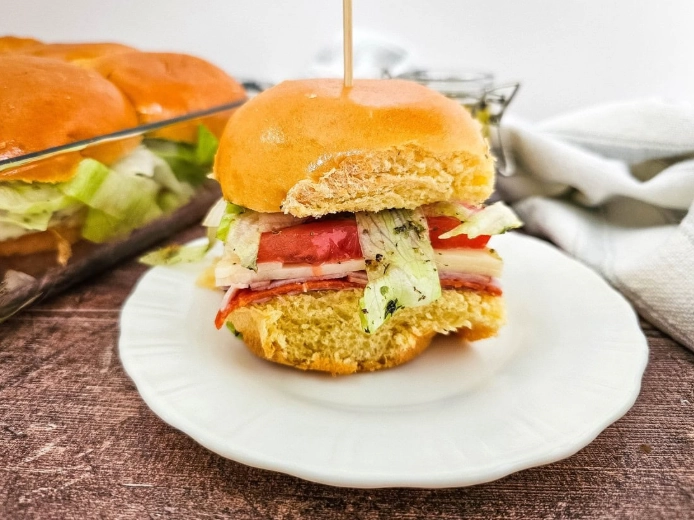
Cold Italian Sliders: The Ultimate Guide to Making Perfect Party Sandwiches
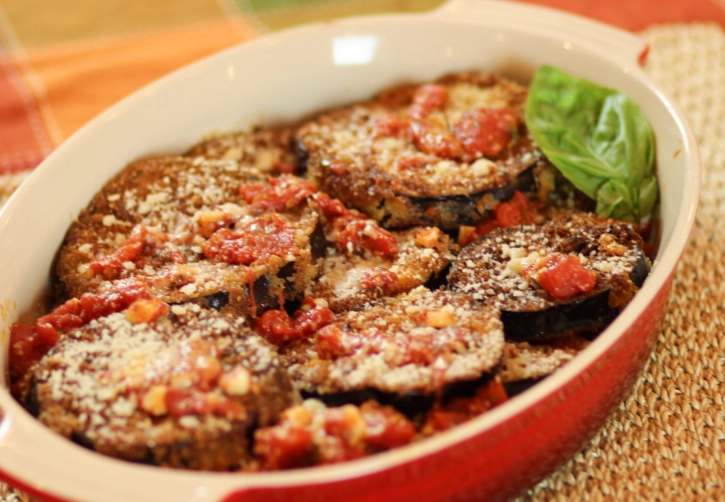
Simple Italian Eggplant Recipes: Easy, Authentic & Delicious
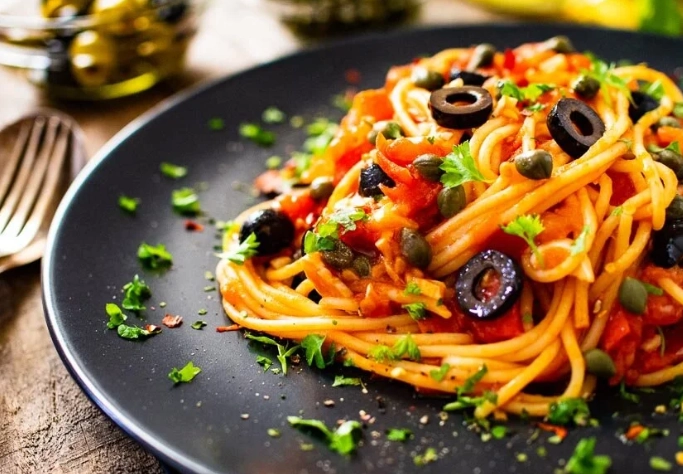
4 Famous Italian Pastas: Types, History & Cooking Guide

The reason for the surge in A-shares has been found! The Shanghai Composite Inde
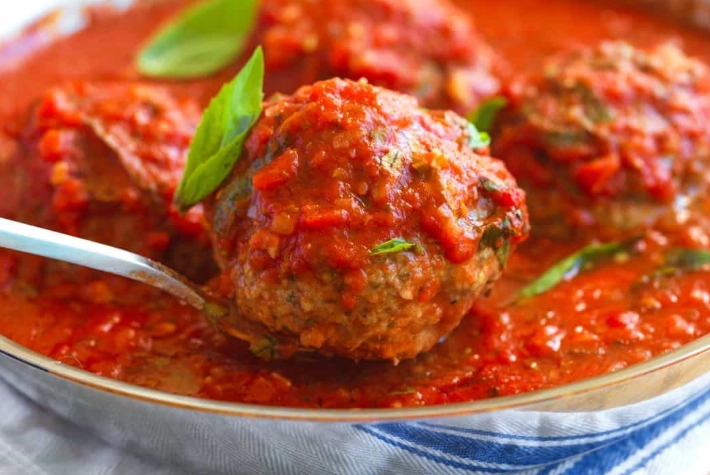
Simple Italian Meatball Recipes: Easy, Authentic & Delicious