Authentic Italian Pizza Dough Recipe: A Step-by-Step Guide
Let's be honest. Most homemade pizza fails at the crust. It's either a cracker, a piece of bread, or a soggy mess. I've been there. My first attempt was a dense, pale disc that my dog sniffed and walked away from. The magic of a true Italian pizza crust—the kind you find in a Naples pizzeria—lies in its paradoxical texture: a crisp, charred underside with a soft, airy, and slightly chewy interior. It's not bread. It's something else entirely. And you can make it in your kitchen. Forget complicated recipes with sugar and oil. The authentic Italian pizza dough recipe relies on just four ingredients, time, and a bit of understanding.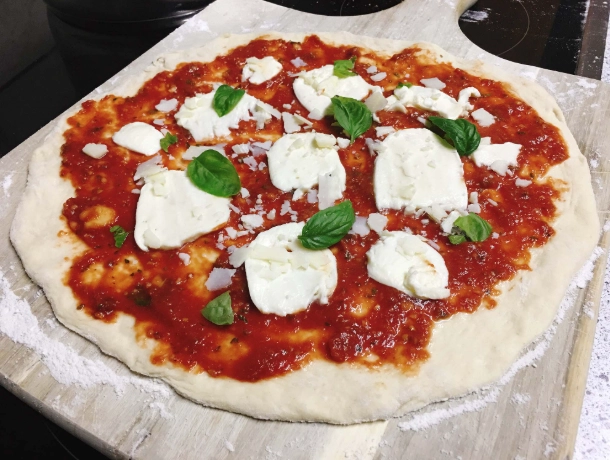
What You'll Learn In This Guide
The Foundation: Ingredients and Their Roles
This isn't just a list. Each component has a job. Mess with the ratios or quality, and the final product tells the story.
The Core Four (Makes 2 large or 4 personal pizzas)
- Flour (500g / about 4 cups): The skeleton. In Italy, they use "Tipo 00" flour—finely milled with a medium-high protein content (around 11-12%). It creates a smooth, elastic dough. Can't find it? A good bread flour (12-13% protein) is the next best thing. All-purpose flour works in a pinch but yields a chewier, less crisp crust. I often use King Arthur Bread Flour with fantastic results.
- Water (325g / 1 ⅓ cups, lukewarm): The lifeblood. Hydration (water-to-flour ratio) is key. This recipe uses 65% hydration, which is manageable for beginners but still yields an open crumb. The water must be lukewarm (about 95°F/35°C) to wake up the yeast without killing it.
- Fresh Yeast (3g) or Active Dry Yeast (1.5g / ½ tsp): The engine. Fresh yeast is traditional, but dry yeast is perfectly fine. The tiny amount is crucial—this is a slow, flavor-building fermentation, not a quick-rise bread. Don't be tempted to add more.
- Fine Sea Salt (10g / 2 tsp): The flavor enhancer and gluten strengthener. Add it after the flour and water have initially mixed. Adding salt directly to yeast can hinder its activity.
Notice what's missing? Sugar, oil, eggs. A true Neapolitan dough, as defined by the Associazione Verace Pizza Napoletana, doesn't include them. They soften the crust and prevent it from achieving that signature char and crispness.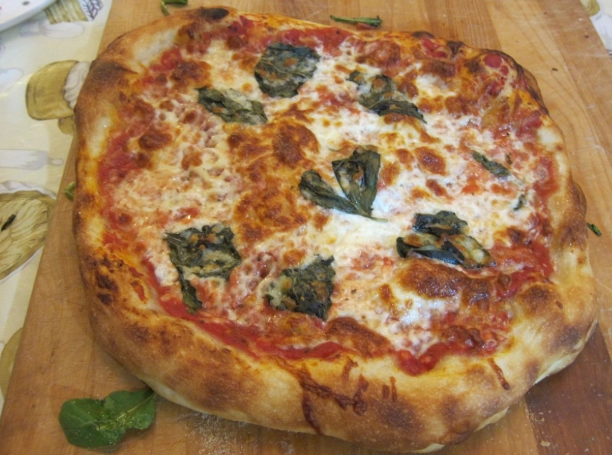
The Process: Step-by-Step to Pizza Dough Perfection
Here's where patience pays off. Rushing this process is the number one reason for failure.
1. Mixing and Autolyse (The Rest That Does the Work)
Dissolve the yeast in the lukewarm water. In a large bowl, add about 90% of the flour. Pour in the yeasty water and mix with a spatula or your hands until you have a shaggy, sticky mass with no dry flour pockets. It will look messy. That's fine.
Now, walk away. Cover the bowl and let it sit for 20-30 minutes. This is the autolyse (pronounced auto-leez). It allows the flour to fully hydrate, kick-starting gluten development naturally. When you come back, the dough will already look smoother.
2. Incorporating Salt and Kneading
Sprinkle the salt over the dough. Add most of the remaining flour. Now, get your hands in there. The goal isn't to beat the dough into submission. You're folding and stretching. Use the heel of your hand to push the dough away from you, then fold it back over itself. Turn the bowl a quarter turn and repeat.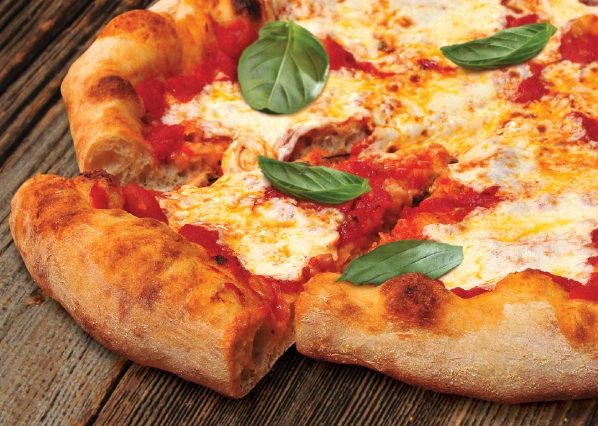
Do this for about 8-10 minutes. The dough will transform from sticky to smooth, supple, and slightly tacky. It should pass the "windowpane test": take a small piece and gently stretch it between your fingers. If you can stretch it thin enough to see light through it without it tearing, the gluten is well-developed. If it tears, knead for another minute or two.
Pro Tip: Avoid adding too much extra flour during kneading. A little stickiness is good. Wet your hands lightly if the dough is sticking to them too much. Adding cupfuls of flour will make your crust dense.
3. The First Rise (Bulk Fermentation)
Shape the dough into a smooth ball. Place it in a lightly oiled bowl, cover tightly with plastic wrap or a damp towel, and let it rise at room temperature (ideally 70-75°F / 21-24°C).
How long? At least 4 to 6 hours. The dough should roughly double in size and be full of large air bubbles. This slow rise is where flavor develops. Yeast eats sugars and produces carbon dioxide (air) and alcohol (flavor). A quick rise doesn't allow for complex flavor compounds to form.
4. Dividing and Shaping (The Final Proof)
Gently tip the dough onto a lightly floured surface. Do not punch it down. You want to preserve those gas bubbles. Using a dough scraper or knife, divide it into 2 or 4 equal pieces.
To shape each into a ball: take a piece, fold the edges into the center, creating surface tension on top, then flip it over and cup your hands around it, rotating it on the counter to form a tight, smooth ball. Place each ball on a floured tray or container, leaving space between them. Cover and let them proof for another 1-2 hours at room temperature. They should look puffy and relaxed.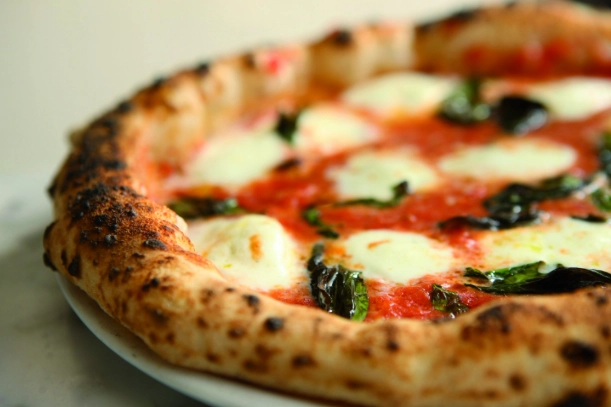
5. Stretching and Baking
This is the moment of truth. Heavily flour your work surface and your hands. Place a dough ball in the flour and gently press it into a disc with your fingertips, leaving a thicker border for the crust.
Now, pick it up. Drape it over your knuckles and gently stretch it by letting gravity help and moving your hands in a circular motion. Never, ever use a rolling pin. It crushes all the air out, guaranteeing a dense crust.
For baking, you need extreme heat. A regular home oven maxes out at 500-550°F (260-290°C). Preheat your oven with a pizza stone or steel on the highest rack for a full hour. The thermal mass is non-negotiable for a crisp bottom. Slide your topped pizza onto the screaming hot stone. It should bake in 5-8 minutes.
Common Pitfalls and How to Avoid Them
I've made these mistakes so you don't have to.
- The Doughy, Thick Crust: Usually from over-proofing (the dough collapses) or, more likely, from using a rolling pin and deflating it. Hand-stretching is mandatory.
- The Crackery, Hard Crust: Not enough hydration or over-kneading a low-protein flour (like AP flour). It develops too much, too tight gluten that can't expand.
- The Soggy Bottom: Topping overload, especially with wet ingredients like fresh mozzarella not patted dry, or sliding a pizza onto a cold stone. Preheat thoroughly, and go light on super-wet toppings.
- No Flavor: Rushing the rise. If you only give it 2 hours, it will taste like flour and water. Give it time. Better yet, use the fridge.
Beyond the Basics: Advanced Tips and Variations
Once you've mastered the basic recipe, try these tweaks.
Cold Fermentation (The Game-Changer): After the initial 1-2 hour room-temp rise, place the covered dough balls directly in the refrigerator for 24 to 72 hours. This slow, cold rise produces incredible flavor complexity and makes the dough even easier to handle. Pull it out 2 hours before you plan to bake to let it come to room temperature.
Flour Blends: Try blending 80% Tipo 00 or bread flour with 20% whole wheat or rye flour for a nuttier flavor. Adjust hydration slightly upwards as whole grains absorb more water.
Different Styles: The recipe above is classic Neapolitan. For a Roman-style thin, crackly crust, increase hydration to 70-75% and roll it out thinner. For a thicker, focaccia-like Sicilian sheet-pan pizza, use a lower hydration (60%), proof the dough directly in an oiled pan, and bake at a slightly lower temperature.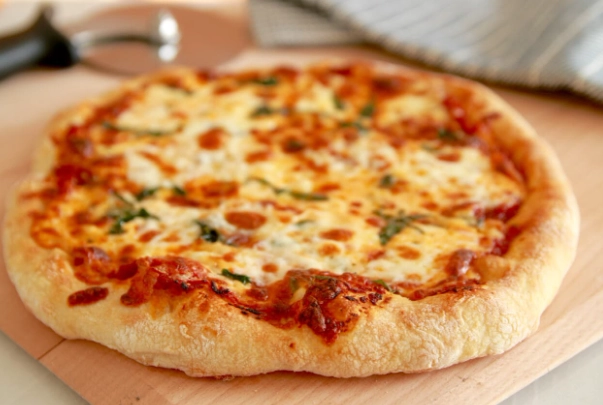
Your Pizza Dough Questions Answered
Related Articles
What is a Good Appetizer Before Pasta Dinner? 15+ Expert Picks & Pairing Guide

What are the 4 Classic Italian Dishes? A Food Lover's Guide
Italian Sausage Soup: Authentic Recipes & Pro Tips
Authentic Italian Pizza Dough Recipe: Ingredients & Technique Explained

The Most Popular Cocktail in Italy: A Deep Dive into the Aperol Spritz