Authentic Italian Braciole Recipe: Slow-Cooked Beef Rolls
You know that smell. The one that starts around noon and fills the entire house by four. Garlic, tomatoes, herbs, and something deeply savory, something meaty. That's the smell of braciole simmering. It's not just a recipe; it's an event. A centerpiece. If you've ever wondered how to recreate that authentic, fall-apart-tender Italian beef braciole at home, you're in the right place. Forget the dry, chewy versions. We're going deep into the method that turns an inexpensive cut of beef into something magical.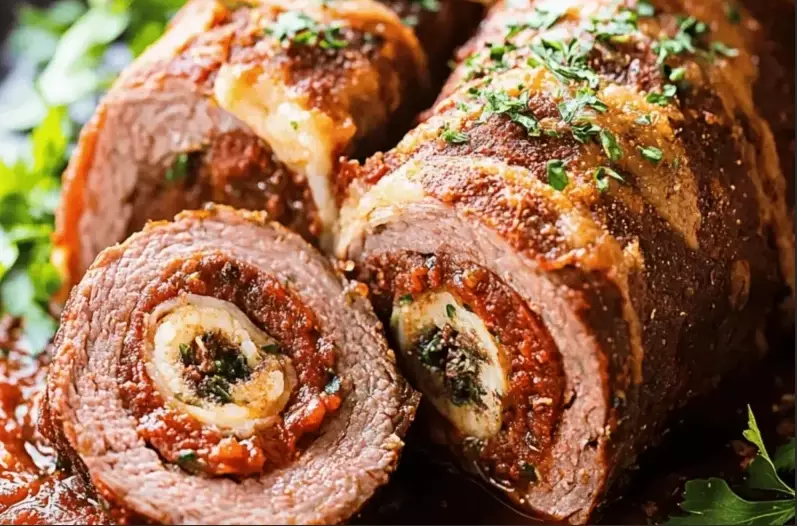
What You'll Find Inside
What is Braciole, Really?
Let's clear something up first. "Braciole" (pronounced brah-JHOLE or brah-SHOLE, depending on the dialect) can mean different things in Italy. In some regions, it's just a breaded pork or veal chop. But the version we're talking about, the one that stars in the legendary "Sunday Gravy," is involtini. Thin slices of beef, pounded even thinner, rolled around a savory filling, tied up, browned, and then slow-cooked for hours in tomato sauce.
The genius is in the slow cook. The beef tenderizes in the acidic tomato bath, the filling flavors seep into the sauce, and the sauce itself becomes rich with meaty depth. It's a symbiotic relationship on a plate.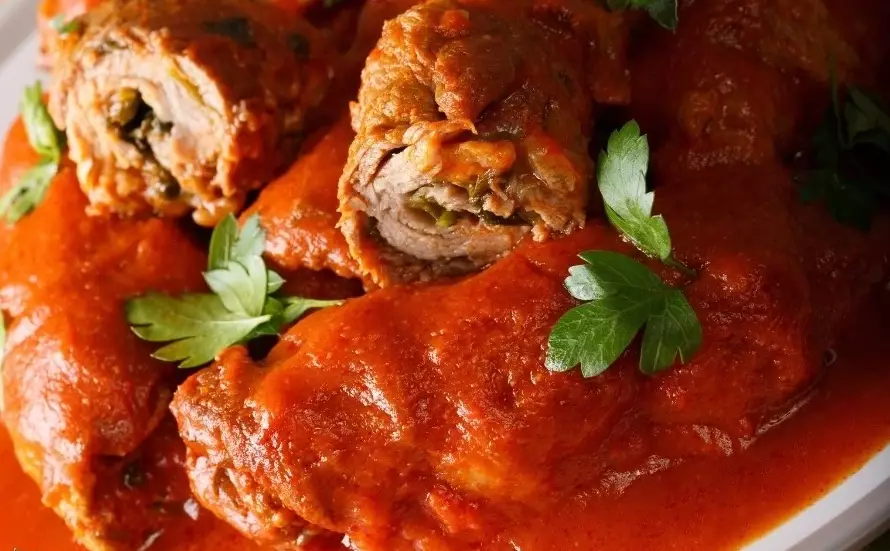
Choosing (and Prepping) the Right Beef
This is where most recipes give vague advice and where you can get it really wrong. You need a lean cut that can handle long cooking without turning to mush.
You'll want slices about 1/4 inch thick. Get 6 to 8 pieces, roughly 6x8 inches each. Then, you pound. Place them between two sheets of plastic wrap and use a meat mallet (the flat side) or a rolling pin. You're not trying to pulverize it. You're gently expanding it to about 1/8 inch thick. This makes rolling easier and ensures even cooking.
| Beef Cut | Best For Braciole? | Why or Why Not |
|---|---|---|
| Top Round | Yes (Ideal) | Lean, affordable, holds shape well during long cooking. |
| Flank Steak | Possible | Great flavor, but can be tricky to slice/pound thin without holes. |
| Sirloin Tip | Good | Slightly more tender than top round, a great option. |
| Chuck Roast | No | Too fatty and marbled; will shred and make the sauce greasy. |
The Filling That Makes It Sing
The filling is your chance to be creative, but there's a classic base you shouldn't skip. It's a paste, not a chunky mixture, so it spreads easily and stays put.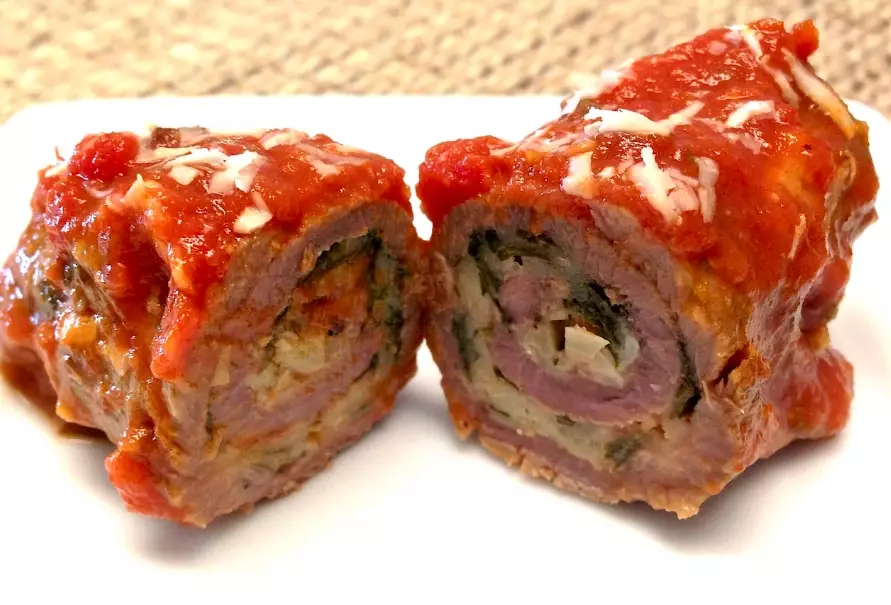
The Non-Negotiables:
- Breadcrumbs: Use plain, dry breadcrumbs. They absorb juices and keep the filling from being soggy.
- Pecorino Romano: Parmesan works, but Romano has a sharper, saltier tang that cuts through the richness.
- Garlic & Parsley: Minced very fine. This is the aromatic heart.
- Pine Nuts & Raisins: This is the southern Italian signature. The sweet and savory combo (agrodolce) is essential. If you skip it, you're making a different dish. Toasting the pine nuts is non-negotiable for me—it doubles their flavor.
The Game Changer: Most recipes call for just mixing these with olive oil. I add about 2-3 tablespoons of finely minced pancetta or prosciutto to the mix. It melts into the filling as it cooks, basting the beef from the inside with fat and salt. It's a trick I learned from an old cook in Naples, and it makes a noticeable difference.
Roll, Tie, and Brown: The Make-or-Break Steps
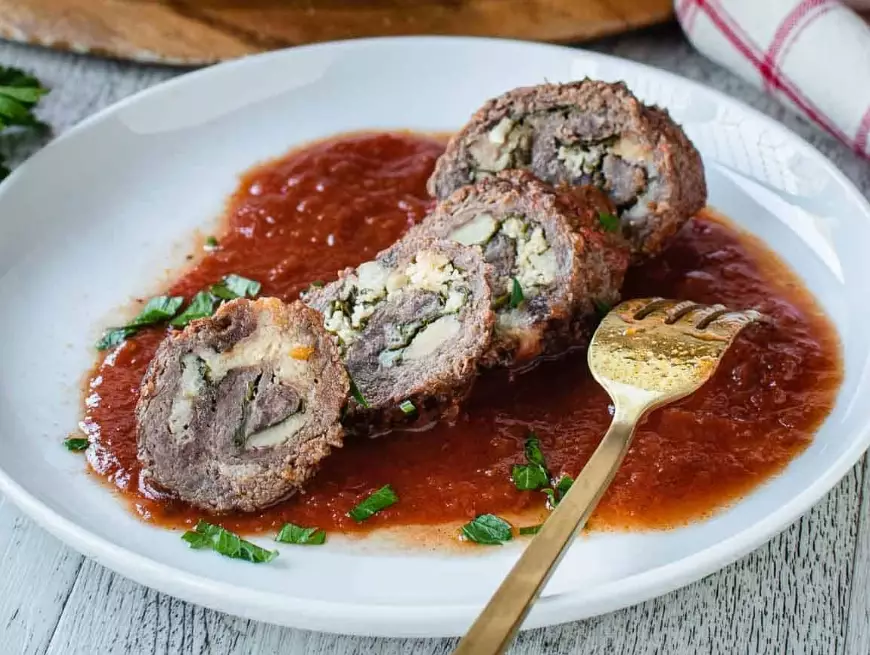
Lay a pounded slice on your board. Season lightly with salt and pepper. Spread about 1.5 tablespoons of the filling mixture, leaving a 1/2-inch border on all sides.
Roll it up tightly, starting from a short end. Now, tie it. Do not skip the kitchen twine. Toothpicks are a nightmare—they fall out, get lost in the sauce, and don't hold the shape as well. Tie a piece of twine around the middle, then one about an inch from each end. Snug, but don't strangle it.
Why Browning is Non-Negotiable
You must brown the rolls well in a heavy pot (Dutch oven is perfect) with olive oil. This isn't just for color. It creates the fond—those delicious browned bits stuck to the bottom of the pot. That fond is pure flavor gold for your sauce. Get a good sear on all sides. Don't crowd the pot; do it in batches. Take your time here.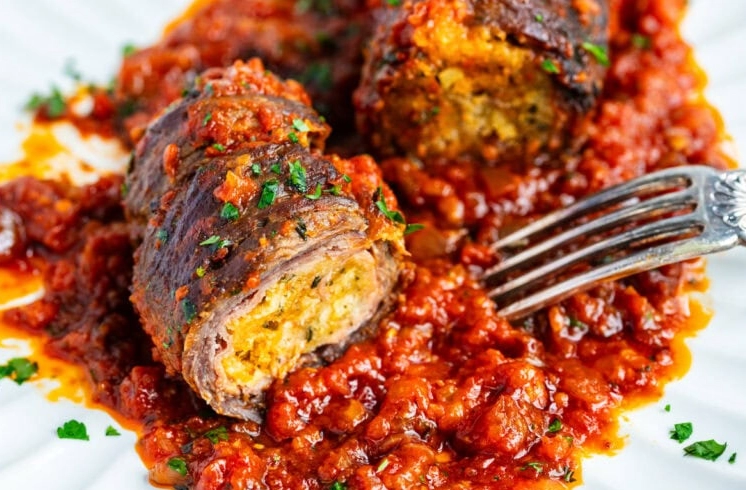
The Slow Cook to Perfection
After removing the braciole, in that same pot with the fond, sauté a diced onion until soft. Add a few cloves of sliced garlic for 30 seconds until fragrant. Now, deglaze with a half cup of red wine. Scrape up all the fond. Let the wine bubble and reduce by half.
Add two large cans (28 oz each) of good quality crushed tomatoes (like San Marzano) and a few basil leaves. Season the sauce with salt. Return the braciole to the pot, nestling them in the sauce. Bring to a bare simmer.
This is the critical part: low and slow. Cover and let it simmer gently for at least 2.5 to 3 hours. You can't rush this. The beef needs time to break down and become fork-tender. The sauce will thicken and turn a deeper red. Stir occasionally, very gently.
About 30 minutes before it's done, cook your pasta (rigatoni, ziti, or pappardelle are classic) in a separate pot of salted water.
Serving It Right
Carefully remove the braciole to a platter and let them rest for 5 minutes. Snip and remove the twine. Toss your cooked pasta with some of the glorious sauce.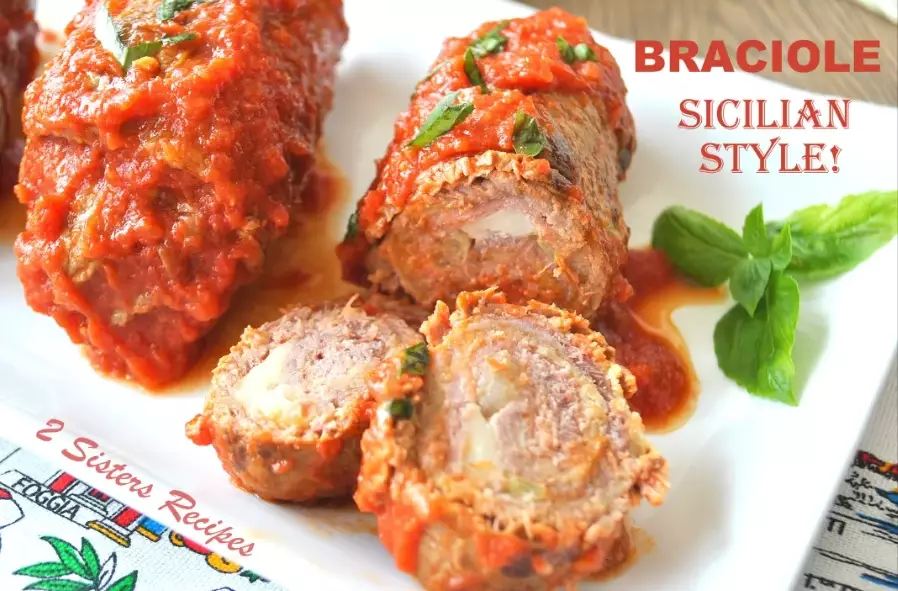
Serve each person a portion of pasta, a braciole placed on top or alongside, and more sauce spooned over everything. Extra grated cheese on the table, of course. A green salad with a sharp vinaigrette is the perfect counterpoint.
The leftovers? Even better the next day.
Your Braciole Questions Answered
 My tomato sauce tastes bland even after simmering with the braciole. How can I fix it?
Related Articles

What Are the Top 10 Italian Appetizers? A Taste of Italy's Antipasto Secrets

Ultimate Traditional Italian Vinaigrette Recipe & Secrets
Easy Italian Baked Dishes Recipes: Effortless Family Dinners
Types of Italian Bread: A Guide to 7 Essential Loaves
Pasta Italian Dressing Salad Recipes: The Ultimate Guide