Authentic Italian Drunken Noodles Recipe (Pasta alla Ubriaca)
Let's clear something up right away. If you're searching for a "drunken noodles" recipe, you might be thinking of the spicy Thai stir-fry. That's not what we're doing here. We're diving into Pasta alla Ubriaca, a rustic Italian dish where "ubriaca" means "drunk" – and for good reason. The pasta gets its bold, unforgettable character from a generous glug of red wine cooked right into the sauce.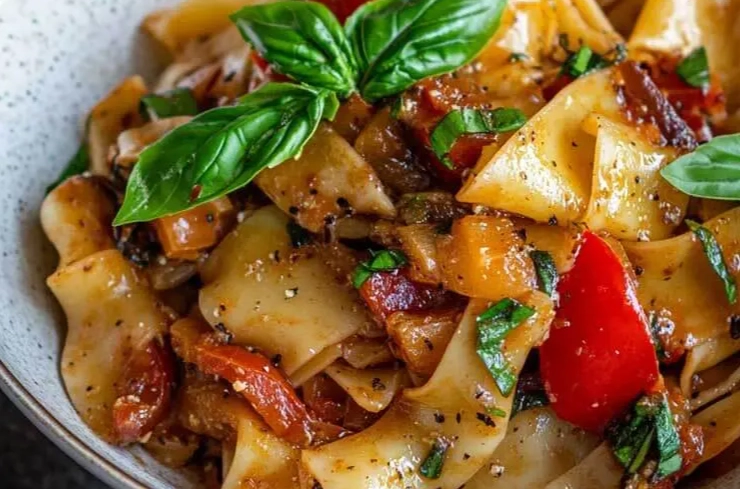
I first had it in a tiny trattoria in Florence, off the tourist path. The waiter plunked down a steaming bowl, the pasta stained a deep purple-red, smelling of garlic, chili, and wine. It was simple, robust, and completely addictive. Most recipes online overcomplicate it or miss the point entirely. The goal isn't a fancy presentation; it's about coaxing maximum flavor from a handful of ingredients. And avoiding the single mistake that turns this dish from spectacular to merely okay.
What's Cooking Inside?
- What Are Italian Drunken Noodles, Really?
- The Drunken Noodles Shopping List (No Fuss)
- How to Make Drunken Noodles: A Step-by-Step Guide
- Choosing the Right Wine for Drunken Noodles
- The One Mistake That Ruins This Dish
- What to Serve With Your Pasta alla Ubriaca
- Your Drunken Noodles Questions, Answered
What Are Italian Drunken Noodles, Really?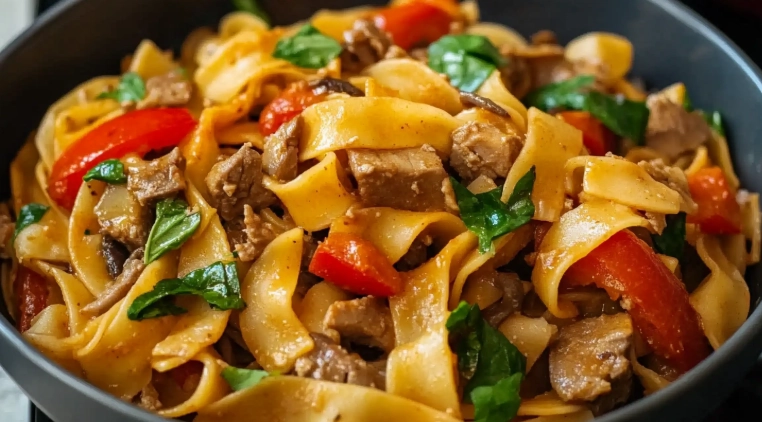
Pasta alla Ubriaca is peasant food at its finest. Its origins are murky, likely from regions like Tuscany or Lazio, where cooking with wine was a way to use up leftovers and add depth to simple pantry staples. The core concept is straightforward: sauté garlic and chili (and often pancetta), deglaze with a hearty red wine, let it reduce, then toss with tomatoes and pasta.
The wine doesn't just add acidity; it creates the sauce's foundation. As it reduces, the alcohol burns off, leaving behind concentrated fruit flavors and tannins that give the dish a slight grip and a beautiful, deep color. It's a one-pan wonder that feels special but comes together in about the time it takes to boil water.
Forget cream or a dozen spices. The magic is in the reduction.
The Drunken Noodles Shopping List (No Fuss)
Here’s everything you need. Quality matters, but you don't need to break the bank. The most critical item is the wine – I'll get into that in a dedicated section below.
| Ingredient | Quantity | Why It's Here & Notes |
|---|---|---|
| Dried Pasta | 400g (about 14 oz) | Rigatoni, penne, or spaghetti work best. They hold the sauce. Use bronze-die cut for a rougher surface. |
| Pancetta (or Guanciale) | 150g (5 oz), diced | Provides savory, salty fat. Omit for vegetarian, but start with more olive oil. |
| Dry Red Wine | 1 ½ cups (350ml) | The star. Use a drinkable Italian red like Chianti or Montepulciano. |
| Garlic | 3-4 cloves, sliced | Sliced, not minced, for milder flavor that won't burn as easily. |
| Red Chili Flakes | 1 tsp (or to taste) | Adjust for heat. A whole dried pepper (cracked) is more authentic. |
| Canned Whole Peeled Tomatoes | 1 can (400g/14 oz) | Crush them by hand. Better flavor than pre-crushed or puree. |
| Extra Virgin Olive Oil | 2 tbsp | For finishing and sautéing if needed. |
| Pecorino Romano or Parmesan | For serving | Grated fresh. Pecorino is saltier and more traditional. |
| Salt & Black Pepper | To taste | Season your pasta water very well. |
How to Make Drunken Noodles: A Step-by-Step Guide
This isn't just a recipe dump. I'm walking you through the logic of each step, so you understand the why behind the what.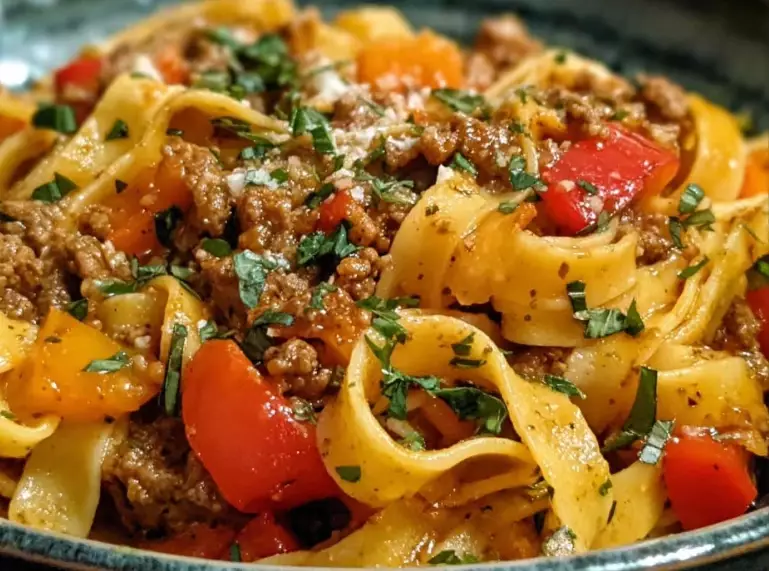
1. Start the Pasta (But Don't Finish It)
Bring a large pot of water to a rolling boil. Salt it aggressively – it should taste like the sea. This is your only chance to season the pasta itself. Add the pasta and cook it for about 2 minutes less than the package suggests for al dente. It will finish cooking in the sauce. Before draining, scoop out about 1 ½ cups of the starchy pasta water. This liquid gold is your sauce's secret weapon.
2. Build the Flavor Base
While the pasta cooks, heat a large skillet or Dutch oven over medium. Add the diced pancetta (no extra oil needed). Cook until it's crispy and has rendered its fat. Remove the pancetta with a slotted spoon, leaving the glorious fat behind. If you're skipping pancetta, start with 2-3 tablespoons of olive oil.
Add the sliced garlic and chili flakes to the hot fat. Cook for just 45-60 seconds until fragrant. You want to toast the garlic, not burn it. Burnt garlic turns bitter and will ruin the whole pot.
3. The Big Moment: Adding the Wine
Pour in all the red wine. It will sizzle and steam dramatically. Scrape up any browned bits from the bottom of the pan (that's flavor). Now, here's the crucial part: let it boil. Don't just simmer. You need a vigorous bubble to cook off the raw alcohol taste. This should take 5-7 minutes. You'll know it's ready when the wine has reduced by about half and the smell changes from sharp and boozy to rich and fruity.
4. Create the Sauce
Add the hand-crushed tomatoes and the crispy pancetta back to the reduced wine. Season with a pinch of salt and black pepper. Let this simmer for another 5-7 minutes until it thickens slightly. The sauce should look concentrated, not watery.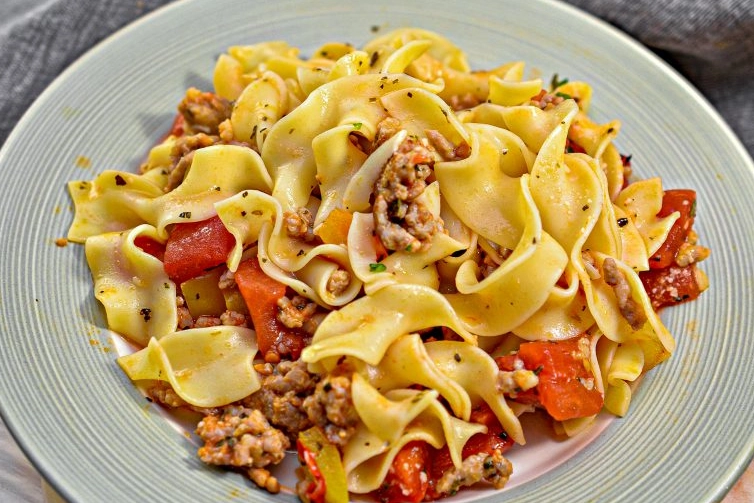
5. The Final Toss (The Most Important Step)
Add the undercooked pasta directly to the sauce. Pour in about ½ cup of the reserved pasta water. Increase the heat to medium-high and start tossing and stirring constantly with tongs. The starch from the water will emulsify with the wine-tomato mixture and the fat, creating a creamy, clingy sauce that coats every piece of pasta. Add more pasta water a splash at a time if it looks dry. This active tossing for 2-3 minutes is what makes the dish cohesive.
Finish with a final drizzle of your best extra virgin olive oil and a final toss.
Choosing the Right Wine for Drunken Noodles
This is where most home cooks go wrong. They grab whatever cheap "cooking wine" is in the back of the cabinet. Don't do that. You wouldn't use spoiled milk in a recipe, so why use bad wine?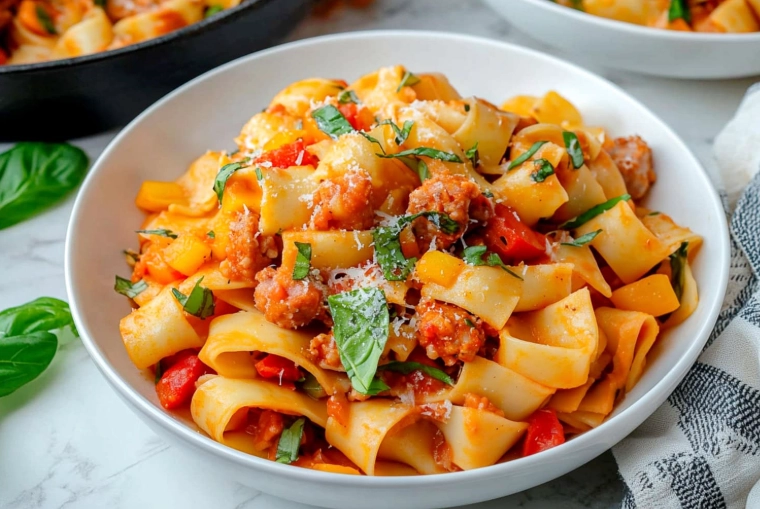
The rule is simple: Cook with a wine you'd be happy to drink a glass of. The flavor concentrates, so a harsh, cheap wine will make a harsh, cheap sauce.
Best Choices: Dry, medium-bodied Italian reds are perfect. They have the right acidity and fruit profile.
- Chianti Classico: My top pick. Sangiovese grapes give bright cherry and herbal notes.
- Montepulciano d'Abruzzo: Softer, plumper, with less acidity. Very forgiving.
- Barbera: High acidity, low tannin. Makes the sauce really pop.
Avoid: Heavily oaked wines (like some New World Cabernets), which can make the sauce taste woody. Also avoid sweet wines (like Port).
According to the Academia Italiana della Cucina (Italian Cooking Academy), cooking with regional wines is a cornerstone of authentic Italian cuisine, as the flavors are naturally complementary.
The One Mistake That Ruins This Dish
After making this dozens of times and teaching it in classes, I see one error more than any other: not reducing the wine enough.
If you add the tomatoes before the wine has lost its raw alcohol edge, your entire sauce will carry that harsh, unfinished flavor. It won't mellow out later. You must let it boil vigorously until the volume reduces and the sharp smell transforms into a rounded, jammy aroma. This step cannot be rushed. Set a timer for 5 minutes and don't touch it. This is the non-negotiable foundation of Pasta alla Ubriaca.
The second common flub is under-salting the pasta water. The pasta needs to be seasoned from the inside out.
What to Serve With Your Pasta alla Ubriaca
This is a hearty main dish. Serve it in deep bowls with a generous heap of freshly grated Pecorino Romano (it's saltier and more pungent than Parmesan, which works beautifully with the bold sauce).
A simple arugula salad dressed with lemon juice and olive oil cuts through the richness. For wine, serve the same bottle you cooked with – it's a perfect match. A crusty piece of bread to mop up the last bits of sauce is mandatory.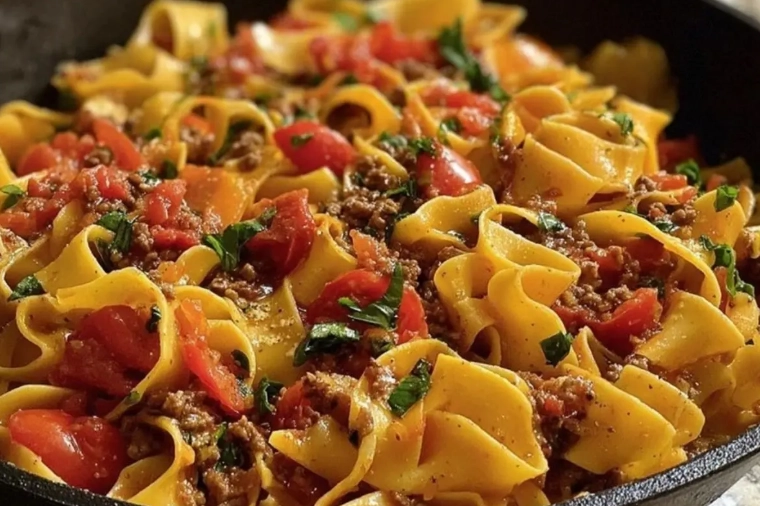
Your Drunken Noodles Questions, Answered
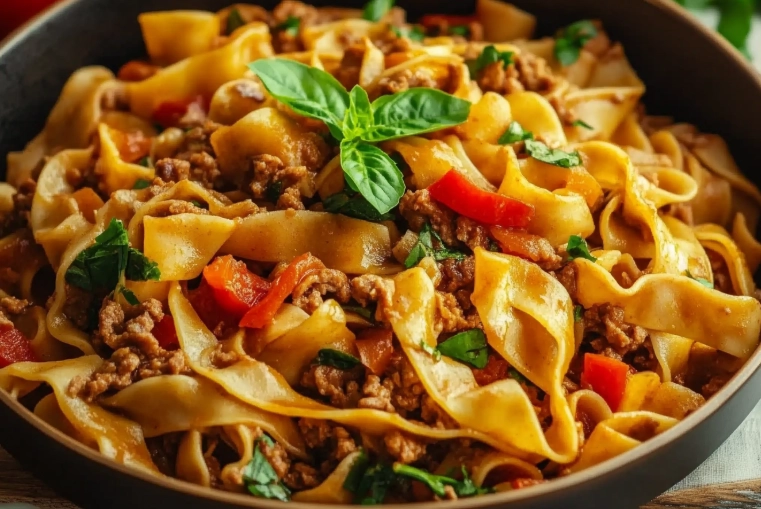 There you have it. Pasta alla Ubriaca isn't a mystery. It's a lesson in bold flavors and simple techniques. Get the wine reduction right, don't skimp on the pasta water, and toss with confidence. You'll end up with a dish that feels like it came from a Tuscan hillside, not your weeknight kitchen.
Now, go open that bottle. You'll need a cup for the pot, and frankly, you've earned a glass for yourself.
Related Articles
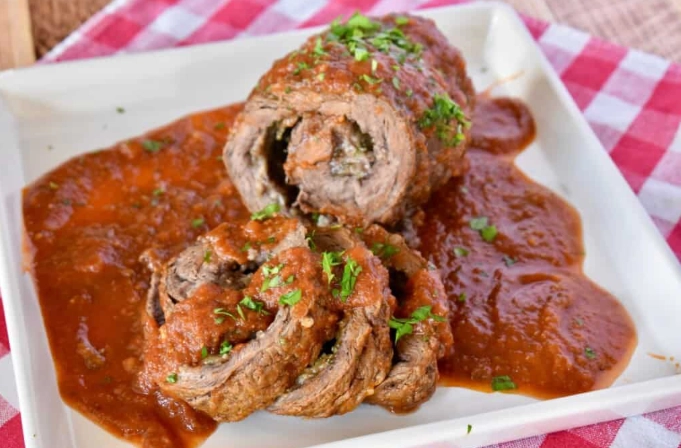
Ultimate Braciole Recipe: Authentic Italian Beef Rolls in Tomato Sauce
Top 10 Italian Breads: A Guide to the Best Loaves from Italy
Ultimate Guide to Best Italian Appetizer Recipes for Any Occasion
Authentic Italian Regional Recipes: A Guide to Italy's Best Local Dishes
Easy Italian Pizza Crust Dough Recipe: Foolproof Homemade Pizza