Italian Chopped Salad Recipe: The Ultimate Guide to a Perfect Antipasto
Let's be honest. Most "Italian chopped salads" you encounter are a sad, soggy afterthought. A bowl of limp romaine, a few wan tomato cubes, and some shredded cheese drowning in bottled dressing. It's a travesty. The authentic version is something else entirely—a vibrant, textural symphony that can stand as the star of an antipasto spread or a satisfying light meal on its own. The magic isn't just in the ingredients, which are crucial, but in the technique of the chop and the order of assembly. Get those wrong, and you've got a mess. Get them right, and you have a recipe you'll return to for years.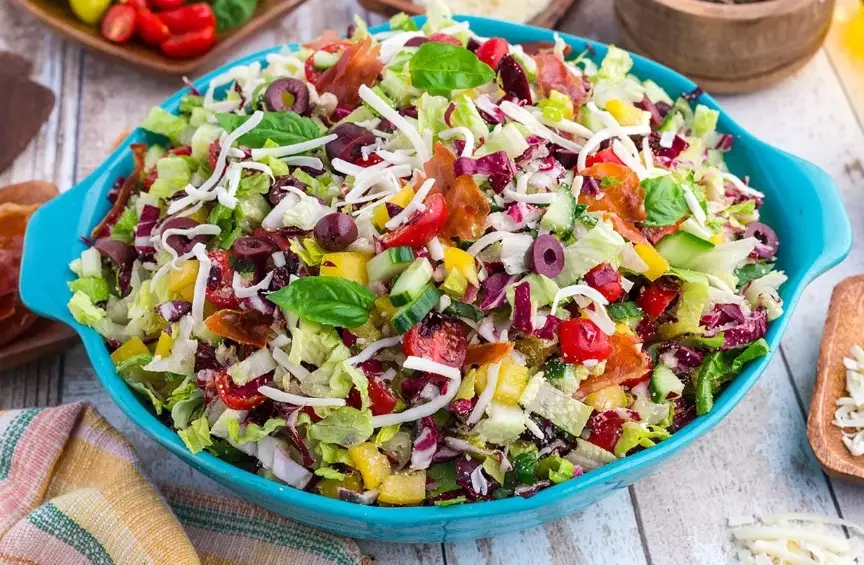
What You'll Find Inside
What Makes It Truly Italian? (It's Not Just the Name)
This salad has roots in the antipasto misto tradition—the mixed starter platter you get in trattorias across Italy. Think of it as a deconstructed, salad-ified version of that platter. The key principle is balance: bitter, salty, crisp, rich, and acidic, all in one forkful. Unlike a tossed salad where ingredients are mixed, a chopped salad is meticulously cut into uniform, bite-sized pieces so every single forkful is a complete taste experience. You shouldn't have to hunt for the salami or dig for a chickpea.
I learned this the hard way on a trip to Rome. I ordered a insalata mista and got a plate of greens. My friend ordered the insalata capricciosa—a chopped salad with ham, artichokes, and mushrooms. The difference was night and day. His was a meal. Mine was... lettuce.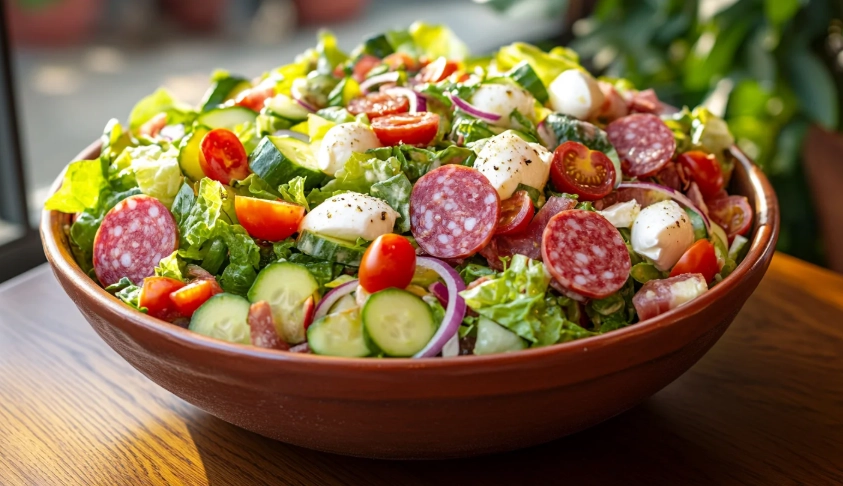
The Non-Negotiable Ingredients Breakdown
You can tweak a lot, but deviate from these core components and you're making a different salad. Here’s your shopping list, categorized by function.
| Ingredient Category | Specific Items & Why They Matter | Pro Substitution (If You Must) |
|---|---|---|
| The Crisp & Bitter Base | Romaine lettuce: Provides structure and crunch. Radicchio: Essential for that signature bitter note and gorgeous color. Endive or escarole: Adds more bitter complexity and a firmer texture. | For radicchio, use red cabbage (less bitter). For endive, frisée works. |
| The Salty & Savory Stars | Genoa salami or soppressata: Finely diced, not sliced. It seasons the whole salad. Provolone cheese (piccante if possible): Cubed, not shredded. It holds its shape. Pepperoncini: Briny, mild heat. Non-negotiable for acidity. | Mortadella for salami, mozzarella balls (ciliegine) for provolone, banana peppers for pepperoncini. |
| The Veggie Crunch | English cucumber: Fewer seeds, more crisp. Red onion: Soak in ice water for 10 mins to tame the bite. Cherry tomatoes: Halved or quartered. Add last to prevent sogginess. | Persian cucumbers, shallots, diced roasted red peppers. |
| The Hearty Extras | Chickpeas (ceci): Drained, rinsed, and patted DRY. Adds protein and heft. Artichoke hearts (marinated): Chopped, their marinade can boost the dressing. | Cannellini beans, chopped roasted cauliflower. |
| The Binding Agent | A simple, bold vinaigrette: High-quality EVOO, red wine vinegar, oregano, garlic, salt, pepper. Must be emulsified. | Use the marinade from the artichokes or pepperoncini jar as part of your vinegar portion. |
Step-by-Step Recipe & The "Chop" Secret
This isn't a "dump and stir" operation. Order matters.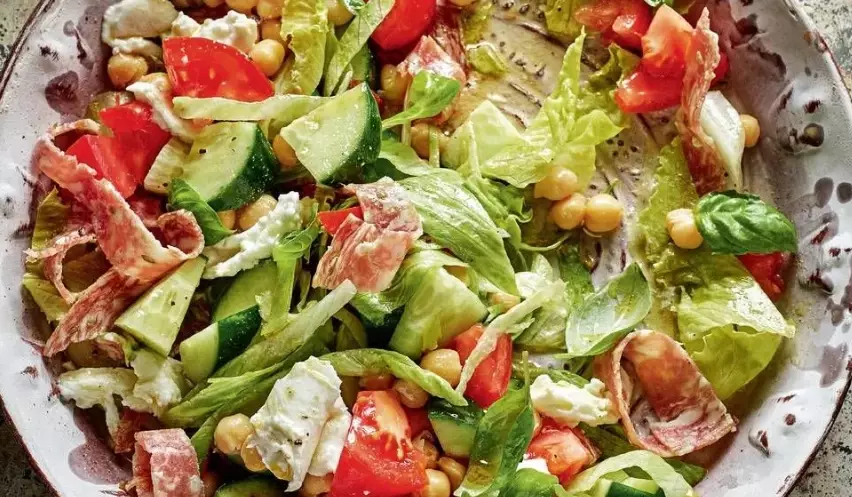
For the Vinaigrette:
In a small jar, combine 1/2 cup extra-virgin olive oil, 1/4 cup red wine vinegar, 1 minced garlic clove, 1 teaspoon dried oregano (rubbed between your palms to wake it up), 1/2 teaspoon salt, and 1/4 teaspoon black pepper. Shake violently until creamy and emulsified. Taste. It should be sharp. Set aside.
For the Salad:
- Prep Dry: Wash your romaine, radicchio, and endive. This is critical—spin them in a salad spinner, then lay them on a clean kitchen towel and roll it up to absorb every last drop of water. Wet greens repel dressing.
- The Chop: Stack the dry greens on a large cutting board. Using a large chef's knife, chop them into pieces roughly between 1/2-inch and 3/4-inch in size. Not a fine mince, not large leaves. Uniformity is the goal. Transfer to your largest serving bowl.
- Add the Hard Veggies: Dice the cucumber, red onion, and provolone to about the same size as the greens. Thinly slice the salami. Add them to the bowl.
- Final Adds: Add the drained chickpeas, chopped artichoke hearts, halved cherry tomatoes, and sliced pepperoncini.
- Dress with Purpose: Pour about 3/4 of the dressing over the salad. Using two large spoons or salad hands, toss from the bottom up, gently but thoroughly, for a good 60 seconds. You want every component lightly glossed. Taste a bite that has a bit of everything. Add more dressing, salt, or pepper only if needed.
- Rest & Serve: Let it sit for 5-10 minutes before serving. This allows the flavors to marry and the greens to just barely start wilting from the dressing—in a good way.
3 Mistakes That Will Ruin Your Italian Chopped Salad
I've made these so you don't have to.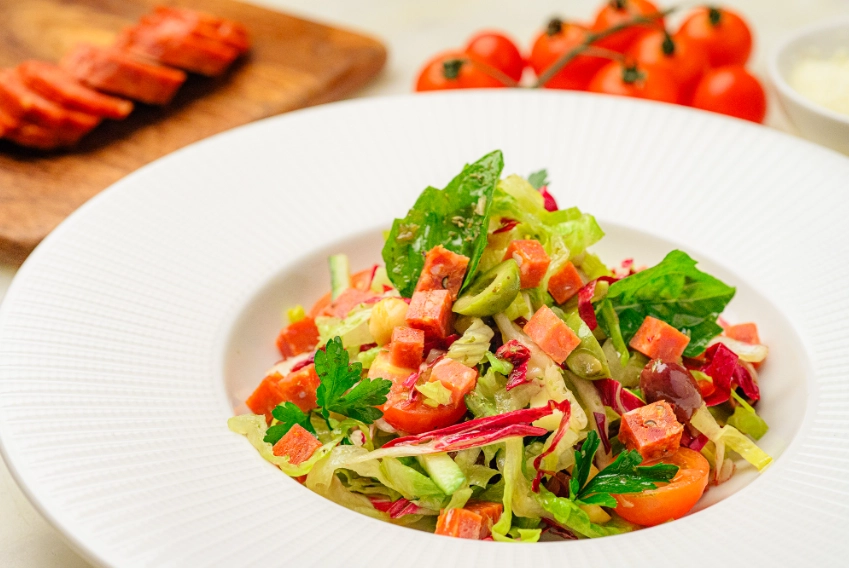
1. Chopping with a dull knife. A dull blade bruises and crushes greens, releasing bitter juices and making them soggy almost immediately. A sharp knife makes a clean cut. It's the single biggest upgrade you can make.
2. Adding the dressing too early or all at once. If you're prepping components ahead, keep the dressing separate until the last possible moment. And when you do dress, don't dump the whole amount in. Add most, toss, taste, then decide. You can always add more; you can't take it out.
3. Skipping the bitter elements (radicchio/endive). This is the most common blandification error. Without that bitter contrast, the salad tastes one-dimensional and overly salty. The bitterness cuts through the fat of the cheese and salami, creating balance. It's what makes it taste "grown-up."
My Go-To Variations & Pro Tips for Leftovers
Got the classic down? Try these twists.
- The "Clean Out the Fridge" Version: Add leftover grilled chicken, steak strips, or shrimp. Throw in some olives (Castelvetrano are my favorite), sun-dried tomatoes, or even small pasta like ditalini or orzo (cook it, cool it, then add).
- The Vegetarian Powerhouse: Double the chickpeas, add roasted chickpeas for extra crunch, and use a sharp vegetarian cheese like aged Asiago. Add toasted pine nuts or walnuts.
- Meal Prep Friendly? Yes, but with strategy. Chop all the dry veggies and store them mixed together in an airtight container with a paper towel on top. Keep dressing, cheese, and meat separate. Combine portions as you need them during the week. The full salad does not keep well overnight—it gets soggy.
If you do have leftovers, don't throw them out. The next day, the flavors are more melded but the texture is softer. I love stuffing it into a pita pocket with a smear of hummus for an amazing sandwich.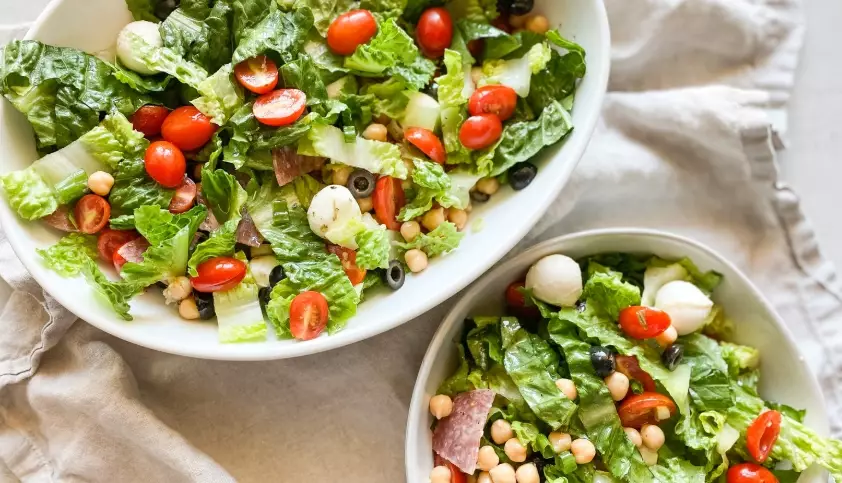
What to Serve With Your Chopped Salad
This salad is incredibly versatile.
As an antipasto, serve it in small bowls alongside some crusty bread, maybe some sliced prosciutto and melon. It wakes up the palate.
As a main course for lunch, it's perfect on its own. For dinner, pair it with a simple soup like minestrone or a frittata. It also makes a fantastic side to grilled meats like chicken cutlets or sausages—the bright acidity cuts through the richness.
A glass of crisp Pinot Grigio, Vermentino, or even a light Sangiovese works beautifully.
Your Questions, Answered
Can I make Italian chopped salad ahead of time for a party?
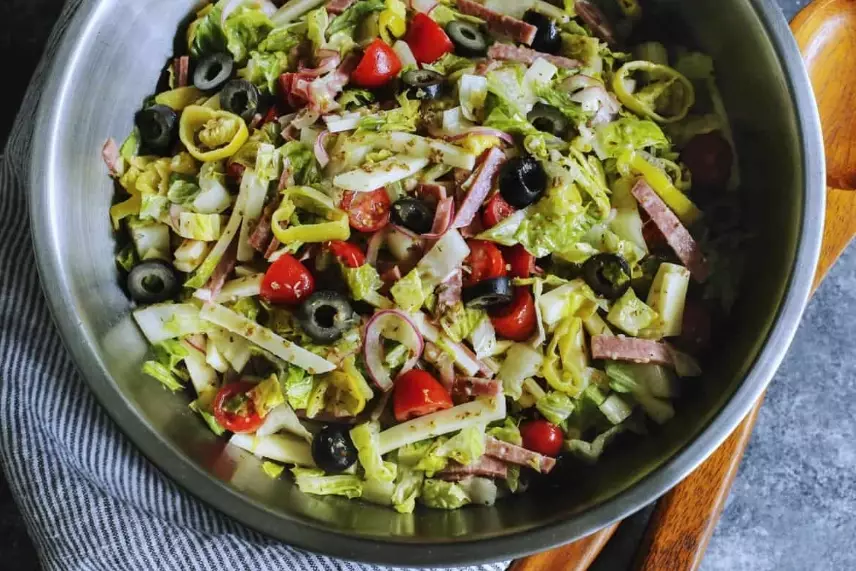 My salad always gets watery at the bottom. What am I doing wrong?
Is there a specific type of salami that's best?
Related Articles
Authentic Italian Recipes: Secrets from a Roman Kitchen
Your Complete Guide to Italian Seasoning Substitutes (Flavorful & Easy)

The Ultimate Best Italian Seasoning Recipe (Authentic & Easy)

What Are Italian Cookies? A Guide to Classic Types and Recipes
Authentic Italian Porchetta Recipe: Crispy, Juicy Roast Pork