Authentic Italian Chicken Recipes: From Classic Pollo alla Cacciatora to Modern Favorites
Let's be honest. When most people think of Italian chicken, they picture Chicken Parmigiana—breaded, fried, smothered in cheese. It's delicious, but it's just the tip of the iceberg. Real Italian home cooking, the kind you'd find in a Tuscan farmhouse or a Roman trattoria, treats chicken differently. It's about braising with wine and herbs, roasting with lemons and potatoes, or tossing it with pasta in a creamy sauce. The goal is tender, flavorful meat and a sauce you'll want to sop up with every piece of bread on the table.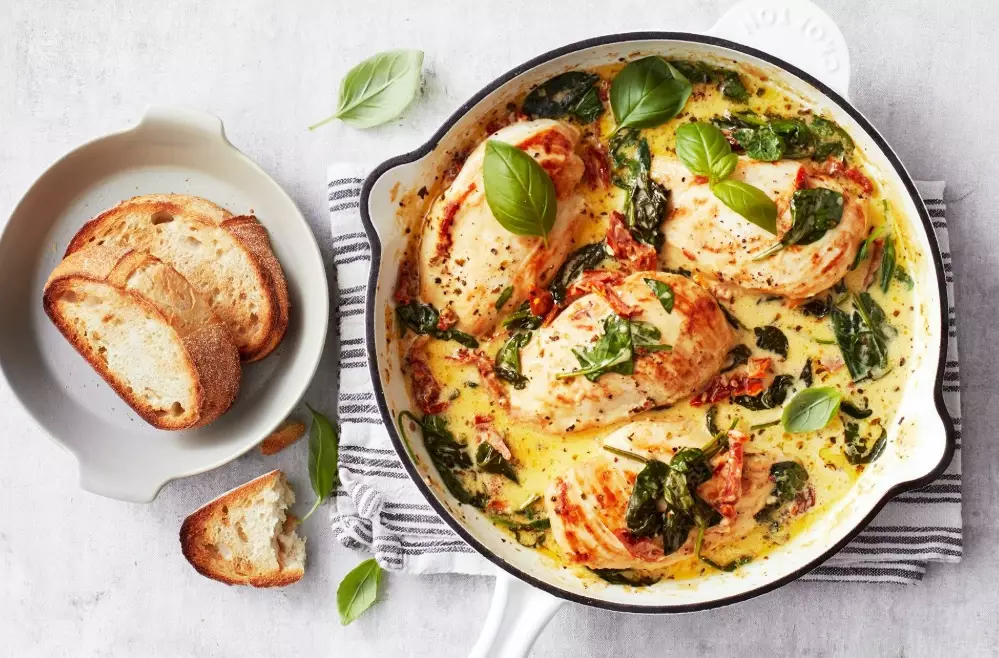
I learned this the hard way. My first "authentic" Pollo alla Cacciatora was a bland, watery stew. The chicken was dry, the tomatoes tasted like the can they came from. It wasn't until I spent a summer helping in a friend's family kitchen near Siena that the pieces clicked. The secret wasn't a fancy ingredient; it was patience, the right cut of chicken, and understanding the *soffritto*—the flavor base of Italian cooking.
What's Cooking Inside
The Classic Cornerstones You Need to Know
These are the pillars. Mastering one or two of these gives you the foundation for countless variations.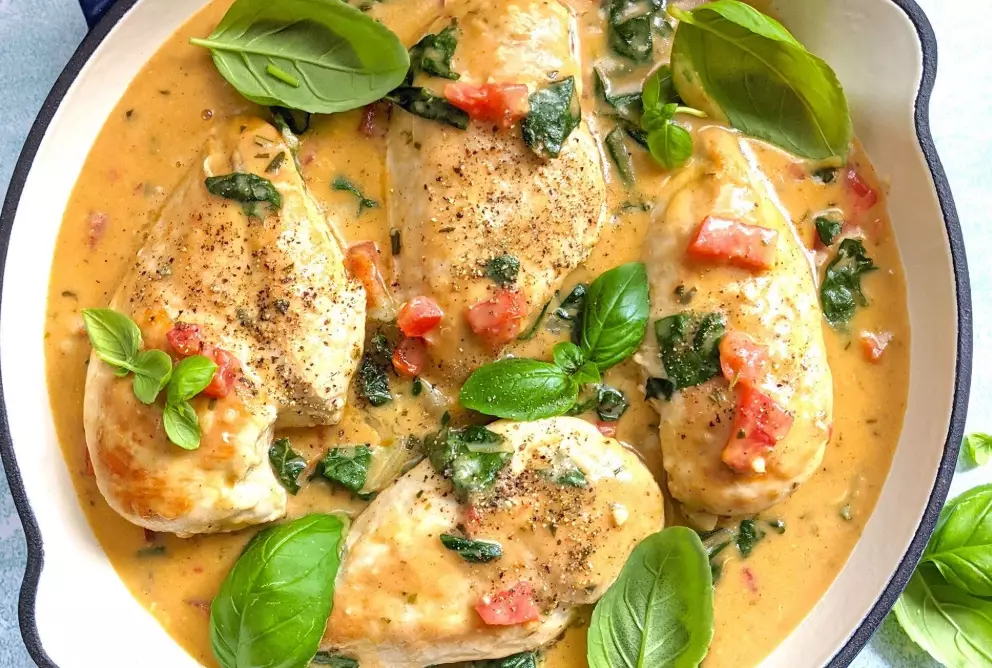
Pollo alla Cacciatora (Hunter's Chicken)
The ultimate comfort food. Forget the muddy, overcooked versions. Done right, it's a rustic, deeply savory braise where the chicken becomes fork-tender and the sauce is rich with wine, tomatoes, and herbs.
The Key Move: Get a real sear on the chicken. Don't crowd the pan. That golden-brown crust (the *fond*) left behind is pure flavor for your sauce. Use a mix of chicken thighs and drumsticks for more forgiving, juicy meat. A splash of good red wine (like a Chianti) is non-negotiable—let it reduce almost completely before adding tomatoes.
Common Mistake: Using boneless, skinless chicken breasts. They'll turn to stringy chalk in the braising time needed for the sauce to develop. Stick with bone-in, skin-on dark meat.
Pollo alla Romana (Roman-Style Chicken)
Simplicity at its best. Chicken braised with sweet bell peppers (usually red and yellow), a hint of tomato, and white wine. The peppers melt into a sweet, savory sauce that's incredibly bright.
The Key Move: Cook the peppers low and slow until they're completely soft and almost jam-like. This sweetness balances the savory chicken. Some versions add a sprinkle of fresh mint at the end—don't skip it, it's a game-changer.
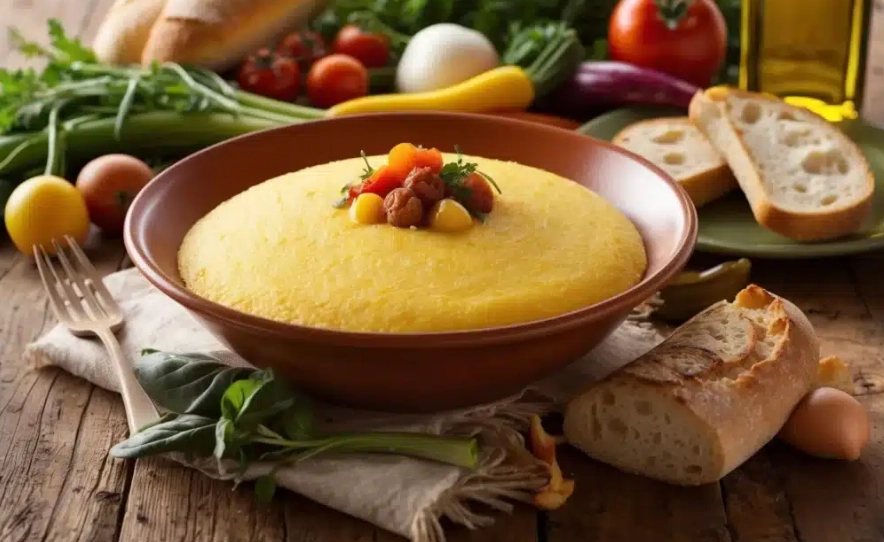
My Go-To: I use chicken thighs for this too, but I'll often throw in a few sausages (mild or hot, depending on the crowd) for extra richness. Serve it with a pile of polenta to catch all the sauce.
Modern Takes for Weeknight Wins
Not every night calls for a two-hour braise. These dishes capture the spirit of Italian cooking in under an hour.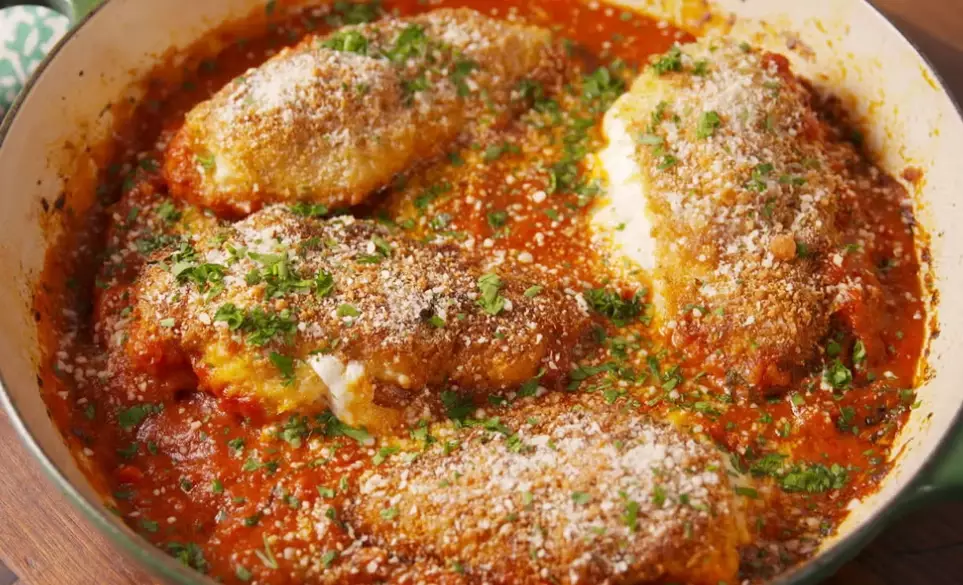
One-Pan Italian Chicken & Pasta Bake
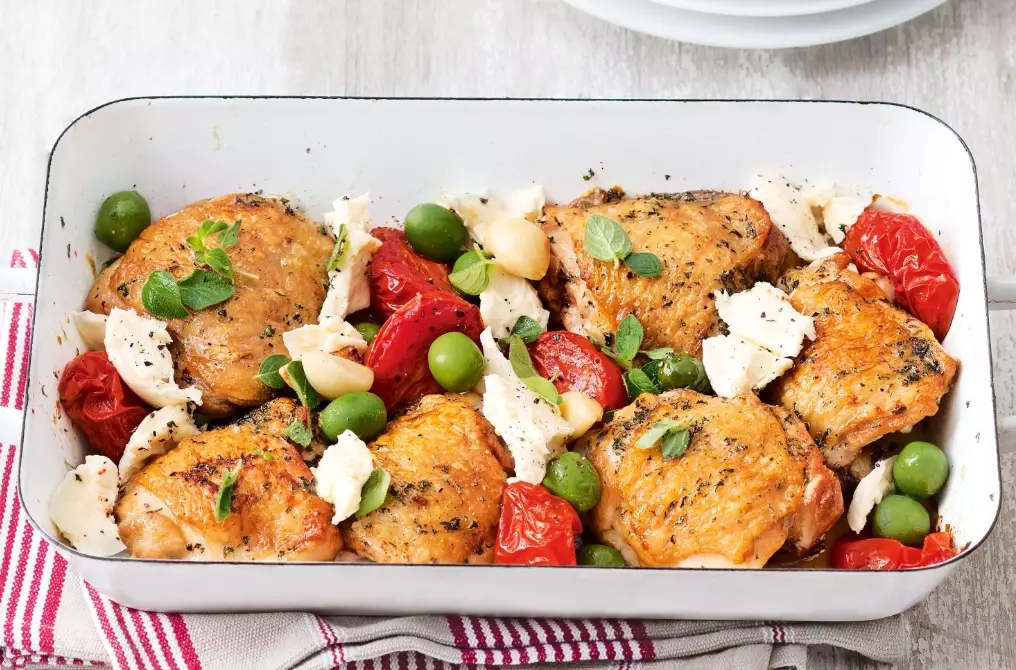
Think of this as a deconstructed, easier chicken cacciatore. You brown chicken pieces (thighs or drumsticks work best), then scatter short pasta like rigatoni, chopped tomatoes, garlic, olives, and capers around them in the same pan. Pour over some broth and white wine, then bake until the pasta is cooked and the chicken is done. The pasta soaks up all the chicken juices and tomato goodness. It's a complete meal with one dish to wash.
Lemon-Herb Roasted Chicken Breasts (Italian Style)
To keep lean breast meat juicy, Italians often use a *salmoriglio* sauce. It's just lemon juice, olive oil, oregano, garlic, and parsley whisked together. Pour half over chicken breasts and let them marinate for 20 minutes. Roast them on a sheet pan with cherry tomatoes and sliced potatoes. When they come out of the oven, hit them with the rest of the fresh sauce. The brightness cuts through the richness perfectly.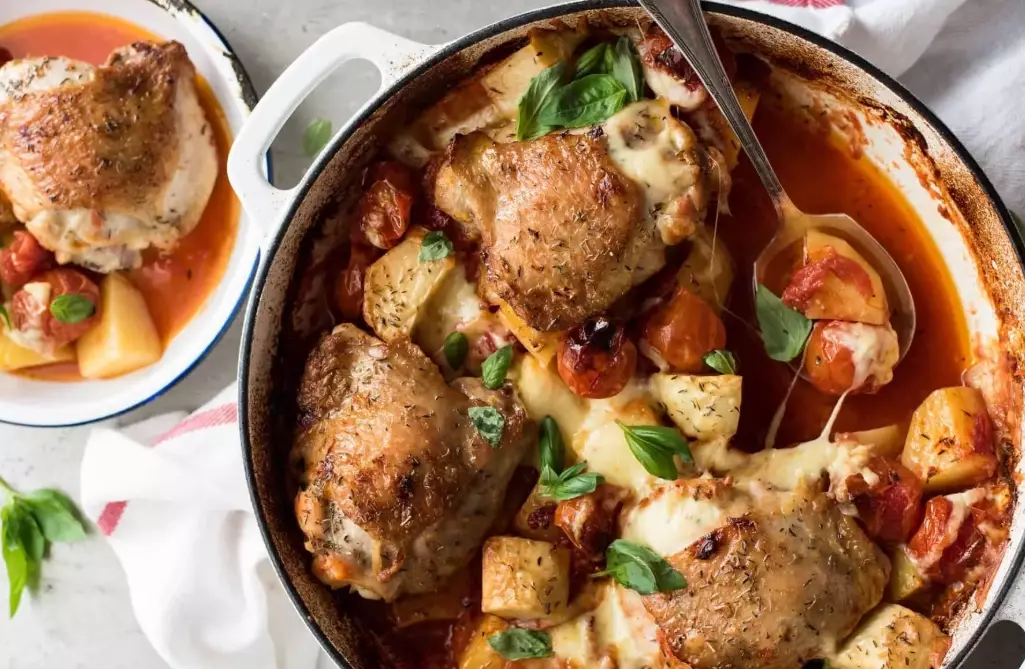
Nonna-Approved Secrets (That Most Recipes Get Wrong)
After years of trial and error (and some gentle scolding from Italian friends), here's what most online recipes miss.
Salt Your Chicken Early, and Liberally. I mean hours early if you can. Salt the chicken pieces at least 45 minutes before cooking, leaving them uncovered in the fridge. This draws out moisture, which then gets reabsorbed, seasoning the meat deeply and helping the skin crisp up.
The Soffritto is Not an Afterthought. Onion, carrot, and celery, finely chopped. You need to cook them in the leftover chicken fat until they're soft and sweet, not just for a minute. This is the flavor foundation. Rushing here makes the whole dish taste flat.
Don't Drown the Chicken. When braising, the liquid should come about halfway up the chicken pieces, not submerge them. You're braising, not boiling. The part above the liquid will roast and brown slightly, adding texture.
Finish with Freshness. A final drizzle of your best extra virgin olive oil, a sprinkle of chopped fresh parsley or basil, or a bit of lemon zest right before serving wakes up all the slow-cooked flavors.
Taste the Real Deal: Where to Eat in Italy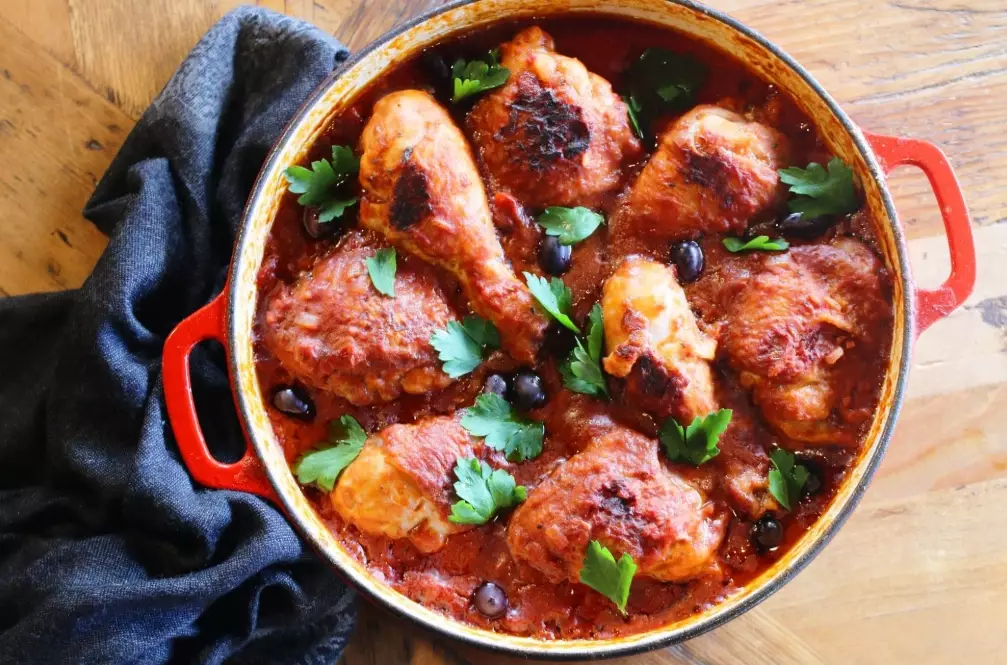
Reading recipes is one thing, tasting the benchmark is another. If you're planning a trip, here are a few spots where these dishes are done to perfection. This isn't a generic list; these are places where the chicken dish is a standout.
| Restaurant | City/Region | Must-Try Chicken Dish | Notes & Avg. Cost |
|---|---|---|---|
| Trattoria Da Enzo | Rome (Trastevere) | Pollo alla Romana | Touristy area, but this tiny spot does it right. Expect a wait. Their peppers are legendary. ~€15-€18 per main. |
| Osteria dell'Orologio | Florence | Pollo alla Cacciatora | Their version uses wild mushrooms and a touch of juniper. Hearty, earthy, and perfect on a cool evening. ~€17. |
| Antica Osteria Nonna Rosa | Veneto Countryside | Pollo al Radicchio | A regional gem. Chicken braised with bitter radicchio and prosecco. A flavor combination you won't forget. ~€16. |
| Local's Tip: Any small trattoria in Emilia-Romagna | Emilia-Romagna | Pollo alla Cacciatora (with Porcini) | In mushroom season, they use fresh porcini. Ask for "*funghi porcini freschi*." It's a different, luxurious dish. Price varies. |
For more on regional Italian food culture, the official Italian Tourism Board site is a great resource to explore.
Your Italian Chicken Questions, Answered
 My Italian chicken sauce is too watery. How do I fix it?
The real joy of Italian chicken dishes is their adaptability. Start with a classic like Cacciatora on a lazy Sunday. Once you're comfortable, tweak it—add olives, capers, use white wine instead of red, throw in some artichoke hearts. The framework is forgiving. It's less about following a recipe to the gram and more about understanding the method: build flavor with a good sear and soffritto, braise gently, and finish with something fresh. That's how you cook like you mean it.
Related Articles
Ultimate Italian Recipes List: From Pasta to Desserts

Master Old School Italian Recipes: Authentic Pasta, Ragù & More
Authentic Italian Food Recipes: A Home Cook's Guide to Getting It Right

Simple Italian Cocktail Recipes: Easy Classics & Modern Twists
Unlock Flavor: 5 Essential Italian Seasoning Recipes & Pro Tips
Simple Italian Vegetarian Recipes: 5 Easy Dishes for Weeknights
Authentic Carbonara Recipe: The ONLY Way to Make It Right
Authentic Italian Minestrone Soup Recipe: A Hearty Classic
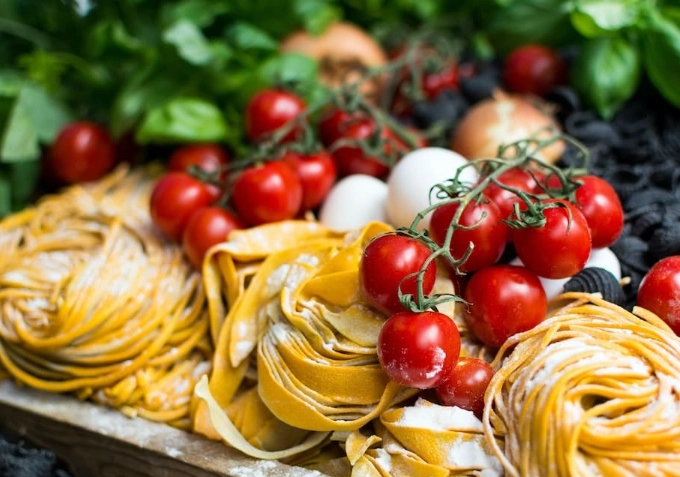
Vegetarian Food Guide: What to Eat in Italy

What Side Dishes to Serve with Sausage? 15 Perfect Pairings & Recipes
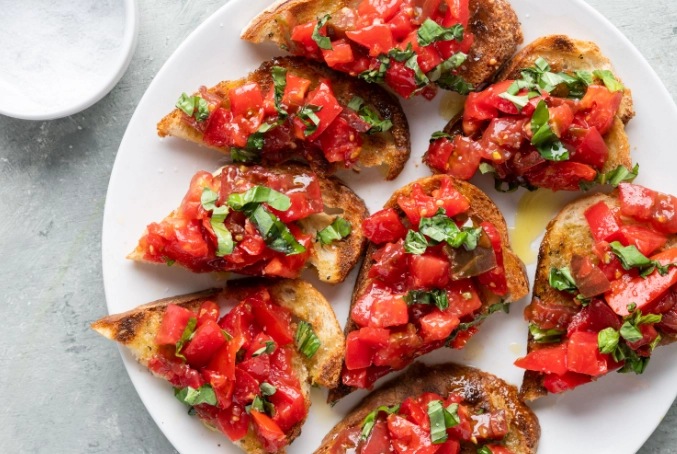
Authentic Italian Bruschetta Recipe: The Only Guide You'll Ever Need
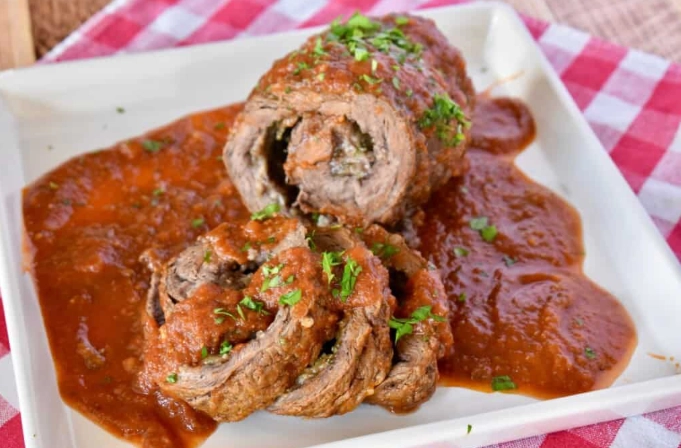
Ultimate Braciole Recipe: Authentic Italian Beef Rolls in Tomato Sauce
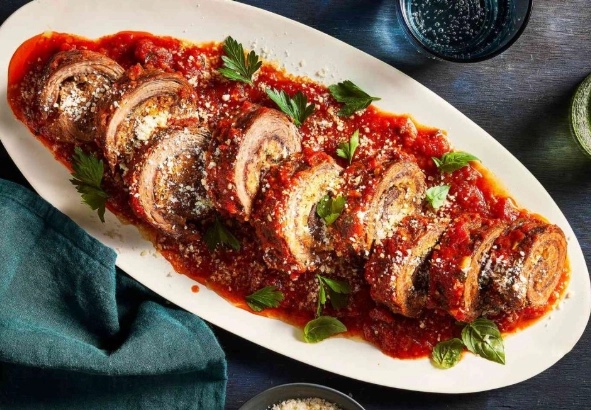
Easiest Italian Food to Make: 5 Simple Recipes for Beginners
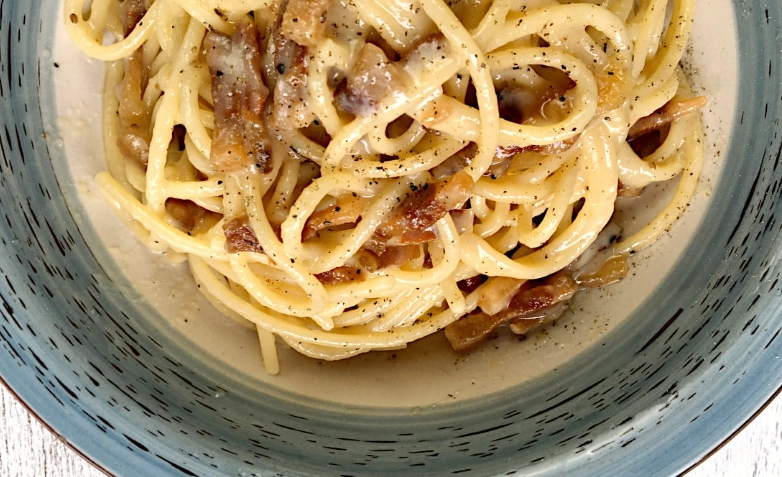
Authentic Spaghetti Carbonara Recipe: The Real Italian Method (No Cream!)
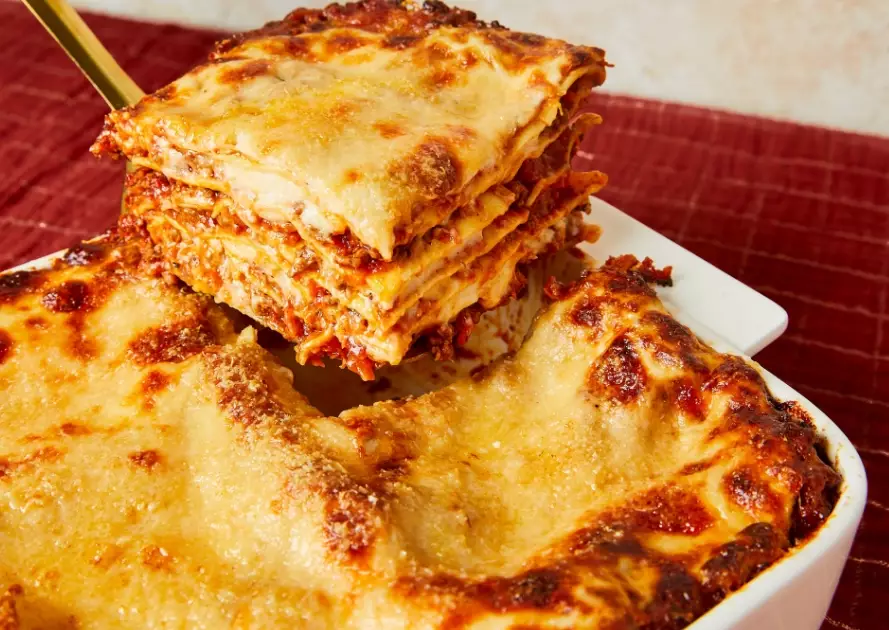
Italian Lasagna Recipe: Authentic Homemade Lasagna Guide
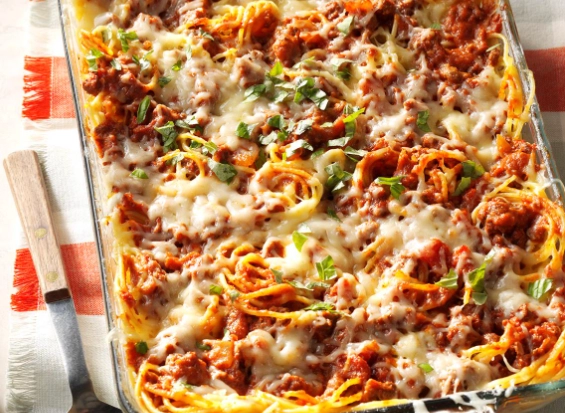
Easy Italian Baked Dinner Recipes: Lasagna, Chicken Parm & More

The fourth wave of internationalization of global auto companies, how can China
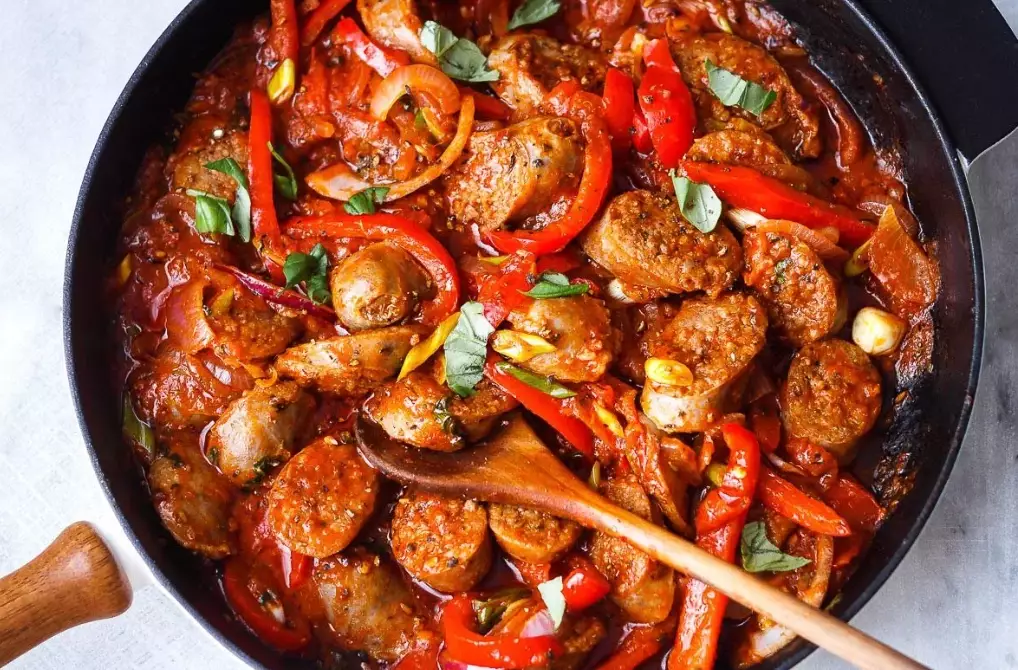
Authentic Italian Sausage Recipe: Tips from a Butcher
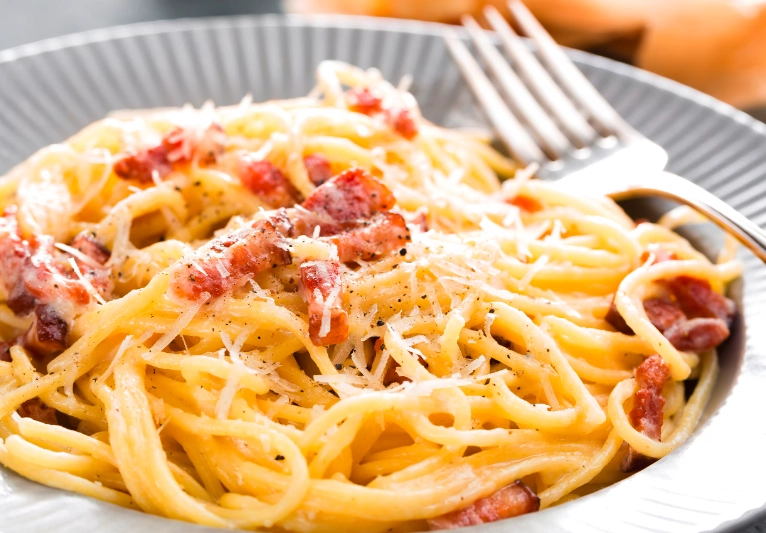
Authentic Carbonara Recipe: Traditional Italian Pasta Without Cream
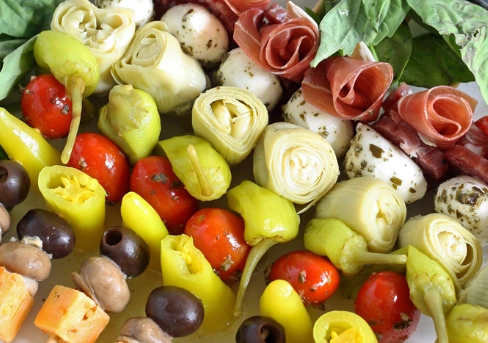
Authentic Italian Vegetarian Appetizers: Recipes, Tips & Menus
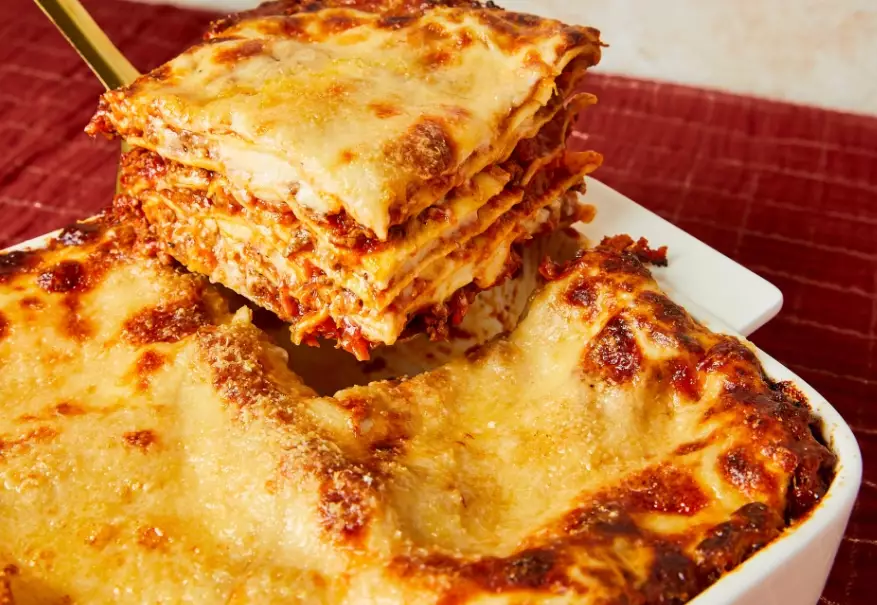
Authentic Italian Lasagna Recipe: The Ultimate Guide to Homemade Perfection

Two 1 billion US dollars of large model financing, Internet giants are starting
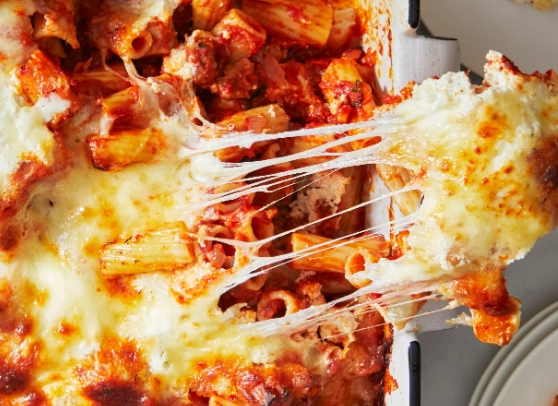
Ultimate Guide to Classic Italian Baked Pasta Dishes

Best Italian Cocktails: From Classic Negroni to Modern Aperitivo
Authentic Italian Cookies Recipes: Classic Biscotti, Amaretti & More
Italian Submarine Sandwich Recipe: The Ultimate Guide to a Classic Hoagie
Italian Sausage Pasta Recipes: A Complete Guide to Classic Comfort Food
Modern Italian Cocktails: A Guide to Artisanal Mixology
Authentic Italian Dessert Recipes: From Tiramisu to Cannoli
Leave a Comment