Easy Creamy Italian Dressing Recipe (Better Than Store-Bought)
What’s Inside?
- The Core Philosophy: What Makes a Great Creamy Italian Dressing?
- The Foundation: Your Go-To Creamy Italian Dressing Recipe
- Leveling Up: Variations on Your Creamy Italian Dressing Recipe
- Your Creamy Italian Dressing FAQ (All the Stuff You Wonder About)
- Beyond the Salad Bowl: How to Use This Dressing
- Ingredient Deep Dive: Making Smart Choices
- Troubleshooting Common Issues
- A Final Word on Making It Your Own
Let's be honest for a second. How many times have you grabbed a bottle of creamy Italian dressing from the grocery store shelf, lured by the picture of herbs and creamy goodness, only to get home and find it tastes... well, kind of flat? Too sweet, or overly tangy, or just missing that fresh, zesty punch you were hoping for. I've been there more times than I care to admit.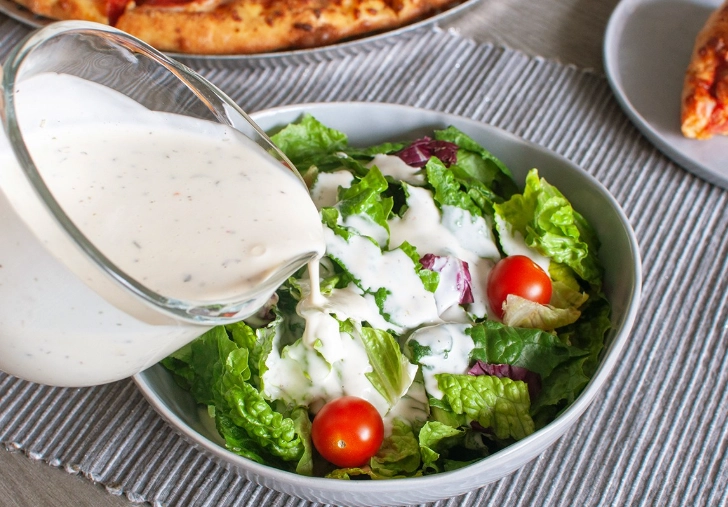
That's exactly why I started making my own. And let me tell you, once you try a homemade creamy Italian dressing recipe, there's just no going back. It's one of those simple kitchen wins that makes you feel like a bit of a genius. It's cheaper, you control every single ingredient that goes in, and the flavor? It's in a completely different league. Not to mention, it's embarrassingly easy to whip up.
This isn't just about following a recipe. It's about understanding how the ingredients work together, so you can make it your own. Maybe you like it extra garlicky, or with a bigger hit of parmesan. Perhaps you need a dairy-free version. We're going to cover all of that. Consider this your complete, no-BS manual for mastering this versatile condiment.
Why bother making it from scratch? Beyond the superior taste, homemade dressing lets you avoid the stabilizers, excess sugar, and preservatives common in store-bought versions. You get pure, recognizable ingredients. Plus, it's a foundational recipe—master this, and you've got a sauce for salads, marinades for chicken, a dip for veggies, and a sandwich spread all sorted.
The Core Philosophy: What Makes a Great Creamy Italian Dressing?
Before we dive into the measurements, let's talk about the soul of this dressing. Traditional "Italian" dressing (the vinaigrette kind) is all about oil, vinegar, and dried herbs. The creamy version builds on that but adds richness and body. The goal is a perfect balance: the tang from vinegar and lemon, the savory depth from garlic and cheese, the fragrance from herbs, all smoothed out by creamy elements.
It shouldn't be gloppy or overly sweet. It should be pourable but cling to a leaf of romaine. It should make a simple bowl of greens feel like a meal.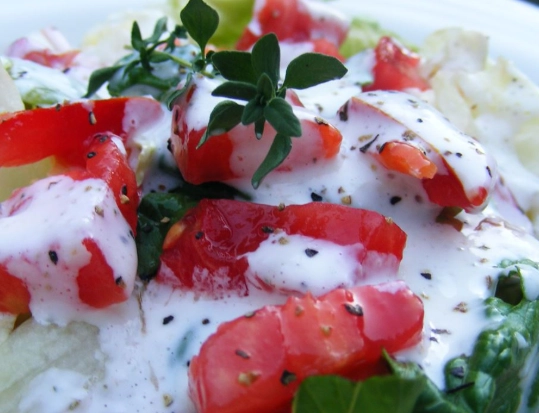
I've found that the best creamy Italian dressing recipe walks a tightrope between bold flavor and creamy comfort. Too much mayo and it's bland. Too much vinegar and it's harsh. Getting it right is simpler than you think.
The Foundation: Your Go-To Creamy Italian Dressing Recipe
This is my workhorse recipe, the one I make almost every week. It's forgiving, flexible, and consistently delicious. Think of it as your base camp. We'll explore how to venture out from here later.
What You'll Need (The Cast of Characters)
- The Creamy Base (1 cup total): I use a 50/50 split of real mayonnaise (not Miracle Whip, please) and full-fat sour cream. The mayo gives body and richness, the sour cream adds a pleasant tang and helps thin it to the perfect consistency. Greek yogurt is a great sub for sour cream if you want it lighter.
- The Acid (about 1/4 cup total): This is where the brightness comes from. I use 2 tablespoons of red wine vinegar and 1 tablespoon of fresh lemon juice. The red wine vinegar is classic, the lemon juice wakes everything up.
- The Aromatics: 1-2 cloves of garlic, finely minced or grated. Yes, fresh is non-negotiable here. Powder just won't give you that punch.
- The Cheese (The Secret Weapon): 1/4 cup of finely grated Parmigiano-Reggiano or a good Pecorino Romano. Don't use the shelf-stable powder in the green can. The real stuff melts into the dressing and adds an incredible umami depth.
- The Herbs (2-3 tablespoons total): The "Italian" part. I use a mix of dried oregano, dried basil, and dried parsley. Dried works better here as it infuses its flavor as the dressing sits. Fresh parsley can be added as a garnish later.
- The Seasoning Squadron: 1/2 teaspoon of onion powder (it blends better than raw onion), 1/2 teaspoon of salt (start here, you can add more), 1/4 teaspoon of freshly cracked black pepper, and a tiny pinch of red pepper flakes for the slightest background warmth (optional, but recommended).
- The Liquid Lifesaver: 2-4 tablespoons of buttermilk, whole milk, or even water. This is your tool for adjusting thickness. Start with 2, add more until it's exactly how you like it.
How to Make It (It's Not Rocket Science)
Grab a medium-sized bowl. A whisk. That's about it for equipment.
First, whisk together the mayo and sour cream until they're smooth and fully combined. No lumps. Now, whisk in the red wine vinegar and lemon juice. It might look a bit separated or curdled for a second—don't panic. Just keep whisking.
Add the minced garlic, all the grated cheese, and all the dried herbs and spices. Whisk, whisk, whisk until it's one homogenous mixture.
Now, look at the consistency. Is it thick like dip? That's where your buttermilk or water comes in. Add a tablespoon, whisk. Need it thinner? Add another. You're aiming for something that will coat the back of a spoon but still drip off slowly. Remember, it will thicken up a bit in the fridge.
Taste. This is the most important step. Dip a piece of lettuce or the tip of your finger (no judgment). Does it need more salt? A tiny bit more vinegar for tang? More pepper? Adjust now. The flavors will meld and intensify after an hour in the fridge, so if it tastes just slightly under-seasoned now, it'll probably be perfect later.
Pro Tip from a Lot of Trial and Error: Let it rest. Seriously. Cover the bowl with plastic wrap or transfer it to a jar and shove it in the fridge for at least an hour, preferably two or more. This waiting period is magical. The dried herbs rehydrate and release their oils, the garlic flavor mellows and spreads, and the cheese fully incorporates. The dressing transforms from "mixed ingredients" to a cohesive, complex sauce.
And that's it. You've just made a creamy Italian dressing recipe that will make you question every bottled dressing you've ever bought.
Leveling Up: Variations on Your Creamy Italian Dressing Recipe
The basic recipe is fantastic, but the real fun begins when you start tweaking. Here are some of my favorite spins.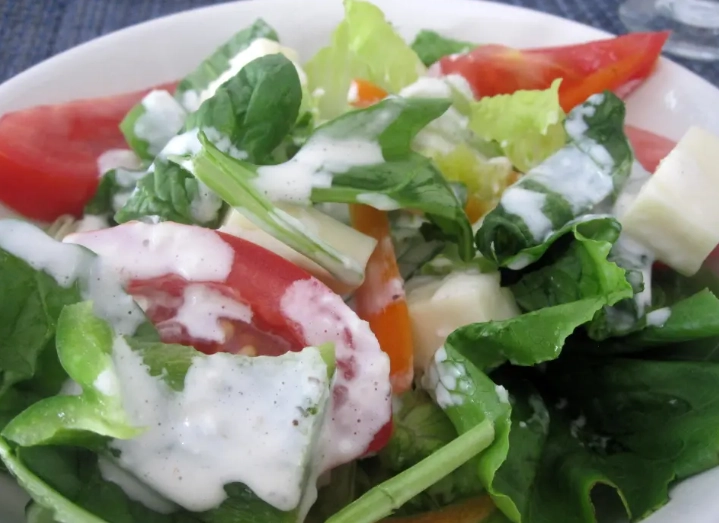
The "Lighter" Version: Swap the sour cream for an equal amount of plain, full-fat Greek yogurt. It's tangier and higher in protein. You can even use a light mayo, though I find the flavor suffers a bit.
The "No Mayo" / Dairy-Free Version: This one took some experimenting. Blend 3/4 cup of soaked raw cashews (or 1/2 cup raw cashew butter) with 1/2 cup water, the vinegar, lemon juice, garlic, herbs, and seasoning until completely smooth. Stir in the nutritional yeast instead of parmesan. It's surprisingly rich and creamy, with a different but delicious flavor profile.
The "Herb Garden" Fresh Version: For a summer twist, use 2 tablespoons of fresh, finely chopped herbs (like basil, oregano, and chives) instead of dried. Make this version the day you plan to use it, as fresh herbs can wilt and turn color.
The "Spicy Kick" Version: Add a teaspoon of Calabrian chili paste or a whole minced pepperoncini (or two!) to the mix. It adds a fantastic fruity heat that cuts through the richness.
The "Extra Umami" Version: Add a teaspoon of white miso paste or a dash of Worcestershire sauce (check for anchovies if you need it vegetarian) along with the cheese. It deepens the savory flavor in an incredible way.
Your Creamy Italian Dressing FAQ (All the Stuff You Wonder About)
I get a lot of questions when people try this recipe. Let's tackle the big ones.
How long does homemade creamy Italian dressing last?
In a sealed container in the fridge, it's good for 5 to 7 days. Because of the fresh garlic and dairy, I wouldn't push it beyond a week. Always give it a good stir or shake before using, as separation is normal.
Why did my dressing get super thick in the fridge?
The cold solidifies the fats in the mayo and sour cream. It's totally normal. Just let it sit on the counter for 10 minutes before serving, or whisk in a teaspoon of water or milk to loosen it back up.
Can I use olive oil instead of mayo?
Not directly, no. That would turn it into a different dressing—a vinaigrette. The mayo is an emulsion of oil and egg that provides the specific creamy texture. For a creamy result, you need a creamy base.
My dressing tastes too sharp/too tangy. How do I fix it?
Balance is key. To mellow out excess tang, whisk in a tiny bit more mayo or a pinch of sugar (just a pinch!). Next time, reduce the vinegar by a tablespoon.
What's the best cheese to use?
I'm a stickler for Parmigiano-Reggiano (the real stuff from Italy, with the pin-dots on the rind) for its nutty, complex flavor. A good domestic Parmesan or Pecorino Romano (which is saltier and sharper) also works wonders. The key is to grate it yourself from a block. Pre-grated cheese has anti-caking agents that can make your dressing gritty.
A Quick Safety Note: Because this dressing contains fresh garlic and dairy, it's important to keep it refrigerated. The USDA's food safety guidelines are a great resource for understanding safe storage times for homemade foods. When in doubt, smell and taste a tiny bit—if it's off, toss it.
Beyond the Salad Bowl: How to Use This Dressing
Calling this just a "salad dressing" is a massive undersell. It's a multipurpose sauce. Here's how I use it throughout the week:
- The Obvious: Tossed with chopped romaine, tomatoes, red onion, olives, and croutons for the ultimate salad.
- As a Marinade: It's brilliant for chicken breasts, thighs, or even firm tofu. Coat the protein, let it marinate for at least 30 minutes (or up to 4 hours), then grill or bake. The acids tenderize, and the herbs and cheese create a fantastic crust.
- As a Sandwich Spread: Ditch the mayo on your next sub, turkey club, or veggie sandwich. This adds so much more flavor.
- As a Dip: For raw veggies (hello, carrot sticks and bell peppers), pizza crust, breadsticks, or even as a topping for baked potatoes.
- As a Pasta Salad Dressing: Thin it out with a little extra buttermilk or pasta water and pour it over cold rotini pasta with chopped veggies, salami, and mozzarella balls.
- Drizzle it over roasted vegetables like asparagus or broccoli right when they come out of the oven.
Ingredient Deep Dive: Making Smart Choices
The quality of your ingredients directly impacts the final product. Here's a quick breakdown of what to look for.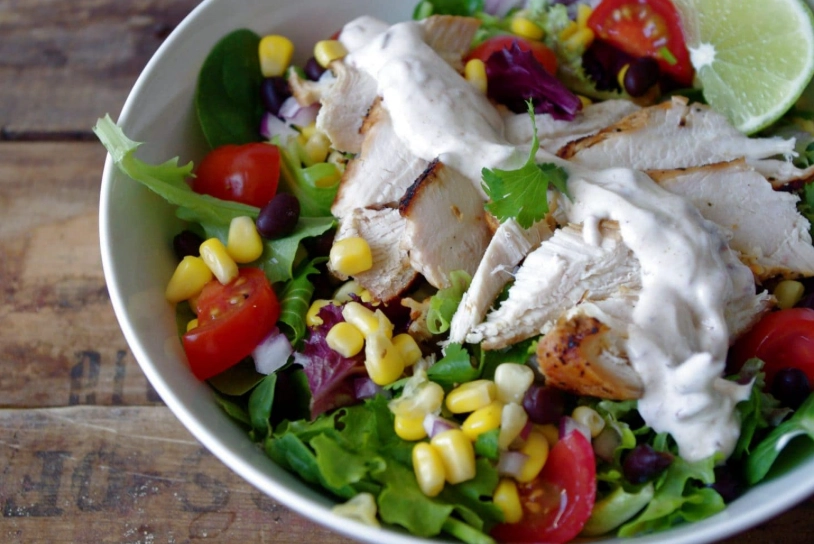
| Ingredient | The Best Choice | Why It Matters | An Acceptable Shortcut |
|---|---|---|---|
| Mayonnaise | Real, full-fat mayo (like Hellmann's/Best Foods or Duke's) | Better flavor, texture, and emulsification. Made with oil, eggs, and vinegar/lemon juice. | A high-quality light mayo (flavor will be milder). |
| Sour Cream | Full-fat sour cream | Provides the ideal tang and creamy consistency without being too thick. | Full-fat plain Greek yogurt (tangier, thicker). |
| Vinegar | Red wine vinegar | Classic flavor, right level of acidity. White wine vinegar also works. | Apple cider vinegar (will change flavor profile to be fruitier). |
| Cheese | Freshly grated Parmigiano-Reggiano | No additives, melts seamlessly, unparalleled depth of flavor. You can learn more about its production and quality standards from the official Consorzio del Formaggio Parmigiano-Reggiano. | Freshly grated domestic Parmesan or Pecorino Romano. |
| Herbs | High-quality dried herbs (check they are not faded or dusty) | Their flavor concentrates as they sit in the dressing. Fresh herbs are great but behave differently. | A high-quality Italian seasoning blend (check salt content). |
| Garlic | Fresh garlic cloves | Vibrant, pungent flavor that mellows perfectly. Garlic powder tastes one-dimensional here. | Pre-minced garlic in jars (in a pinch, but drain the liquid). |
See? Small choices make a big difference. You don't need the most expensive of everything, but opting for the real deal over highly processed substitutes pays off in every bite.
Troubleshooting Common Issues
Even the simplest recipes can have hiccups. Here’s how to solve them.
Problem: Dressing is too thin/runny.
Solution: Whisk in an extra tablespoon of mayo or sour cream. Or, let it chill longer; it will thicken as it cools.
Problem: Dressing is too thick/gloppy.
Solution: Whisk in liquid (milk, buttermilk, water) one teaspoon at a time until it reaches the desired consistency.
Problem: Dressing tastes bland.
Solution: It likely needs salt. Add a pinch, whisk, and taste. Also, ensure your dried herbs aren't old—they lose potency over time. More cheese or a squeeze of lemon can also help.
Problem: Dressing tastes too harsh/garlicky.
Solution: Time is the best fix. Let it sit overnight; the garlic will mellow significantly. Next time, use one clove instead of two, or try roasting the garlic first for a sweeter, gentler flavor.
Problem: Dressing separates quickly.
Solution: This is natural. Just give it a vigorous shake or whisk before each use. For a more stable emulsion, you can blend all the ingredients in a small blender or food processor for 30 seconds.
A Final Word on Making It Your Own
The perfect creamy Italian dressing recipe is the one that tastes perfect to you. This guide gives you the framework, the science, and the confidence to start experimenting.
Maybe you discover you love a touch of honey in it. Or maybe you find that adding a few anchovy fillets (blended in) creates your new favorite Caesar-ish dressing. That's the joy of cooking from scratch. You're in control.
So, grab a bowl and a whisk. Start with the base recipe. Let it rest. Taste it. Then think about what you want more of. That's how you move from following a recipe to creating something that becomes a staple in your own kitchen. And honestly, once you see how easy it is and how much better it makes your meals, you'll wonder why you didn't start making your own creamy Italian dressing years ago.
For more inspiration on incorporating healthy fats and flavorful dressings into a balanced diet, resources like the Mayo Clinic's guide to dietary fats offer great, evidence-based information.
Now, go make some dressing. Your salads (and chicken, and sandwiches, and veggies) are waiting.
Related Articles

Amazon on the fire
What is a Good Appetizer Before Pasta Dinner? 15+ Expert Picks & Pairing Guide
Traditional Italian Vegetarian Recipes: Classics Beyond Pasta

Sea freight rates soared! One after another raised sea freight rates, the "king
Italian Sausage Soup: Authentic Recipes & Pro Tips