Authentic Italian Carbonara Recipe: The Only Guide You'll Ever Need
Your Carbonara Journey: Quick Navigation
Let's be honest. We've all been there. You see a picture of a creamy, dreamy plate of pasta carbonara online, decide to give it a go, and end up with a pan of scrambled eggs with bacon and noodles. It's disappointing, and it makes you wonder if you'll ever crack the code for a perfect Italian carbonara recipe. I've been in that exact spot more times than I'd like to admit. The thing is, a real carbonara isn't about cream or a thick, gluey sauce. It's about a delicate, silky emulsion of egg, cheese, and starchy pasta water, clinging to every strand of pasta with little nuggets of crispy, salty pork fat. It's magic. And it's surprisingly simple, once you know the rules. Or, more accurately, once you stop following the wrong ones.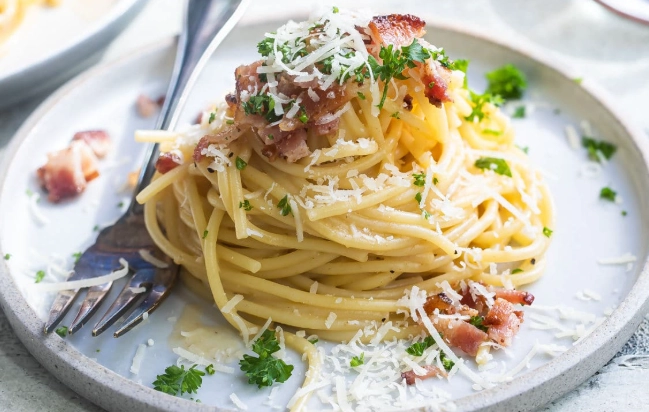
This isn't just another recipe list. This is the result of eating too many mediocre versions, a few fantastic ones in Rome itself, and a lot of messy experiments in my own kitchen. We're going deep on the why, not just the how. Why that specific cheese? Why no cream? Why does the pan temperature matter so much? If you want to make an authentic Italian carbonara recipe that would make a Roman nonna nod in approval (or at least not frown), you're in the right place.
The Soul of Carbonara: It's All About the Ingredients
You can't build a great house with cheap materials, and you absolutely cannot make a great carbonara with substitutes for its core four ingredients. This is non-negotiable. The beauty and the challenge of this dish lie in its simplicity. Every component plays a starring role, and if one is off, the whole performance suffers.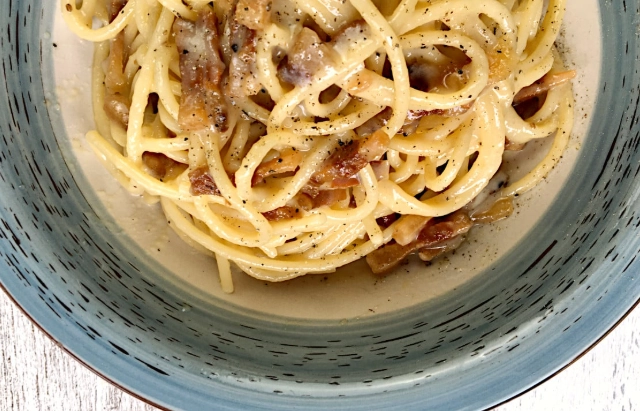
The Holy Quartet
Think of these as your foundation. Swapping them out changes the dish fundamentally.
- Guanciale: This is the heart. It's cured pork cheek, not bacon, not pancetta. Guanciale has a higher fat content and a more complex, funky, porky flavor. The fat renders into liquid gold that becomes the base of your sauce. Finding it might require a trip to a proper Italian deli or an online order, but it's the single biggest upgrade you can make. Pancetta (cured pork belly) is the acceptable plan B in a pinch, but bacon, with its smoky flavor, is a different dish entirely (some call it "carbonara Americana," and that's fine, but it's not the Roman original).
- Pecorino Romano: The muscle. This is a hard, salty sheep's milk cheese from the region around Rome. Its sharp, tangy punch is essential for cutting through the richness. Many traditional recipes use only Pecorino. Some modern Roman chefs use a mix with Parmigiano-Reggiano for a slightly more rounded flavor. But starting with 100% Pecorino Romano is your best bet for authenticity. The pre-grated stuff in a shaker won't melt properly—you must grate it fresh.
- Eggs: The soul. Whole eggs provide structure, but the yolks are where the creamy magic happens. Most recipes use more yolks than whites for maximum richness and color. The eggs are never cooked directly on the heat; they're tempered by the hot pasta and pork fat.
- Pasta: The vehicle. Long, thick shapes like spaghetti or rigatoni are classic. They have enough surface area for the sauce to cling to. The starch they release into the cooking water is your secret weapon for emulsification.
See what's missing? Cream. Garlic. Onions. Peas. Herbs. If your recipe includes these, it's taking creative liberties. There's nothing wrong with that, but it's not the authentic carbonara recipe we're chasing here. Those additions often try to compensate for a lack of technique or inferior core ingredients.
The Step-by-Step: Where Most Carbonara Dreams Go to Die
This is the moment of truth. The process is a fast-paced dance, and you need everything prepped and ready to go (mise en place, as the chefs say) before you turn on the heat. There's no time to grate cheese while the pasta is boiling.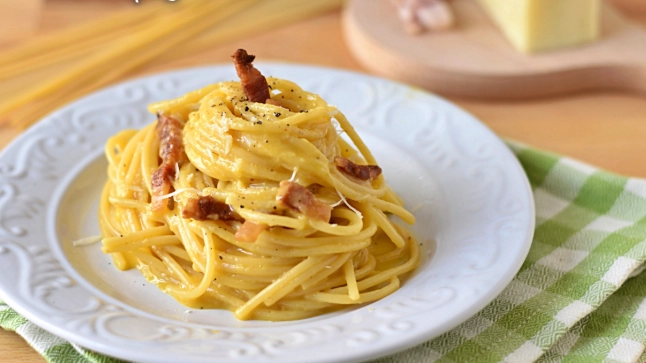
Prep Work is Everything
Cube your guanciale into little lardons, about 1/2 inch thick. Don't make them too small, or they'll burn; too big, and they won't crisp properly. Grate a mountain of Pecorino Romano. For a serving for four, I'd start with about 1 to 1.5 cups, packed. Now, the eggs. This is personal preference. The richest, most unctuous sauce comes from using only yolks. For four people, 4 whole eggs and 2 extra yolks is a great middle ground. Whisk them in a large bowl (big enough to later hold all the pasta) with all of the grated cheese and a generous amount of freshly cracked black pepper. The pepper isn't just seasoning; its spice is a key flavor component. This cheesy, eggy slurry will look thick and unpromising. That's fine. Don't add anything else to it.
The Two-Pan Tango
Start your pasta in well-salted boiling water. In a large, cold skillet (not non-stick, if possible), add your cubed guanciale. Turn the heat to medium. You want to render the fat slowly, letting the pieces go golden and crispy without burning. This can take 10-15 minutes. Be patient. The rendered fat is your sauce base. Once crispy, turn off the heat under the guanciale pan. You want it hot, but not nuclear, when you add the pasta.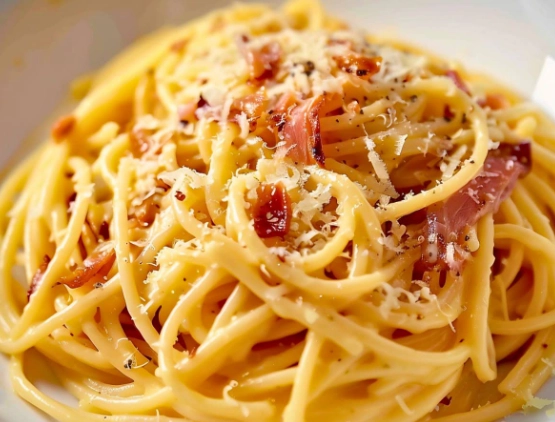
Here's a critical juncture. Your pasta should be cooked one minute less than the package says for al dente. Right before draining, scoop out about 1 to 1.5 cups of the starchy pasta water. This liquid is your sauce's lifeline.
Now, the dance gets fast. Drain the pasta. Add it directly to the skillet with the guanciale and its glorious fat. Toss it vigorously so every strand is coated. This step cooks the pasta a bit more in the fat and gets it perfectly hot for the next move.
The Emulsion: A Leap of Faith
Take the skillet off the heat entirely. Let it sit for just 30 seconds to cool slightly. You want it hot enough to cook the eggs gently, but not so hot it scrambles them. This is the most nerve-wracking part.
Working quickly, pour the hot pasta and guanciale mixture into the large bowl with the egg and cheese. Immediately start tossing and stirring like your dinner depends on it (it does). The residual heat from the pasta will gently cook the eggs, turning them into a creamy, glossy sauce. It will look too thick at first.
This is where your reserved pasta water comes in. Add a splash—maybe a quarter cup—and keep tossing. The sauce will loosen, become silkier, and coat the pasta perfectly. Add more pasta water a little at a time until you achieve a sauce that flows slowly and coats the back of a spoon. It should not be a pool of liquid at the bottom of the bowl, nor should it be a dry, clumpy mess. It's a delicate balance you learn by feel.
Following these steps for an authentic Italian carbonara recipe is the difference between a good pasta dish and a transcendent one. The sauce should be creamy and cohesive, not oily or eggy. Each bite should have the crunch of guanciale, the sharpness of the cheese, and the warmth of the pepper.
Why Does My Carbonara Go Wrong? The Usual Suspects.
Even with the right ingredients and steps, things can go sideways. Let's troubleshoot the most common carbonara catastrophes.
| The Problem | The Likely Cause | The Fix |
|---|---|---|
| Scrambled Eggs | The pasta/pan was too hot when you added the egg mixture. The eggs cooked too quickly and curdled. | Always take the pan off the heat before adding pasta to the eggs. Let it cool for 30 seconds. The bowl technique (adding hot pasta to the eggs) is safer than adding eggs to the pan. |
| Oily, Greasy Sauce | The emulsion broke. The fat from the guanciale separated from the egg and cheese. | You didn't toss vigorously enough, or you didn't use enough starchy pasta water to bind the emulsion. The starch in the water is the glue. Toss like crazy and add water until it comes together. |
| Dry, Clumpy Sauce | Not enough moisture. The sauce seized up and became pasty. | You were too shy with the pasta water. Don't be afraid to add more, a tablespoon at a time, until the sauce is loose and silky. The pasta will also continue to absorb it as it sits. |
| Bland Flavor | Underseasoned, or poor-quality cheese. | Remember, the pasta water and cheese are your main salt sources. Salt your pasta water aggressively (like the sea). Use high-quality, freshly grated Pecorino Romano. And don't skimp on the black pepper—crack it generously into the egg mix. |
My own nemesis was the scrambled eggs. For years, I thought a hotter pan was better. It's not. Low and slow confidence wins the race here. Once you master the temperature control, the rest falls into place.
Beyond the Classic: Variations and Personal Twists
Okay, we've nailed the purist's version. But what if you want to play? The classic carbonara recipe is a masterpiece, but cuisine evolves. Here are some respected variations, from the semi-traditional to the creative.
- The Parmigiano Mix: As mentioned, many contemporary Roman chefs use a 50/50 blend of Pecorino Romano and Parmigiano-Reggiano. The Parmigiano adds a nutty, slightly sweeter depth that mellows the Pecorino's sharp saltiness. It's a fantastic middle ground and my personal go-to for a slightly more approachable flavor.
- Carbonara di Mare (Seafood Carbonara): This is a coastal twist you might find outside Rome. Guanciale is replaced with crispy pancetta or omitted, and the sauce is enriched with the addition of seafood like prawns, scallops, or clams. The principle of the egg and cheese emulsion remains, creating a luxurious seafood pasta. It's delicious, but it's a different genre.
- The Vegetarian Conundrum: A true vegetarian carbonara is an oxymoron, as guanciale is non-negotiable in the original. However, you can create a wonderful "white carbonara" or "cacio e uova" (cheese and eggs) pasta. Sauté mushrooms (like king oysters sliced to mimic lardons) or artichokes until deeply browned to provide a savory, umami base instead of pork fat. The technique with eggs, cheese, and pasta water is identical.
Your Carbonara Questions, Answered
Digging Deeper: The Context of Carbonara
Food tastes better with a story. Carbonara's origins are surprisingly murky and hotly debated, which only adds to its charm. It's not an ancient Roman dish. The most credible theories place its birth in the mid-20th century, possibly as a creation of Roman cooks using ingredients supplied by Allied soldiers (American eggs and bacon, Italian cheese and pasta) after World War II. The first documented recipes appear in the 1950s. You can read more about the fascinating and contested history of Roman pasta dishes like carbonara and amatriciana on resources like Wikipedia's Carbonara entry, which aggregates various historical claims.
Regardless of its origin, carbonara is now a pillar of cucina Romana (Roman cuisine), standing proudly alongside Cacio e Pepe and Amatriciana. Understanding this context makes cooking it feel less like following a random internet Italian carbonara recipe and more like participating in a living culinary tradition.
From selecting the right guanciale (check an authentic Italian grocer or a site like Gustiamo for sourcing) to mastering the final, nerve-wracking toss, making a true carbonara is a rewarding culinary rite of passage. It teaches you about temperature, emulsion, and the power of a few perfect ingredients. It's a dish that demands your attention and rewards it with something profoundly satisfying.
Forget the cream. Embrace the eggs, the Pecorino, the pepper, and the pork. Take your time. And the next time you see a search result for an authentic Italian carbonara recipe, you'll know exactly what to look for—and more importantly, exactly how to make it sing.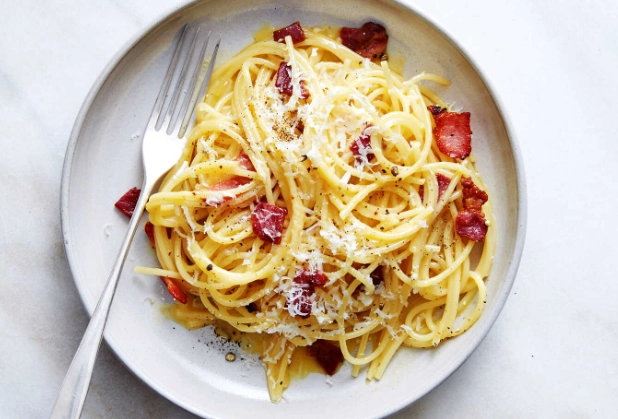
Related Articles
Italian Shrimp Recipes: From Classic Scampi to Modern Dishes
Traditional Italian Salad Names: A Guide to Authentic Recipes & History
Italian Meatloaf Recipe: The Ultimate Comfort Food Guide
Ultimate Guide to Spaghetti Pasta Recipes: Easy, Authentic & Creative
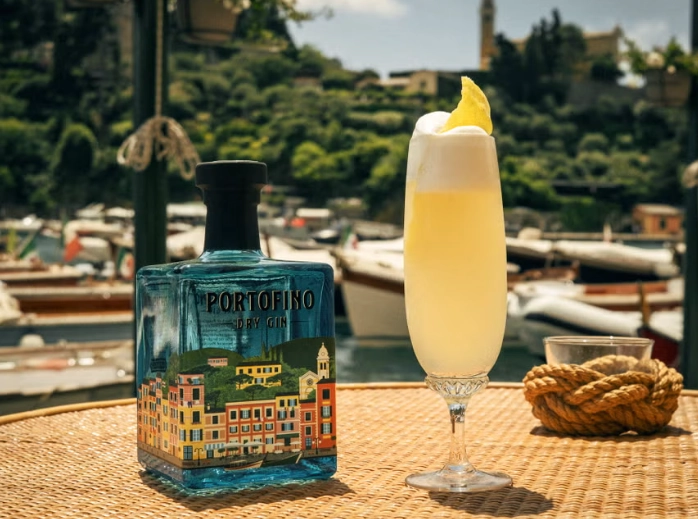
Unique Italian Cocktails: Beyond the Aperol Spritz