Ultimate Guide to the Best Italian Meatball Recipe
Let's talk about meatballs. Not the dry, bouncy ones that sit like cannonballs in a sea of jarred sauce. I'm talking about the real deal: tender, flavorful Italian meatballs that melt in your mouth and make your homemade marinara taste like it simmered for days. Getting there isn't just about following a list of ingredients; it's about understanding why each step matters. I learned this the hard way after years of mediocre results, until a chat with an old-school cook in Bologna shifted my entire approach. This guide is that conversation, distilled into a recipe you can trust.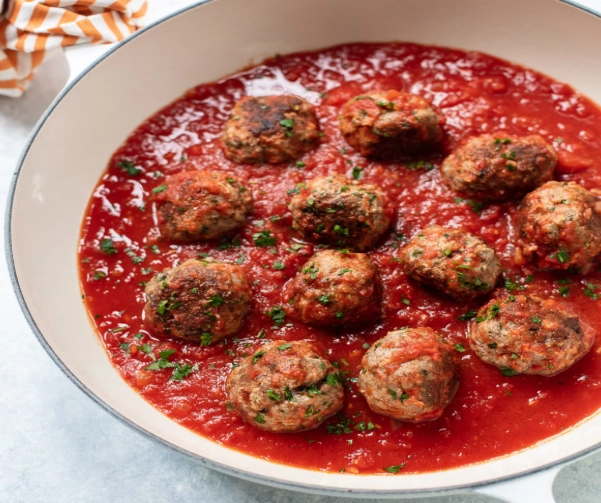
What You'll Master in This Guide
Why This Recipe Works (The Science of Tenderness)
Most failed meatballs suffer from two issues: dryness and toughness. They happen when you treat the meat like dough. The goal is a loose, barely-held-together mixture, not a firm paste.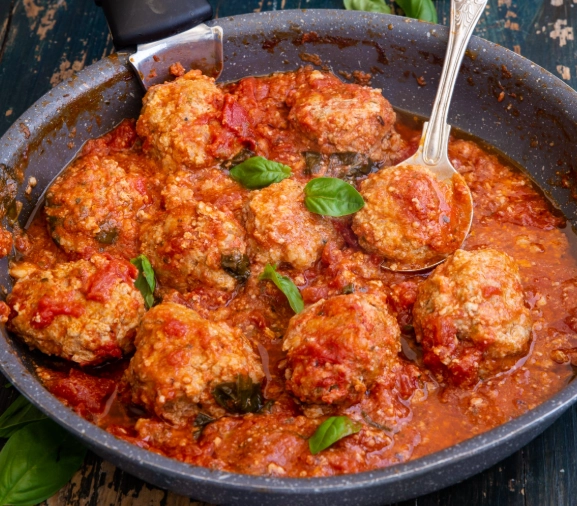
The magic lies in two components: the panade and the meat blend. A panade is a paste made from starch and liquid—here, bread and milk. It coats the meat proteins, preventing them from tightening up too much and squeezing out all their moisture during cooking. It's your insurance policy against dryness.
As for the meat, the classic trio of beef, pork, and veal isn't just tradition. Beef gives a robust, savory base. Pork adds fat, which equals flavor and juiciness. Veal has a very fine, delicate texture that lightens the overall feel. If veal is hard to find or not your thing, a 50/50 mix of beef and pork is fantastic. Using only lean beef is the most common home cook mistake; you need that fat.
The Non-Negotiable Ingredients
Here's what you'll need. This isn't a huge list, but quality matters, especially with the meat.
| Ingredient | Why It's Here | Best Choice / Note |
|---|---|---|
| Ground Meat Blend | Foundation of flavor and texture. | 8 oz (225g) each of ground beef (80/20) and ground pork. Veal optional but excellent. |
| Bread (for Panade) | Binder and moisture-retainer. | 2 slices white bread, crusts removed, torn. Not dry breadcrumbs. |
| Whole Milk | Hydrates the bread for the panade. | About 1/4 cup. Buttermilk can add a subtle tang. |
| Parmigiano-Reggiano | Salty, nutty, umami punch. | 1/2 cup freshly grated. The pre-grated stuff in tubs has anti-caking agents that affect texture. |
| Fresh Parsley & Garlic | Aromatic freshness. | 1/4 cup chopped parsley, 2-3 cloves garlic minced. Don't use dried parsley here. |
| Egg | Secondary binder. | 1 large egg. It helps, but the panade is the star. |
| Kosher Salt & Black Pepper | Seasoning. | Be generous. 1 1/4 tsp kosher salt is a good start. |
See? No fancy stuff. Just good fundamentals. The cheese is key—it's not just a topping. It seasons the meat from within. And always grate it yourself. The cellulose in pre-grated cheese makes it feel gritty in the final meatball.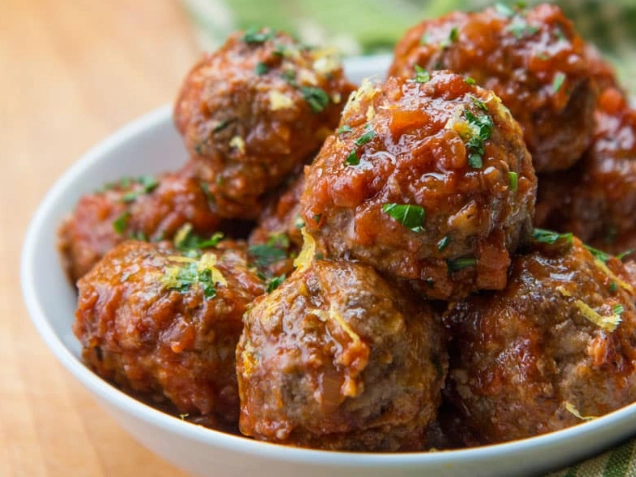
Step-by-Step: How to Make Italian Meatballs That Are Never Dry
This process is about gentle handling. Set aside 30 minutes for prepping and shaping. Rushing leads to compacted meat.
1. Make the Panade
Tear your bread into tiny pieces into a large bowl. Pour the milk over it and mash it with a fork until it becomes a smooth, porridge-like paste. Let it sit for 5 minutes. This is your secret weapon.
2. Combine Everything (Gently!)
To the bowl with the panade, add the ground meats, grated cheese, parsley, garlic, egg, salt, and pepper. Now, use your hands. But here's the critical part: mix just until everything is evenly distributed. You should still see distinct bits of meat. Stop the moment it comes together. This takes less than a minute. Overmixing develops the meat's myosin protein, creating a springy, sausage-like texture—great for burgers, terrible for tender meatballs.
3. Test and Shape
Before shaping all of them, test the seasoning. Heat a small skillet, pinch off a teaspoon of the mixture, flatten it into a tiny patty, and cook it through. Taste it. Need more salt or pepper? Adjust the main batch now.
To shape, lightly wet your hands with water. This prevents sticking. Gently roll portions of the mixture into balls, about 1.5 inches in diameter (roughly the size of a golf ball). Don't pack them tight; just roll them into a loose ball. Place them on a parchment-lined tray.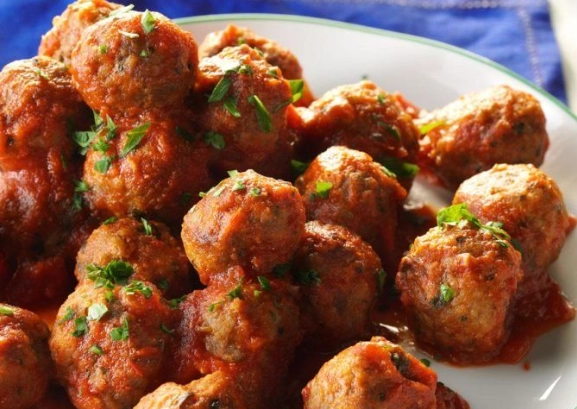
Bake, Fry, or Simmer? Choosing Your Cooking Method
You have options, each with a different outcome.
Baking (Easiest & Healthier): Preheat oven to 400°F (200°C). Arrange meatballs on a rack over a baking sheet. Bake for 18-22 minutes until browned and cooked through. This is clean, hands-off, and yields a consistent result. The downside? You miss out on the flavorful fond (browned bits) in a pan that enriches your sauce.
Pan-Frying (Maximum Flavor): Heat a few tablespoons of olive oil in a heavy skillet (like cast iron) over medium heat. Cook meatballs in batches, turning to brown all sides. This creates an incredible crust and that fond. It's messier and requires more attention.
The Hybrid Winner (My Go-To): This is the method I learned from that cook in Italy. Give the meatballs a quick, initial sear in a pan—just 2-3 minutes to get some color. Then, transfer them directly into a pot of simmering marinara sauce. Let them finish cooking gently in the sauce for 20-25 minutes. The meatballs stay supremely juicy, and the sauce absorbs all their meaty, caramelized flavor. It's a game-changer.
No matter the method, the internal temperature should reach 160°F (71°C).
Your Meatball Questions, Answered
The journey to the best Italian meatball recipe isn't about finding a mythical list of ingredients. It's about technique. It's about respecting the meat, understanding the role of fat and moisture, and having the restraint to stop mixing. Apply these principles, and you'll turn a simple comfort food into a masterpiece that makes spaghetti night feel like a celebration.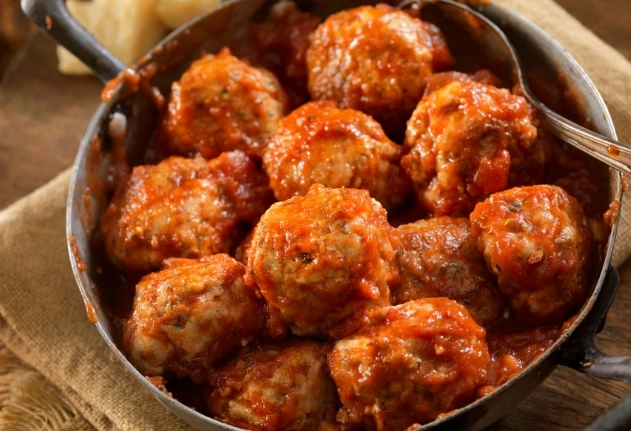
Related Articles

Authentic Italian Cookies Recipes: Classic Biscotti, Amaretti & More
Authentic Italian Sausage Recipe: Tips from a Butcher
Italian Soup Recipe: Classic Minestrone & Hearty Ribollita Made Easy
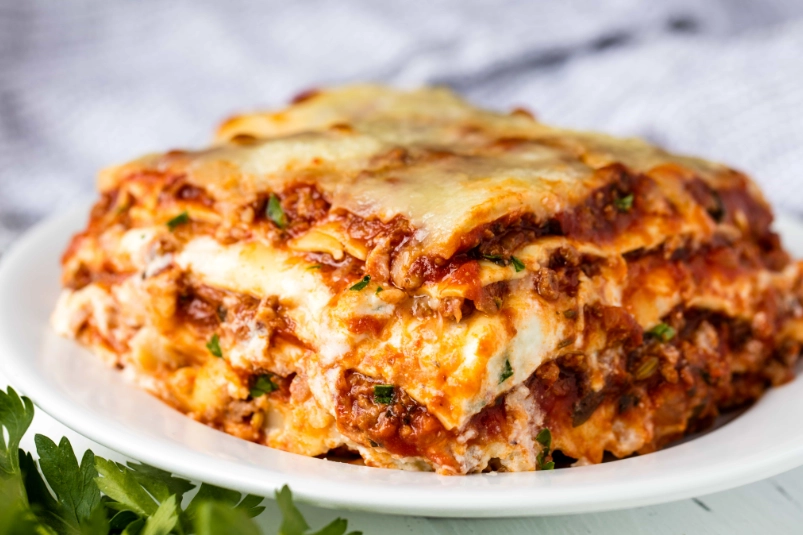
Mastering Classic Italian Baked Dishes: Recipes & Secrets

The scale of securities lending and securities lending has dropped by more than