Authentic Italian Cream Cake Recipe: Moist, Nutty & Irresistible
In This Guide
Let's get this out of the way first, because it bugs me every time I see it online. The so-called "Italian" cream cake? It's about as Italian as I am. Which is to say, not at all. Most food historians agree it's a Southern United States creation, likely from the mid-20th century. The name might come from the use of ricotta or mascarpone in some very early versions, or maybe someone just thought "Italian" sounded fancier. Whatever the reason, the name stuck. And honestly, who cares when the cake itself is this good? We're here for the flavor, not a geography lesson.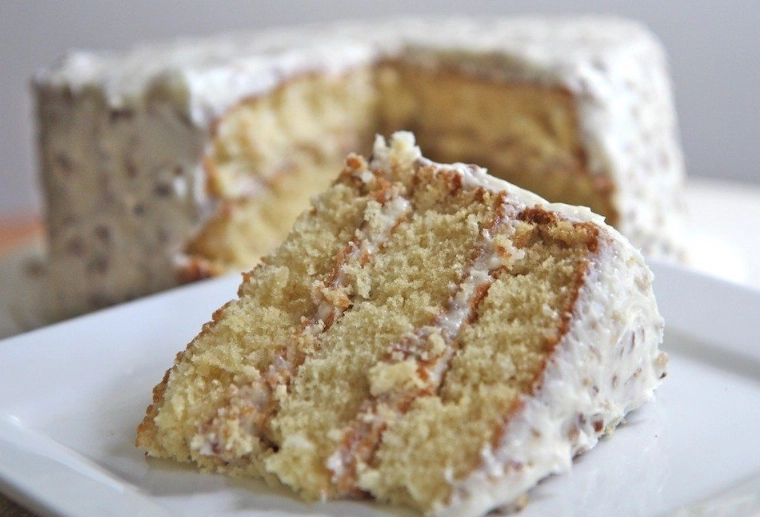
What defines it, then? Imagine the love child of a classic coconut cake and a rich carrot cake (minus the carrots). It's a moist, tender, buttermilk-based cake flecked with sweetened coconut and toasted pecans. The real showstopper is the thick, tangy cream cheese frosting that blankets the whole thing. It's sweet, but not cloying. Rich, but somehow still feels a bit lighter than a full-on chocolate fudge situation. It's a crowd-pleaser for birthdays, holidays, or any Tuesday that needs brightening.
I've made this italian cream cake recipe more times than I can count. I've also messed it up in pretty much every way possible—dense layers, grainy frosting, you name it. So this guide is born from both success and glorious kitchen failure. We'll walk through the whole process, but more importantly, we'll talk about the why behind each step. Because understanding the "why" is what turns you from a recipe follower into a confident baker.
Gathering Your Arsenal: The Ingredients Deep Dive
Baking is a science, they say. I think it's more like friendly chemistry. You don't need a lab coat, but you do need the right components. Using high-quality ingredients here makes a noticeable difference. Let's break down the cast of characters for this italian cream cake recipe.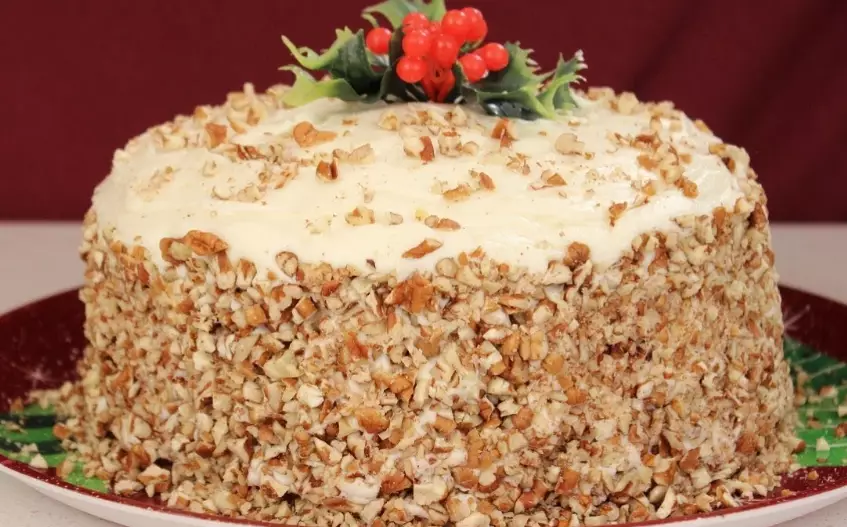
The Cake Batter Crew:
- Butter & Sugar: The foundation. Use unsalted butter so you control the salt. Cream them together until truly pale and fluffy—this incorporates air, which is your first lever for a light crumb.
- Eggs: You'll see "egg yolks" and "whites beaten separately" in many recipes. This is the classic technique. The yolks go into the butter-sugar mix for richness, and the whipped whites are folded in at the end for lift. Some modern recipes skip separating for simplicity, but I find the extra bowl worth it for a supremely tender texture.
- Buttermilk: Non-negotiable. Its acidity tenderizes the gluten in the flour and reacts with the baking soda to create bubbles, making the cake rise beautifully. It also adds a subtle tang. No buttermilk? Add 1 tablespoon of white vinegar or lemon juice to a cup of whole milk and let it sit for 5 minutes.
- All-Purpose Flour: The structure. I don't recommend cake flour here—the nuts and coconut need the slightly stronger gluten network of AP flour to hold them up.
- Baking Soda: The primary leavening agent, activated by the acidic buttermilk.
- The Stars: Sweetened Coconut & Toasted Pecans: Use finely shredded sweetened coconut for the best texture. Toasting the pecans is a step I beg you not to skip. It takes 8-10 minutes in a 350°F oven and transforms them from bland and soft to fragrant, crunchy, and deeply flavorful. It's the single biggest flavor upgrade you can make.
Now, the frosting. This is where some people run into trouble.
Frosting Foundation: Full-fat brick cream cheese and unsalted butter, both at genuine room temperature (leave out for 2 hours). Softened in the microwave doesn't count—it leads to a runny, sad frosting. Confectioners' sugar (sifted to avoid lumps) and a splash of vanilla. Some add a pinch of salt to cut the sweetness, and I'm all for it.
The Step-by-Step: No More Guesswork
Okay, ingredients are ready. Let's bake. Clear some counter space and preheat that oven to 350°F (175°C). Grease and flour three 9-inch round cake pans. Lining the bottoms with parchment paper is the baker's insurance policy for flawless release.
Part 1: Building the Cake Layers
Start by toasting those pecans. Spread them on a baking sheet and into the oven for 8-10 minutes until you smell that nutty aroma. Let them cool, then chop roughly.
In a large bowl, cream the softened butter and granulated sugar. I use my stand mixer on medium-high for a good 3-4 minutes. You want it light and almost white. Scrape down the bowl. Add the egg yolks one at a time, beating well after each. Beat in the vanilla.
In another bowl, whisk together the flour, baking soda, and salt. Now, add this dry mixture to the butter mixture alternating with the buttermilk. Start and end with the dry ingredients. Mix on low just until combined after each addition. Overmixing at this stage develops gluten and leads to toughness. Gently fold in the coconut and toasted pecans with a spatula.
Here's the magic trick part.
In a clean, grease-free bowl, beat the egg whites with clean beaters until they form stiff peaks. This means when you lift the beaters, the peaks stand straight up and don't flop over. Take about a third of these whipped whites and stir them vigorously into the batter. This lightens the thick batter. Then, gently fold in the remaining whites until no white streaks remain. This gentle folding preserves the air bubbles you just worked so hard to create.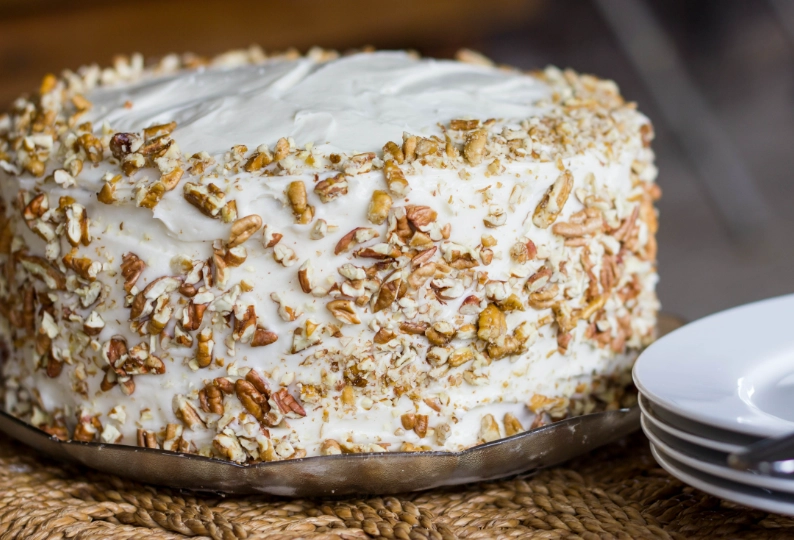
Common Pitfall Alert: Don't dump all the whipped whites in at once. The heavy batter will deflate them. The initial vigorous stir of the first portion is key to integrating them without losing volume.
Divide the batter evenly among the three prepared pans. Smooth the tops. Bake for 25-30 minutes, until a toothpick inserted in the center comes out clean. Ovens vary, so start checking at 22 minutes.
Let the cakes cool in the pans on a wire rack for 15 minutes. Then, run a knife around the edge and invert them onto the rack to cool completely. Completely. I mean it. Frosting a warm cake is a recipe for melted, sliding disaster.
Part 2: Crafting the Frosting & Assembly
While the cakes cool, make the frosting. In your mixer bowl, beat the room-temperature cream cheese and butter together until perfectly smooth and creamy, about 2 minutes. Scrape the bowl. Add the vanilla (and that pinch of salt). With the mixer on low, gradually add the sifted confectioners' sugar. Once incorporated, beat on medium-high for 2-3 minutes until it's very fluffy and spreadable. If it seems too soft, chill it for 15 minutes.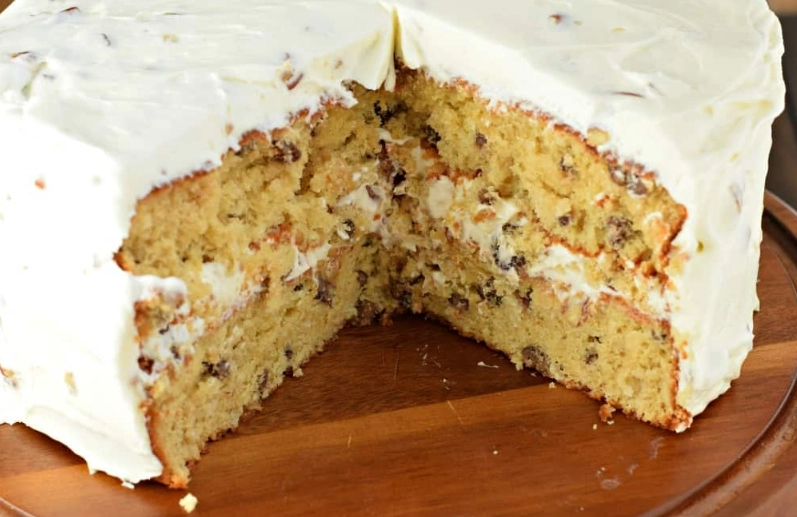
To assemble, place one cake layer on your serving plate. Spread a generous amount of frosting over the top. Add the second layer, more frosting, then the third layer. Apply a thin "crumb coat" of frosting over the entire cake—this is a thin layer that traps any loose crumbs. Chill for 20 minutes. Then, pile on the remaining frosting and swirl it beautifully over the top and sides. I like to press extra toasted pecans or coconut onto the sides for decoration and texture.
Your Italian Cream Cake Recipe FAQ & Troubleshooting
I get a lot of questions about this cake. Here are the ones that pop up most often.
Nutrition & Variations: Playing with the Formula
Let's be real, this isn't a health food. But knowing what's in it can be helpful. A standard slice provides energy from carbs and fats, with small amounts of protein. The pecans add healthy fats and a bit of fiber. For detailed nutritional breakdowns, resources like the USDA's FoodData Central can provide baseline data for individual ingredients like cream cheese and pecans.
Want to mix it up? Here are some ideas:
- Flour Substitutes: For a gluten-free version, use a 1:1 gluten-free all-purpose flour blend. I've had good results with brands that contain xanthan gum.
- Flavor Twists: Add a teaspoon of coconut or rum extract to the batter or frosting. A tablespoon of bourbon in the frosting is divine for an adult gathering.
- Different Shape: This batter works well for a 9x13-inch sheet cake. Just increase the baking time to 35-45 minutes.
Why This Recipe Works: The Science in a Nutshell
When you break it down, this italian cream cake recipe is a masterpiece of balance. The buttermilk and baking soda create a reliable rise and tender crumb. The fat from the butter, egg yolks, and nuts ensures moisture. The whipped egg whites lighten what would otherwise be a very heavy batter. The cream cheese frosting provides a tangy contrast that cuts through the sweetness, preventing what I call "sugar fatigue." Every element has a job.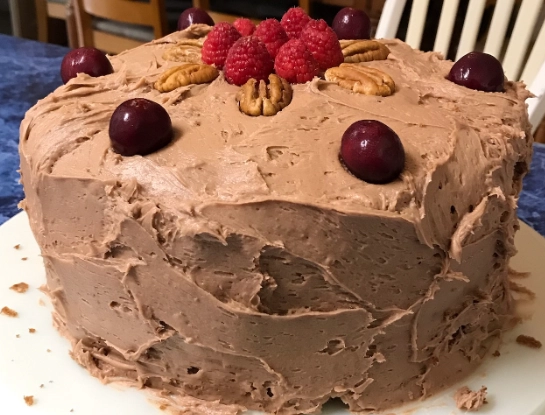
It's also a forgiving recipe. Even if your layers aren't perfectly level or your frosting swirls aren't Instagram-ready, the flavor will absolutely deliver. That's the beauty of home baking.
So, is it worth the effort? Making any layer cake from scratch is a project. But the process—the smell of toasting nuts, the satisfaction of whipping egg whites into glossy peaks, the final act of assembly—is half the joy. And the result is a spectacular, homemade dessert that tells everyone you cared enough to make something special. That's something a store-bought cake can never replicate.
Give this italian cream cake recipe a try. Embrace the mess, learn from any mistakes, and most importantly, share it with people you like. That's what good food is all about.
Related Articles

Authentic Italian Cocktail Recipes: From Classics to Modern Twists
Easy Pasta Salad Recipes with Italian Dressing for Crowd-Pleasing Meals
Simple Italian Regional Recipes: Authentic Dishes Made Easy
Ultimate Italian Recipes List: From Pasta to Desserts
Ultimate Guide to Vegetarian Italian Dinner Party Recipes