Craft Your Own Italian Seasoning Recipe: A Complete Guide to Homemade Flavor
Quick Navigation
Let's be honest. We've all done it. You're halfway through making a pasta sauce or sprinkling something on chicken, you grab that little glass jar of store-bought Italian seasoning, give it a shake, and... well, it's fine. It's not bad. But it's never amazing, is it? It smells a bit dusty, the flavor is one-dimensional, and you can never quite shake the feeling there's too much salt or some mysterious "anti-caking agent" in there.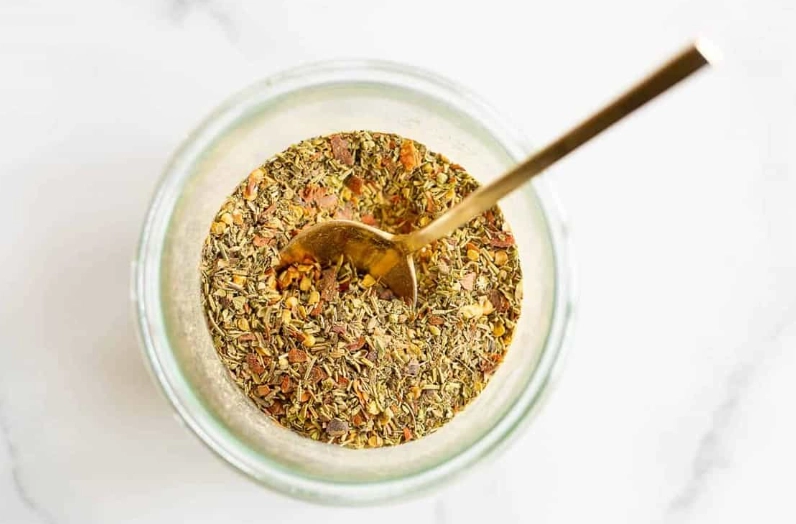
I used to be that person. Then, one day, my favorite brand changed its formula (why do they always do that?), and it just tasted wrong. That was the push I needed. I stared at my spice rack, full of individual jars of oregano, basil, and thyme, and had a simple thought: I can probably just mix these myself.
That first attempt at a DIY Italian seasoning recipe was a revelation. The aroma was vibrant, alive. The flavor was complex, with different herbs coming through at different times. And the best part? I controlled everything. Less salt? Done. More rosemary because I love it? Absolutely. It was a small act of kitchen rebellion that paid off in huge flavor dividends.
So, if you're tired of the bland, generic dust from a factory, stick with me. Crafting your own signature Italian seasoning blend is one of the easiest, most rewarding things you can do for your cooking. It takes minutes, saves money in the long run, and puts you in the driver's seat of flavor. This isn't about following one rigid rule—it's about understanding the players so you can build your own dream team.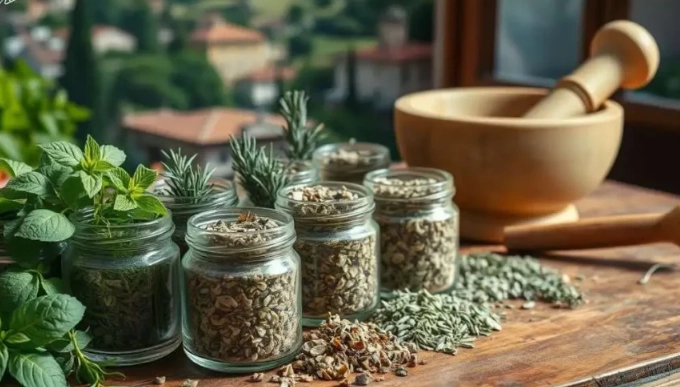
The Core Herbs: A Non-Negotiable Foundation
Think of a classic Italian seasoning recipe like a band. You've got your lead vocals, your rhythm section, and a couple of essential backing musicians. If you miss one of the key members, the whole sound falls apart.
Every reliable source on Italian cooking, from home cooks to authorities like Academia Barilla, agrees on a holy trinity of dried herbs. These are the backbone, and you really shouldn't skip them.
The Big Three
Oregano: This is the powerhouse, the assertive lead singer. It's earthy, slightly bitter, and pungent. It's what gives that immediate "Italian" hit. But a band with only a loud singer is annoying. You need balance.
Basil: The sweet, floral harmony. Dried basil loses the fresh, anise-like punch of its fresh counterpart, but it brings a gentle, sweet warmth that rounds out oregano's sharpness. It provides the aromatic top notes.
Marjoram: The unsung hero (or the brilliant bass player nobody notices until they're gone). It's in the oregano family but is sweeter, more delicate, and with a hint of citrus and pine. It bridges the gap between oregano's punch and basil's sweetness, creating a seamless flavor profile.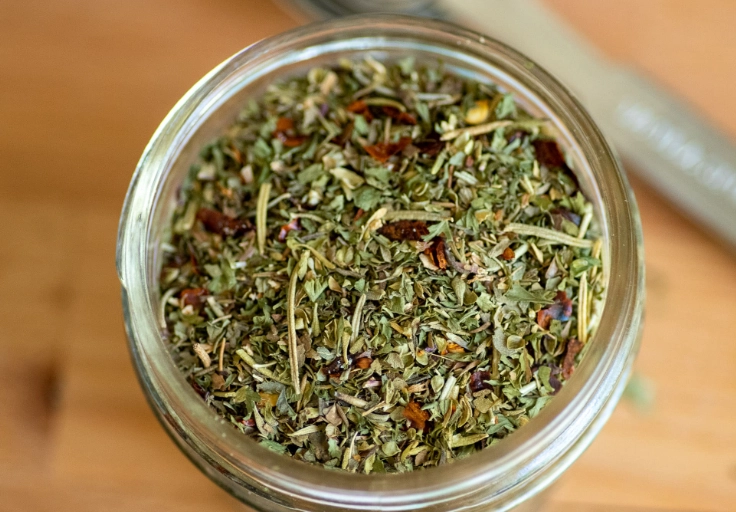
The Essential Support Crew
Now for the rhythm section. These herbs provide depth and complexity.
Thyme: Tiny leaves, mighty impact. It's earthy, slightly minty, and subtly lemony. Thyme adds a layer of sophistication and a grounding quality. It makes the blend taste more "complete."
Rosemary: Use this one with caution. It's the powerful drummer with heavy sticks. Rosemary is piney, resinous, and can completely dominate if you're heavy-handed. But in the right amount, it adds a wonderful woody, aromatic depth that's fantastic for heartier dishes.
Sage: This is an optional, but classic, member for many blends. It's earthy, slightly peppery, and a bit musky. A tiny pinch can add intrigue, but it's not for everyone. I find it can be overpowering in a general-purpose blend, so I often leave it out or add it specifically for poultry or pork recipes.
| Herb | Flavor Profile | Role in the Blend | Pro Tip |
|---|---|---|---|
| Oregano | Earthy, pungent, slightly bitter | The dominant, defining flavor | Greek oregano is often stronger than Italian; choose based on your preference. |
| Basil | Sweet, floral, slightly peppery | Adds sweetness and aromatic top notes | Dried basil loses potency fast. Make sure yours is vibrant green, not brown. |
| Marjoram | Sweet, delicate, hints of citrus/pine | Balances oregano, adds complexity | If you can't find it, use a tiny bit more thyme and basil, but seek it out for authenticity. |
| Thyme | Earthy, lightly minty & lemony | Adds grounding depth and sophistication | Rubbing dried thyme between your palms before adding releases more oils. |
| Rosemary | Piney, resinous, woody | Adds bold aromatic depth for hearty dishes | CRUSH IT FINELY. A whole rosemary needle in your blend is unpleasant. Powder it. |
See? It's not just "some herbs." Each one has a job. Once you know that, you're no longer following a recipe—you're conducting.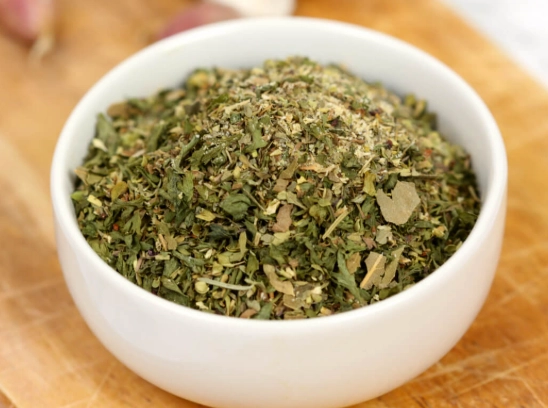
Crafting Your Masterpiece: Ratios, Rules, and Rebellion
Alright, you've got your herbs lined up on the counter. Now what? Do you just dump them in? Kind of, but with a plan.
Here's a rock-solid, classic starting point for your first homemade Italian seasoning recipe. This is your training wheels blend—balanced, versatile, and crowd-pleasing.
• 3 tablespoons dried oregano
• 3 tablespoons dried basil
• 2 tablespoons dried marjoram
• 1 tablespoon dried thyme
• 1 teaspoon finely crushed dried rosemary
• (Optional) 1/2 teaspoon rubbed dried sage
• 1 teaspoon garlic powder (not garlic salt!)
• 1 teaspoon onion powder
• (Optional) 1/2 teaspoon crushed red pepper flakes
• 1 teaspoon finely ground sea salt or kosher salt (adjust to taste)
• 1/2 teaspoon freshly ground black pepper
The method is laughably simple: Add everything to a clean, dry bowl. Whisk it gently or stir with a fork until it's completely and evenly mixed. That's it. Seriously. The hardest part is crushing the rosemary.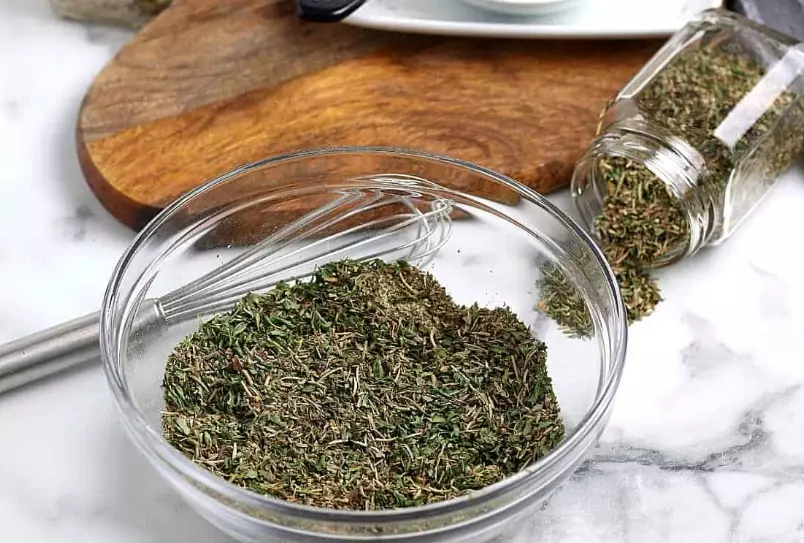
But here's where the magic happens. This recipe is a conversation starter, not a commandment.
Beyond the Basics: Building Blends for Purpose
Once you're comfortable, you can start tailoring your Italian seasoning recipe for specific jobs. This is the pro move.
The "Pizza & Pasta" Blend: This one can handle bold flavors. Boost the oregano and basil slightly. Add a full teaspoon of crushed red pepper flakes for a kick, and consider a tiny pinch of fennel seeds (crushed) for that classic sausage-like aroma.
The "Chicken & Fish" Blend: Go lighter on the pungent oregano. Emphasize the thyme, marjoram, and maybe a touch more lemon zest (if using). Skip or reduce the rosemary, as it can overpower delicate proteins. This is a good place for that optional sage if you like it.
The "Roasted Vegetable" Blend: Rosemary shines here! Up the rosemary and thyme. Add a bit more garlic powder and black pepper. The hearty, woody herbs can stand up to the caramelization of roasted veggies like potatoes, carrots, and mushrooms.
You get the idea. The jar from the store can't do this. It's one flavor for all situations. Your homemade blend can be as specialized as you are.
The Nuts, Bolts, and Why It Matters: Storage & Ingredients
You've mixed this beautiful, fragrant blend. Now you have to keep it that way. This might be the most important section here. A great homemade Italian seasoning recipe can be ruined in a week by bad storage.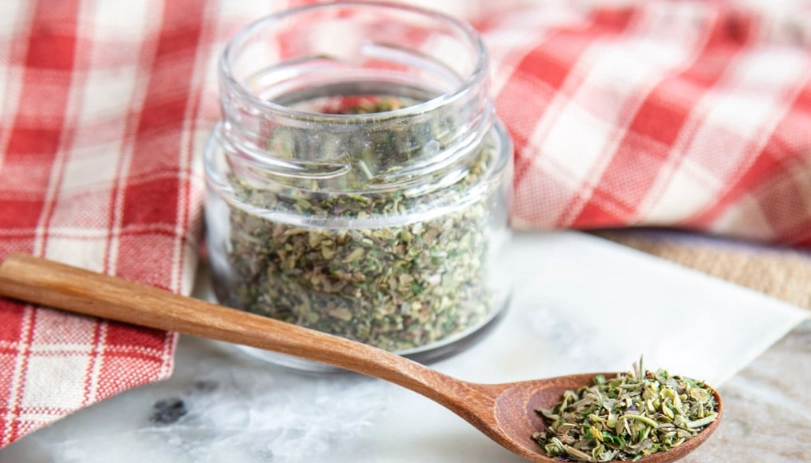
Dried herbs and spices are fragile. Their enemies are light, heat, air, and moisture. The clear glass jar on the rack next to your stove? That's the spice equivalent of a torture chamber.
The right way is simple:
- Use a small, airtight container. A small glass jar with a tight-sealing lid (like a 4-ounce mason jar) is perfect. You want to minimize empty air space.
- Keep it in a cool, dark place. A cupboard away from the oven or stove is ideal. Not on the counter, not in a rack by the window.
- Label and date it. Write "Italian Blend" and the date you made it. Even stored perfectly, your homemade mix will be at its peak for about 3-4 months. After that, it won't be bad, just less vibrant. You'll use it up way before then anyway.
Speaking of ingredients, quality in equals flavor out. If you start with dusty, old herbs that have been in your cabinet since 2018, your blend will taste like 2018. Give your individual herb jars a sniff. If they don't smell like much, they won't taste like much.
For sourcing, buying bulk dried herbs from a store with high turnover (like a natural foods co-op or a specialty spice shop) is often fresher and cheaper than the little bottled brands at the supermarket. The USDA doesn't regulate spice shelf-life, but their general food safety principles underscore the importance of proper storage to maintain quality and safety.
Trust me, using fresh dried herbs is the difference between a good blend and a "wow, what is in this?" blend.
From Jar to Jar: How to Actually Use This Stuff
So you have this gorgeous jar of homemade Italian seasoning. Now what? You use it... on everything. But to get the most out of it, think beyond just sprinkling.
The Flavor Infusion Principle: Herbs release their oils best in the presence of fat and heat. For maximum impact, don't just add your Italian seasoning recipe blend at the end. Cook it.
- For Sauces & Soups: Add a teaspoon or two to your olive oil at the beginning, right after sautéing onions/garlic. Let it sizzle gently for just 30 seconds before adding tomatoes or broth. That "blooms" the herbs, releasing a deep, rounded flavor into the entire dish.
- For Meats & Veggies: Mix your blend with a little olive oil to form a paste. Rub it on chicken breasts, pork chops, or cauliflower steaks and let it marinate for 30 minutes before roasting or grilling. The oil carries the flavor into the food.
- As a Finishing Touch: Of course, a light sprinkle over finished pizza, pasta, or scrambled eggs is fantastic too. Keep a small shaker of the blend (without salt added) on the table for this purpose.
How much to use? Start with about 1 teaspoon per pound of meat or per 24 oz jar of pasta sauce. You can always add more, but you can't take it out. Remember, your homemade blend is likely more potent than the store-bought stuff, so you might need less than you're used to.
Your Italian Seasoning Recipe Questions, Answered
Can I use fresh herbs instead of dried?
You can, but it's a different product with a different use. A dried Italian seasoning recipe is a shelf-stable pantry staple for cooking. Fresh herbs are best used separately, added at the end of cooking. The flavor ratios are also totally different—dried herbs are more concentrated. If you tried to make this blend with fresh herbs and store it, it would mold. Keep them separate.
What's a good substitute for marjoram? I can't find it.
This is the most common dilemma. The closest substitute is a combination of a little more thyme and a little more basil. Some say use oregano, but I find that makes the blend too harsh. Try 1 part extra thyme + 1/2 part extra basil for the missing marjoram. But really, try to find marjoram online or at a specialty store—it makes a difference.
Why add garlic and onion powder? Isn't that cheating?
Not at all. Think of them as flavor enhancers and conveniences. When you're making a quick weeknight dish, having those savory, allium notes already integrated into your blend is a timesaver. Just make sure you use powder, not salt. You want to control your salt separately. If you prefer, you can leave them out and add fresh garlic and onion to your dish separately.
My blend tastes bitter. What went wrong?
Two likely culprits: 1) Your oregano is too old or is a very strong, bitter variety (like some Greek oreganos). Try using less oregano next time or seek out a milder "Italian" oregano. 2) You added the rosemary in big pieces instead of crushing it to a near-powder. Whole rosemary needles can taste resinous and bitter.
Is it really cheaper to make my own?
Upfront, no. Buying seven individual jars of herbs costs more than one jar of pre-mix. But in the long run, absolutely. Those individual jars last for many, many batches of your homemade Italian seasoning recipe. The cost per batch plummets. Plus, you have all those individual herbs to use in other recipes, expanding your cooking repertoire. It's an investment in your kitchen's flavor potential.
The Final Shake
Look, at the end of the day, cooking is about control. Control over what goes into your body, control over flavors you love, and control over making your kitchen work for you. A store-bought Italian seasoning recipe takes that control away. It gives you a generic, often salt-heavy, sometimes stale product and says, "This is what Italian tastes like."
Making your own gives that control back. It lets you decide if you want it more floral, more earthy, or with a spicy kick. It lets you skip the additives and cut the salt. It turns a mundane ingredient into a personal culinary signature.
The process itself is almost therapeutic. Measuring, smelling, tasting, adjusting. It connects you to your food in a way ripping open a plastic packet never will.
So give it a shot this weekend. Take 10 minutes. Mix up a small batch using the classic ratios. Smell it. Taste it. Then cook with it. I'll bet you a jar of the old stuff that you never go back.
Your pasta sauce, your roasted chicken, your garlic bread—they're all waiting for an upgrade. And it's sitting right there in your spice cabinet, just waiting to be mixed.
Related Articles
Italian Seasoning Without Marjoram: A Complete Recipe & Guide

Amazon on the fire
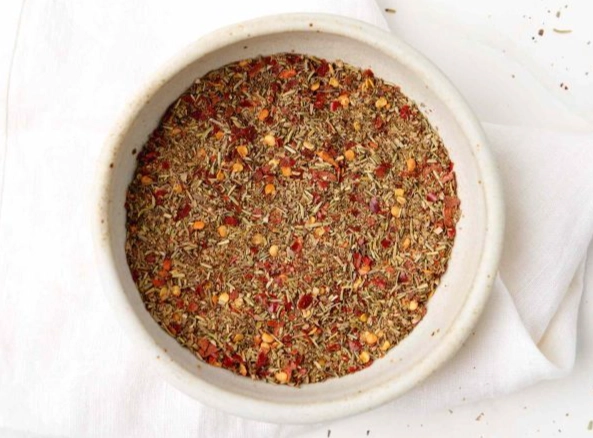
Unlock Flavor: 5 Essential Italian Seasoning Recipes & Pro Tips

Rescue the market requires real money, not IPO suspension
Authentic Pasta Carbonara Recipe: The Real Italian Way