Authentic Italian Soup Recipes: Classic Dishes & Pro Tips
What You'll Find in This Guide
When I first tried making Italian soup, I ended up with a bland, watery mess. It tasted nothing like the robust bowls I'd had in Rome or Florence. Turns out, I was missing a few key tricks—things most recipes don't spell out. Italian soups aren't just about throwing vegetables in a pot; they're layered, hearty dishes that comfort you from the inside out. In this guide, I'll share the authentic recipes and pro techniques I've picked up over years of trial and error, so you can skip my mistakes and cook like an Italian nonna from day one.
The Classics: 3 Italian Soups You Can't Miss
Let's cut to the chase. If you're new to Italian soups, start with these three. They're staples across regions, and each tells a story of simplicity and depth.
Minestrone – More Than Just Vegetables
Minestrone is that versatile veggie-packed soup everyone thinks they know, but most versions are too thin or overcooked. The real deal? It's thick, seasonal, and changes with what's fresh. I learned this the hard way when I used frozen peas and mushy carrots—it turned out soggy. Here's how to do it right.
Authentic Minestrone Recipe (Serves 6)
Prep time: 20 minutes | Cook time: 40 minutes
Ingredients: 2 tbsp olive oil, 1 onion (chopped), 2 carrots (diced), 2 celery stalks (diced), 2 cloves garlic (minced), 1 zucchini (diced), 1 cup green beans (trimmed), 1 can (14 oz) diced tomatoes, 1 cup cooked cannellini beans, 6 cups vegetable broth, 1 cup small pasta like ditalini, salt, pepper, fresh basil.
Steps: Heat oil in a large pot over medium-low. Add onion, carrots, celery—that's your soffritto. Cook for 10 minutes until soft, not brown. Stir in garlic for 30 seconds. Add zucchini and green beans, cook 5 minutes. Pour in tomatoes and broth, bring to a simmer. After 20 minutes, add beans and pasta. Cook until pasta is al dente, about 8-10 minutes. Season with salt, pepper, and basil. Serve with grated Parmesan.
Pro tip: Don't add the pasta until the end; it soaks up broth and gets bloated if left too long. Also, use seasonal veggies—swap zucchini for pumpkin in fall.
Ribollita – Tuscan Bread Soup
Ribollita means "reboiled," and it's a clever way to use stale bread and leftovers. I once made it with fresh bread, and it dissolved into a gluey paste—not good. You need day-old crusty bread to hold up.
Simple Ribollita Recipe (Serves 4)
Prep time: 15 minutes | Cook time: 50 minutes
Ingredients: 3 tbsp olive oil, 1 onion (chopped), 2 carrots (diced), 2 celery stalks (diced), 1 bunch kale (chopped), 1 can (14 oz) crushed tomatoes, 4 cups vegetable broth, 1 cup cooked borlotti beans, 4 slices stale Tuscan bread, salt, pepper.
Steps: In a pot, heat oil and cook onion, carrots, celery for 10 minutes on low. Add kale, cook until wilted. Stir in tomatoes and broth, simmer 30 minutes. Mash half the beans and add to pot with whole beans. Tear bread into chunks and stir in. Cook 10 more minutes until thick. Let it sit overnight—the flavor deepens. Reheat before serving with a drizzle of olive oil.
Pasta e Fagioli – Comfort in a Bowl
This is the ultimate cozy soup, but many recipes end up too watery or too starchy. The trick? Balance the pasta and beans so it's hearty but not gloppy. I've seen folks use too much pasta, and it turns into a stew.
Hearty Pasta e Fagioli Recipe (Serves 4)
Prep time: 10 minutes | Cook time: 25 minutes
Ingredients: 2 tbsp olive oil, 1 onion (chopped), 2 oz pancetta (diced, optional), 2 cloves garlic (minced), 1 can (14 oz) crushed tomatoes, 4 cups chicken or vegetable broth, 1 cup cooked ditalini pasta, 1 can (14 oz) cannellini beans (drained), salt, pepper, rosemary.
Steps: Heat oil in a pot, add pancetta if using, cook until crisp. Remove, then cook onion in the fat for 5 minutes. Add garlic, cook 1 minute. Pour in tomatoes and broth, bring to a boil. Add pasta and cook until al dente, about 8 minutes. Stir in beans and pancetta, heat through. Season with salt, pepper, and a pinch of rosemary.
The Soffritto Secret: How to Build Flavor Like a Nonna
Here's where most home cooks mess up. Soffritto isn't just chopping veggies—it's slowly cooking them in olive oil until they melt into a sweet, aromatic base. I used to rush this step, and my soups tasted flat. According to the Italian Culinary Institute, soffritto is the foundation of over 80% of Italian savory dishes. Think of it as building a house: skip the foundation, and everything collapses.
Do this: Dice one onion, two carrots, and two celery stalks finely. Heat a couple tablespoons of good olive oil (not extra-virgin for cooking—use regular olive oil) in your pot over low heat. Add the veggies and a pinch of salt. Cook for 10-15 minutes, stirring occasionally, until they're soft and fragrant, not browned. That's it. This simple step adds a depth you can't get from bouillon cubes or shortcuts.
My nonna friend Maria in Sicily laughs when she sees people fry soffritto on high heat. "You're making burnt soup," she says. Low and slow is the mantra.
A Practical Weeknight Plan: Italian Soups for Busy Cooks
Who has hours to cook? Not me. Here's a table to help you plan Italian soups into your week. These are based on my own kitchen tests—realistic times and ingredients.
| Soup | Prep Time | Cook Time | Key Ingredients | Best For |
|---|---|---|---|---|
| Minestrone | 20 min | 40 min | Seasonal veggies, beans, pasta | Quick dinner, veggie-packed |
| Ribollita | 15 min | 50 min | Kale, beans, stale bread | Meal prep, make-ahead |
| Pasta e Fagioli | 10 min | 25 min | Pancetta, pasta, tomatoes | Family meal, comfort food |
| Stracciatella (egg drop soup) | 5 min | 10 min | Eggs, Parmesan, broth | Ultra-fast lunch |
Notice how stracciatella is included? It's a Roman classic that takes minutes—beat an egg with grated Parmesan, swirl into hot broth, and you're done. Perfect for when you're sick or just tired.
I use this plan every winter. On Sundays, I make a big pot of ribollita, store it without bread, and reheat portions during the week. It saves me from takeout.
Oops, I Ruined My Soup! Common Pitfalls and Fixes
We've all been there. Soup too salty? Too thin? Here are fixes I've learned through cringe-worthy experiments.
Too salty: Add a peeled potato or a handful of uncooked pasta. Simmer for 10-15 minutes—they absorb excess salt. Then remove them before serving. I did this once with minestrone, and it saved dinner.
Too thin: Mash some of the beans or potatoes right in the pot. For creamier texture, blend a cup of soup and stir it back in. Avoid flour or cornstarch; it makes Italian soups taste pasty.
Vegetables mushy: You overcooked them. Next time, add hardy veggies like carrots early, but delicate ones like zucchini or spinach in the last 5 minutes. I ruined a batch by adding everything at once—lesson learned.
Lacking flavor: Did you skim on the soffritto? Or maybe your broth was weak. Use homemade broth if possible, or enhance store-bought by simmering with a Parmesan rind for 20 minutes. That rind trick is gold—it adds umami without salt.
Your Italian Soup Questions, Answered
Italian soups are more than recipes—they're a way to bring warmth to your table. Start with the classics, master the soffritto, and don't be afraid to adapt. Have a soup disaster story? I'd love to hear it. Now go grab that pot and get cooking.
Related Articles
Traditional Italian Dishes Recipes: Cook the Classics Like Nonna

Ultimate Guide to Vegetarian Italian Dinner Party Recipes
Top 10 Italian Chicken Dishes You Must Try
Authentic Italian Chicken Cacciatore Recipe: A Hunter's Stew
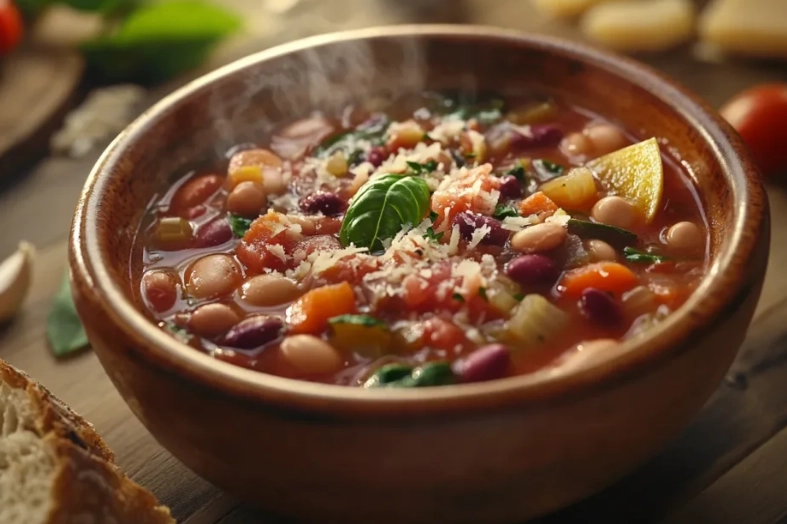
Authentic Italian Minestrone Soup Recipe (Vegetarian) - Hearty & Classic