Italian Baked Dishes Recipes: From Classic Lasagna to Rustic Focaccia
Quick Navigation
- The Classics: Italian Baked Dishes Recipes You Absolutely Need to Know
- Beyond Pasta: Essential Baked Sides and Breads
- The Backbone: Ingredients That Make or Break Your Italian Baked Dishes Recipes
- Technique is Everything: Baking Secrets for Perfect Results
- Answering Your Burning Questions: Italian Baked Dishes FAQ
- Putting It All Together: A Simple, Foolproof Roadmap
Let's talk about comfort food. Not just any comfort food, but the kind that fills your kitchen with smells so good your neighbors might get jealous. I'm talking about Italian baked dishes recipes. There's something magical about sliding a dish into the oven and pulling out a bubbling, golden-brown masterpiece an hour later. It's not just dinner; it's an event.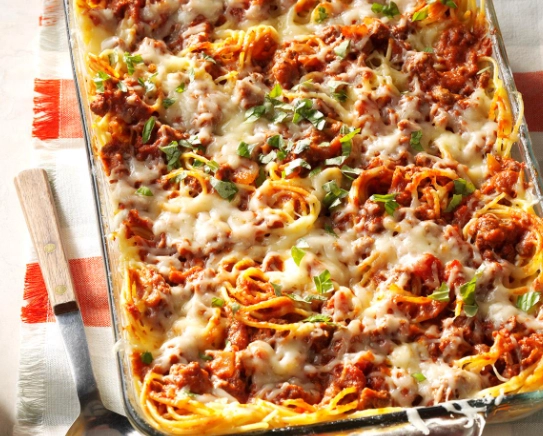
I remember the first time I tried to make a proper baked ziti. Let's just say it was... soupy. The pasta swam in a sad sea of sauce, and the cheese refused to brown properly. It was edible, sure, but it wasn't the glorious, hearty bake I was dreaming of. That failure sent me down a rabbit hole. I talked to friends whose nonnas dropped wisdom, I read old cookbooks, and I made a lot of mediocre (and sometimes downright bad) casseroles. But you learn from the mistakes, right?
This guide is the result of all that. It's not just a list of recipes. It's the *why* behind them. Why certain cheeses melt better. Why resting the lasagna isn't optional if you want clean slices. Why your focaccia might be dense. We're going deep on the techniques that turn simple ingredients into legendary meals. Whether you're looking for a show-stopping Sunday dinner centerpiece or a simple weeknight baked pasta, understanding the principles is your ticket to success.
The Classics: Italian Baked Dishes Recipes You Absolutely Need to Know
You can't talk about this topic without starting with the heavy hitters. These are the dishes that define the category. They're beloved for a reason—they're incredibly satisfying and often surprisingly simple in their ingredient list. The complexity comes from technique and timing.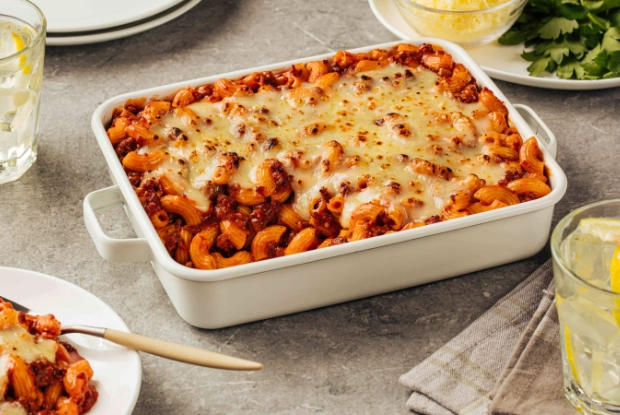
Lasagna: The Layered King
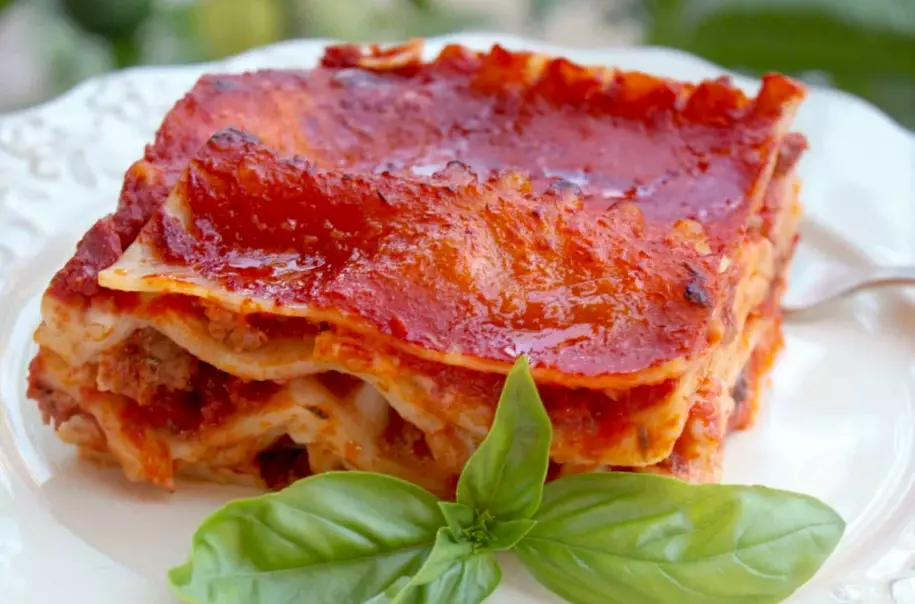
This is the Mount Everest of Italian baked dishes recipes for many home cooks. It seems straightforward—pasta, sauce, cheese, repeat—but getting those layers perfect is an art. The biggest mistake? A watery lasagna. Nobody wants a lasagna soup.
The Non-Negotiable Layers (in order from the bottom up):
- A thin smear of sauce: Just enough to coat the dish and prevent sticking. Don't drown it here.
- Pasta sheets: No-boil sheets are a fantastic modern shortcut, but if you use fresh or pre-boiled, pat them dry. Water is the enemy.
- The Ricotta Layer: This is where personality comes in. Mix whole-milk ricotta with an egg, a handful of grated Parmigiano-Reggiano, salt, pepper, and maybe a pinch of nutmeg. Some add parsley. My personal twist? A tiny bit of lemon zest. It brightens the whole thing up.
- Meat Sauce (Ragù): Use a thick, hearty ragù that's been simmered for hours. A runny bolognese will ruin the structure. Drain it well before spooning it over the ricotta.
- Cheese: A generous sprinkle of shredded low-moisture mozzarella (for that epic stretch) and more Parmigiano.
Then you repeat. The top layer should always be pasta, a final layer of sauce, and a heavy blanket of cheese. That cheese is your armor—it protects the pasta underneath from drying out and gets gloriously crisp and browned.
Bake it until it's bubbling violently around the edges and the top is spotty brown. Here's the hardest part: LET IT REST. I know, the smell is torture. But if you cut into it straight from the oven, it will slump into a cheesy puddle. Wait 20-25 minutes. It will still be piping hot, but the layers will have set, and you'll get those beautiful, clean squares.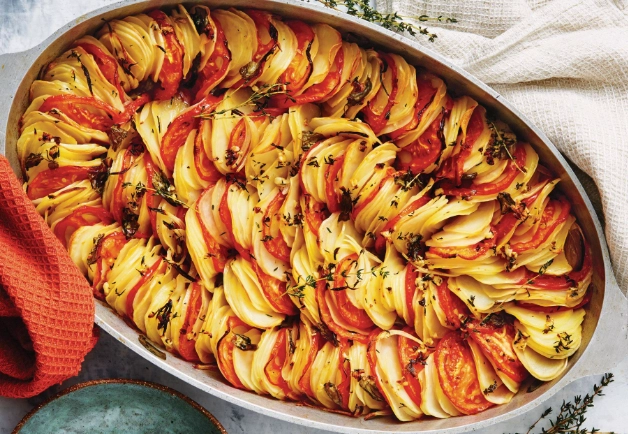
Chicken (or Eggplant) Parmigiana: The Crispy-Tender Marvel
Parmigiana is a study in contrasts. Crispy, breaded protein gives way to a tender interior, all softened slightly by warm sauce and melted cheese. It's a perfect Italian baked dish recipe for a crowd.
The secret is in the fry. You're not fully cooking the chicken or eggplant in the oil; you're just setting the crust and giving it color. The final cooking happens in the oven, where the flavors meld. For eggplant, salting slices and letting them weep for 30 minutes is crucial. It draws out bitterness and excess water, ensuring your crust stays crisp. For chicken, pound it to an even thickness. Uneven cutlets mean some parts will be overcooked and dry while others are still raw.
Assembly is simple: a little sauce in the bottom of the dish, then your fried cutlets in a single layer, a spoonful of sauce on each (don't smother them—you want the crust to stay somewhat distinct), and a generous mound of shredded mozzarella and Parmigiano. Bake just until the cheese is molten and bubbly. Overbaking leads to tough chicken.
Baked Pasta Shapes: The Weeknight Heroes
This is where Italian baked dishes recipes get flexible and fun. Ziti, rigatoni, penne, shells—they all work. The principle is universal: par-cook the pasta, mix it with a robust sauce and other goodies, top with cheese, and bake. The pasta finishes cooking in the sauce, absorbing all its flavor.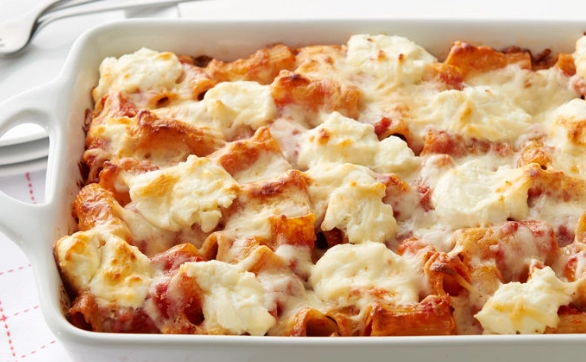
| Pasta Shape | Why It Works for Baking | Classic Pairing |
|---|---|---|
| Ziti/Rigatoni | Large tubes hold chunky meat sauces and ricotta beautifully. Their ridges catch and hold sauce. | Sausage and ricotta, with a tomato sauce and provolone. |
| Penne | Smaller than ziti but with the same sauce-grabbing properties. Great for quicker bakes. | Arrabbiata sauce, cubes of mozzarella, and basil. |
| Conchiglie (Shells) | The ultimate vessel for stuffing. Each shell becomes a little package of flavor. | Stuffed with a spinach and ricotta mixture, topped with marinara. |
| Mafaldine/Lasagnette | Ribbon pasta with ruffled edges. Creates beautiful, layered texture similar to lasagna but easier to assemble. | A rich meat ragù and béchamel sauce. |
My go-to for a fast dinner? I call it "Clean-Out-The-Fridge Baked Pasta." Cook some rigatoni until just shy of al dente. Sauté any veggies you have (onions, peppers, mushrooms, wilted spinach). Toss the pasta and veggies with a jar of decent marinara (I'm not a snob—a good jarred sauce is a lifesaver), maybe some leftover cooked sausage or chicken. Dump it in a dish, top with whatever cheese is in the drawer (mozzarella, cheddar, a bit of parm), and bake at 400°F until it's hot and the cheese is melted. Dinner in under 45 minutes, and it always feels more special than just boiled pasta with sauce.
Beyond Pasta: Essential Baked Sides and Breads
A meal of Italian baked dishes recipes isn't complete without the supporting cast. These items turn a main course into a feast.
Focaccia: The Olive Oil-Soaked Pillow
Good focaccia is a revelation. It should be crisp on the bottom and edges, tender and airy inside, and richly flavored with olive oil and salt. It's one of the simplest breads to make—no intricate shaping required. The key is a high-hydration dough (it will be sticky) and a long, slow rise for flavor development. Don't be shy with the olive oil in the pan. That's what fries the bottom to crispy perfection. Use your fingertips to dimple the dough deeply right before baking, creating pools for more oil and coarse salt. You can top it with rosemary, sliced onions, cherry tomatoes, or just keep it plain.
Baked Polenta and Risotto
Yes, you can bake risotto! It's not exactly the same as the traditional stir-for-20-minutes method, but it's hands-off and produces a deliciously creamy result. Sauté your aromatics (onion, garlic) in an ovenproof pot, add the rice, toast it for a minute, add wine, then add your broth and other ingredients. Cover and bake. Stir in cheese and butter at the end. For polenta, baking eliminates the constant stirring and sputtering. Combine water or milk, cornmeal, and salt in a baking dish, stir, and bake. Stir in cheese and butter halfway through and again at the end. Both methods are forgiving and great for feeding a group.
The Backbone: Ingredients That Make or Break Your Italian Baked Dishes Recipes
You can follow a recipe to the letter, but if your ingredients are mediocre, your results will be too. This isn't about being elitist; it's about understanding what each component brings to the party.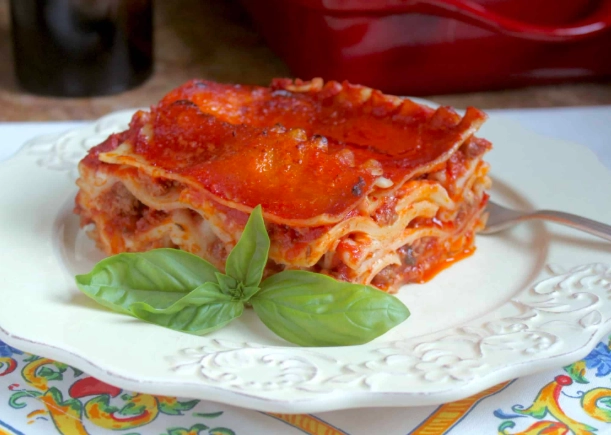
Cheese: The star of most Italian baked dishes recipes. Not all cheese is created equal for baking.
- Mozzarella: For that iconic stretch, you need low-moisture, whole-milk mozzarella. The fresh balls in water are wonderful for salads or pizza Margherita, but they release too much water when baked. Pre-shredded bags often contain anti-caking agents (like potato starch) that can make your sauce grainy and prevent smooth melting. Buy a block and shred it yourself. It's a few extra minutes that make a world of difference.
- Parmigiano-Reggiano or Pecorino Romano: The flavor bombs. Parmigiano is nutty and complex; Pecorino (made from sheep's milk) is saltier and sharper. Use them generously for seasoning. The pre-grated powder in green cans bears little resemblance to the real thing. Invest in a wedge and grate it as needed.
- Ricotta: Seek out whole-milk ricotta. Part-skim can be grainy and bland. For an ultra-smooth filling, some people push ricotta through a sieve or whip it in a food processor.
Tomatoes: The foundation of so many sauces. For a baked dish where the sauce will concentrate, use the best you can find.
- Canned Whole San Marzano Tomatoes: The gold standard. They're sweeter, less acidic, and have fewer seeds. Look for the DOP certification and the "Pomodoro S. Marzano dell'Agro Sarnese-Nocerino" seal to ensure authenticity. Crush them by hand for a rustic texture.
- Tomato Passata: Smooth, strained puree. It's a great base for a quick, smooth sauce.
- Tomato Paste: Your secret weapon for depth. Sauté it for a minute in olive oil until it darkens slightly (this cooks out the raw metallic taste and caramelizes the sugars) before adding other liquids.
Herbs: Dried oregano and basil have their place, especially in long-cooked sauces where their flavor concentrates. But fresh herbs are non-negotiable as a finishing touch. A chiffonade of fresh basil stirred into a ricotta mixture or scattered over a baked dish just before serving adds a vibrant, aromatic lift that dried herbs can't match.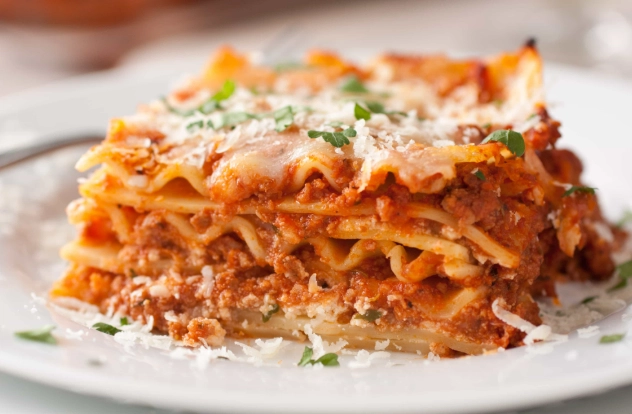
Technique is Everything: Baking Secrets for Perfect Results
Great Italian baked dishes recipes rely on a few universal techniques. Master these, and you can improvise with confidence.
The Pre-Cook (or Not) for Pasta.
Always undercook your pasta by 2-3 minutes less than the package's al dente time. It will finish cooking in the oven, absorbing the sauce. If you start with fully cooked pasta, you'll end up with mush.
The Sauce Consistency.
Your sauce should be thicker than you'd use for dressing boiled pasta. Remember, moisture from the pasta, cheese, and vegetables will release during baking. A sauce that seems perfect in the pot will become too loose in the oven. Simmer it down until it coats the back of a spoon heavily.
The Cheese Strategy.
Layer cheese *within* the dish for pockets of gooeyness, and always have a substantial layer *on top*. The top layer protects the ingredients underneath from drying out and creates that irresistible browned crust. Mixing cheeses (like mozzarella for melt and fontina for flavor) can create complex results.
Resting is Part of Cooking.
I've said it before, but it's the number one reason baked pastas and lasagnas fall apart. Let the proteins relax and the starches set. It makes serving easier and improves the texture dramatically.
Answering Your Burning Questions: Italian Baked Dishes FAQ
Putting It All Together: A Simple, Foolproof Roadmap
Feeling inspired but overwhelmed? Don't be. Here's a basic blueprint you can adapt to almost any Italian baked dishes recipes you want to try.
- Prep Your Ingredients: Grate cheeses, chop vegetables, make or heat your sauce. Get everything ready before you start assembling. It makes the process calm and enjoyable.
- Cook Your Pasta/Protein: Par-cook pasta. Brown meat or fry/roast vegetables. Don't fully cook anything that will see the oven.
- Build in Layers: Start with a thin base of sauce. Then alternate your main ingredients (pasta, vegetables, meat), sauce, and internal cheese. End with a final layer of your main ingredient, a thin layer of sauce, and a generous top layer of cheese.
- Bake with Purpose: Preheat your oven fully. Bake until the center is hot (you should see active bubbles), the edges are crispy, and the top is golden brown. Use the visual and auditory cues (the sound of bubbling) more than a strict timer.
- Rest and Serve: Let it sit. This is when you toss a salad, pour the wine, and set the table. Then, dig into your creation.
The beauty of Italian baked dishes recipes lies in their generosity and flexibility. They are meant to be shared, to be adaptable to what you have on hand, and to fill your home with warmth. They might seem complex, but they're built on simple, timeless principles. Start with a classic, master the technique, and then make it your own. That's how family food traditions are born. Now, go preheat that oven.
Related Articles

Microsoft hollowed out AI unicorn Inflection AI and paid 650 million US dollars
Authentic Pasta Carbonara Recipe: Original Italian Method (No Cream!)
The Heart of Italy on Your Plate: Timeless Traditional Italian Recipes & Kitchen Wisdom

Best Italian Cocktails: From Classic Negroni to Modern Aperitivo
Best Italian Dessert Recipes: Classics & Regional Gems