Authentic Italian Dessert Recipes: From Tiramisu to Cannoli
Quick Guide to What's Inside
Let's be honest, you've probably had a "Tiramisu" at a restaurant that tasted more like sweetened cardboard than the cloud-like, coffee-kissed marvel it's supposed to be. I know I have. It's frustrating, right? You get this image in your head of a perfect dessert from a trattoria in Rome, but the reality often falls flat. That's why I spent a good chunk of last year digging into authentic Italian dessert recipes, talking to friends from Sicily to Milan, and burning more than a few batches of zabaglione to figure out what makes these sweets tick. This isn't about fancy, impossible-to-make showpieces. It's about the soul-satisfying, surprisingly simple desserts that are the real backbone of Italian dolci culture.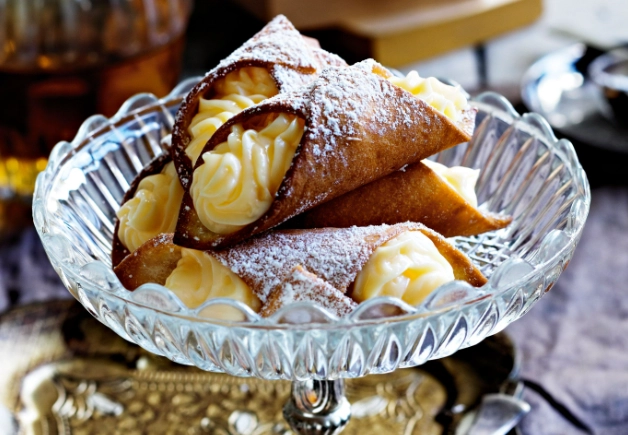
What you'll find here is a collection of those recipes, but more importantly, the why behind them. The little tricks. The non-negotiable ingredients. The common mistakes that turn greatness into mediocrity. We're going beyond just a list of instructions. If you want to understand Italian dessert recipes inside and out, you're in the right place.
The Classics You Absolutely Need to Know
These aren't just desserts; they're institutions. Getting these right is your foundation. Each one teaches you a fundamental technique in the Italian pastry playbook.
Tiramisu: The Undisputed King
We might as well start at the top. The name means "pick me up," and a good one certainly does. The magic lies in the balance—bitter coffee, sweet mascarpone, a hint of booze, and those ethereal layers. The biggest mistake? Using whipped cream to bulk up the mascarpone filling. Just don't. It becomes a mushy, overly sweet mess. The authentic texture comes from whipping the mascarpone with eggs and sugar until it's just stabilized and silky.
Here's the core of a real Tiramisu recipe:
- Mascarpone: This is non-negotiable. It's a fresh, spreadable cheese, not a cream cheese substitute. Look for the real thing. The Italian Ministry of Agricultural, Food and Forestry Policies even grants a Protected Designation of Origin (PDO) status to "Mascarpone Lombardo," highlighting its regional importance. Get the best you can find.
- Coffee: Strong, cooled espresso. No instant granules pretending to be coffee. The bitterness is crucial to cut the richness.
- Savoiardi (Ladyfingers): The dry, crunchy kind. They're meant to be dipped quickly—a literal in-and-out—so they soften but don't disintegrate into soggy paste.
- Eggs: Raw eggs are traditional. If that worries you, you can make a zabaglione (an egg yolk custard cooked over a bain-marie) with the yolks and sugar first, which is actually a fantastic upgrade.
Panna Cotta: The Silky Queen of Simplicity
If Tiramisu is the lively party host, Panna Cotta is the elegant, quiet guest. "Cooked cream" is the literal translation, and that's essentially it. Cream, sugar, gelatin, and flavoring. Its beauty is in its pure, wobbly texture. The trick is all in the gelatin bloom and gentle heating. Too much gelatin and it's a rubbery puck; too little and it's a puddle.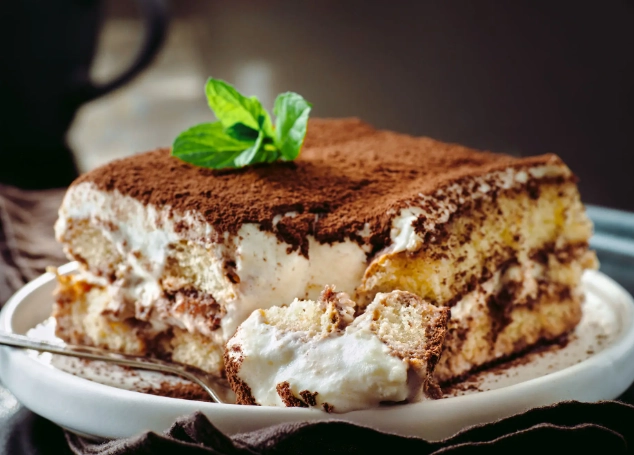
A perfect panna cotta should shiver on the plate, not stand stiff. Vanilla bean is the classic, but a drizzle of aged balsamic vinegar or a berry coulis takes it to another level. It's one of the most forgiving Italian dessert recipes for beginners, as long as you measure the gelatin carefully.
Cannoli: The Crispy, Creamy Tube of Joy
This is a project, I won't lie. But breaking it down makes it manageable. It's really two components: the shell and the filling. You can absolutely buy pre-made shells, but frying them yourself? The flavor difference is night and day. They're lighter, more fragrant, and shatter with the perfect crunch.
The filling is where many go wrong. It's not just sweetened ricotta. You need to drain your ricotta for hours, even overnight, in cheesecloth to get rid of excess whey. Otherwise, you'll have a wet filling that makes the shell soggy in minutes. Then you fold in powdered sugar, maybe some chocolate chips or candied fruit. Fill them only when you're ready to serve. This is the golden rule of authentic cannoli.
Zabaglione (Sabayon): The Warm, Boozy Foam
This is less a standalone dessert and more a technique and a sauce. Egg yolks, sugar, and Marsala wine whipped vigorously over a pot of simmering water until they triple in volume into a warm, frothy, luxurious cloud. It's magic in a bowl. Serve it over berries, with biscuits for dipping, or just by the spoonful. It teaches you the crucial skill of controlling heat while whipping eggs—a skill that translates to so many other desserts.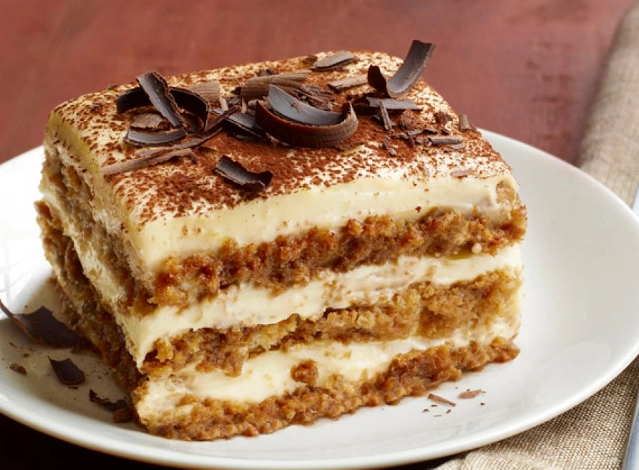
Beyond the Classics: Regional Gems
Italy's dessert map is incredibly regional. Here are a couple of stars that deserve more attention.
Torta Caprese (Flourless Chocolate & Almond Cake): From the island of Capri, this is a gluten-free dream come true. It's dense, moist, and intensely chocolatey, relying on ground almonds and melted chocolate. It often has a slightly gooey center. It's foolproof and incredibly impressive.
Pastiera Napoletana (Neapolitan Easter Tart): This is a celebration in a tart shell. A filling of cooked wheat berries, ricotta, candied citrus, and orange blossom water encased in a shortcrust pastry. The flavor is complex, floral, and uniquely textured. It's a labor of love, but it's the definition of a special occasion dessert.
The Italian Dessert Pantry: Your Secret Weapons
You can't build a great dish without great ingredients. This isn't about being snobby; it's about respecting the recipe. Some ingredients just don't have a good substitute.
| Ingredient | What It Is & Why It Matters | Best Substitute (If You Must) |
|---|---|---|
| Mascarpone Cheese | A fresh, triple-cream cheese from Lombardy. It's rich, slightly tangy, and spreadable. It's the heart of Tiramisu. | Mix 8 oz full-fat cream cheese with 1/4 cup heavy cream and 2 tbsp sour cream. It's not the same, but it's closer than cream cheese alone. |
| Ricotta (for filling) | Especially Ricotta di Pecora (sheep's milk) for cannoli in Sicily. It's drier and more flavorful than many cow's milk versions. | Drain any high-quality, whole-milk ricotta in cheesecloth for 12+ hours. This step is non-optional for the right texture. |
| 00 Flour (Farina 00) | A super-finely milled wheat flour with a lower protein content than all-purpose. It gives pastries a tender, delicate crumb. | A mix of 1/2 cake flour and 1/2 all-purpose flour can approximate the texture for things like pastry shells. |
| Polenta/Cornmeal | Not just for savory dishes. Used in cakes like "Torta di Polenta" for a distinctive gritty-yet-tender texture and golden color. | Fine-ground cornmeal works well. Don't use coarse polenta for desserts. |
| Marsala Wine | A fortified wine from Sicily. It adds a unique caramel-nut flavor to zabaglione and desserts like "Zuppa Inglese." | For zabaglione, a sweet sherry or Madeira can work. For cooking, a non-alcoholic substitute is tough—maybe a splash of coffee and vanilla. |
I made the mistake once of using a cheap, watery ricotta for cannoli filling without draining it. The shells were beautiful, but within ten minutes they were limp and sad. The filling had wept all over them. A classic case of the right technique with the wrong ingredient.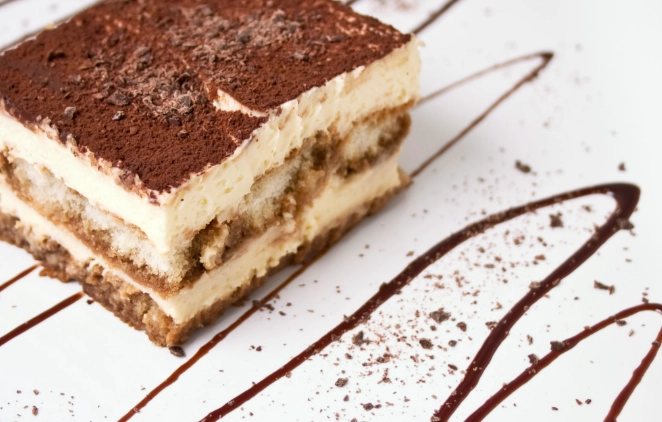
Techniques That Make All the Difference
Italian desserts often rely on a few key methods. Master these, and you can tackle almost any recipe.
The Bain-Marie (Water Bath): This gentle, indirect heat is your best friend for cooking egg-based custards like the base for some panna cottas or zabaglione without curdling them. Just a saucepan with simmering water and a heatproof bowl on top.
Folding, Not Beating: After you've whipped egg whites or cream to beautiful peaks, the last thing you want to do is deflate them. Use a spatula and a gentle, sweeping motion to incorporate them into heavier mixtures. This is critical for airy Tiramisu filling and light cake batters.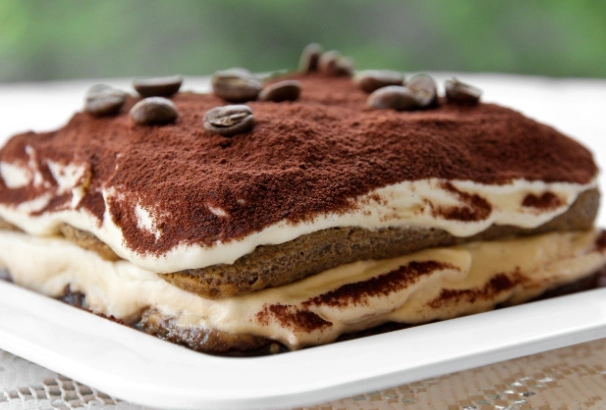
Resting & Chilling: Patience is a key ingredient. Cannoli filling needs to drain. Tiramisu must chill for at least 6 hours, preferably overnight, for the flavors to marry and the layers to set properly. Rushing this ruins the texture.
Answering Your Italian Dessert Dilemmas (FAQs)
These are the questions I get asked all the time, and the ones I had to search for when I started.
My cream/mascarpone mixture won't whip up. It's runny. What did I do wrong?
This is almost always a temperature issue. Your bowl, your beaters, and especially your mascarpone or cream need to be cold. If the kitchen is warm, the fat can't hold the air you're trying to whip into it. Pop the bowl and beaters in the freezer for 15 minutes before you start. Take the mascarpone out of the fridge just before using it.
My ladyfingers are too soggy/mushy in my Tiramisu.
You're dunking them like donuts! It should be a military-style operation: quick dip, one side, flip, quick dip the other side, and out. They should feel saturated but still hold their shape when you lift them. They'll continue to soften in the fridge. A two-second dip is often enough.
How can I make Italian dessert recipes gluten-free?
You're in luck! Italian cuisine has many naturally gluten-free options. Torta Caprese uses almonds. Panna Cotta uses gelatin. Many gelato recipes are gluten-free. For things that traditionally use flour, like certain cakes, a high-quality gluten-free flour blend that includes a bit of xanthan gum can work well. Polenta-based cakes are also a fantastic, authentic choice.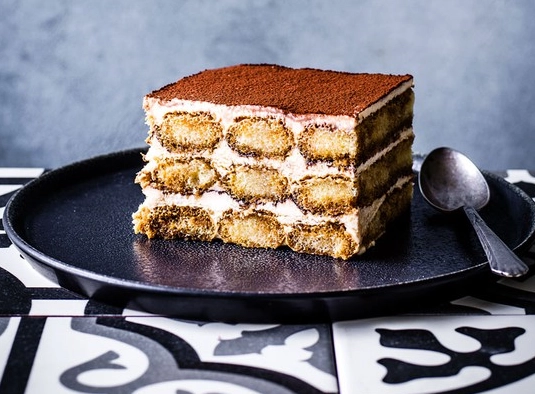
My panna cotta won't set/unmold properly.
First, did you properly "bloom" the gelatin by sprinkling it over cold liquid and letting it sit for 5-10 minutes until it becomes a spongy solid? That activates it. Second, when dissolving it into the warm cream, make sure it's fully dissolved with no granules. Finally, to unmold, dip the bottom of the mold in hot water for 5-10 seconds, then dry it and invert it onto a plate. Give it a gentle shake—it should slide right out.
What's a simple, impressive Italian dessert I can make with kids?
Affogato. It's barely a recipe, but it's pure genius. A scoop of good vanilla gelato or ice cream in a cup, with a shot of hot espresso poured over the top. The hot and cold, bitter and sweet combo is unforgettable. It's interactive, fast, and always a hit. It also introduces the classic Italian pairing of coffee and dessert in the simplest way.
Putting It All Together: A Roadmap for Success
Feeling overwhelmed? Don't be. Start with one. Here's a suggested path:
- Beginner's Win: Make Panna Cotta. It teaches you about gelatin and patience. Serve it with store-bought berry sauce. Success here builds confidence.
- Level Up: Try a Flourless Torta Caprese. It's mostly mixing and baking, but the result feels sophisticated. It's a great lesson in how nuts can replace flour.
- The Weekend Project: Now tackle Tiramisu. You've practiced patience with the panna cotta. Apply it here for the essential chilling time. Focus on the quick-dip technique for the ladyfingers.
- The Culinary Adventure: Go for Cannoli. Make or buy the shells. Master the ricotta draining and filling process. Celebrate the crunch.
The real joy of these Italian dessert recipes is that they're meant to be shared. They're the centerpiece of a long meal, the topic of conversation. They feel special without being fussy. That's the Italian way.
So pick one that calls to you, gather your ingredients (the best you can find), and dive in. You might mess up a step—I still sometimes get a cannoli shell that fries too dark—but that's how you learn. The taste of a dessert you made with your own hands, that captures a bit of that Italian spirit, is worth every bit of effort.
What are you waiting for? The espresso is ready.
Related Articles

The number has increased nearly fourfold in ten years, and the global digital ba
Italian Meatball Recipe: Step-by-Step Guide & Secrets for Tender Meatballs
The Ultimate Guide to a 3 Course Vegetarian Italian Meal
Easy Italian Baked Dinner Recipes: Lasagna, Chicken Parm & More
Master Italian Pasta Recipes: Classics, Regional Gems & Pro Tips