Pasta Recipes: A Complete Guide from Beginner to Pro
Quick Navigation
- Before You Even Boil the Water: Pasta 101
- The Core Techniques: What Makes a Pasta Recipe Work
- Your Foundation Pasta Recipes
- Leveling Up: Pro Tips & Common Questions
- Beyond the Basics: Exploring Regional Pasta Recipes
- The Tool Kit: What You Actually Need
- Putting It All Together: A Week of Pasta Dinners
Let's be honest. We've all been there. Standing in front of the pantry, staring at a box of dried pasta, feeling a mix of hunger and complete lack of inspiration. You want something good, maybe even great, but the thought of following a complicated recipe with twenty ingredients feels like a chore. I get it. I used to think making a memorable pasta dish was something that only happened in Italian restaurants or on fancy cooking shows.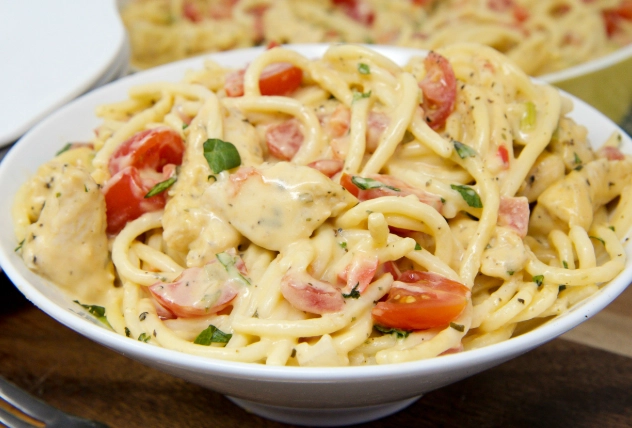
Then I spent a summer with my friend's nonna in a small town just outside of Bologna. Let me tell you, that changed everything. It wasn't about fancy techniques or rare ingredients. It was about a handful of simple principles, respect for the pasta itself, and understanding how a few components come together to create magic in a bowl. That's what I want to share with you. This isn't just a list of pasta recipes. It's the roadmap I wish I'd had.
Before You Even Boil the Water: Pasta 101
Most of the mistakes happen before the pasta hits the pot. Choosing the wrong shape for your sauce is a classic one. You wouldn't wear flip-flops to a formal dinner, right? Same idea here. The shape of the pasta is designed to hold, cradle, or capture a specific type of sauce. It's functional, not just decorative.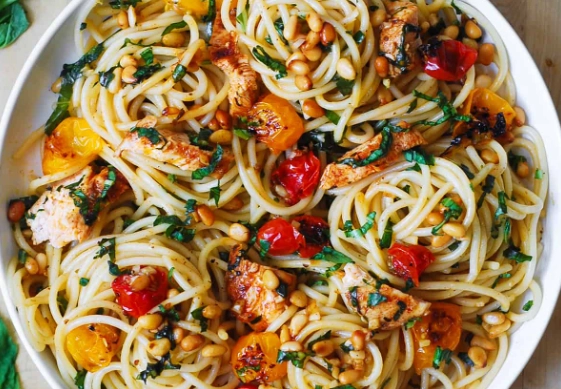
Here’s a quick breakdown that will save you from many a soupy, sad plate of food.
| Pasta Shape | Best Sauce Match | Why It Works | Beginner-Friendly Rating |
|---|---|---|---|
| Spaghetti, Linguine | Oil-based, light tomato, seafood sauces | Long strands are perfect for slick, coating sauces that cling to every inch. A chunky meat sauce just slides right off. | Easy (Everyone's first pasta) |
| Penne, Rigatoni, Ziti | Chunky vegetable, meat, or thick cream sauces | The tubes and ridges (called "rigate") are sauce traps. They grab onto every piece of mushroom, chunk of sausage, or dollop of ricotta. | Very Easy |
| Farfalle (Bowties), Fusilli | Cold pasta salads, light cream sauces, pesto | All those nooks and crannies are excellent for holding onto smaller bits and creamy textures. Great for texture variety. | Easy |
| Orecchiette, Shells | Thick, rustic sauces with small ingredients (like peas, ground meat, breadcrumbs) | They're literally designed to be little bowls or cups. The sauce sits right inside them. Genius. | Medium (Takes a bit to cook evenly) |
| Fettuccine, Pappardelle, Tagliatelle | Rich, hearty cream or meat sauces (like Bolognese) | The broad, flat surface provides a perfect landing pad for thick, luxurious sauces. Every bite is balanced. | Easy |
See? It makes sense once you think about it. Now, let's talk about the other big player: the pasta itself.
Dried vs. Fresh Pasta: The Eternal Debate (Solved)
This is where food snobs love to chime in. "Fresh is always better!" Not necessarily. They are different tools for different jobs, and I use both depending on what I'm making.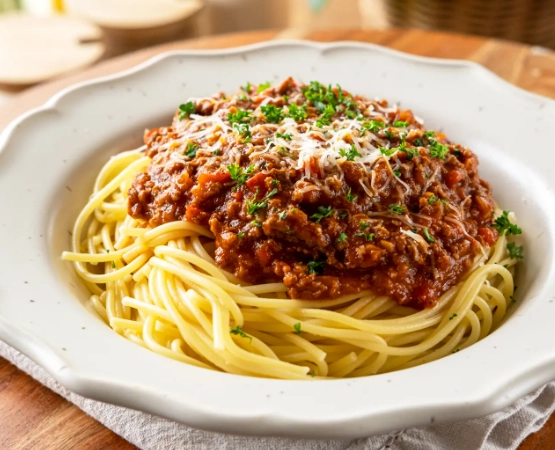
Dried Pasta (Pasta Secca): This is your workhorse. Made from just durum wheat semolina and water, it's extruded through bronze or Teflon dies and dried slowly. The good stuff—look for "bronze die extruded" and "slow dried" on the package—has a rough surface that sauce clings to beautifully. It has a firm, al dente bite that holds up to robust, long-cooked sauces. Brands like De Cecco, Rummo, or Garofalo are widely available and excellent. For a deep dive into traditional pasta-making regions and Protected Geographical Indication (PGI) statuses, the official Emilia-Romagna agricultural site has fascinating resources (though it's in Italian, translation tools help).
Fresh Pasta (Pasta Fresca): Made with soft wheat flour (often "00") and eggs, it has a tender, delicate, almost silky texture. It cooks in just 2-4 minutes. It's phenomenal with simple, delicate sauces like butter and sage, a light ragù, or a simple drizzle of great olive oil. It's not better, it's just different. And making it at home is a wonderfully satisfying project for a weekend.
The Core Techniques: What Makes a Pasta Recipe Work
You can have the best ingredients, but if your technique is off, the dish falls flat. These are the non-negotiable foundations.
1. Salting the Pasta Water
This is the single most common home cook mistake. Undersalting. The water should taste like the sea. Seriously. I'm talking about a small handful of coarse salt (like kosher salt) for a large pot. Why? This is the only chance you get to season the pasta itself from the inside out. If the water is bland, the pasta will be bland, no matter how salty your sauce is. The Academia Barilla, a respected center for Italian gastronomy, recommends about 10 grams of salt per liter of water. Don't be shy.
2. Cooking to "Al Dente"
Al dente means "to the tooth" in Italian. It means the pasta should have a slight resistance when you bite into it, a pleasant chew. It's not crunchy, but it's definitely not mushy. This texture is crucial for the final dish because the pasta will continue to cook for a minute when you toss it with the hot sauce in the pan. If it's already soft in the water, it'll be overcooked on the plate. Always taste a piece a minute or two before the package's suggested time.
3. The Sacred Pasta Water
Do not, I repeat, DO NOT pour all your pasta water down the drain. Before you drain, scoop out about a cup of that starchy, salty liquid. This is liquid gold. It's the magic glue that helps your sauce emulsify and cling to the pasta. A splash of it can transform a separated, oily sauce into a creamy, cohesive masterpiece. Always reserve some.
4. The Finish in the Pan
This is the pro move that separates okay pasta from great pasta. Don't just drain the pasta, plop it on a plate, and top it with sauce. Instead, drain the pasta (saving that water!) and add it directly to the skillet where your sauce is simmering. Over low heat, toss them together vigorously for a minute or two. Add a splash of pasta water as needed. This allows the pasta to drink up the sauce's flavor and the starch from the pasta helps thicken the sauce slightly, creating a unified dish where the sauce coats every piece perfectly.
Your Foundation Pasta Recipes
These aren't just recipes; they're templates. Master these four, and you have a reliable answer for "What's for dinner?" any night of the week.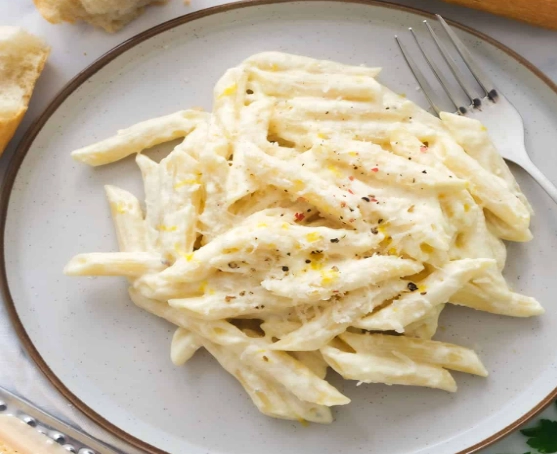
The Weeknight Lifesaver: Aglio e Olio (Garlic and Oil)
This is the ultimate pantry pasta. It proves that simplicity, when done right, is king. You need spaghetti, garlic, red pepper flakes, parsley, and good olive oil. That's it. The trick is to gently cook sliced garlic in a lot of olive oil until it's just golden and fragrant, not burnt. Toss in the cooked pasta with a big splash of pasta water, the red pepper flakes, and chopped parsley. The starchy water and oil create a creamy, glazy sauce that coats every strand. It's ready in 15 minutes and never fails to satisfy. A perfect base for adding leftover veggies or a can of tuna.
The Crowd-Pleaser: A Simple Tomato Sauce
Forget the jar. A simple, bright tomato sauce is easier than you think and makes all other pasta recipes sing. Sauté a few cloves of sliced garlic in olive oil until fragrant. Add a large can of whole San Marzano tomatoes (crush them with your hands as you add them—it's therapeutic). Simmer for 20-30 minutes until thickened. Season with salt and a pinch of sugar if needed to balance acidity. Tear in some fresh basil at the end. Use this on spaghetti, penne, or as the base for meatballs. The quality of the tomatoes matters here. The Consorzio di Tutela del Pomodoro San Marzano DOP ensures the authenticity of these famed tomatoes, which have a sweeter, less acidic profile.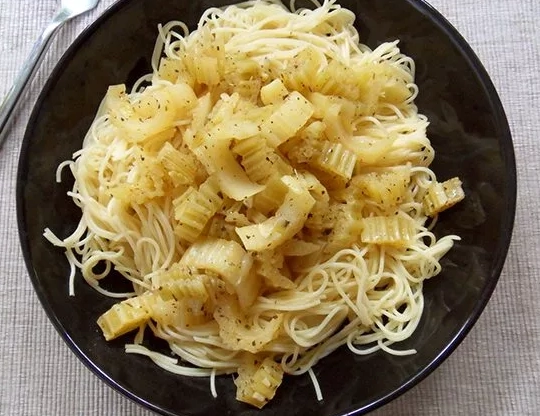
The Comfort Classic: Creamy Parmesan Sauce
This is where that pasta water technique shines. For fettuccine Alfredo (the real, Roman way, not the heavy cream version), you cook your pasta, reserve water, and then toss the hot pasta in a pan with a generous amount of cold butter and grated Parmigiano-Reggiano. Add pasta water a splash at a time, tossing continuously. The starches and fat will emulsify into the most luxurious, creamy sauce that clings to the pasta. No cream in sight. It's a technique that feels like a magic trick.
The Flavor Bomb: Pesto Genovese
When basil is in season, this is a must. It's a sauce of balance: fresh basil, pine nuts, garlic, Parmigiano, Pecorino, and olive oil. The key is to use a mortar and pestle if you can—it bruises the basil rather than chopping it, preventing it from turning black. A food processor works fine too, just pulse, don't puree. Toss with trofie or linguine, adding pasta water to loosen. It's summer in a bowl. For the authentic recipe and history, the Pesto World Championship site is a fun and authoritative source.
Leveling Up: Pro Tips & Common Questions
Okay, you've got the basics down. Now let's dig into the questions that pop up once you start experimenting. These are the things that can trip you up.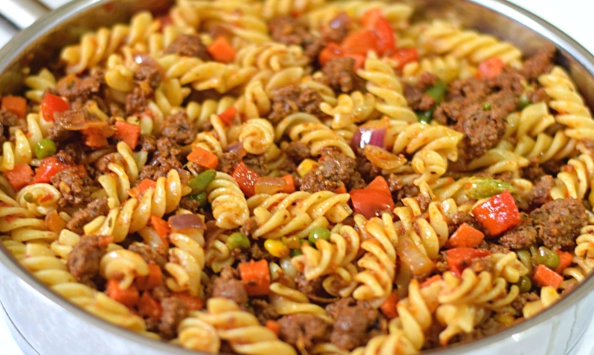
Why does my pasta stick together?
Two main reasons. First, not enough water. Use a big pot—at least 4-5 quarts for a pound of pasta. Crowding causes starch release and sticking. Second, you might be adding oil to the boiling water. Don't do this! It coats the pasta and prevents the sauce from sticking later. Just use plenty of water and stir during the first minute of cooking.
Can I make pasta ahead for a party?
Yes, but with a method. Cook the pasta 2-3 minutes *less* than al dente. Drain it and toss it with a tiny bit of olive oil to prevent sticking. Spread it on a baking sheet to cool quickly. When ready to serve, plunge it into boiling water for 60-90 seconds to heat through, then finish with your sauce in a pan. This is how restaurants do it.
What's the deal with gluten-free pasta?
The quality has improved dramatically. The best ones I've found are blends of brown rice and corn or lentil-based pastas. They have a good bite. The crucial tip: follow the package instructions *exactly*. They often have a very narrow window between perfect and mushy. And rinse it after draining to remove excess surface starch, which can be gummy.
Beyond the Basics: Exploring Regional Pasta Recipes
Italy's regions are like different countries when it comes to food. Exploring their signature pasta dishes opens up a whole new world.
From the North (Emilia-Romagna): Think rich, egg-based pastas and meaty sauces. Tagliatelle al Ragù (what the world calls Bolognese) is a slow-cooked masterpiece of minced beef, pork, carrots, celery, onion, tomato, and milk. It's not a quick, tomato-heavy sauce. It's a long-simmered, deeply savory hug.
From the South (Campania, Sicily): This is the home of dried pasta, tomatoes, seafood, and vibrant flavors. Spaghetti alle Vongole (with clams), Pasta alla Norma (with eggplant, tomato, and ricotta salata), or Pasta con le Sarde (with sardines, fennel, and pine nuts) are bright, bold, and often feature ingredients from the sea.
From the Center (Lazio, Rome): Carbonara (guanciale, egg, pecorino, black pepper), Cacio e Pepe (cheese and pepper), and Amatriciana (guanciale, tomato, pecorino). These are the ultimate examples of how a few perfect ingredients, combined with flawless technique, create iconic dishes. They are deceptively simple and easy to mess up.
Want to try a true Roman carbonara? The controversy is real—no cream, no garlic, no peas! Just eggs, cheese, cured pork, and pepper. Getting the temperature right so the eggs thicken into a sauce without scrambling is the challenge. It's worth practicing.
The Tool Kit: What You Actually Need
You don't need a fancy kitchen. But a few key tools make the process smoother.
- A Large, Heavy-Bottomed Pot: For plenty of water. A Dutch oven works great.
- A Good Colander: Obviously.
- A Large Skillet or Sauté Pan: For finishing the pasta in the sauce. Non-stick is fine, but stainless steel is ideal for developing fond (those tasty browned bits).
- Tongs and a Spider Skimmer: Tongs for long pasta, the spider for fishing out short shapes or ravioli directly into the sauce pan.
- A Microplane Grater: For fluffy, perfectly grated hard cheese that melts instantly. A box grater works, but a Microplane is a revelation.
- A Ladle or Coffee Mug: For reserving that precious pasta water.
That's it. You don't need a pasta machine unless you're diving deep into fresh pasta regularly.
Putting It All Together: A Week of Pasta Dinners
Let's make this practical. Here’s how you can use this framework for a stress-free week.
Monday (Quick): Spaghetti Aglio e Olio. Add a handful of spinach wilting in at the end for a green boost.
Tuesday (Use Leftovers): Turn leftover roasted chicken or vegetables into a pasta. Cook penne, sauté some garlic, add the chopped leftovers and a splash of cream or broth, then toss with the pasta and pasta water.
Wednesday (Classic): Penne with that simple tomato sauce from earlier. Add a can of drained chickpeas for protein.
Thursday (Break the Rules): Try an "un-Italian" fusion. I love a spicy sesame peanut noodle situation with spaghetti. It's not authentic, but it's delicious. Cook spaghetti, toss with a sauce of peanut butter, soy sauce, chili garlic paste, lime juice, and pasta water to thin.
Friday (Project): Make a simple fresh pasta dough (flour, egg, salt). Roll it out and cut into pappardelle. Serve with a quick sauce of sautéed mushrooms, garlic, thyme, and a knob of butter.
So, the next time you're staring at that box of pasta, I hope you feel a spark of excitement, not dread. You have the framework now. You understand why shape matters, why the water should be salty, and why finishing in the pan is non-negotiable. You have a handful of foundational pasta recipes that can be adapted endlessly.
The best pasta recipe is the one that gets you into the kitchen, using what you have, and ending up with something truly satisfying. Start with the aglio e olio. Get that one down. Then try the tomato sauce. Before you know it, you'll be glancing at ingredients and thinking, "Hmm, I bet that would be great on some rigatoni." And that's when you know you've got it.
Now go boil some water. And salt it like you mean it.
Related Articles
Italian Soup Guide: Beyond Minestrone & Regional Classics
Perfect Homemade Italian Gnocchi Recipe: Light & Fluffy
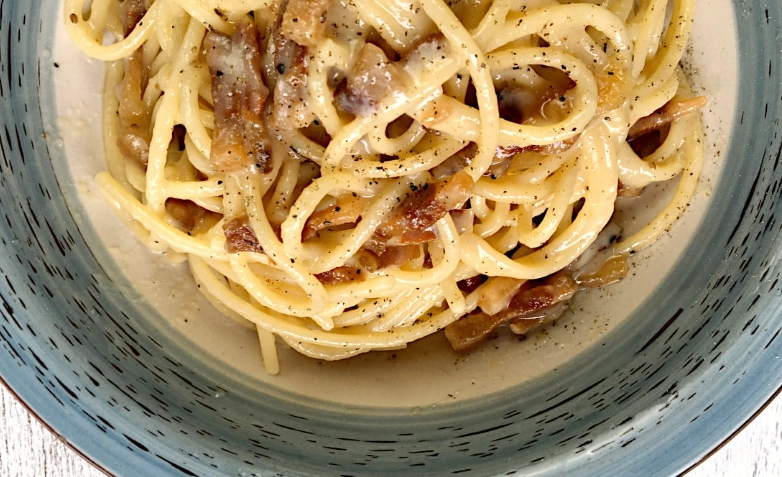
Authentic Spaghetti Carbonara Recipe: The Real Italian Method (No Cream!)
Authentic Italian Love Cake Recipe: The Ultimate 3-Layer Dessert Guide
Unlock Flavor: 5 Essential Italian Seasoning Recipes & Pro Tips